
Ocular Surface Tumor Excision with Cryotherapy in Hyderabad: Cost, Procedure & Recovery
Ocular Surface Tumor Excision with Cryotherapy is a specialized eye procedure designed to safely remove abnormal growths or tumors from the surface of your eye. This treatment also uses cryotherapy (cold treatment) to help prevent the tumor from returning, protecting your vision and eye health.
QUICK FACTS
- Procedure Duration: 30-60 minutes
- Anesthesia Type: Local Anesthesia with Sedation
- Recovery Time: 1-2 weeks for initial healing, full recovery varies
- Hospital Stay: Daycare / No overnight admission required
UNDERSTANDING THE BASICS
What is Ocular Surface Tumor Excision with Cryotherapy?
Your eye’s “ocular surface” refers to the clear front part (cornea) and the white part (sclera) covered by a thin, clear membrane called the conjunctiva. Sometimes, abnormal cells can grow on this surface, forming a tumor or growth. Ocular Surface Tumor Excision with Cryotherapy is a precise surgical procedure where your eye surgeon carefully removes this unwanted growth. Following the excision, cryotherapy, which uses extreme cold, is applied to the edges of the treated area. This “freezes” and destroys any microscopic abnormal cells that might remain, significantly reducing the chance of the tumor growing back and helping to restore the healthy surface of your eye.
CONDITIONS AND SYMPTOMS
Why is Ocular Surface Tumor Excision with Cryotherapy performed?
This procedure is performed to remove abnormal and potentially harmful growths from the surface of your eye, preserving your vision and overall eye health.
Eye Conditions Treated
- Conjunctival Intraepithelial Neoplasia (CIN)
- Squamous Cell Carcinoma (SCC) of the conjunctiva
- Pterygium with dysplastic (pre-cancerous) changes
- Other suspicious or cancerous lesions on the conjunctiva or cornea
Symptoms You Might Be Experiencing
- A visible, often reddish or white, growth on the surface of your eye
- Persistent redness or irritation in the eye
- A feeling of something gritty or a foreign body in your eye
- Blurred or distorted vision, especially if the growth extends onto the cornea
- Discomfort or pain in the affected eye
- Excessive watering or tearing
SURGICAL JOURNEY STEP-BY-STEP
How is the Ocular Surface Tumor Excision with Cryotherapy Procedure Performed?
Your journey through this procedure is carefully managed to ensure your comfort and the best possible outcome.
1. How to Prepare Before the Procedure
Before your surgery, your medical team will guide you through several important steps:
- Medical Evaluation: You will undergo a thorough eye examination, review of your medical history, and possibly blood tests to ensure you are fit for surgery.
- Medication Review: Inform your doctor about all medications you are taking. You may be asked to stop certain medications, especially blood thinners, a few days before the procedure.
- Lifestyle Adjustments: You might be advised to avoid alcohol and smoking for a period before surgery.
- Fasting: You will typically need to fast (no food or drink) for several hours before the procedure, as instructed by your doctor.
- Arrangements: Arrange for someone to drive you home after the surgery, as your vision will be temporarily affected. Avoid wearing eye makeup on the day of the procedure.
2. What Happens During the Procedure?
The procedure is performed in a sterile surgical environment, usually as a daycare procedure:
- Anesthesia: Numbing eye drops will be applied, followed by a local anesthetic injection around the eye to ensure you feel no pain. You may also receive mild sedation to help you relax.
- Preparation: Your eye area will be thoroughly cleaned, and a sterile drape will be placed around your face, leaving only the eye exposed. A small device will gently keep your eyelids open.
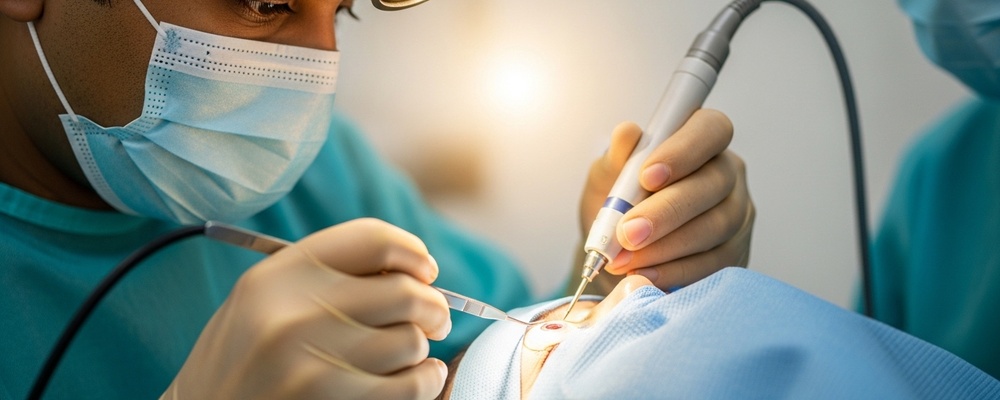
- Excision: Using specialized micro-surgical instruments, your surgeon will carefully and precisely remove the abnormal growth from the ocular surface.
- Cryotherapy: After the tumor is removed, a cryotherapy probe will be used to apply controlled cold temperatures to the edges of the treated area. This helps destroy any remaining microscopic tumor cells and reduces the risk of recurrence.
- Reconstruction (if needed): In some cases, a small graft (like an amniotic membrane) may be placed over the surgical site to aid healing and promote a smooth surface.
- Completion: The procedure concludes with the application of antibiotic eye drops and, often, a protective eye patch or shield.
3. What to Expect Immediately After the Procedure
Following your surgery, you will be moved to a recovery area:
- Recovery Lounge: You will rest briefly as the effects of sedation wear off. Nurses will monitor your vital signs.
- Ocular Protection: Your eye will likely be covered with a protective patch or shield to prevent accidental rubbing and protect the healing site.
- Initial Vision: Your vision in the treated eye will be blurry, and you may experience mild discomfort, a gritty sensation, or tearing. This is normal.
- Discharge Instructions: You will receive detailed instructions on how to care for your eye, including when and how to use prescribed eye drops, activity restrictions, and the schedule for your follow-up appointments.
- Transportation: You must have someone drive you home, as you will not be able to drive yourself.
POST-OPERATIVE CARE AND TIMELINE
Recovery and Post-Operative Care
Proper post-operative care is crucial for a smooth recovery and optimal results. Follow your surgeon’s instructions diligently.
Do’s:
- Use all prescribed eye drops exactly as directed to prevent infection and reduce inflammation.
- Wear your protective eye shield, especially while sleeping, for the recommended period.
- Rest adequately and avoid strenuous activities, heavy lifting, or bending over.
- Attend all scheduled follow-up appointments with your ophthalmologist.
- Keep your eye clean and avoid touching or rubbing it.
Don’ts:
- Do not rub or press on your operated eye.
- Avoid swimming, hot tubs, or exposing your eye to dirty water for several weeks.
- Do not wear eye makeup until cleared by your doctor.
- Avoid dusty or smoky environments that could irritate your eye.
- Do not drive until your vision has stabilized and your doctor approves.
Recovery Timeline:
- Day 1: You may experience mild to moderate discomfort, redness, and tearing. Your vision will be blurry due to the patch/shield and initial healing. Start your prescribed eye drops.
- Week 1: Discomfort should begin to subside, and redness will gradually lessen. You will continue using eye drops. Your vision will start to clear, but may still fluctuate. Avoid any activities that could strain your eye. Your first follow-up appointment is typically within this week.
- Month 1: Significant healing will have occurred. Redness and irritation should be minimal. Your vision will be much clearer, and you can gradually resume most normal activities, including light exercise, as advised by your doctor. Regular follow-up appointments will continue to monitor the healing process and ensure there is no recurrence.
COST AND INSURANCE COVERAGE IN HYDERABAD
Cost of Ocular Surface Tumor Excision with Cryotherapy in Hyderabad & Insurance Options
- Estimated Local Investment: ₹65000 – ₹85000
- Cost Determinants: The final cost of Ocular Surface Tumor Excision with Cryotherapy can vary based on several factors:
- Tumor Size and Complexity: Larger or more complex tumors requiring extensive removal or additional reconstructive techniques (e.g., amniotic membrane graft) may incur higher costs.
- Surgeon’s Fees: The experience and reputation of the operating surgeon can influence the overall price.
- Hospital Facility Charges: Costs vary between different hospitals based on their infrastructure, technology, and services.
- Anesthesia Type: The specific type of anesthesia used and the duration of the procedure can affect the cost.
- Pre- and Post-Operative Care: This includes diagnostic tests, consultations, prescribed medications, and follow-up visits.
- Insurance Protocol: Ocular Surface Tumor Excision with Cryotherapy is generally considered a therapeutic “Medical Necessity” as it addresses a pathological condition. Therefore, it is typically covered by major Third-Party Administrator (TPA) networks and health insurance schemes in India. Patients are strongly advised to verify their specific policy details, coverage limits, and pre-authorization requirements with their insurance provider well in advance of the procedure.
FREQUENTLY ASKED QUESTIONS
Frequently Asked Questions About Ocular Surface Tumor Excision with Cryotherapy
Q: Is the procedure painful?
A: No, local anesthesia ensures you won’t feel pain during the procedure itself. You might experience mild discomfort, a gritty sensation, or irritation in the eye during the initial recovery period.
Q: How long does recovery take?
A: Initial healing, where discomfort subsides and vision begins to clear, typically takes about 1-2 weeks. Full recovery and stable vision often take up to a month or more, depending on the tumor’s size and complexity.
Q: Are there any risks involved?
A: As with any surgical procedure, there are minor risks such as infection, bleeding, inflammation, or a slight chance of the tumor recurring. Your surgeon will discuss these rare possibilities and how they are managed.
Q: Can the tumor grow back after surgery?
A: While the goal of excision and cryotherapy is complete removal and prevention of recurrence, there’s always a small chance. Regular follow-up examinations are crucial to monitor your eye health and detect any potential recurrence early.
DISCLAIMER
Disclaimer: This content is curated using artificial intelligence and may contain inaccuracies. It is provided for informational and educational purposes only and should not be considered professional medical advice. Please consult your ophthalmologist for personalized clinical care. The prices listed in this article are indicative only and may vary based on the patient’s specific condition, procedural techniques, surgical complexity, and materials used. We strongly advise discussing actual costs directly with your healthcare provider.