
Eye SymptomsWhat your eyes are telling you
Look up a symptom to learn what may cause it, when to see a doctor, and how it is diagnosed and treated at Pristine Eye Hospitals, Hyderabad.
See an eye doctor today
These symptoms can threaten your sight. Get an eye examination straight away; don’t wait for them to settle.
 Curtain or Shadow Over VisionRetinal Detachment
A curtain or shadow over vision is one of the most serious eye symptoms.
 Sudden Flashes or FloatersPhotopsia / Vitreous Detachment
Flashes and floaters appear when you see small moving spots, threads, or flickering lights in your vision.
 Sudden Complete Vision LossAcute Retinal Occlusion / Stroke-Related
Sudden complete vision loss refers to an abrupt, total loss of sight in one or both eyes.
 Temporary Vision LossAmaurosis Fugax / Transient Vision Loss
Temporary vision loss, also called amaurosis fugax, refers to sudden but brief episodes of vision loss lasting seconds to minutes.
 Loss of VisionPartial or Complete
Loss of vision refers to a sudden or gradual reduction in sight, affecting one or both eyes.
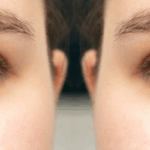 Severe Eye TraumaInjury / Corneal Laceration / Chemical Burn
Severe eye trauma includes any sudden injury or chemical exposure that damages the eye or surrounding tissues.
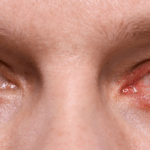 Infection or Inflammation After SurgeryPain, Discharge, Vision Drop
Infection or inflammation after eye surgery is a serious postoperative complication that can occur in any surgical procedure, including cataract surgery, LASIK, or corneal transplant.
No symptom matches your search. Try a simpler word, or book an eye check-up and tell our doctors what you notice.
Vision changes
Blur, double vision, blind spots and more
 Blurry VisionBlurred Vision / Amblyopia
Blurry vision means your eyesight isn’t clear — things appear hazy, foggy, or out of focus.
 Difficulty Focusing Near or FarRefractive Error / Presbyopia
Difficulty focusing near or far refers to trouble seeing objects clearly at certain distances.
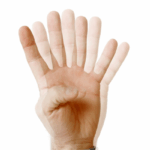 Double VisionDiplopia
Double vision means seeing two images of a single object instead of one.
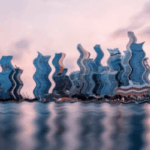 Distorted or Wavy VisionMetamorphopsia
Distorted or wavy vision means straight lines appear bent, or objects look misshapen.
 Blind Spots in VisionScotoma
A blind spot, or scotoma, is an area in your field of vision where you can’t see clearly or at all.
 Halos or Rings Around LightsHalos / Glare
Halos or glare refer to seeing bright circles or rings around light sources — especially at night.
 Poor Night VisionNyctalopia
Poor night vision, or nyctalopia, means you struggle to see clearly in dim light or darkness.
 Colour Vision ChangesDyschromatopsia
Colour vision changes refer to difficulty distinguishing between certain colours or noticing that colours appear faded or dull.
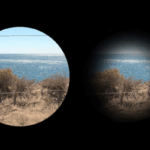 Loss of Side VisionPeripheral Vision Loss / Tunnel Vision
Loss of side vision means you can see clearly in front but have trouble noticing things around you.
Eye discomfort
Red, dry, itchy, watery or painful eyes
 Red EyesOcular Hyperaemia / Conjunctival Injection
Red eyes occur when blood vessels on the surface of the eye become enlarged or irritated, giving the white part of the eye (sclera) a pink or red appearance.
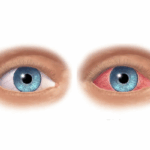 Dry EyesKeratoconjunctivitis Sicca / Dry Eye Disease
Dry eyes occur when your eyes don’t produce enough tears or when tears evaporate too quickly.
 Itchy or Burning EyesOcular Irritation / Allergic Conjunctivitis
Itchy or burning eyes are among the most common eye complaints.
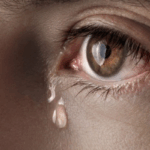 Watery EyesEpiphora
Watery eyes, or epiphora, occur when tears overflow onto your cheeks instead of draining properly through the tear ducts.
 Eye DischargeOcular Discharge
Eye discharge refers to any fluid — watery, sticky, or pus-like — that collects in or around the eyes.
 Eye Pain or PressureOcular or Orbital Pain
Eye pain or pressure can range from a mild ache to sharp, throbbing discomfort felt inside, around, or behind the eye.
 Light SensitivityPhotophobia
Light sensitivity, or photophobia, is when bright light — natural or artificial — causes discomfort or pain in your eyes.
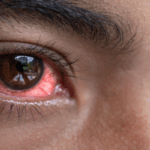 Foreign-Body SensationGrittiness / FB Sensation
Foreign-body sensation is the feeling that something is in your eye even when nothing is visible.
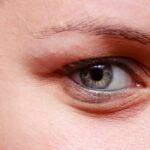 Eyelid TwitchingMyokymia
Eyelid twitching, or myokymia, refers to small, involuntary spasms or flickering movements of the eyelid muscles.
Eyelids, pupils and appearance
Changes you can see in the mirror
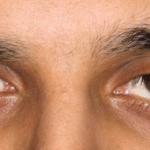 Droopy EyelidPtosis
A droopy eyelid, or ptosis, occurs when the upper eyelid sags lower than normal.
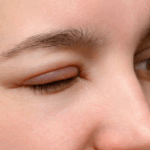 Swelling or Puffiness Around the EyesPeriocular Edema
Swelling or puffiness around the eyes happens when fluid builds up in the tissues of the eyelids or surrounding area.
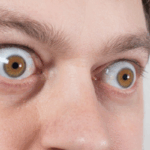 Bulging EyesExophthalmos / Proptosis
Bulging eyes, or exophthalmos, occur when one or both eyeballs appear to protrude more than normal.
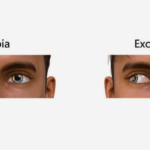 Eyes Turning Inward or OutwardStrabismus / Esotropia / Exotropia
Strabismus occurs when both eyes do not point in the same direction.
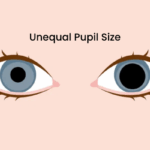 Unequal Pupil SizeAnisocoria
Unequal pupil size, or anisocoria, occurs when one pupil is larger or smaller than the other.
 Dark Circles and Pigmentation Around Eyes
Dark circles and pigmentation around the eyes are common cosmetic concerns.
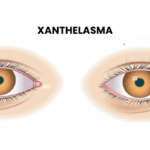 XanthelasmaCholesterol Deposits Around Eyes
Xanthelasma are yellowish, flat, or slightly raised patches that appear around the inner corners of the eyelids.
Eye signs of other health conditions
When your eyes point to a problem elsewhere in the body
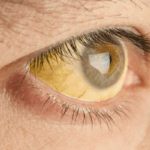 Yellow EyesJaundice / Bilirubin Elevation
Yellow eyes, or scleral icterus, occurs when the white part of the eyes turns yellow due to high levels of bilirubin in the blood.
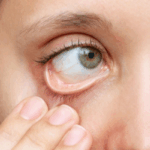 Pale Inner EyelidsAnemia
Pale inner eyelids often indicate anemia, a condition where your blood lacks enough healthy red blood cells or hemoglobin.
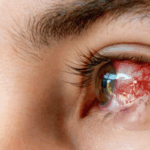 Prominent Blood Vessels in EyesHypertension or Vascular Disease
Prominent blood vessels in eyes, Visible or enlarged blood vessels on the white part of the eyes (sclera) can occur due to irritation, dryness, or fatigue.
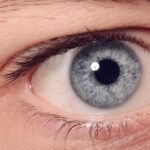 Blue or Grey ScleraConnective Tissue Disorder Indicator
Blue or grey Sclera discoloration — the white part of your eye — happens when the normally opaque tissue becomes thinner, allowing the underlying pigmented layer (choroid) to show through.
After eye surgery
What is normal during recovery, and what is not
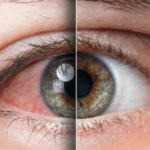 Mild Redness or Dryness After Eye Surgery
Mild redness or dryness after eye surgery is common and usually part of the normal healing process.
 Increased Tearing or Mild Blurring During Recovery
Excessive tearing and mild blurring are common during the early recovery phase after eye surgery such as LASIK, cataract extraction, corneal transplant, or refractive procedures.
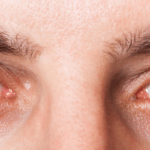 Foreign Body Sensation After Corneal Procedure
A foreign body sensation — the feeling that something is in your eye — is common after corneal procedures such as LASIK, PRK, corneal cross-linking, or transplants.
- Infection or Inflammation After SurgeryUrgentPain, Discharge, Vision Drop
Infection or inflammation after eye surgery is a serious postoperative complication that can occur in any surgical procedure, including cataract surgery, LASIK, or corneal transplant.
More symptoms
Recently added guides
Not sure what your symptom means?
Our eye specialists in Madhapur, next to Raidurg Metro, can find the cause and the right treatment.
These guides are for general information and do not replace an eye examination.