
Corneal Scraping & Biopsy in Hyderabad: Cost, Procedure & Recovery
Corneal Scraping & Biopsy is a precise procedure used to collect a tiny sample from the surface of your eye, called the cornea. This helps doctors accurately diagnose eye infections, ulcers, or other conditions that might be affecting your vision, guiding them to the best treatment plan. It’s a crucial step for maintaining your eye health and preventing further complications.
QUICK FACTS
- Procedure Duration: 15-30 minutes
- Anesthesia Type: Topical numbing eye drops
- Recovery Time: 24-48 hours
- Hospital Stay: Daycare / No overnight admission required
UNDERSTANDING THE BASICS
What is Corneal Scraping & Biopsy?
Your eye has a clear, dome-shaped front surface called the cornea, much like the transparent windshield of a car. This crucial part helps focus light onto your retina. When this “windshield” gets irritated, infected, or damaged, doctors sometimes need to take a very small sample from its surface. Corneal Scraping & Biopsy involves gently collecting a few cells or a tiny piece of tissue from your cornea. This sample is then sent to a lab to identify the exact cause of your eye problem, whether it’s a bacterial, fungal, or viral infection, or another condition, allowing for targeted and effective treatment.
CONDITIONS AND SYMPTOMS
Why is Corneal Scraping & Biopsy performed?
Eye Conditions Treated
- Corneal ulcers (bacterial, fungal, viral)
- Severe eye infections not responding to initial treatment
- Inflammatory conditions of the cornea
- Unexplained corneal lesions or growths
- Atypical keratitis (inflammation of the cornea)
Symptoms You Might Be Experiencing
- Persistent eye pain or discomfort
- Redness and irritation that doesn’t improve
- Blurred or hazy vision
- Sensitivity to light (photophobia)
- Excessive tearing or discharge from the eye
- Feeling like something is constantly in your eye (foreign body sensation)
- A white or gray spot visible on your cornea
SURGICAL JOURNEY STEP-BY-STEP
How is the Corneal Scraping & Biopsy Procedure Performed?
1. How to Prepare Before the Procedure
1. Consultation & Evaluation: Your ophthalmologist will conduct a thorough eye exam and discuss your medical history to determine if the procedure is necessary.
2. Medication Review: Inform your doctor about all medications you are taking, especially blood thinners, as you might need to temporarily stop them.
3. Avoid Eye Makeup: On the day of the procedure, refrain from wearing any eye makeup, lotions, or perfumes.
4. Arrange for Transport: While it’s an outpatient procedure, your vision might be temporarily blurry or sensitive, so arrange for someone to drive you home.
5. Follow Fasting Instructions: You might be asked to fast for a few hours before the procedure, depending on the type of anesthesia used.
2. What Happens During the Procedure?
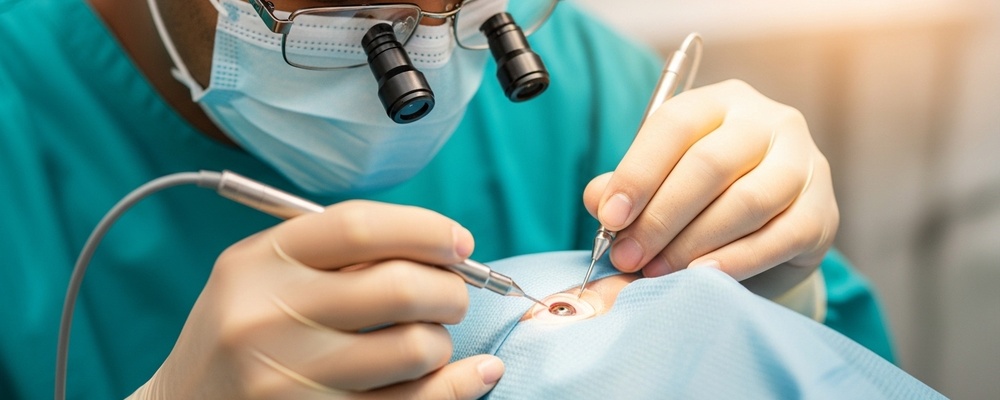
You will be comfortably positioned, usually lying down. Numbing eye drops will be applied to your eye to ensure you feel no pain during the procedure – only a slight pressure or sensation. Your eyelid will be gently held open with a small instrument to prevent blinking. Using a very fine, sterile instrument, your ophthalmologist will carefully and precisely scrape a tiny sample from the affected area of your cornea. This sample is immediately placed in a special container and sent to the laboratory for analysis. The entire process is quick, typically lasting only a few minutes.
3. What to Expect Immediately After the Procedure
After the procedure, your eye might feel a little scratchy or irritated, similar to having an eyelash in it. You may experience some mild light sensitivity and blurry vision for a few hours. Your doctor might place a patch or a protective contact lens on your eye to aid healing and reduce discomfort. You will receive specific instructions on eye drops to use and how to care for your eye at home. It’s crucial to avoid rubbing your eye. You’ll be able to go home shortly after the procedure, but remember to have someone drive you.
POST-OPERATIVE CARE AND TIMELINE
Recovery and Post-Operative Care
Do’s:
- Use prescribed eye drops exactly as directed by your doctor.
- Wear protective eyewear (sunglasses) outdoors to shield your eyes from bright light and dust.
- Keep your hands clean and avoid touching or rubbing your eyes.
- Attend all follow-up appointments to monitor your healing and receive lab results.
- Rest your eyes and avoid strenuous activities for the first few days.
Don’ts:
- Do not rub or press on your treated eye.
- Avoid swimming, hot tubs, and saunas for at least a week to prevent infection.
- Do not wear eye makeup until your doctor gives you clearance.
- Avoid dusty or smoky environments.
- Do not use over-the-counter eye drops without consulting your ophthalmologist.
Recovery Timeline:
- Day 1: You may experience mild discomfort, tearing, and light sensitivity. Vision might be slightly blurry. Continue using prescribed eye drops.
- Week 1: Discomfort should significantly decrease, and vision should start to stabilize. Lab results from the biopsy are usually available, allowing your doctor to confirm the diagnosis and refine your treatment plan.
- Month 1: Your eye should be largely healed, and any remaining symptoms should have resolved. Your doctor will assess the long-term outcome and discuss any further treatment if necessary.
COST AND INSURANCE COVERAGE IN HYDERABAD
Cost of Corneal Scraping & Biopsy in Hyderabad & Insurance Options
- Estimated Local Investment: ₹3000 – ₹20000
- Cost Determinants: The final cost can vary based on several factors:
- Hospital Choice: The facility where the procedure is performed (e.g., private hospital vs. smaller clinic).
- Surgeon’s Fees: The experience and reputation of your ophthalmologist.
- Complexity of the Case: If the scraping or biopsy is more challenging due to the location or nature of the corneal issue.
- Diagnostic Tests: Additional tests required before or after the procedure.
- Medications: Cost of post-operative eye drops and other prescribed medicines.
- Lab Analysis Fees: The specific tests performed on the collected sample.
- Insurance Protocol: Corneal Scraping & Biopsy is generally considered a therapeutic procedure, often performed due to a medical necessity to diagnose and treat serious eye conditions like infections or ulcers. Therefore, it is typically covered by major health insurance providers and Third-Party Administrator (TPA) networks in India. It is crucial to verify your specific policy details with your insurance provider prior to the procedure to understand the extent of coverage, any co-pays, deductibles, or pre-authorization requirements.
FREQUENTLY ASKED QUESTIONS
Frequently Asked Questions About Corneal Scraping & Biopsy
Q1: Is Corneal Scraping & Biopsy painful?
A1: No, numbing eye drops are used to ensure you feel no pain during the procedure, only a mild sensation or pressure.
Q2: How long does it take to get the results?
A2: Lab results typically become available within 3-7 days, depending on the type of analysis required.
Q3: Can I drive myself home after the procedure?
A3: It is strongly advised to arrange for someone to drive you home, as your vision may be temporarily blurry and sensitive to light.
Q4: Are there any risks associated with this procedure?
A4: Corneal Scraping & Biopsy is generally safe, but like any medical procedure, minor risks include temporary irritation, mild discomfort, or, rarely, infection. Your doctor will discuss all potential risks with you.
DISCLAIMER
Disclaimer: This content is curated using artificial intelligence and may contain inaccuracies. It is provided for informational and educational purposes only and should not be considered professional medical advice. Please consult your ophthalmologist for personalized clinical care. The prices listed in this article are indicative only and may vary based on the patient’s specific condition, procedural techniques, surgical complexity, and materials used. We strongly advise discussing actual costs directly with your healthcare provider.