
Therapeutic Debridement for Infectious Keratitis in Hyderabad: Cost, Procedure & Recovery
Therapeutic Debridement for Infectious Keratitis is a precise eye procedure designed to remove infected or damaged tissue from the front surface of your eye, called the cornea. This helps to control serious eye infections, promote healing, and protect your vision from further harm. It’s a crucial step in treating severe eye infections effectively.
QUICK FACTS
- Procedure Duration: 15-30 minutes
- Anesthesia Type: Topical numbing eye drops / Local
- Recovery Time: 24-48 hours
- Hospital Stay: Daycare / No overnight admission required
UNDERSTANDING THE BASICS
What is Therapeutic Debridement for Infectious Keratitis?
Imagine the front window of your eye, the clear dome called the cornea, gets a serious infection. This infection can cause damaged or unhealthy tissue to build up, like weeds in a garden, preventing proper healing and potentially spreading. Therapeutic Debridement is a careful procedure where an eye specialist gently removes this infected or dead tissue from the cornea. It’s like carefully weeding the garden to allow healthy plants to grow, helping your eye fight the infection more effectively and begin to heal properly, restoring the smoothness and clarity of your corneal surface.
CONDITIONS AND SYMPTOMS
Why is Therapeutic Debridement for Infectious Keratitis performed?
Eye Conditions Treated
- Severe bacterial, fungal, or amoebic keratitis (corneal infections)
- Non-healing corneal ulcers with loose or necrotic (dead) tissue
- Corneal infections unresponsive to antibiotic eye drops alone
- To obtain tissue samples for accurate diagnosis of the infection
Symptoms You Might Be Experiencing
- Intense eye pain or discomfort
- Redness and inflammation in the eye
- Blurred or hazy vision
- Sensitivity to light (photophobia)
- Excessive tearing or discharge from the eye
- A feeling of something gritty or foreign in the eye
SURGICAL JOURNEY STEP-BY-STEP
How is the Therapeutic Debridement for Infectious Keratitis Procedure Performed?
1. How to Prepare Before the Procedure
- Consultation & Evaluation: Your eye doctor will conduct a thorough eye exam to assess the infection and determine if debridement is the right treatment for you.
- Medication Review: Discuss all medications you are currently taking, including over-the-counter drugs and supplements. You might be asked to stop certain blood-thinning medications temporarily.
- Arrange for Transport: Since your vision might be temporarily blurry or sensitive after the procedure, arrange for someone to drive you home.
- Avoid Eye Makeup: Do not wear eye makeup or contact lenses on the day of your procedure.
2. What Happens During the Procedure?
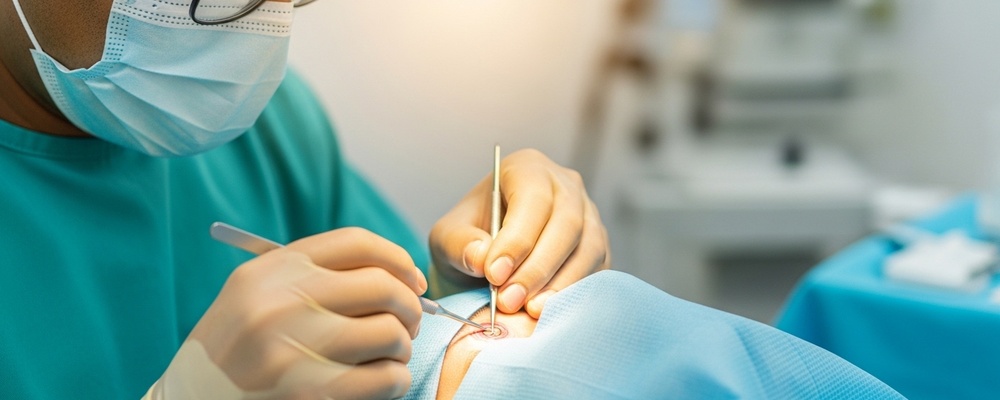
You will be comfortably seated or lying down. Numbing eye drops will be applied to your eye to ensure you feel no pain during the procedure. Your eye will be held open gently with a small instrument to prevent blinking. Using specialized, fine instruments, your ophthalmologist will carefully and precisely remove the infected or dead tissue from the surface of your cornea. This process is meticulous, ensuring only the unhealthy tissue is removed while preserving healthy corneal layers. The entire procedure is quick and generally takes only a few minutes.
3. What to Expect Immediately After the Procedure
After the debridement, your eye might feel a little scratchy or irritated, similar to having an eyelash in it. Your doctor may apply a bandage contact lens or an eye patch to protect the treated area and aid healing. You will receive specific instructions on using prescribed eye drops (antibiotics, anti-inflammatory) to prevent further infection and manage discomfort. Your vision might be temporarily blurry or sensitive to light, so it’s important to rest your eyes and avoid strenuous activities.
POST-OPERATIVE CARE AND TIMELINE
Recovery and Post-Operative Care
- Do’s:
- Follow Eye Drop Schedule: Strictly adhere to your doctor’s prescribed eye drop regimen to prevent infection and reduce inflammation.
- Wear Protective Eyewear: Use sunglasses outdoors to protect your sensitive eyes from bright light and dust.
- Rest Your Eyes: Avoid reading, screen time, and any activities that strain your eyes for the first few days.
- Attend Follow-up Appointments: Crucial for monitoring healing and adjusting treatment.
- Don’ts:
- Do Not Rub Your Eyes: This can dislodge the healing tissue or introduce new infection.
- Avoid Water Contamination: Do not swim, use hot tubs, or get tap water directly into your eyes for at least a week.
- No Eye Makeup or Contact Lenses: Avoid these until your doctor gives clearance.
- Avoid Strenuous Activity: Refrain from heavy lifting or intense exercise for the initial recovery period.
- Recovery Timeline:
- Day 1: You may experience mild discomfort, tearing, and light sensitivity. Vision might be blurry. Keep your eye protected and use prescribed drops.
- Week 1: Discomfort should significantly decrease. Your vision will gradually improve as the cornea heals. Continue with eye drops and avoid irritants. Your doctor will likely remove any bandage contact lens.
- Month 1: The corneal surface should be largely healed, and vision should be much clearer. Your doctor will assess the complete healing and may adjust or discontinue eye drops. Full recovery from the infection may take longer, depending on its severity.
COST AND INSURANCE COVERAGE IN HYDERABAD
Cost of Therapeutic Debridement for Infectious Keratitis in Hyderabad & Insurance Options
- Estimated Local Investment: ₹3000 – ₹10000
- Cost Determinants:
- The specific type and severity of the keratitis (infection)
- The need for additional diagnostic tests (e.g., corneal scrapings for culture)
- The type of anesthesia used (topical vs. local injection, though usually topical for this)
- The facility where the procedure is performed (e.g., clinic vs. hospital setting)
- Post-operative medications and follow-up consultations
- Insurance Protocol:
Therapeutic Debridement for Infectious Keratitis is generally considered a medical necessity as it treats a serious eye infection that can lead to vision loss if left untreated. Therefore, it is typically covered by major TPA networks and health insurance schemes in India. However, it is always advisable to verify your specific policy details and coverage with your insurance provider or the hospital’s billing department prior to the procedure to understand any deductibles, co-pays, or pre-authorization requirements.
FREQUENTLY ASKED QUESTIONS
Frequently Asked Questions About Therapeutic Debridement for Infectious Keratitis
- Q: Is Therapeutic Debridement painful?
- A: No, numbing eye drops are used to ensure you feel no pain during the procedure. You might experience mild discomfort or a scratchy sensation afterward.
- Q: How long does it take to recover from Therapeutic Debridement?
- A: Initial recovery, with reduced discomfort and improving vision, typically takes 24-48 hours. Full corneal surface healing usually occurs within a week, though complete resolution of the infection may take longer.
- Q: Can the infection return after debridement?
- A: While debridement helps remove infected tissue, the underlying infection needs continued treatment with eye drops. Following your doctor’s instructions carefully is crucial to prevent recurrence.
- Q: Are there any risks associated with this procedure?
- A: Therapeutic Debridement is generally safe. Potential, though rare, risks include delayed healing, persistent infection, or scarring. Your doctor will discuss these with you.
DISCLAIMER
Disclaimer: This content is curated using artificial intelligence and may contain inaccuracies. It is provided for informational and educational purposes only and should not be considered professional medical advice. Please consult your ophthalmologist for personalized clinical care. The prices listed in this article are indicative only and may vary based on the patient’s specific condition, procedural techniques, surgical complexity, and materials used. We strongly advise discussing actual costs directly with your healthcare provider.