
Superficial Keratectomy (Manual or Diamond Burr) in Hyderabad: Cost, Procedure & Recovery
Superficial Keratectomy is a gentle eye procedure designed to remove damaged or irregular cells from the very front surface of your eye, called the cornea. This helps to smooth the eye’s surface, improving vision and reducing discomfort caused by various corneal conditions. It’s a common way to rehabilitate the eye’s surface for better health and clearer sight.
QUICK FACTS
- Procedure Duration: 15-30 minutes per eye
- Anesthesia Type: Topical numbing eye drops
- Recovery Time: Initial healing 24-48 hours; full surface healing several weeks
- Hospital Stay: Daycare / No overnight admission required
UNDERSTANDING THE BASICS
What is Superficial Keratectomy (Manual or Diamond Burr)?
Your eye’s outermost layer, the cornea, is a clear, dome-shaped window that helps focus light. Sometimes, this delicate surface can become rough, scarred, or develop loose cells due to injury, infection, or certain eye conditions. Superficial Keratectomy is a precise procedure that carefully removes these damaged or irregular surface cells from the cornea. Think of it like gently polishing a cloudy window pane to make it clear again. This intervention aims to create a smoother, healthier corneal surface, which can significantly improve vision and reduce irritation. It can be performed manually with a specialized blade or using a fine, rotating diamond burr tool for very precise smoothing.
CONDITIONS AND SYMPTOMS
Why is Superficial Keratectomy (Manual or Diamond Burr) performed?
This procedure is performed to treat conditions affecting the very front layer of your cornea, restoring its smooth surface and improving your eye comfort and vision.
Eye Conditions Treated
- Recurrent Corneal Erosion: A condition where the outermost layer of the cornea repeatedly peels off, causing sudden, sharp pain.
- Corneal Scars: Superficial scars on the cornea resulting from injuries, infections, or previous surgeries that affect vision.
- Epithelial Basement Membrane Dystrophy (EBMD): A genetic condition causing abnormal cell growth on the corneal surface, leading to erosions.
- Band Keratopathy: Calcium deposits on the cornea that can cause irritation and vision loss.
- Irregular Astigmatism: When the corneal surface is uneven, causing distorted or blurry vision, often due to surface irregularities.
Symptoms You Might Be Experiencing
- Blurry or Hazy Vision: Your vision may appear cloudy or less sharp, especially in certain lighting.
- Eye Pain or Discomfort: You might feel a persistent foreign body sensation, like grit or sand in your eye.
- Light Sensitivity (Photophobia): Bright lights may cause discomfort or pain.
- Redness and Tearing: Your eye might frequently appear red or water excessively.
- Fluctuating Vision: Your vision might change throughout the day, sometimes being clearer and other times more blurry.
SURGICAL JOURNEY STEP-BY-STEP
How is the Superficial Keratectomy (Manual or Diamond Burr) Procedure Performed?
1. How to Prepare Before the Procedure
Before your Superficial Keratectomy, your ophthalmologist will conduct a thorough eye examination and diagnostic tests to assess your corneal health. You might be asked to stop wearing contact lenses for a period before the surgery. It’s crucial to inform your doctor about all medications you are taking. On the day of the procedure, avoid eye makeup, lotions, or perfumes. Arrange for someone to drive you home, as your vision will be blurry immediately afterward.
2. What Happens During the Procedure?
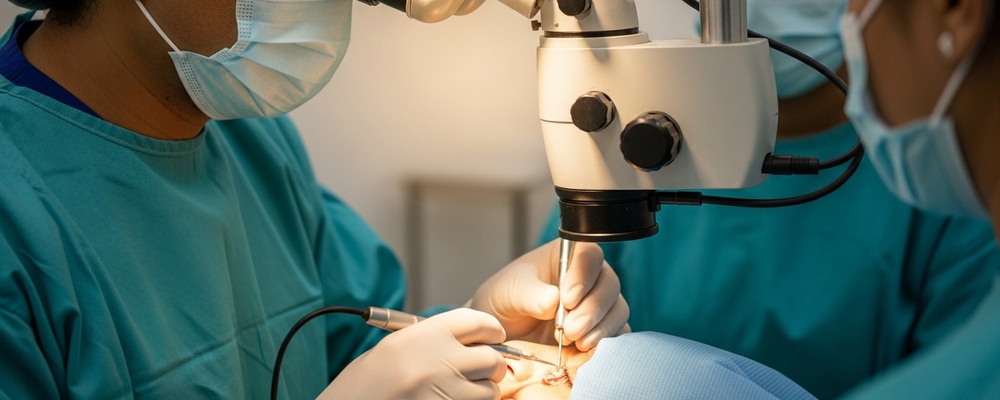
The procedure is typically performed in an outpatient setting. First, numbing eye drops will be applied to ensure your eye is completely comfortable and pain-free. Your eye will be gently held open with a small instrument to prevent blinking. Using either a specialized manual blade or a fine, rotating diamond burr, your surgeon will carefully and precisely remove the damaged or irregular cells from the surface of your cornea. This process is meticulous, aiming to create a smooth and healthy new surface. Throughout the procedure, you will be awake but will not feel any pain, only perhaps a light pressure.
3. What to Expect Immediately After the Procedure
Immediately after the Superficial Keratectomy, a protective bandage contact lens may be placed on your eye to aid healing and reduce discomfort. Your vision will likely be blurry, and you might experience mild irritation, light sensitivity, or a foreign body sensation, similar to having an eyelash in your eye. You will rest in a recovery area for a short period. Your doctor will provide specific instructions for eye drops (antibiotic and anti-inflammatory) and advise you to wear protective eyewear, such as sunglasses, when outdoors. You will be discharged the same day.
POST-OPERATIVE CARE AND TIMELINE
Recovery and Post-Operative Care
Proper post-operative care is vital for a smooth recovery and optimal results. Your doctor will provide detailed instructions, but here’s a general guide:
Do’s:
- Use prescribed eye drops diligently as instructed to prevent infection and reduce inflammation.
- Wear protective eyewear (like sunglasses) outdoors to shield your eyes from bright light and dust.
- Rest your eyes frequently and avoid strenuous activities for the first few days.
- Attend all follow-up appointments with your ophthalmologist.
Don’ts:
- Do not rub or touch your eyes, as this can dislodge the healing surface or introduce infection.
- Avoid swimming, hot tubs, or saunas for at least a few weeks to prevent infection.
- Do not wear contact lenses until your doctor advises it’s safe.
- Avoid eye makeup for at least one to two weeks.
Recovery Timeline:
- Day 1: You may experience blurry vision, mild pain, and light sensitivity. The bandage contact lens (if used) helps with comfort. You’ll use prescribed eye drops.
- Week 1: Your vision will gradually start to improve as the corneal surface begins to heal. The bandage contact lens is usually removed by your doctor during a follow-up visit. Continue using eye drops.
- Month 1: The corneal surface should be largely healed, and your vision will stabilize. You’ll continue with follow-up visits to monitor your progress and ensure long-term success. Full visual recovery can take several weeks to months as the new corneal cells mature.
COST AND INSURANCE COVERAGE IN HYDERABAD
Cost of Superficial Keratectomy (Manual or Diamond Burr) in Hyderabad & Insurance Options
- Estimated Local Investment: ₹15000 – ₹30000
- Cost Determinants: The final cost of Superficial Keratectomy can vary based on several factors. These include the specific hospital or clinic chosen, the experience and fees of the operating surgeon, the complexity of your corneal condition, whether one or both eyes require treatment, and the type of technique used (manual versus diamond burr). Post-operative medications and follow-up consultations may also contribute to the overall expense.
- Insurance Protocol: Superficial Keratectomy is generally considered a therapeutic procedure for a medical necessity, as it addresses specific eye conditions that cause pain, discomfort, or vision impairment. Therefore, it is often covered by major health insurance providers and Third-Party Administrator (TPA) networks. However, it is always advisable to verify your specific policy details and coverage limits directly with your insurance provider before the procedure to understand any deductibles, co-pays, or pre-authorization requirements.
FREQUENTLY ASKED QUESTIONS
Frequently Asked Questions About Superficial Keratectomy (Manual or Diamond Burr)
Q: Is Superficial Keratectomy a painful procedure?
A: No, the procedure itself is not painful. Numbing eye drops are used to completely anesthetize your eye, so you will not feel any pain during the surgery. You might experience mild discomfort or a foreign body sensation during the initial recovery period.
Q: How long does it take to recover fully from Superficial Keratectomy?
A: Initial healing of the corneal surface typically occurs within 24-48 hours. However, full visual recovery and complete maturation of the new corneal cells can take several weeks to a few months, depending on the individual and the extent of the procedure.
Q: What causes the conditions that require Superficial Keratectomy?
A: Conditions like recurrent corneal erosion or corneal scars can be caused by eye injuries, infections, genetic predispositions (like Epithelial Basement Membrane Dystrophy), or previous eye surgeries.
Q: Will my vision be perfect after Superficial Keratectomy?
A: The goal of Superficial Keratectomy is to improve your vision and reduce discomfort by creating a smoother, healthier corneal surface. While many patients experience significant visual improvement, the extent of recovery depends on the underlying condition and individual healing.
DISCLAIMER
Disclaimer: This content is curated using artificial intelligence and may contain inaccuracies. It is provided for informational and educational purposes only and should not be considered professional medical advice. Please consult your ophthalmologist for personalized clinical care. The prices listed in this article are indicative only and may vary based on the patient’s specific condition, procedural techniques, surgical complexity, and materials used. We strongly advise discussing actual costs directly with your healthcare provider.