
Corneal / Scleral Patch Grafting in Hyderabad: Cost, Procedure & Recovery
Corneal / Scleral Patch Grafting is a specialized eye surgery designed to repair severe damage to the cornea (the clear front part of your eye) or the sclera (the white outer layer). This procedure helps restore the eye’s structural integrity, protect it from further harm, and preserve your vision, especially after trauma or infection.
QUICK FACTS
- Procedure Duration: 45-90 minutes
- Anesthesia Type: Local Anesthesia with Sedation / General Anesthesia (depending on complexity)
- Recovery Time: Initial comfort in 24-48 hours; full stabilization over several weeks
- Hospital Stay: Daycare / Overnight stay may be required for complex cases
UNDERSTANDING THE BASICS
What is Corneal / Scleral Patch Grafting?
Imagine your eye as a delicate camera. The cornea is the clear ‘lens’ at the very front, letting light in, and the sclera is the tough, white ‘outer casing’ that protects the camera’s internal parts. Sometimes, due to injury, infection, or disease, these vital outer layers can become severely damaged, thin, or even develop a hole.
Corneal / Scleral Patch Grafting is a surgical procedure where a small piece of healthy donor tissue (either corneal or scleral tissue) is carefully stitched onto the damaged area. This ‘patch’ acts like a strong repair kit, reinforcing the weakened spot, closing any openings, and restoring the eye’s natural protective barrier. It’s crucial for preventing further damage and preserving the eye’s structure and function.
CONDITIONS AND SYMPTOMS
Why is Corneal / Scleral Patch Grafting performed?
Eye Conditions Treated
- Severe corneal ulcers or infections that have thinned or perforated the cornea.
- Traumatic injuries to the eye, such as lacerations or ruptures of the cornea or sclera.
- Corneal melting or thinning disorders that threaten the eye’s integrity.
- Repairing complications from previous eye surgeries.
- Protecting the eye from exposure in cases of severe dry eye or eyelid problems.
Symptoms You Might Be Experiencing
- Severe eye pain or discomfort that doesn’t improve.
- Sudden, significant decrease in vision or blurry vision.
- A feeling of something constantly in your eye (foreign body sensation).
- Redness and inflammation in the eye that worsens.
- Discharge from the eye.
- Sensitivity to light (photophobia).
- In severe cases, visible changes to the shape or integrity of the eye.
SURGICAL JOURNEY STEP-BY-STEP
How is the Corneal / Scleral Patch Grafting Procedure Performed?
1. How to Prepare Before the Procedure
- Comprehensive Eye Exam: Your ophthalmologist will conduct a thorough examination, including imaging tests, to assess the extent of damage and plan the graft.
- Medical Clearance: You may need to undergo general health checks and blood tests to ensure you are fit for surgery, especially if general anesthesia is considered.
- Medication Review: Discuss all your current medications, including over-the-counter drugs and supplements, with your doctor. You might need to stop certain blood thinners before surgery.
- Fasting: You will typically be asked to fast (no food or drink) for several hours before the procedure, especially if sedation or general anesthesia is planned.
- Arrange for Transport: You will not be able to drive yourself home after the procedure, so arrange for a friend or family member to pick you up.
2. What Happens During the Procedure?
Once you arrive at the hospital, you’ll be prepped for surgery. Depending on your case, you’ll receive either local anesthesia (numbing your eye and surrounding area) with sedation to help you relax, or general anesthesia (putting you completely to sleep).
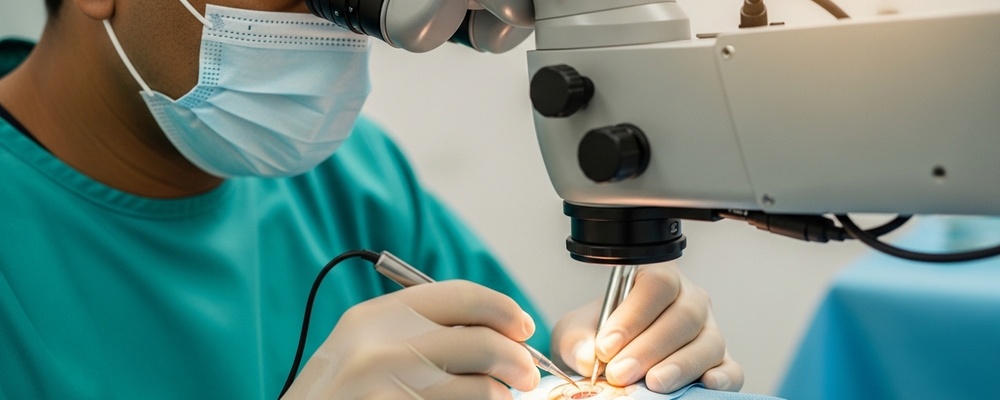
The surgeon will carefully clean and drape the area around your eye, ensuring a sterile environment. Using a high-powered surgical microscope for extreme precision, the damaged corneal or scleral tissue will be carefully prepared. A precisely sized piece of healthy donor tissue, which has been rigorously screened for safety, will then be meticulously placed over the damaged area. The surgeon will use very fine sutures (stitches) to secure the patch graft firmly in place, ensuring a tight, protective seal. The goal is to restore the eye’s structural integrity and prevent further complications. You will not feel any pain during the procedure.
3. What to Expect Immediately After the Procedure
After the procedure, you’ll spend some time in a recovery area while the anesthesia wears off. Your eye will likely be covered with a protective shield or patch to prevent accidental rubbing or injury.
You might experience some mild discomfort, redness, or a gritty sensation in your eye, which can be managed with prescribed pain relief. Your vision may be blurry or hazy immediately after surgery, which is normal and will gradually improve.
Before discharge, your doctor will provide detailed instructions on eye drop usage, activity restrictions, and follow-up appointments. It’s crucial to follow these instructions carefully to ensure proper healing.
POST-OPERATIVE CARE AND TIMELINE
Recovery and Post-Operative Care
- Do’s:
- Use all prescribed eye drops exactly as directed to prevent infection and control inflammation.
- Wear your protective eye shield, especially while sleeping, for the recommended period.
- Attend all follow-up appointments with your ophthalmologist.
- Keep your eye clean and avoid touching or rubbing it.
- Rest adequately and avoid strenuous activities.
- Don’ts:
- Do not rub or press on your operated eye.
- Do not swim or use hot tubs for several weeks.
- Avoid heavy lifting or bending over, which can increase eye pressure.
- Do not apply eye makeup until your doctor gives approval.
- Avoid dusty or smoky environments.
- Day 1: You’ll likely have your first follow-up appointment. Expect some discomfort, redness, and blurry vision. The protective shield will remain in place.
- Week 1: Your vision may start to stabilize slightly, though it will still be blurry. You’ll continue with eye drops. Stitches may still be present. Swelling and redness should begin to subside.
- Month 1: Significant healing will have occurred. Your doctor will assess the graft’s integration and may start to remove some sutures if necessary. Vision will continue to improve, but full visual recovery can take several months. You’ll gradually be able to resume more normal activities as advised by your doctor.
COST AND INSURANCE COVERAGE IN HYDERABAD
Cost of Corneal / Scleral Patch Grafting in Hyderabad & Insurance Options
- Estimated Local Investment: ₹3000 – ₹10000
- Cost Determinants: The final cost of Corneal / Scleral Patch Grafting can vary based on several factors:
- Severity of Damage: More complex or extensive damage requiring larger grafts or more intricate surgical techniques may increase the cost.
- Type of Anesthesia: General anesthesia typically adds to the overall cost compared to local anesthesia with sedation.
- Hospital Choice: The facility where the surgery is performed (e.g., a super-specialty hospital versus a smaller clinic) can influence pricing.
- Surgeon’s Fees: The experience and reputation of the ophthalmologist can affect the consultation and surgical fees.
- Post-Operative Care: The cost of follow-up visits, prescribed medications, and any additional treatments during recovery.
- Donor Tissue Procurement: The cost associated with obtaining and processing the donor corneal or scleral tissue.
- Insurance Protocol: Corneal / Scleral Patch Grafting is generally considered a therapeutic procedure and a medical necessity to preserve eye health and vision, especially in cases of trauma, severe infection, or structural compromise. As such, it is typically covered by major TPA (Third-Party Administrator) networks and most health insurance schemes in India. However, the extent of coverage can vary based on your specific policy terms, sum insured, and any deductibles or co-payments. It is highly recommended to contact your insurance provider directly and the hospital’s billing department well in advance to understand your coverage details, pre-authorization requirements, and out-of-pocket expenses.
FREQUENTLY ASKED QUESTIONS
Frequently Asked Questions About Corneal / Scleral Patch Grafting
- Q: Is Corneal / Scleral Patch Grafting painful?
- A: No, the procedure is performed under local or general anesthesia, so you will not feel any pain during the surgery. Mild discomfort can be managed with medication during recovery.
- Q: How long does it take to recover full vision after the graft?
- A: While initial healing occurs in weeks, full visual stabilization and recovery can take several months, depending on the individual case and the extent of the original damage.
- Q: What are the risks associated with this procedure?
- A: As with any surgery, risks include infection, bleeding, graft rejection, glaucoma, or further vision changes. Your surgeon will discuss these thoroughly.
- Q: Will I need to take special precautions long-term?
- A: You’ll need regular follow-ups and should always protect your eyes from injury. Your doctor will advise on specific long-term care based on your individual healing.
DISCLAIMER
Disclaimer: This content is curated using artificial intelligence and may contain inaccuracies. It is provided for informational and educational purposes only and should not be considered professional medical advice. Please consult your ophthalmologist for personalized clinical care. The prices listed in this article are indicative only and may vary based on the patient’s specific condition, procedural techniques, surgical complexity, and materials used. We strongly advise discussing actual costs directly with your healthcare provider.