
Brow Lift Surgery in Hyderabad: Cost, Procedure & Recovery
Brow Lift Surgery is a cosmetic procedure designed to raise sagging eyebrows and smooth out forehead wrinkles, giving you a more youthful and alert appearance. It helps to refresh the upper face by lifting the skin and underlying tissues of the forehead and brow.
QUICK FACTS
- Procedure Duration: 1-2 hours
- Anesthesia Type: Local Anesthesia with Sedation
- Recovery Time: 1-2 weeks for initial recovery
- Hospital Stay: Daycare / No overnight admission required
UNDERSTANDING THE BASICS
What is Brow Lift Surgery?
Brow Lift Surgery, also known as a forehead lift, is a procedure that addresses the skin and muscles of your forehead and the area just above your eyes. Imagine your eyebrows as a curtain over your eyes; over time, this “curtain” can start to sag, making you look tired or even angry. A brow lift gently raises these sagging eyebrows, smooths out deep lines across your forehead, and reduces frown lines between your brows. The goal is to restore a more refreshed, open, and youthful look to your upper face, without changing your natural expression.
CONDITIONS AND SYMPTOMS
Why is Brow Lift Surgery performed?
Eye Conditions Treated
- Sagging Eyebrows (Brow Ptosis): When the eyebrows droop, often making the upper eyelids appear heavier.
- Deep Forehead Wrinkles: Horizontal lines across the forehead that can make you look older or worried.
- Frown Lines (Glabellar Lines): Vertical lines that develop between the eyebrows, often giving an angry or stern expression.
- Tired or Angry Appearance: When the natural position of the brows creates an unintended expression of fatigue or displeasure.
Symptoms You Might Be Experiencing
- You constantly look tired, sad, or angry, even when you’re not.
- Your eyebrows feel heavy or seem to weigh down your upper eyelids.
- You find it difficult to apply eye makeup because of excess skin above your eyes.
- You notice deep horizontal lines across your forehead or vertical lines between your eyebrows.
- You subconsciously raise your eyebrows to see better, leading to forehead muscle strain.
SURGICAL JOURNEY STEP-BY-STEP
How is the Brow Lift Surgery Procedure Performed?
1. How to Prepare Before the Procedure
Before your brow lift, you’ll have a thorough consultation with your surgeon to discuss your goals and medical history. You might undergo diagnostic checks like blood tests or an EKG. It’s crucial to stop smoking several weeks before surgery, avoid certain medications like aspirin or blood thinners, and arrange for someone to drive you home after the procedure. Your surgeon will provide specific instructions regarding fasting from food and drink before your surgery.
2. What Happens During the Procedure?
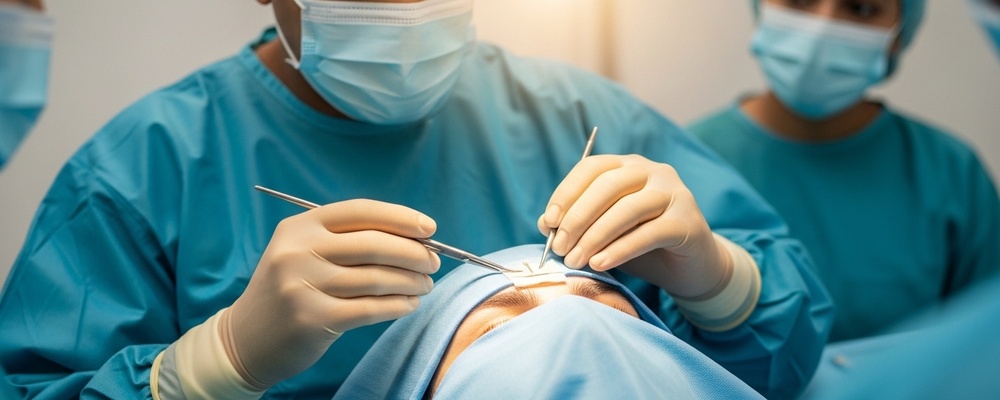
On the day of your surgery, you’ll be made comfortable in the operating room. You’ll receive local anesthesia with sedation, meaning the area will be numb, and you’ll be very relaxed or lightly asleep. The surgeon will then make small, discreet incisions, often within the hairline or just above the brow, depending on the technique chosen (e.g., endoscopic brow lift uses tiny incisions and a camera). Through these incisions, the surgeon carefully lifts and repositions the skin and underlying tissues, removing any excess skin if necessary, to achieve a smoother, elevated brow line. Pain minimization is a priority throughout, ensuring your comfort.
3. What to Expect Immediately After the Procedure
After your brow lift, you’ll spend a short time in a post-anesthesia recovery lounge. You might experience some mild discomfort, swelling, and bruising around your forehead and eyes, which is normal. Your surgeon may apply a light dressing or bandage to help minimize swelling. You’ll receive instructions on how to care for the incision sites and manage any discomfort. While your vision won’t be directly affected, you might experience some temporary blurriness from ointments or swelling. You’ll be discharged the same day, but it’s essential to have someone accompany you home.
POST-OPERATIVE CARE AND TIMELINE
Recovery and Post-Operative Care
Your recovery from Brow Lift Surgery involves careful adherence to your surgeon’s instructions to ensure the best results.
Do’s:
- Keep your head elevated: Use extra pillows when sleeping for the first few days to reduce swelling.
- Apply cold compresses: Gently apply ice packs to the forehead and eye area to minimize swelling and bruising.
- Take prescribed medication: Follow your doctor’s instructions for pain relief and any antibiotics.
- Attend follow-up appointments: These are crucial for monitoring your healing progress.
Don’ts:
- Avoid strenuous activities: Refrain from heavy lifting, bending, or intense exercise for several weeks.
- Don’t rub or put pressure on your forehead: Be gentle with the treated area.
- Avoid direct sun exposure: Protect your incisions from the sun to prevent scarring.
- Do not wear makeup on incisions: Until cleared by your surgeon.
Recovery Timeline:
- Day 1: You’ll experience swelling and bruising. Keep your head elevated and use cold compresses. You might feel some tightness or mild discomfort.
- Week 1: Swelling and bruising will start to subside significantly. Stitches or staples (if any) are typically removed towards the end of this week. You can usually return to light, non-strenuous activities.
- Month 1: Most of the swelling and bruising will have resolved, and you’ll begin to see the more refined results of your brow lift. You can gradually resume most normal activities, including light exercise, as advised by your surgeon. Full healing and final results can take several months.
COST AND INSURANCE COVERAGE IN HYDERABAD
Cost of Brow Lift Surgery in Hyderabad & Insurance Options
- Estimated Local Investment: ₹35000 – ₹80000
- Cost Determinants: The final cost of Brow Lift Surgery in Hyderabad can vary based on several factors. These include the surgeon’s experience and reputation, the specific type of brow lift technique used (e.g., endoscopic brow lift, coronal brow lift, temporal brow lift), the type of anesthesia administered, facility fees, and the complexity of your individual case. Pre-operative consultations and post-operative care also contribute to the overall expense.
- Insurance Protocol: Brow Lift Surgery is primarily considered an elective cosmetic procedure aimed at improving appearance. As such, it is generally not covered by major TPA networks or standard health insurance schemes. Patients typically need to cover the cost out-of-pocket. In rare instances where sagging brows significantly impair vision, it might be deemed a “Medical Necessity,” but this requires thorough documentation and pre-authorization from your insurance provider. It is crucial to verify coverage directly with your insurance company and discuss payment options with your healthcare provider.
FREQUENTLY ASKED QUESTIONS
Frequently Asked Questions About Brow Lift Surgery
Q: Is Brow Lift Surgery painful?
A: During the procedure, you won’t feel pain due to anesthesia. Afterward, you might experience mild discomfort, tightness, or soreness, which can be managed with prescribed pain medication.
Q: How long do the results of a brow lift last?
A: The results of a brow lift are generally long-lasting, often for 10-15 years or more. While the aging process continues, the lifted position of the brow is significantly improved.
Q: What are the risks associated with Brow Lift Surgery?
A: As with any surgery, risks include infection, bleeding, scarring, temporary numbness, and asymmetry. Your surgeon will discuss all potential risks during your consultation.
Q: When can I return to normal activities after a brow lift?
A: Most patients can return to light, non-strenuous activities within 1-2 weeks. Strenuous exercise and heavy lifting should be avoided for at least 4-6 weeks, or as advised by your surgeon.
DISCLAIMER
Disclaimer: This content is curated using artificial intelligence and may contain inaccuracies. It is provided for informational and educational purposes only and should not be considered professional medical advice. Please consult your ophthalmologist for personalized clinical care. The prices listed in this article are indicative only and may vary based on the patient’s specific condition, procedural techniques, surgical complexity, and materials used. We strongly advise discussing actual costs directly with your healthcare provider.