
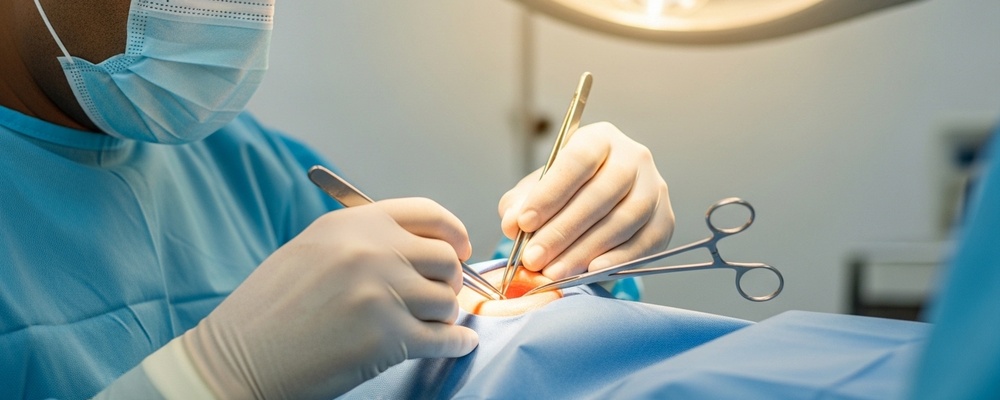
Socket Reconstruction Surgery (with Dermis-Fat Grafting or Mucous Membrane Grafting) in Hyderabad: Cost, Procedure & Recovery
Socket Reconstruction Surgery is a specialized procedure designed to rebuild or repair the eye socket, often after an eye has been removed or due to trauma. This surgery helps create a stable and natural-looking base for a prosthetic eye or to improve the overall appearance and comfort of the orbital area. It often involves using your own tissue, like a dermis-fat graft, or a mucous membrane graft to achieve the best results.
QUICK FACTS
- Procedure Duration: 1-3 hours
- Anesthesia Type: General Anesthesia
- Recovery Time: Several weeks for initial healing, months for full integration
- Hospital Stay: 1-2 days
UNDERSTANDING THE BASICS
What is Socket Reconstruction Surgery (with Dermis-Fat Grafting or Mucous Membrane Grafting)?
Imagine your eye socket as the comfortable ‘home’ or ‘nest’ where your eyeball sits. Sometimes, due to injury, disease, or after an eye has been removed, this ‘home’ can become damaged, shrunken, or irregular. Socket Reconstruction Surgery is like a specialized renovation project for this eye socket. It involves carefully rebuilding the socket’s shape and volume to create a smooth, healthy surface. This is often done using a ‘dermis-fat graft’ (a small piece of skin and fat from your own body, usually from your hip) or a ‘mucous membrane graft’ (a thin tissue similar to the lining inside your mouth). These grafts help to fill in hollow areas, provide cushioning, and create a better foundation, especially if you need to wear a prosthetic eye, ensuring it fits comfortably and looks natural.
CONDITIONS AND SYMPTOMS
Why is Socket Reconstruction Surgery (with Dermis-Fat Grafting or Mucous Membrane Grafting) performed?
Eye Conditions Treated
- Anophthalmic socket (socket after eye removal)
- Contracted socket (shrunken or scarred socket)
- Traumatic injury to the eye socket
- Congenital malformations of the orbit
- Preparation for prosthetic eye fitting
- Exposure of orbital implants
Symptoms You Might Be Experiencing
- Difficulty wearing or retaining a prosthetic eye
- Sunken or hollow appearance around the eye
- Discomfort or irritation in the eye socket
- Discharge or infection in the socket
- Eyelid abnormalities (e.g., drooping, turning in/out) due to socket issues
- Cosmetic concerns about the appearance of the eye area
SURGICAL JOURNEY STEP-BY-STEP
How is the Socket Reconstruction Surgery (with Dermis-Fat Grafting or Mucous Membrane Grafting) Procedure Performed?
1. How to Prepare Before the Procedure
- Undergo a comprehensive eye examination and medical history review.
- Complete necessary blood tests, ECG, and other pre-operative medical clearances.
- Discuss with your surgeon the specific graft material (dermis-fat or mucous membrane) and its donor site.
- Stop certain medications (especially blood thinners) as advised by your doctor.
- Arrange for someone to drive you home and assist you during the initial recovery period.
- Follow fasting instructions, typically avoiding food or drink after midnight, before surgery.
2. What Happens During the Procedure?
- You will be given general anesthesia, ensuring you are completely asleep and feel no pain throughout the surgery.
- The surgeon will carefully prepare the eye socket, removing any scar tissue or irregularities to create a suitable bed for the graft.
- If a dermis-fat graft is used, a small piece of tissue will be gently harvested from a discreet area of your body (e.g., hip or thigh). If a mucous membrane graft is used, it will be taken from your mouth.
- This graft material is then meticulously shaped and placed into the eye socket to restore volume and create a smooth, healthy lining.
- The surgeon will use fine sutures to secure the graft in place and close any incisions, both in the socket and at the donor site.
- A temporary conformer (a clear plastic shell) may be placed in the socket to help maintain its shape during healing.
3. What to Expect Immediately After the Procedure
- You will wake up in a recovery room, where nurses will monitor you closely as the anesthesia wears off.
- You may experience some mild discomfort, swelling, and bruising around the eye, which can be managed with prescribed pain medication.
- A patch or dressing will likely be placed over your eye to protect it and minimize swelling.
- Your vision in the treated eye (if applicable) will be blurry or obscured due to the dressing and swelling.
- You will receive specific instructions on how to care for your eye and any donor sites before being discharged.
POST-OPERATIVE CARE AND TIMELINE
Recovery and Post-Operative Care
- Do’s:
- Take all prescribed medications (antibiotics, pain relievers) exactly as directed.
- Keep the surgical area clean and dry.
- Apply cold compresses to reduce swelling for the first 48 hours.
- Rest with your head elevated to minimize swelling.
- Attend all scheduled follow-up appointments with your surgeon.
- Don’ts:
- Do not rub or put pressure on the operated eye.
- Avoid strenuous activities, heavy lifting, and bending over for several weeks.
- Do not wear eye makeup until cleared by your surgeon.
- Avoid swimming or hot tubs to prevent infection.
- Do not ignore any signs of infection (increased pain, redness, discharge).
- Day 1: Expect significant swelling and bruising around the eye. You will likely have a dressing over your eye. Pain medication will help manage any discomfort.
- Week 1: Swelling and bruising will begin to subside. Your surgeon will likely remove the eye patch and may check the conformer. Stitches might be removed or dissolve on their own. You can gradually resume light, non-strenuous activities.
- Month 1: Most of the initial swelling should have resolved, and the socket will be healing well. You may be able to start discussing the fitting of a prosthetic eye if applicable. While cosmetic improvement will be noticeable, full integration of the graft takes longer.
COST AND INSURANCE COVERAGE IN HYDERABAD
Cost of Socket Reconstruction Surgery (with Dermis-Fat Grafting or Mucous Membrane Grafting) in Hyderabad & Insurance Options
- Estimated Local Investment: ₹50000 – ₹95000
- Cost Determinants:
- Complexity of the socket damage and the extent of reconstruction required.
- Type of graft material used (dermis-fat vs. mucous membrane) and the need for a separate donor site procedure.
- Surgeon’s fees, which can vary based on their experience and expertise.
- Hospital charges, including operating room time, anesthesia, and length of hospital stay.
- Pre-operative diagnostic tests and post-operative medications.
- Need for any additional procedures or revisions.
- Insurance Protocol: Socket Reconstruction Surgery is generally considered a therapeutic ‘Medical Necessity’ when performed due to trauma, disease, or to facilitate the fitting of a prosthetic eye. As such, it is often covered by major TPA networks and health insurance schemes. However, it is crucial to verify your specific policy details with your insurance provider and obtain pre-authorization before the procedure. Any purely cosmetic aspects might require separate verification or out-of-pocket payment.
FREQUENTLY ASKED QUESTIONS
Frequently Asked Questions About Socket Reconstruction Surgery (with Dermis-Fat Grafting or Mucous Membrane Grafting)
Q1: How long does the recovery from socket reconstruction surgery take?
A1: Initial healing takes several weeks, with most swelling subsiding within a month. Full integration of the graft and final cosmetic results can take several months.
Q2: Will I be able to wear a prosthetic eye after this surgery?
A2: Yes, a primary goal of socket reconstruction is often to create a stable and comfortable socket that can successfully retain a prosthetic eye, improving both function and appearance.
Q3: Is socket reconstruction surgery painful?
A3: The surgery is performed under general anesthesia, so you won’t feel pain during the procedure. Post-operative discomfort is managed with prescribed pain medication.
Q4: What are the risks associated with this surgery?
A4: As with any surgery, risks include infection, bleeding, graft failure, swelling, and scarring. Your surgeon will discuss these thoroughly with you.
DISCLAIMER
Disclaimer: This content is curated using artificial intelligence and may contain inaccuracies. It is provided for informational and educational purposes only and should not be considered professional medical advice. Please consult your ophthalmologist for personalized clinical care. The prices listed in this article are indicative only and may vary based on the patient’s specific condition, procedural techniques, surgical complexity, and materials used. We strongly advise discussing actual costs directly with your healthcare provider.