
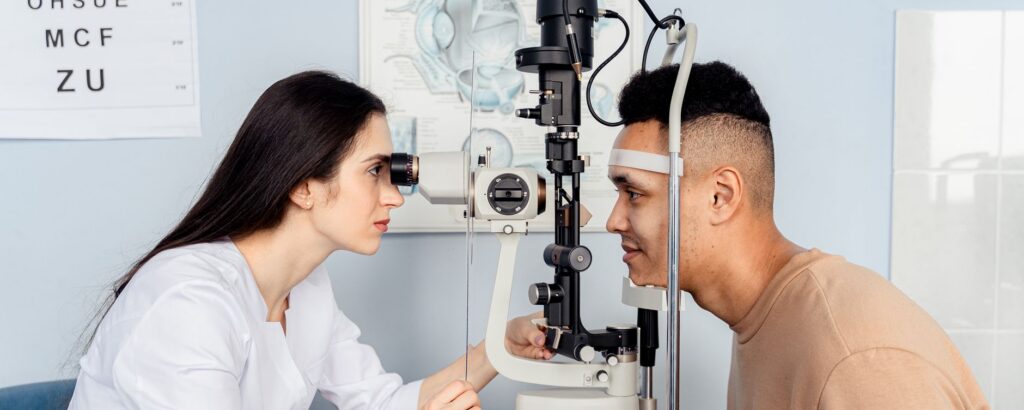
Dry Eye Assessment Test
Please enter your details to start the assessment. This Ocular Surface Disease Index (OSDI) test helps identify the severity of dry eye symptoms.
Understanding the OSDI Dry Eye Assessment Test
The Ocular Surface Disease Index (OSDI) is a clinically validated, 12-item questionnaire developed by the Allergan Outcomes Research Group. It is the gold standard assessment tool used by ophthalmologists and dry eye specialists worldwide to measure the severity of dry eye symptoms, environmental triggers, and visual limitations experienced over the last week.
How Your OSDI Score is Calculated
The OSDI survey evaluates three key areas of your eye health:
- Ocular Symptoms: Sensitivity to light, grittiness, soreness, and blurred or poor vision.
- Visual Function & Limitations: Limitations in daily activities such as reading, night driving, computer work, or watching TV.
- Environmental Triggers: Eye discomfort in windy conditions, low humidity areas, or air-conditioned environments.
The test calculates a final score ranging from 0 to 100 using the following clinical formula:
- OSDI Score = (Sum of all question scores × 25) / (Total number of questions answered)
- Note: Questions that do not apply to your daily routine (e.g., night driving) can be marked as “N/A” and are excluded from the calculation, ensuring your results remain highly accurate.
OSDI Severity Ranges & What They Mean
- Normal (Score 0 – 12): Your tear film is stable, and your eyes are properly lubricated. No clinical treatment is required.
- Mild Dry Eye (Score 13 – 22): You experience occasional dryness, likely triggered by prolonged screen usage or dry environments. Basic lifestyle adjustments and lubricating eye drops can offer relief.
- Moderate Dry Eye (Score 23 – 32): Symptoms are frequent enough to interfere with reading, driving, or screen time. It is highly recommended to seek professional clinical advice.
- Severe Dry Eye (Score 33 – 100): Symptoms are persistent and painful, indicating chronic inflammation or Meibomian Gland Dysfunction (MGD). Immediate consultation with a dry eye specialist is required to prevent corneal damage.
Why You Should Take the Dry Eye Quiz
- Early Intervention: Catching dry eyes early prevents chronic complications such as corneal scarring, tear film damage, and recurring infections.
- Digital Strain Management: If you spend more than 4 hours a day on computer screens, phones, or tablets, this test identifies if your digital eye strain is developing into dry eye disease.
- Custom Treatment Monitoring: Taking this test periodically allows our specialists to track how well your dry eye therapies (like IPL or LipiFlow) are working.
Advanced Dry Eye Treatment in Hyderabad at Pristine Eye Hospitals
At Pristine Eye Hospitals (located in Hitech City, Hyderabad), we host a dedicated Dry Eye Center of Excellence. We provide state-of-the-art diagnostic evaluations—including tear film interferometry, meibography, and tear breakup time (TBUT) tests—to identify the exact cause of your dry eyes.
Our targeted treatments include:
- Meibomian Gland Expression to clear blockages.
- Intense Pulsed Light (IPL) Therapy to treat underlying inflammation.
- Premium Lubricating Regimens customized to your tear chemistry.