
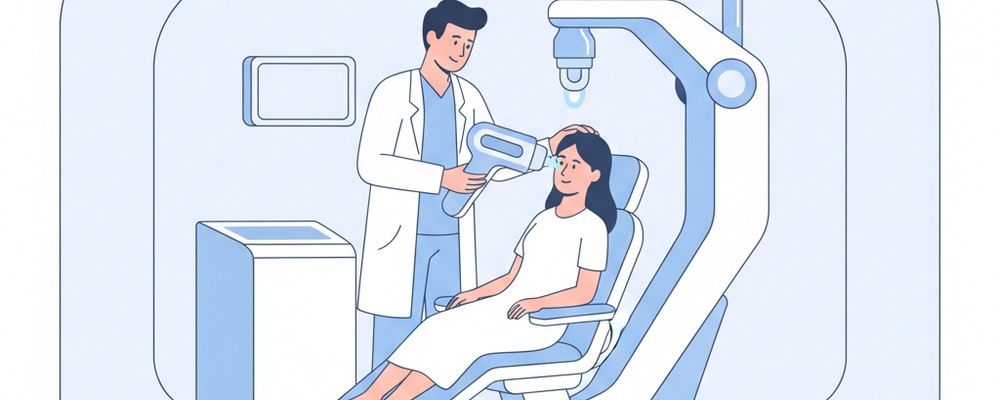
Meibomian gland expression is a simple yet crucial diagnostic test used to evaluate the health of your eyelid glands. This in-office procedure helps our cornea and dry eye specialists in Hyderabad understand the root cause of your symptoms. By assessing the quality of the oil in your tear film, we can create a highly effective, personalized treatment plan.
What is a Meibomian Gland Expression?
Your eyelids are lined with tiny glands called Meibomian glands, which produce an essential oil called meibum. This oil forms the outermost layer of your tear film, preventing tears from evaporating too quickly. A Meibomian gland expression is a manual diagnostic technique where your eye doctor applies gentle, controlled pressure to the eyelid margins. This allows them to observe the quantity and quality of the meibum being secreted, providing a direct view into the functional health of these vital glands.
Why is this test performed?
This test is essential for diagnosing and managing various ocular surface conditions. Key reasons for performing a Meibomian gland expression include:
To diagnose Meibomian Gland Dysfunction (MGD), a leading cause of evaporative dry eye disease.
To determine the severity of gland blockage and inflammation.
To assess why a patient might be experiencing symptoms like burning, grittiness, fluctuating vision, or red eyes.
To monitor the effectiveness of dry eye treatments over time.
How to Prepare for Your Meibomian Gland Expression
Preparation for this test is minimal and straightforward, ensuring a quick and accurate assessment. Your doctor at Pristine Eye Hospitals will provide specific instructions, but general guidelines include:
Avoid Eye Makeup: Please arrive at your appointment without any mascara, eyeliner, or other makeup on or around your eyes.
Remove Contact Lenses: If you wear contact lenses, you will be asked to remove them before the procedure begins.
Discuss Medications: Inform your doctor about any eye drops or medications you are currently using.
The Procedure: What to Expect Step-by-Step
The Meibomian gland expression is a quick and non-invasive test performed in the examination room.
1. You will be seated comfortably at a slit lamp (a microscope for examining the eyes).
2. Your doctor will use a sterile, specialized instrument or their finger to apply gentle, firm pressure along your lower and/or upper eyelid margin.
3. As pressure is applied, the doctor observes the expressed oil through the slit lamp, noting its colour, consistency, and volume.
4. The process takes only a few moments per eye and provides immediate diagnostic information.
Understanding Your Results
The characteristics of the expressed meibum give your doctor critical information about your gland health. Healthy meibum is clear and has the consistency of olive oil, flowing easily from the glands. These results indicate your glands are functioning well to protect your tear film.
If you have Meibomian Gland Dysfunction (MGD), the expression may reveal thick, cloudy, or opaque secretions that resemble toothpaste. In severe cases, no oil may be expressed at all, indicating a complete blockage. These findings confirm that your glands are not producing the quality oil needed to prevent tear evaporation, directly linking to your dry eye symptoms and guiding our specialists at Pristine Eye Hospitals toward the most appropriate treatment.
Frequently Asked Questions
Is the Meibomian gland expression test painful?
Most patients experience a sensation of pressure but not significant pain. Any discomfort is very brief and subsides as soon as the pressure is released.
How long does this diagnostic test take?
The test itself is extremely fast, typically taking less than a minute to perform. It is usually done as part of a comprehensive dry eye evaluation.
Can this procedure also serve as a treatment?
Yes, a more intensive version called “therapeutic expression” is a common treatment for MGD. While the diagnostic test uses minimal pressure to assess the oil, a therapeutic expression uses more force to clear out blockages and restore gland function.