Uvea and Retina

Posterior Uveitis: Causes of Quiet Vision Loss
Blog, Uvea and Retina

Uveitis or Retina Problem? How to Tell Whether Floaters, Blur, or Light Sensitivity Need Urgent Eye Care

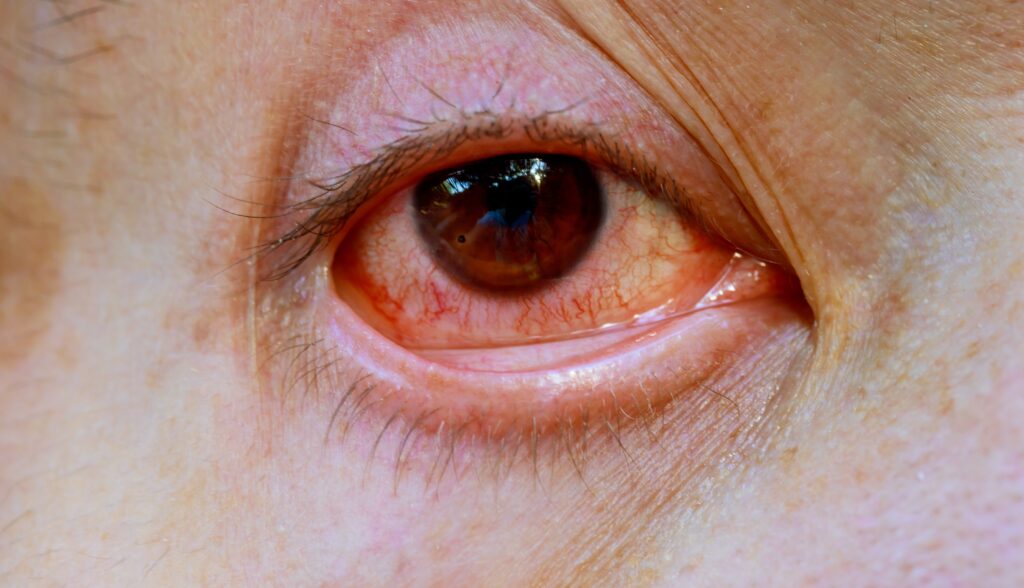
Floaters, blurry vision, halos, and light sensitivity are not always harmless. Sometimes they come from common age-related vitreous changes, but they can also signal uveitis, a retinal tear or detachment, or even a sudden pressure rise from angle-closure glaucoma. A painful red eye is not required for a serious problem. Intermediate or posterior uveitis can

Steroid Implants for Uveitis: Ozurdex vs Yutiq
Blog, Uvea and Retina

Steroid Implants for Uveitis: Ozurdex vs Yutiq Questions Real Patients Ask Before Saying Yes

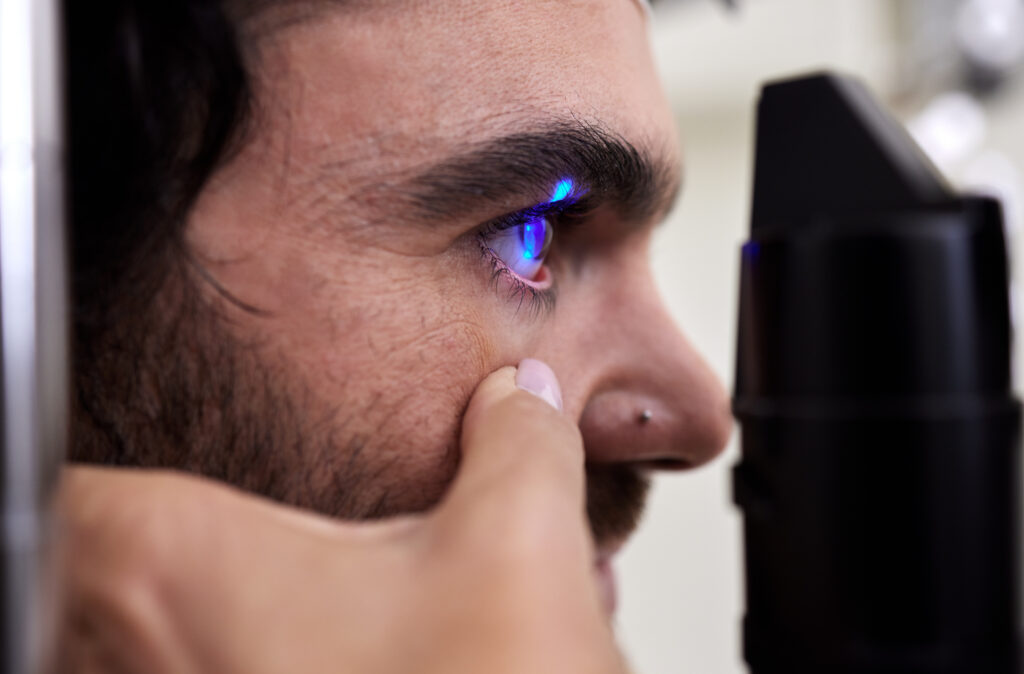
Steroid implants can be very effective for uveitis, but they are not all the same. Ozurdex is a shorter-acting dexamethasone implant often used when doctors want a stronger but temporary effect. Yutiq is a tiny fluocinolone implant designed to release medicine for much longer and reduce repeat flares over time. Both can help control inflammation,

Retinal Vasculitis and Macular Edema Explained
Blog, Uvea and Retina

Retinal Vasculitis and Macular Edema: The Complications Patients Mention Most—and How Treatment Paths Change

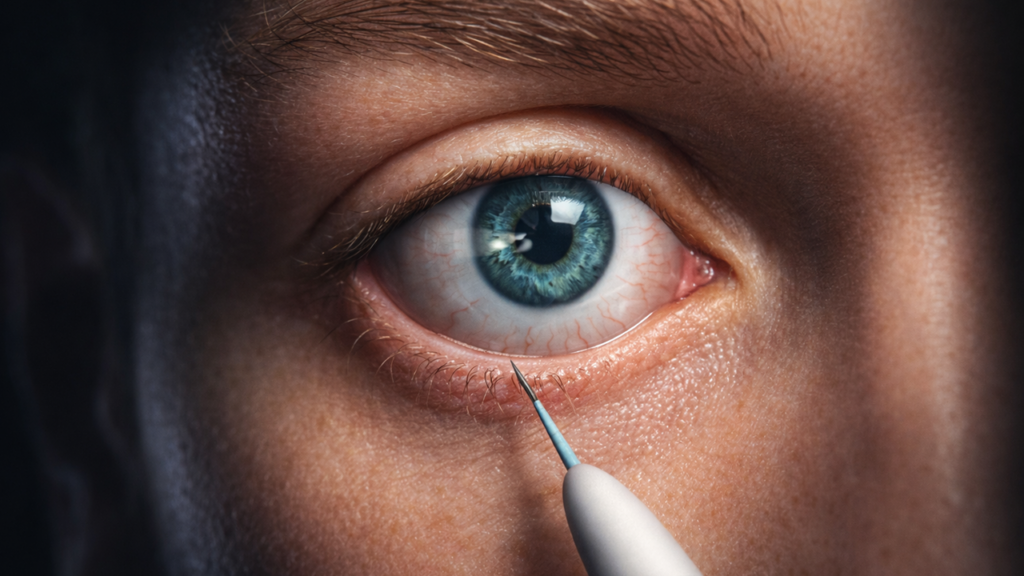
Retinal vasculitis means inflammation affecting the blood vessels of the retina, the light-sensitive tissue at the back of the eye. Patients often worry most when they hear about bleeding, scarring, blocked vessels, or macular edema, because these problems can reduce vision and may change treatment urgency. The key point is that treatment is no longer

Recurring Uveitis: Tests, Causes, and Escalation Care
Blog, Uvea and Retina

Recurring Uveitis With No Clear Cause: What Tests Patients Keep Getting and When Specialists Escalate Care

Recurring uveitis can be exhausting, especially when each flare seems to trigger more blood tests, scans, and specialist visits without a clear answer. That does happen. Many cases are still labeled idiopathic, which means no definite cause has been found yet, not that the symptoms are “in your head.” Specialists usually escalate step by step:

Scroll to Top