
Intense Pulsed Light (IPL) Therapy in Hyderabad: Cost, Procedure & Recovery
Intense Pulsed Light (IPL) Therapy is a gentle, non-invasive treatment designed to bring lasting relief to those suffering from chronic dry eyes, blepharitis, and Meibomian Gland Dysfunction (MGD). This innovative procedure uses targeted light pulses to address the root causes of discomfort, helping your eyes feel refreshed and healthy again.
QUICK FACTS
- Procedure Duration: 10-15 minutes per eye
- Anesthesia Type: Topical numbing cream or gel
- Recovery Time: Immediate to a few hours
- Hospital Stay: Daycare / No overnight admission required
UNDERSTANDING THE BASICS
What is Intense Pulsed Light (IPL) Therapy?
Your eyes have tiny glands along the edges of your eyelids, called Meibomian glands. These glands are crucial because they produce the oily layer of your tear film, which prevents your tears from evaporating too quickly. When these glands become blocked or inflamed, they can’t produce enough oil, leading to dry, irritated eyes. Intense Pulsed Light (IPL) Therapy uses specific wavelengths of light delivered in short pulses to gently warm the eyelid area. This warmth helps to melt and unblock the hardened oils in the Meibomian glands, allowing them to function properly again. IPL also helps reduce inflammation and abnormal blood vessels around the eyelids, which often contribute to dry eye symptoms.
CONDITIONS AND SYMPTOMS
Why is Intense Pulsed Light (IPL) Therapy performed?
Eye Conditions Treated
- Dry Eye Syndrome (DES): Especially evaporative dry eye caused by Meibomian Gland Dysfunction (MGD).
- Meibomian Gland Dysfunction (MGD): Blocked or inflamed oil glands in the eyelids.
- Blepharitis: Inflammation of the eyelids, often associated with MGD.
- Ocular Rosacea: A skin condition that can affect the eyes, causing redness and irritation.
Symptoms You Might Be Experiencing
- A persistent gritty or sandy sensation in your eyes.
- Burning, stinging, or itching in your eyes.
- Redness or irritation of the eyes and eyelids.
- Watery eyes (paradoxically, as your eyes try to compensate for dryness).
- Blurred vision that sometimes clears with blinking.
- Sensitivity to light (photophobia).
- Discomfort when wearing contact lenses.
SURGICAL JOURNEY STEP-BY-STEP
How is the Intense Pulsed Light (IPL) Therapy Procedure Performed?
1. How to Prepare Before the Procedure
Before your IPL session, your doctor will provide specific instructions. Generally, you should avoid wearing eye makeup, lotions, or creams around your eyes on the day of the procedure. It’s also important to inform your doctor about any medications you are taking or any recent sun exposure. A thorough eye examination will be conducted to ensure IPL is the right treatment for you.
2. What Happens During the Procedure?
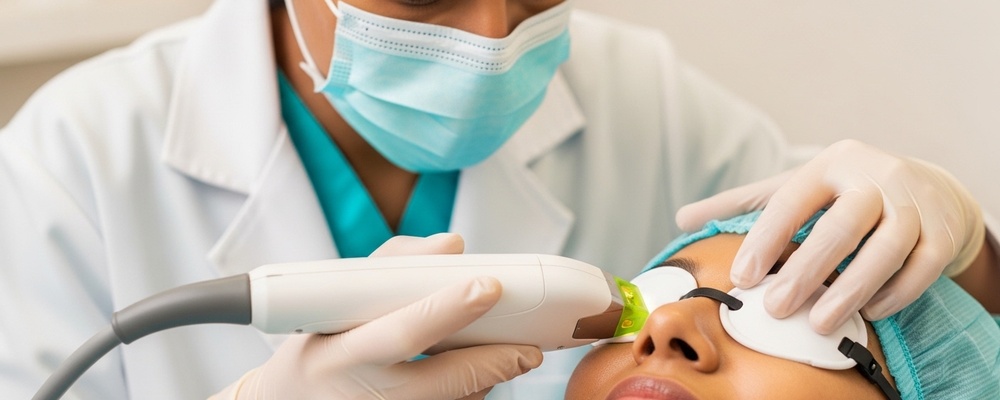
When you arrive for your IPL session, you’ll be made comfortable in a reclining chair. Protective eyewear will be placed over your eyes to shield them from the light. A cooling gel may be applied to the treatment area (typically the lower eyelids and upper cheekbones) to enhance comfort and protect your skin. Your doctor will then use a specialized IPL device to deliver gentle pulses of light to the targeted areas. You might feel a mild warming sensation or a light flick, but the procedure is generally well-tolerated and not painful. The entire process is quick, usually taking only 10-15 minutes per eye.
3. What to Expect Immediately After the Procedure
Immediately after your IPL session, you can typically resume most of your normal activities. You might experience some mild redness or slight swelling around the treated areas, similar to a mild sunburn, which usually subsides within a few hours. Your doctor may recommend applying a cold compress if needed. You will be advised to avoid direct sun exposure and wear sunglasses when outdoors for a few days following the treatment. Your vision should remain clear, and you can usually drive yourself home.
POST-OPERATIVE CARE AND TIMELINE
Recovery and Post-Operative Care
Following your Intense Pulsed Light (IPL) Therapy, adhering to post-care instructions is crucial for optimal results.
- Do’s:
- Apply any prescribed eye drops or ointments as directed.
- Wear sunglasses when outdoors to protect your eyes from UV light.
- Keep your face and eye area clean and moisturized with gentle products.
- Attend all follow-up appointments with your ophthalmologist.
- Don’ts:
- Avoid rubbing or touching your eyes vigorously.
- Refrain from using harsh cleansers or makeup around the eyes for at least 24-48 hours.
- Avoid direct sun exposure or tanning beds for a week after treatment.
- Do not use hot tubs, saunas, or swimming pools for a few days to prevent infection.
Recovery Timeline:
- Day 1: You may notice mild redness or slight swelling, which should quickly diminish. Most patients feel comfortable enough to return to their daily routines.
- Week 1: Initial improvements in comfort and a reduction in dry eye symptoms may begin to be noticeable. Your eyes should feel less irritated.
- Month 1: The full benefits of the first IPL session will start to become apparent. Many patients require a series of 3-4 sessions, typically spaced 2-4 weeks apart, to achieve long-term relief and optimal gland function. Your doctor will discuss the need for follow-up treatments.
COST AND INSURANCE COVERAGE IN HYDERABAD
Cost of Intense Pulsed Light (IPL) Therapy in Hyderabad & Insurance Options
- Estimated Local Investment: ₹10000 – ₹20000
- Cost Determinants: The total cost of Intense Pulsed Light (IPL) Therapy in Hyderabad can vary based on several factors. These include the number of sessions required (IPL is often a series of treatments), the specific clinic or hospital you choose, the advanced technology used by the IPL device, the experience and reputation of your ophthalmologist, and any additional diagnostic tests or follow-up care.
- Insurance Protocol: Intense Pulsed Light (IPL) Therapy for conditions like Meibomian Gland Dysfunction (MGD) and chronic dry eye is generally considered a therapeutic ‘Medical Necessity’ rather than an elective cosmetic procedure. As such, it may be covered by major Third-Party Administrator (TPA) networks and health insurance schemes. However, coverage can vary significantly between policies. It is highly recommended to verify the specifics of your insurance plan directly with your provider and the hospital’s billing department before beginning treatment to understand your out-of-pocket expenses.
FREQUENTLY ASKED QUESTIONS
Frequently Asked Questions About Intense Pulsed Light (IPL) Therapy
Q: Is IPL Therapy painful?
A: Most patients describe IPL Therapy as comfortable, with only a mild warming sensation or a light flick during the procedure. Topical numbing cream is often applied to ensure your comfort.
Q: How many IPL sessions will I need?
A: Typically, a series of 3-4 sessions, spaced 2-4 weeks apart, is recommended for optimal and lasting results. Your ophthalmologist will create a personalized treatment plan for you.
Q: How long do the results of IPL Therapy last?
A: The benefits of IPL Therapy can last for several months to a year or more. Many patients find that maintenance treatments, usually once or twice a year, help sustain the positive effects.
Q: Are there any side effects of IPL Therapy?
A: Mild, temporary side effects like redness or slight swelling in the treated area are possible but usually resolve within a few hours. Serious side effects are rare when performed by a qualified professional.
DISCLAIMER
Disclaimer: This content is curated using artificial intelligence and may contain inaccuracies. It is provided for informational and educational purposes only and should not be considered professional medical advice. Please consult your ophthalmologist for personalized clinical care. The prices listed in this article are indicative only and may vary based on the patient’s specific condition, procedural techniques, surgical complexity, and materials used. We strongly advise discussing actual costs directly with your healthcare provider.