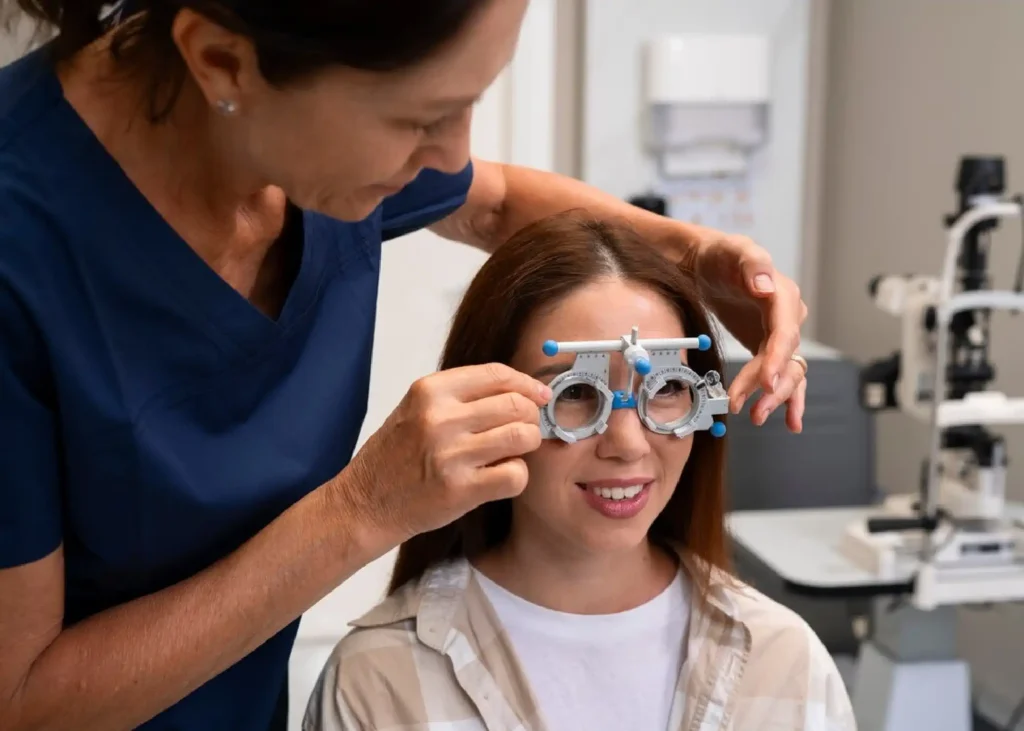
Many Indians mistakenly believe glaucoma only shows up with high eye pressure. However, this "silent thief" can cause subtle symptoms like frequent changes in spectacle power, bumping into things, trouble seeing in dim light, unusual headaches, halos around lights, unexplained eye redness, or difficulty reading. Spotting these early signs and getting a thorough eye check, even if your pressure seems normal, helps greatly to protect your vision from lasting damage.
Beyond High Eye Pressure: 7 Silent Glaucoma Symptoms Indians Often Miss
Namaste! As an ophthalmologist who has spent decades caring for eyes across India, I’ve seen countless cases where patients wish they had known about glaucoma sooner. It’s often called the "silent thief of sight," and for good reason. Unlike a sudden cataract that blurs your vision, glaucoma typically works slowly, without any pain or obvious warning signs, especially in its early stages. Many people, particularly here in India, wrongly assume that glaucoma is only about having high eye pressure. While high eye pressure is a major risk factor, it’s far from the whole story.
In my clinic, I often hear patients say, "Doctor, my eye pressure is normal, so I don't have glaucoma, right?" This common misconception can be dangerous. The truth is, glaucoma can develop even when your eye pressure is within the normal range, a condition we call normal-tension glaucoma. This is why relying solely on a quick eye pressure check isn’t enough. We need to be aware of other, more subtle clues our eyes might be giving us – signs that are easy to dismiss as just "getting older" or "tired eyes," but could actually be early whispers of glaucoma.
Today, I want to shed light on these often-missed, silent symptoms. I want to help you know what to watch for, so you can keep your eyesight safe before it's too late.
What Exactly is Glaucoma, and Why is it So Tricky?
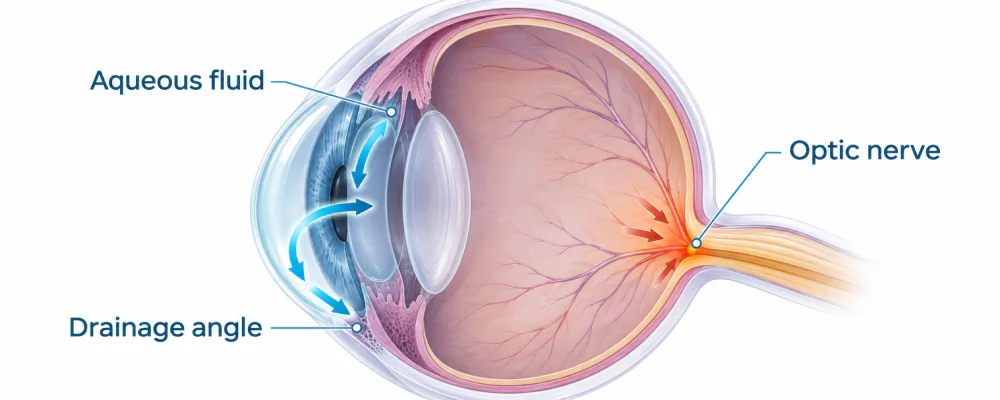
Let's start with the basics. Glaucoma isn't a single disease; it's actually a group of eye conditions that damage your optic nerve. Think of the optic nerve as the main cable connecting your eye to your brain. It carries all the visual information your eye collects, allowing you to see. When this nerve gets damaged, usually due to increased pressure inside the eye, parts of your vision start to fade.
The tricky part is, this damage happens very gradually. Your eye has a fluid called aqueous humor that circulates constantly, nourishing the eye. When the drainage system for this fluid doesn't work well, pressure builds up. This elevated pressure pushes on the delicate optic nerve fibers, slowly crushing them. It's like a garden hose with too much water pressure – eventually, the hose itself starts to fray and leak.
However, sometimes the optic nerve is simply more sensitive to even normal levels of pressure, or there are other factors like reduced blood flow to the nerve, leading to damage without "high" pressure. This is why we can't just rely on one number.
The "Silent Thief" at Work: Why Glaucoma Hides So Well
Glaucoma is called a "silent thief" because it's so serious and worrying. When the optic nerve starts to get damaged, the first areas of vision to be affected are usually the peripheral vision – your side vision. The central vision, which you use for reading, recognizing faces, and driving, remains clear for a long time.
Imagine you're watching a cricket match, completely engrossed in the action in the middle. You might not notice the few people slowly leaving the stands on the far edges of the stadium. That's how glaucoma often works. Your brain is remarkably good at compensating for these small blind spots in your periphery. It fills in the missing information, so you don't even realize parts of your vision are gone. You might not notice until a significant portion of the optic nerve is already damaged, and by then, the vision loss is often irreversible.
This is especially relevant in India, where many people might not get regular eye check-ups until they notice a significant problem. People often think small changes are just due to age or daily stress, which delays getting the diagnosis they need.
Beyond Just Pressure: Subtle Glaucoma Signs Indians Often Overlook
Now, let's talk about those subtle signs. These aren't definitive proof of glaucoma, but they are certainly red flags that warrant a thorough eye examination, especially if you have other risk factors like a family history of glaucoma, diabetes, or are over 40.
Your Glasses Power Keeps Changing Fast
Have you noticed that your spectacle prescription seems to be changing much more frequently than before, perhaps every few months, or your vision just never feels quite right with your new glasses? While it's normal for prescriptions to change as we age, especially after 40 due to presbyopia, a rapid or unstable change, particularly in one eye more than the other, can sometimes be a subtle indicator.
Glaucoma can affect the clarity of vision and the eye's ability to focus, sometimes leading to unstable refractive error. Patients might complain that their new glasses feel off, or they constantly need stronger power. This isn't just about blurry vision; it's about a pattern of rapid changes that doesn't seem to stabilize. In India, people might just keep getting new glasses from the local optician, thinking it's normal, without a comprehensive eye health check.
Tripping or Bumping into Objects More Often
This is a classic sign of peripheral vision loss, which is the hallmark of early glaucoma. If you keep bumping into door frames, tripping over small items, or have difficulty getting around in crowded spots like a busy market or a temple during a festival, your side vision might be getting narrower.
Many Indian homes have varied floor levels, furniture, or children's toys scattered around. If you're suddenly finding it harder to avoid these without actively looking down, or if you misjudge steps, it's a significant warning. You might be compensating by turning your head more, but this is a sign that your brain is trying to make up for lost peripheral input. People often attribute this to being "clumsy" or "distracted," rather than an eye problem.
Struggling to See Clearly in Dim Light or at Night
Do you find it increasingly difficult to see clearly when the lights are low, such as in a dimly lit restaurant, during a power cut, or while driving at night on unlit roads? This reduced ability to adapt to low light conditions, or a noticeable drop in contrast sensitivity, can be another silent symptom.
Glaucoma can affect how well your eyes perceive differences between light and dark, making it harder to distinguish objects in poor illumination. This isn't the same as typical night blindness (which can have other causes like Vitamin A deficiency), but rather a general struggle with visual clarity when light is scarce. For someone driving a car or a two-wheeler at night in India, where street lighting can be inconsistent, this can be a serious safety concern and a sign that something is amiss with their vision.
Headaches That Feel Different Around Your Eyes
Headaches are common, and most of the time, they are due to stress, sinus issues, or migraines. However, certain types of headaches, especially those that feel like a dull ache or pressure behind or around your eyes and forehead, can sometimes be linked to glaucoma. This is particularly true for angle-closure glaucoma, where pressure can build up suddenly or intermittently.
These headaches might be more noticeable in the evenings or after spending a long time in a dark room (like watching a movie). They might not be as severe as a migraine but are persistent and often accompanied by a feeling of heaviness or fullness in the eyes. In India, many might dismiss these as "tension headaches" from work or family stress, taking a common painkiller and unknowingly delaying a needed eye check. If these headaches are new, persistent, or feel distinctly different from your usual headaches, it's worth investigating.
Seeing Halos or Rainbow Rings Around Lights
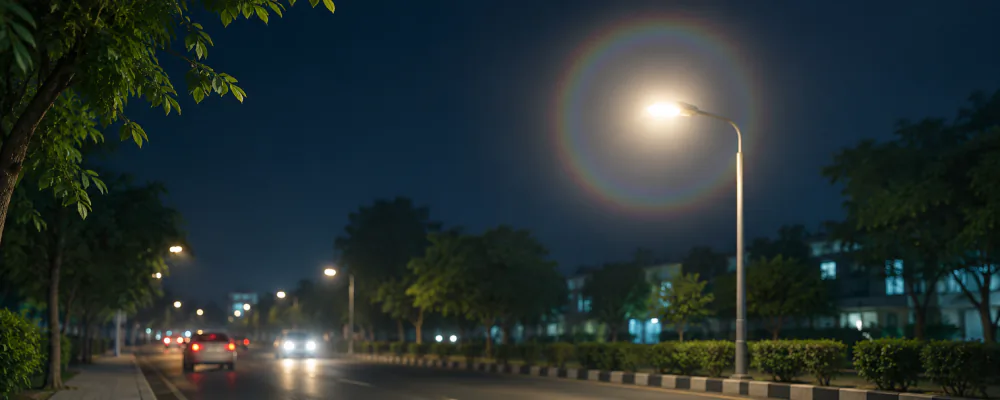
Have you ever noticed bright, colourful rings or halos around lights, especially at night or in dimly lit environments? While seeing halos can sometimes be a symptom of cataracts or even dry eyes, in the context of glaucoma, it usually indicates a sudden or intermittent rise in eye pressure.
When the pressure inside your eye increases rapidly, it can cause the cornea (the clear front window of your eye) to swell slightly. This swelling scatters light, creating the halo effect. This is a more common symptom of acute angle-closure glaucoma, which is a medical emergency. However, some people with chronic angle-closure glaucoma might experience intermittent, less severe episodes of halos before the condition becomes acute. If you start seeing these halos, especially if they are accompanied by eye pain or blurry vision, it's a significant warning sign that needs immediate attention. Don't dismiss it as just "tired eyes" after a long day of looking at screens.
Persistent, Mild Eye Redness or Discomfort
It's natural for eyes to get a little red or feel irritated after a long day, especially if you've been working on a computer or exposed to dust and pollution, which is common in many Indian cities. However, if you experience persistent, unexplained mild redness in one or both eyes, along with a feeling of general discomfort, slight ache, or a "heavy" sensation that doesn't go away with rest or common eye drops, it could be another subtle sign.
This isn't the bright, angry red of conjunctivitis (pink eye); it's often a more diffuse, dull redness. This mild, chronic irritation can sometimes be associated with chronic forms of glaucoma, particularly angle-closure glaucoma, where the angle for fluid drainage is narrow, causing intermittent pressure spikes that lead to subtle inflammation and discomfort. Many might just think it's an allergy or dry eye, but if it persists, it warrants a doctor's visit.
Finding Reading or Fine Detail Difficult
While difficulty with reading up close is a natural part of aging (presbyopia), if you find that your ability to read fine print or focus on intricate tasks is deteriorating rapidly, or if you experience significant eye strain and fatigue when trying to do so, it might be more than just needing reading glasses.
Glaucoma, by damaging the optic nerve, can affect the clarity and sharpness of your central vision over time, even if peripheral vision is the first to go. The brain might also have to work harder to interpret visual information when parts of the field are missing, leading to increased strain. If you're an avid reader, a tailor, an artisan, or someone whose profession relies on fine detail, and you notice a marked and unusual decline in your ability to perform these tasks comfortably, it's a signal to get your eyes comprehensively checked. This is especially true if it's accompanied by any of the other symptoms we've discussed.
Why These Early Warnings Matter So Much for Indians
In India, we face unique challenges when it comes to eye health. Firstly, there's often a tendency to ignore subtle symptoms, attributing them to "age," "stress," or even "evil eye" (nazar lag gayi). We might try home remedies or over-the-counter drops before seeking professional medical advice. Secondly, access to comprehensive eye care can vary, and many people only visit an ophthalmologist when their vision is significantly impaired.
However, with glaucoma, time is of the essence. The vision loss caused by glaucoma is irreversible. Once the optic nerve fibers are damaged, they cannot be restored. This means that early detection and treatment are absolutely critical to preserve the vision you still have. Finding these quiet symptoms soon can really help prevent major, lasting vision loss and keep your quality of life good, whether you're enjoying your morning chai with the newspaper or moving through the busy streets of Mumbai.
What Your Eye Doctor Looks For: More Than Just Pressure
When you visit an ophthalmologist with concerns about glaucoma, we don't just measure your eye pressure and send you home. To fully check for glaucoma, doctors do several key tests to see how healthy your optic nerve and visual field are:
- The Eye Pressure Check (Tonometry): Yes, we still measure your eye pressure (intraocular pressure or IOP). This is usually done with a gentle puff of air or a small, painless probe touching your eye after numbing drops.
- Optic Nerve Examination: I will carefully examine your optic nerve at the back of your eye, looking for changes in its shape and colour, which can indicate damage. This is often done after dilating your pupils with drops.
- Visual Field Test (Perimetry): This key test involves looking into a bowl-shaped instrument and pressing a button each time you see a faint light flash. It maps out your entire field of vision, helping us detect those early peripheral blind spots that you might not even notice yourself.
- Optic Coherence Tomography (OCT): This advanced imaging test provides a detailed cross-sectional scan of your optic nerve and the nerve fibre layer around it. It's like taking a microscopic photograph, allowing us to detect thinning of the nerve fibers, which can be an early sign of glaucoma damage, even before visual field changes are noticeable.
- Gonioscopy: This procedure involves using a special lens to examine the drainage angle of your eye, helping us determine if you have open-angle or angle-closure glaucoma.
These tests, together, give us a full picture of your eye health and help us diagnose glaucoma accurately, even when the symptoms are subtle or eye pressure is normal.
Taking Charge: When You Should Get Your Eyes Checked for Glaucoma
Given the silent nature of glaucoma, regular eye check-ups are your best defense. I recommend the following:
- If you are over 40 years old: You should have a comprehensive eye examination at least every 1-2 years.
- If you have a family history of glaucoma: Your risk is significantly higher. Talk to your ophthalmologist about starting screenings earlier and more frequently, perhaps even in your 20s or 30s.
- If you have other risk factors: Conditions like diabetes, high myopia (nearsightedness), high blood pressure, or a history of eye injury can increase your risk. Discuss this with your eye doctor.
- If you notice any of the subtle symptoms discussed today: Do not wait. Schedule an appointment with an ophthalmologist promptly.
Remember, early detection allows for timely treatment, which can slow down or halt the progression of glaucoma and preserve your vision.
Not Sure if Your Eyes Are Telling You Something? Let's Check Together
It's easy to dismiss subtle changes in our vision or occasional discomfort as part of daily life, especially with the hustle and bustle of life in India. But when it comes to your eyesight, it's always better to be safe than sorry. If any of the silent symptoms I've discussed today resonate with your experience, or if you simply haven't had a comprehensive eye check in a while, please don't delay.
Our team at the hospital is dedicated to providing thorough and compassionate eye care. We have the advanced diagnostic tools and expertise to accurately assess your eye health and guide you through any necessary steps. Let's work together to protect your vision for years to come. Book your appointment today.
References
- Glaucoma: MedlinePlus – National Library of Medicine – https://medlineplus.gov/glaucoma.html
- What Is Glaucoma? Symptoms, Causes, Diagnosis, Treatment – American Academy of Ophthalmology – https://www.aao.org/eye-health/diseases/what-is-glaucoma
- Glaucoma – National Eye Institute – https://www.nei.nih.gov/eye-health-information/eye-conditions-and-diseases/glaucoma
- Normal-tension glaucoma – Mayo Clinic – https://www.mayoclinic.org/diseases-conditions/normal-tension-glaucoma/symptoms-causes/syc-20375713
- Glaucoma: Symptoms, diagnosis, and treatment – NHS – https://www.nhs.uk/conditions/glaucoma/