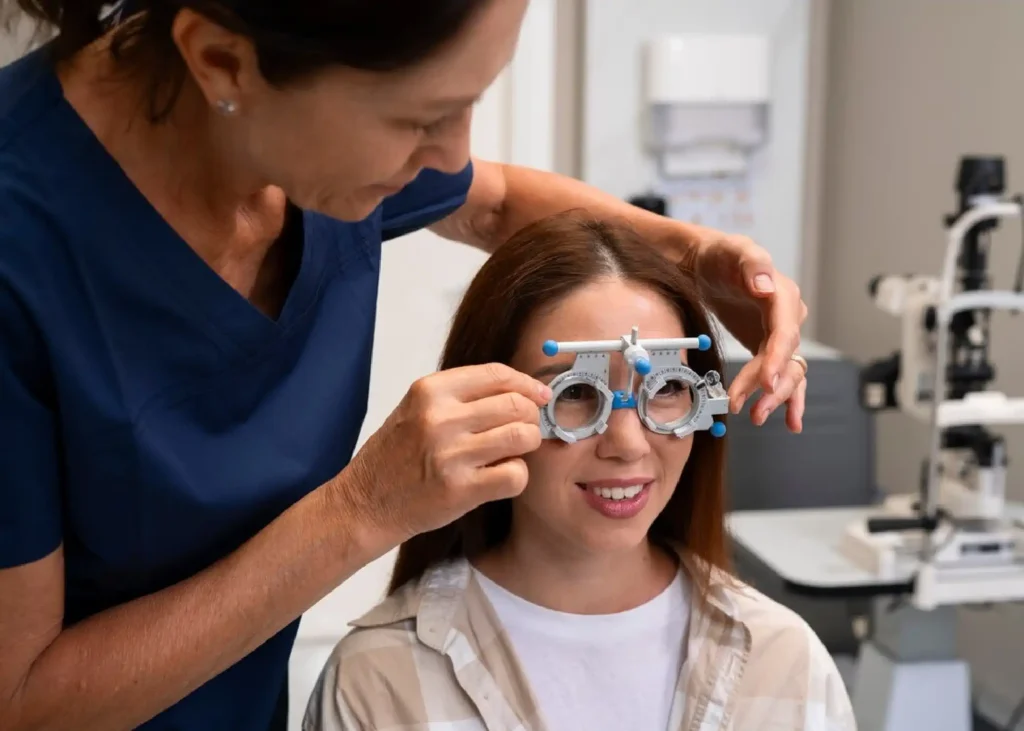
Normal Tension Glaucoma (NTG) means you have glaucoma – a condition damaging your optic nerve and causing vision loss – even though your eye pressure readings are consistently within the "normal" range. This can be confusing, but it highlights that optic nerve health depends on more than just pressure. Understanding NTG matters because, like other forms of glaucoma, it often shows no early signs. This makes regular, thorough eye check-ups vital for finding it early and keeping your sight.
Normal Eye Pressure, Still Glaucoma? Understanding Normal Tension Glaucoma (NTG)
Namaste! As an ophthalmologist with many years of experience, I've seen countless patients walk into my clinic with questions and sometimes, a little confusion about their eye health. One of the most common concerns I hear, especially when we talk about glaucoma, is, "Doctor, my eye pressure is normal, so how can I have glaucoma?" It's a very valid question, and it points to a condition called Normal Tension Glaucoma (NTG). This condition often surprises people because our general understanding of glaucoma usually revolves around high eye pressure. But the reality is, glaucoma is a bit more involved, and knowing about NTG helps protect your vision.
Let's clear up this confusion together. Imagine your eye as a delicate camera, and the optic nerve is the cable that carries all the visual information from this camera to your brain. Glaucoma, at its core, is a disease that harms this vital optic nerve. When the optic nerve is damaged, it can lead to blind spots and, if left untreated, irreversible vision loss. While high eye pressure is a major risk factor and the most common cause of this damage, it’s not the only factor. Sometimes, even with eye pressure that seems perfectly normal on our charts, the optic nerve can still suffer. This is where Normal Tension Glaucoma comes into play.
Glaucoma Isn't Always About High Eye Pressure: Understanding the Basics
For many years, the primary focus in glaucoma care was on intraocular pressure (IOP), which is the fluid pressure inside your eye. Think of it like the air pressure in a bicycle tyre. If it's too high, it can put stress on the walls. In the eye, consistently high pressure can press on the delicate optic nerve fibres, eventually damaging them. This is what we call Open-Angle Glaucoma, and it's the most common type, affecting millions of people in India and worldwide.
When we check your eye pressure during a routine eye exam, we're looking for numbers that fall within a certain range – typically between 10 to 21 millimetres of mercury (mmHg). If your pressure is consistently above this, especially when combined with other signs, we often diagnose glaucoma and start treatment to lower it. This approach has saved the sight of countless individuals.
However, medical science is always evolving, and as we've learned more about the eye, we've realised that optic nerve damage can occur even when the IOP is consistently within that "normal" range. This discovery led us to better understand conditions like Normal Tension Glaucoma. It means that while eye pressure is an important piece of the puzzle, it's not the whole picture when it comes to diagnosing and managing glaucoma.
What Exactly is Normal Tension Glaucoma (NTG)? The Silent Vision Thief
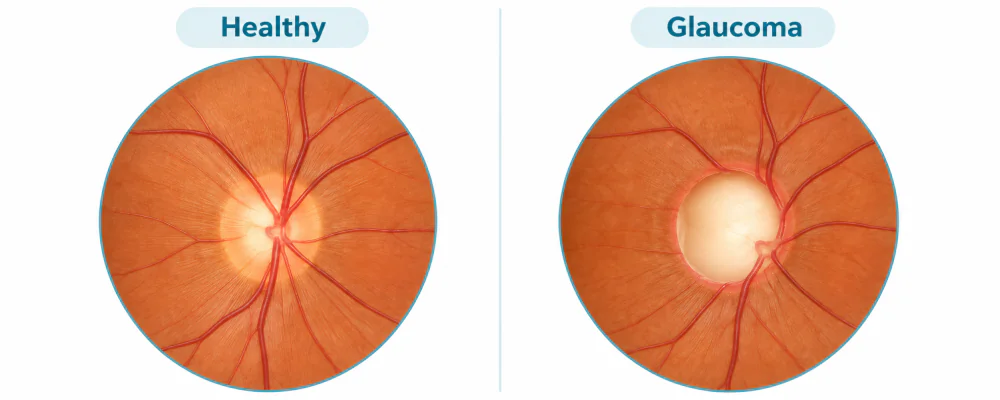
So, if your eye pressure is normal, how can you still have glaucoma? This is the core of NTG. In Normal Tension Glaucoma, the optic nerve damage, characteristic vision loss, and changes to the optic nerve head (which we can see during an examination) all occur even though the eye pressure measurements are consistently below 21 mmHg. It’s a bit like having a car engine that's failing, but all the dashboard gauges show everything is fine.
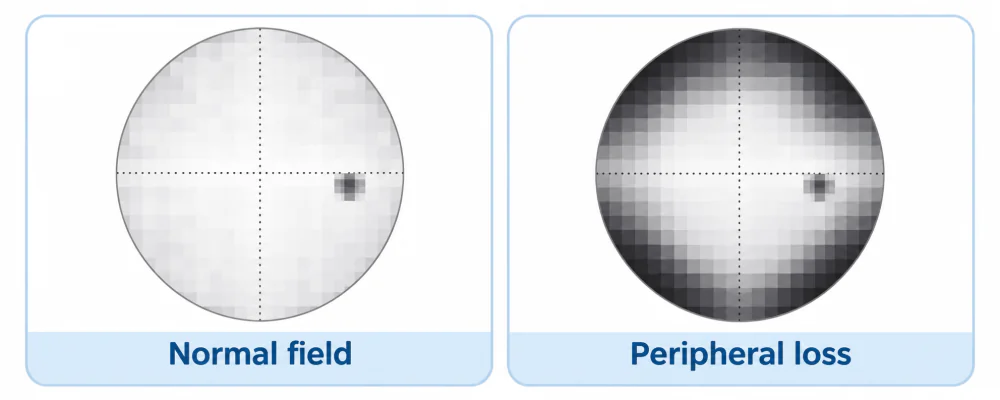
The insidious nature of NTG is that it often progresses slowly and silently. Most people don't experience any pain or noticeable symptoms in the early stages. Vision loss usually starts in the peripheral vision, the side vision you use to see things around you. You might not even realise you're missing parts of your visual field until a significant amount of the optic nerve has already been damaged. Imagine trying to see a cricket ball coming from the side, or noticing a child running towards you while you're walking on a busy street. If your peripheral vision is compromised, these everyday situations become much riskier.
This is why NTG is often called a "silent thief of sight." By the time you notice something is wrong – perhaps bumping into objects, struggling to see in dim light, or finding it hard to read a newspaper – the disease might have already progressed significantly. This makes early detection through regular, comprehensive eye examinations even more critical, especially if you have risk factors.
Why Does NTG Develop When Your Eye Pressure Seems Normal?
This is the million-dollar question, and frankly, we don't have all the answers yet. However, extensive research and clinical experience have given us several strong theories and identified key factors that contribute to NTG. It's usually not one single cause, but a combination of factors that make the optic nerve vulnerable.
The Optic Nerve's Unique Vulnerability
One major theory is that some individuals simply have optic nerves that are more fragile or susceptible to damage, even at what we consider "normal" eye pressures. For these individuals, an eye pressure of, say, 18 mmHg, which is normal for most, might be too high for their particular optic nerve. Think of it like different types of plants: some are very robust and can withstand harsh conditions, while others are delicate and need very specific environments to thrive. Your optic nerve's resilience can vary.
Issues with Blood Flow to the Optic Nerve
The optic nerve, like all living tissue, needs a constant and healthy supply of blood, rich in oxygen and nutrients, to function properly. If this blood flow is compromised, the nerve fibres can become starved and damaged. Several factors can lead to reduced blood flow to the optic nerve, even with normal eye pressure:
- Systemic Blood Pressure Fluctuations: People with very low blood pressure (hypotension), especially during sleep, or those with significant drops in blood pressure due to medication, might experience reduced blood flow to the optic nerve. This is particularly relevant in India, where managing blood pressure is a common health concern.
- Vascular Dysregulation: This is a fancy term meaning that the blood vessels don't regulate blood flow properly. They might constrict too much or too little, impacting the delicate circulation around the optic nerve. Conditions like Raynaud's phenomenon (where fingers and toes become numb and cold) or migraines, which are also related to blood vessel issues, have been linked to NTG.
- Atherosclerosis: Hardening of the arteries, which can reduce blood flow throughout the body, including to the eyes.
- Sleep Apnea: This condition, where breathing repeatedly stops and starts during sleep, can cause drops in oxygen levels and fluctuations in blood pressure, potentially impacting optic nerve blood supply.
Genetic Predisposition and Family History
Genetics play a significant role in all types of glaucoma, including NTG. If you have a family history of glaucoma – especially a parent or sibling – your risk of developing the condition, even NTG, is significantly higher. In India, where family ties are strong and genetic predispositions can run through generations, knowing your family's health history is incredibly important. If your parents or grandparents have glaucoma, even if they were told their pressure was normal, it's a strong indicator for you to get regular screenings.
Other Contributing Factors
While less understood, other factors may also contribute:
- Thin Corneas: The thickness of your cornea (the clear front window of your eye) can affect how we measure your eye pressure. A thinner cornea might give a falsely low reading, meaning your actual eye pressure could be higher than what the test shows. We use a test called pachymetry to measure corneal thickness and account for this.
- Autoimmune Conditions: Some research suggests a link between NTG and certain autoimmune diseases, where the body's immune system mistakenly attacks its own tissues.
- Optic Disc Haemorrhages: Small bleeding spots on the optic nerve head can sometimes be a sign of NTG.
It’s clear that NTG is a complex condition with multiple potential causes, often working together. This is precisely why a thorough, comprehensive eye examination is so vital for diagnosis, rather than just relying on a simple eye pressure check.
Catching the Clues: How We Find NTG Without Obvious Symptoms
Since NTG is often symptomless until significant damage has occurred, its detection relies heavily on detailed diagnostic tests performed by an ophthalmologist. It’s not just about that quick eye pressure reading you get at an optician.
Your Comprehensive Eye Examination: The Starting Point
Every good eye check-up should begin with a detailed discussion about your medical history, your family's eye health, and any general health conditions you might have (like diabetes, high or low blood pressure, migraines, etc.). This information helps us piece together your individual risk profile.
Beyond the Pressure Check: What We Look For
- Optic Nerve Examination (Ophthalmoscopy): This is likely the most important part of diagnosing NTG. After dilating your pupils with drops, I use a special microscope with a bright light to get a clear view of your optic nerve head at the back of your eye. I'm looking for specific changes that indicate glaucoma damage, such as: – Cupping: The optic nerve has a natural cup-like depression. In glaucoma, this cup often becomes larger and deeper, a process called "cupping." – Rim Thinning: The healthy nerve tissue around the cup, called the neuroretinal rim, thins out as nerve fibres are lost. – Asymmetry: If one optic nerve looks significantly different from the other. – Haemorrhages: Small, splinter-shaped bleeding spots on or near the optic nerve can be a sign.
- Visual Field Testing (Perimetry): This test maps your peripheral and central vision. You'll sit in front of a dome-shaped instrument and press a button whenever you see faint lights appear. It might feel a bit tedious, but it's incredibly important. This test helps us detect blind spots, often in the periphery, that you might not even be aware of. These blind spots are characteristic of glaucoma-related nerve damage.
- Optical Coherence Tomography (OCT): This advanced imaging technology is like an MRI for your eye. It takes highly detailed cross-sectional images of your optic nerve and the surrounding retinal nerve fibre layer (RNFL). The OCT can measure the thickness of these nerve fibres with incredible precision. In NTG, we often see thinning of the RNFL, even before significant visual field loss is detected. It's a fantastic tool for early detection and for monitoring the progression of the disease over time.
- Pachymetry (Corneal Thickness Measurement): As mentioned earlier, corneal thickness can influence eye pressure readings. Pachymetry is a quick, painless test that measures the thickness of your cornea, helping us interpret your IOP more accurately.
Protecting Your Sight with NTG: Treatment and Lifelong Care
The primary goal of treating Normal Tension Glaucoma is the same as for other forms of glaucoma: to prevent further damage to the optic nerve and preserve your remaining vision. Even though your eye pressure is "normal," studies have shown that lowering it further is currently the most effective way to slow down or halt the progression of NTG.
How We Lower Eye Pressure (Even When It's "Normal")
- Eye Drops: These are usually the first line of treatment. There are several types of eye drops that work in different ways to reduce intraocular pressure. Some decrease the production of fluid inside the eye, while others improve its drainage. – Prostaglandin Analogues: These are often used first, as they are very effective at lowering pressure and are usually used once a day. – Beta-Blockers: These reduce fluid production. – Alpha-Agonists and Carbonic Anhydrase Inhibitors: These drops also help reduce fluid production or improve drainage. You must use these drops exactly as prescribed, every day, even if you don't feel any symptoms. Consistency is key to protecting your vision.
- Laser Treatment (Selective Laser Trabeculoplasty – SLT): For some patients, laser treatment can be an option. SLT is a quick, in-clinic procedure that uses a low-energy laser to improve the drainage of fluid from your eye. It doesn't create new holes; instead, it gently stimulates the eye's natural drainage system. SLT can be a good alternative or addition to eye drops and can sometimes reduce the need for daily medication.
- Surgery: If eye drops and laser treatment aren't enough to control the progression of NTG, or if the disease is very advanced, surgical options might be considered. – Trabeculectomy: This is a traditional surgical procedure where a tiny drainage channel is created in the eye to allow fluid to flow out and reduce pressure. – Minimally Invasive Glaucoma Surgery (MIGS): These are newer, less invasive procedures that can be performed to improve fluid drainage, often with quicker recovery times and fewer risks than traditional surgery. They are usually considered for mild to moderate glaucoma.
Addressing Other Risk Factors
Beyond lowering eye pressure, we also focus on managing the other risk factors that might contribute to NTG:
- Systemic Health Management: If you have conditions like low blood pressure, migraines, or sleep apnea, managing these with your general physician is important. Ensuring stable blood pressure, especially avoiding significant drops, can help protect the optic nerve's blood supply.
- Healthy Lifestyle: A balanced diet, regular exercise, and avoiding smoking can contribute to overall vascular health, which in turn supports eye health.
- Regular Monitoring: NTG is a lifelong condition that requires ongoing monitoring. We will schedule regular follow-up appointments to check your eye pressure, examine your optic nerve, and repeat visual field and OCT tests to ensure the treatment is effective and the disease isn't progressing.
Living with NTG: Your Role in Preserving Vision
Receiving a diagnosis of Normal Tension Glaucoma can be a bit unsettling, especially when you're told your eye pressure is "normal." But remember, this is a manageable condition, and your active participation in your care is paramount.
- Be Diligent with Your Eye Drops: This is non-negotiable. If you're prescribed eye drops, make them a part of your daily routine, just like brushing your teeth or having your morning chai. Missing doses can allow the disease to progress. If you have trouble remembering, set reminders on your phone.
- Keep Your Follow-Up Appointments: These appointments are not just routine; they are critical for us to monitor your condition, adjust treatment if needed, and detect any changes early.
- Maintain Overall Health: Work closely with your family doctor to manage any systemic conditions like blood pressure issues, diabetes, or migraines. Your overall body health directly impacts your eye health.
- Educate Your Family: Since genetics play a role, encourage your parents, siblings, and children (when they reach appropriate age) to get regular comprehensive eye exams. Early screening for family members can catch the disease before significant damage occurs.
- Don't Hesitate to Ask Questions: If anything about your diagnosis, treatment, or prognosis is unclear, please ask me or my team. We are here to guide you and ensure you feel confident and informed about your eye care.
Living with NTG means being proactive and consistent. With proper management and regular care, most people with NTG can maintain good vision throughout their lives.
Your Next Step Towards Clearer Vision: Let's Talk About Your Eye Health
If you've been told you have glaucoma despite normal eye pressure, or if you have a family history of glaucoma and are concerned, please don't wait. Early detection and consistent management are the most powerful tools we have against vision loss from Normal Tension Glaucoma. Our team is here to provide a thorough examination, explain everything in detail, and create a personalised plan tailored to your needs. Let's ensure your good eyesight is protected for years to come.
References
- Normal-tension glaucoma – American Academy of Ophthalmology – https://www.aao.org/eye-health/diseases/normal-tension-glaucoma
- Glaucoma – Mayo Clinic – https://www.mayoclinic.org/diseases-conditions/glaucoma/symptoms-causes/syc-20372828
- What Is Normal-Tension Glaucoma? – American Academy of Ophthalmology – https://www.aao.org/eye-health/diseases/what-is-normal-tension-glaucoma