Cataracts aren’t just an “old-age” problem anymore. Increasingly, young adults — even in their 20s and 30s — are being diagnosed with early cataracts. Factors like diabetes, prolonged screen use, UV exposure, smoking, steroid medication, and eye injuries are accelerating lens changes that used to appear decades later. Online forums like Reddit’s r/india reveal how young people are puzzled by this diagnosis. Understanding why it happens and how to prevent progression is key to protecting long-term vision and confidence.
Why Younger Adults Are Getting Cataracts Too: What the Discussion Shows
“Anyone here developed cataracts in their twenties?”
— A Reddit user on r/india
This simple question sparked hundreds of surprised and anxious replies. Many young adults are shocked to learn they have cataracts — something they thought only affected their parents or grandparents.
But ophthalmologists are seeing this trend more often. Cataracts, traditionally linked with aging, are increasingly diagnosed in people under 40.
So what’s going on? Are our eyes aging faster, or are we just detecting cataracts earlier? Let’s unpack what doctors — and young patients — are saying.
First, What Exactly Is a Cataract?
A cataract is a clouding of the eye’s natural lens, which sits just behind your pupil. This lens focuses light onto the retina, much like a camera lens.
When the proteins inside it start to clump together — due to age, injury, or other stress — the lens becomes cloudy. Vision turns blurry, colors fade, and light scatters, creating glare or halos.
In older adults, this is a normal part of aging. But in younger adults, cataracts usually signal another underlying cause.
Image suggestion: Diagram showing a healthy clear lens vs. a cloudy cataract lens.
What Reddit and Other Forums Reveal
On platforms like Reddit (especially r/india, r/optometry, and r/eyetriage), posts about early cataracts are becoming more common.
“I’m 27, my doctor says I have a developing cataract. Is this even possible?”
“I used steroid inhalers for years — could that be the reason?”
“I had an eye injury from a cricket ball, now my lens is cloudy.”
These conversations highlight a growing awareness that cataracts can form at any age if the lens undergoes damage or stress.
While older adults typically get age-related cataracts, younger people often develop secondary cataracts — triggered by specific risk factors.
Common Causes of Cataracts in Younger Adults
Let’s explore why younger eyes are developing cataracts earlier than ever.
1. Diabetes and Blood Sugar Issues
India is known as the diabetes capital of the world — and this plays a major role.
High blood sugar causes sugar molecules to accumulate in the lens, attracting water and disrupting its structure. Over time, this leads to diabetic cataracts — which can appear as early as the 20s or 30s if glucose levels stay high.
Patient story: “I was diagnosed with Type 1 diabetes at 16. At 26, my vision turned cloudy. My doctor said it was a diabetic cataract — I was stunned.”
Tip: Keeping blood sugar in the target range and having yearly eye exams can help prevent or delay cataracts in diabetic patients.
2. Excessive Screen Time and Blue Light Exposure
Many young professionals now spend 8–12 hours a day on screens. While blue light itself doesn’t directly cause cataracts, prolonged digital exposure can lead to oxidative stress and fatigue that may accelerate lens protein damage over time.
Add to that indoor lighting glare and reduced blink rates, and your eyes are under near-constant strain.
While research is ongoing, eye specialists suspect that cumulative exposure to screen light and poor lifestyle habits may hasten early lens changes, especially when combined with UV exposure outdoors.
Image suggestion: Illustration of blue light from digital screens affecting the eyes.
3. Prolonged Use of Steroid Medications
Steroids — whether taken as tablets, eye drops, nasal sprays, or inhalers — can cause cataracts when used for long periods.
These medications are life-saving for asthma, allergies, arthritis, and autoimmune diseases, but chronic exposure can alter lens metabolism.
Steroid-induced cataracts often form at the back of the lens (posterior subcapsular type) and cause early glare and blurred vision.
Forum quote: “I used steroid nasal sprays for years for sinusitis — no one told me it could affect my eyes.”
Always discuss long-term side effects with your doctor if you’re on steroid therapy.
4. Eye Trauma or Injury
An eye injury — even one that seems minor — can disrupt the delicate proteins inside the lens.
A sudden blow (like from a cricket ball or car airbag) or penetrating injury can cause traumatic cataracts that develop within months or years.
Wearing protective eyewear during sports or work can prevent such cases — an often overlooked but vital habit for young people.
5. UV (Ultraviolet) Light Exposure
Living in sunny regions — like much of India — means daily UV exposure is inevitable. Over years, UV light damages lens proteins, leading to early cataract formation.
Outdoor workers, athletes, and bikers are especially at risk if they don’t use UV-protective sunglasses.
Tip: Not all sunglasses protect against UV. Look for 100% UVA + UVB blocking lenses, not just dark tints.
6. Smoking and Alcohol Use
Cigarette smoke contains chemicals that increase oxidative stress — one of the main drivers of lens clouding. Heavy alcohol intake has similar effects, depleting antioxidants that normally protect the lens.
In younger adults, these lifestyle factors can make cataracts appear a decade or two earlier than expected.
7. Genetic or Congenital Causes
Some people are born with a genetic tendency for early cataract formation. Others develop cataracts as a complication of inherited metabolic disorders like galactosemia.
If a parent or sibling developed cataracts early, regular eye check-ups are especially important.
8. Radiation Exposure or Medical Treatments
Exposure to radiation (for cancer treatment, for example) or certain medications like chlorpromazine can accelerate cataract formation.
Though rare, such causes explain some cases in otherwise healthy young adults.
Symptoms Young Adults Should Watch For
Cataract symptoms in younger adults can mimic simple eye strain or refractive changes. Warning signs include:
- Gradual blurring or haziness of vision
- Difficulty seeing in bright light or glare from screens
- Halos or starbursts around headlights at night
- Faded colors or reduced contrast
- Frequent changes in glasses prescription
If these symptoms persist despite new glasses or rest, it’s time for an eye exam.
Why This Trend Feels So Alarming
Many young patients describe feeling “too young” for cataracts — and the diagnosis can trigger fear or embarrassment.
“I’m 28 and just found out I have cataracts. My friends can’t believe it.”
“I thought only old people had this. I feel like something’s wrong with me.”
These reactions are understandable. Vision loss — at any age — impacts confidence, productivity, and emotional well-being. But the good news is that early detection and modern surgery can fully restore clear sight.
How Cataracts Are Diagnosed
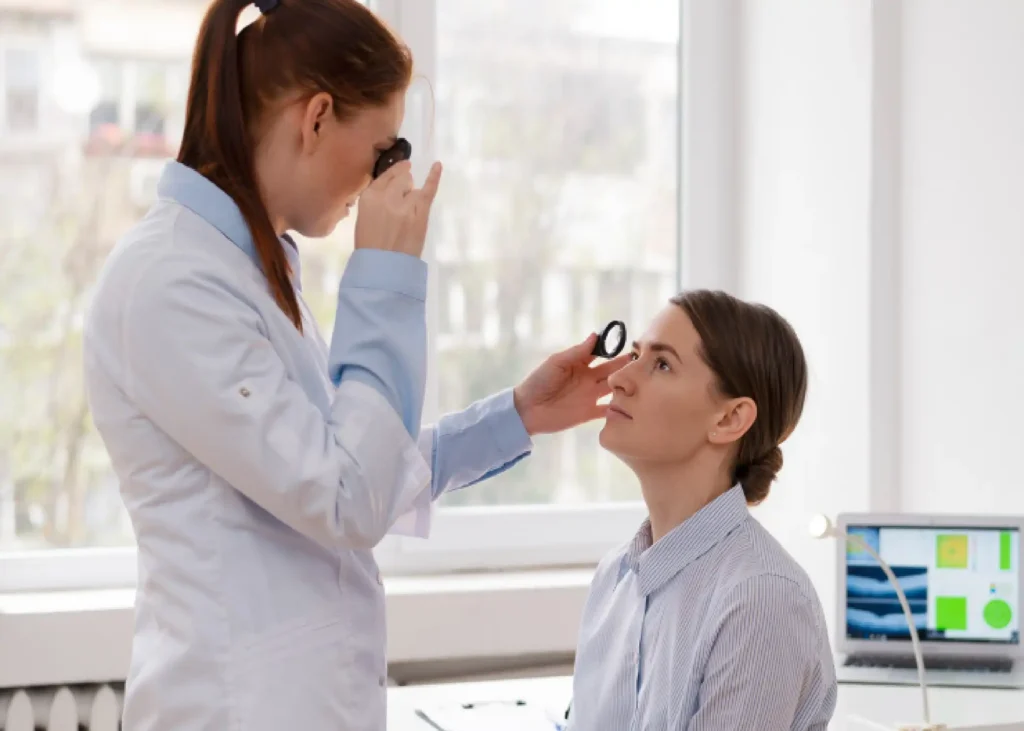
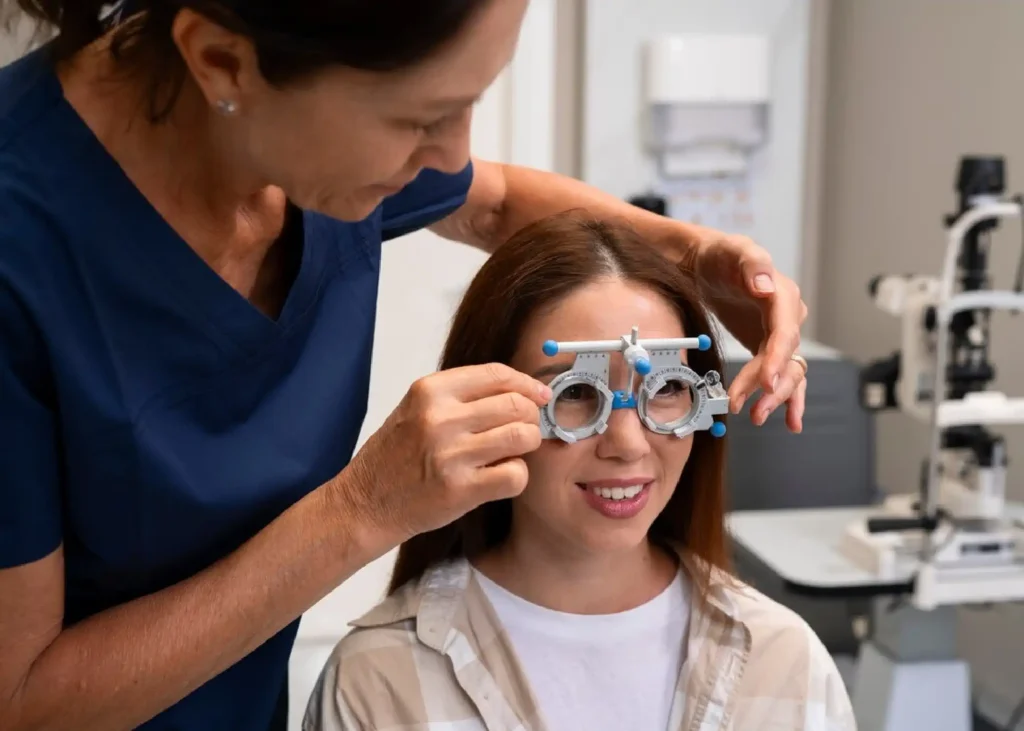
Cataracts are detected through a comprehensive eye exam that includes:
- Visual acuity testing (to assess sharpness)
- Slit-lamp examination (to view the lens under magnification)
- Dilated retinal exam (to rule out other causes of vision loss)
Sometimes, your ophthalmologist may also use contrast sensitivity or glare testing to identify early lens opacities not visible in a standard exam.
Image suggestion: Photo of ophthalmologist performing slit-lamp exam on a young adult.
Can Early Cataracts Be Reversed?
Unfortunately, once lens proteins begin to clump, they can’t be reversed with diet, eye drops, or medication.
However, early intervention — controlling diabetes, reducing steroid use, avoiding UV exposure, quitting smoking — can slow progression.
If vision remains good, surgery isn’t necessary right away. But regular monitoring is essential, as cataracts can worsen gradually without obvious symptoms.
When Surgery Becomes Necessary
For younger adults, the timing of cataract surgery depends not on age, but on how much the cataract interferes with daily life.
If your job or studies require crisp vision, or if you experience night-driving glare or difficulty reading, your ophthalmologist may recommend early surgery.
Cataract surgery today is safe and precise, involving:
- Removal of the cloudy lens
- Insertion of a clear artificial lens (IOL)
- 10–20 minutes per eye, usually painless and done under local anesthesia
The implanted lens lasts a lifetime — and vision typically returns to near-perfect clarity within days.
Patient story: “I was 32 when I had cataract surgery. I was terrified, but it changed my life. My world looked brighter again.”
Preventing Cataracts in Young Eyes
Even if you don’t have cataracts, you can protect your lenses by adopting simple, lifelong habits:
- Wear UV-blocking sunglasses outdoors
- Eat a diet rich in antioxidants (spinach, kale, citrus fruits)
- Manage blood sugar and blood pressure carefully
- Avoid smoking and excessive alcohol
- Limit unnecessary steroid use — use only under medical guidance
- Take screen breaks using the 20-20-20 rule (every 20 minutes, look 20 feet away for 20 seconds)
What Doctors Are Saying
Ophthalmologists in India and elsewhere report a noticeable increase in younger cataract patients. Many attribute it to lifestyle, pollution, and higher rates of diabetes and steroid use.
A 2023 study in the Indian Journal of Ophthalmology found that up to 20% of cataract surgeries in urban hospitals were performed on patients under 50.
The message is clear: cataracts are no longer just a “senior” issue. Eye health awareness must start much earlier.
Real Stories, Real Lessons
From online discussions, young patients often share two key takeaways:
- Don’t ignore early symptoms.
“I thought I was just tired or my screen time was too high. I wish I’d gone to an eye doctor sooner.”
- Don’t be afraid of surgery.
“It was quick, painless, and my vision came back better than ever. I was more scared of losing sight than the operation.”
These voices highlight the importance of awareness, not fear.
When to See an Eye Specialist
Book an eye exam if you experience:
- Persistent blurry or cloudy vision
- Increased glare or halos around lights
- Difficulty reading or driving at night
- Vision that doesn’t improve with new glasses
Early diagnosis can prevent complications and help you plan for treatment — long before vision loss affects your career or quality of life.
If you’ve noticed vision changes and you’re under 40, don’t dismiss them as “just screen fatigue.” Schedule a comprehensive eye exam with our ophthalmology team.
We’ll identify whether early cataract or another condition is responsible — and help you protect your sight for decades to come.
Clear, confident vision is possible at any age.
References
- American Academy of Ophthalmology – Cataracts in Young Adults
- Mayo Clinic – Causes of Cataracts
- National Eye Institute – Cataracts Overview
- Indian Journal of Ophthalmology – Early-Onset Cataract Trends
- PubMed – Risk Factors for Early Cataract Formation