Cataracts develop gradually and may cause subtle vision changes long before you need surgery. Early warning signs include faded colors, poor contrast, glare around lights, and frequent changes in glasses prescriptions. Many people think they can “still manage,” but these small clues suggest your lens is beginning to cloud. Understanding these early symptoms helps you seek timely care and plan cataract surgery when it truly benefits your sight and quality of life.
Signs Your Vision May Be Affected by Cataracts — Early Cataract Symptoms
Online, people often ask questions like:
“My colors seem duller lately — could it be cataracts?”
“I can still see okay, but headlights are blinding me. Should I worry?”
These are common concerns shared across Q&A forums and social media communities. The truth is, cataracts often start quietly. You may still drive, read, or watch TV — yet your vision gradually loses its sharpness, contrast, and vibrancy.
In this post, we’ll explore the subtle, early signs that your vision might already be affected by cataracts, how to confirm it with an eye doctor, and when to consider surgery — not too early, but not too late either.
What Exactly Is a Cataract?
A cataract is a gradual clouding of your eye’s natural lens — the clear structure just behind your iris (the colored part of your eye). This lens helps focus light onto your retina so you can see clearly.
With age or certain health conditions, the proteins in the lens start to clump together, scattering light and making vision appear blurry, hazy, or dull.
Think of your lens like a camera lens that slowly fogs up over time. You can still take pictures — but the details and colors fade.
Most cataracts develop slowly, over years. That’s why you may not realize how much your sight has changed until you compare it to what it used to be.
Who Gets Cataracts — and Why
While aging is the biggest factor, cataracts can also form earlier due to:
- Diabetes or high blood sugar levels
- Smoking or long-term alcohol use
- Excessive UV exposure (sunlight without eye protection)
- Long-term steroid medication use
- Eye injuries or previous eye surgeries
- Family history of early cataracts
Even people in their 40s or 50s can show early lens changes, though symptoms may be subtle at first.
Early Signs You May Have a Cataract
Let’s look at the most common — and often overlooked — symptoms that cataracts cause before you need surgery.
1. Colors Don’t “Pop” Like They Used To
One of the first things many patients notice is that colors appear faded or yellowish.
Whites may look beige, and blues may seem dull. Reds lose their brightness. You might notice that when you buy clothes, choose paint colors, or look at nature, everything looks “flat.”
Patient voice: “I thought my TV was losing its color quality. Then I realized it was my eyes.”
Why it happens: As the lens yellows, it filters out blue light — muting the color spectrum.
2. Reduced Contrast or “Dimmer” Vision
Cataracts scatter light as it enters your eye, reducing contrast sensitivity — your ability to tell objects apart from their background.
That means you may see things clearly under bright light but struggle in dim or shaded areas. Reading black text on a gray background, for example, becomes tiring.
In online discussions, people often describe this as:
“Everything looks slightly foggy or washed out, like there’s a film over my eyes.”
3. Glare, Halos, and Starbursts Around Lights
If you dread driving at night because headlights look blinding or surrounded by halos, that’s another classic early cataract symptom.
Light scatters inside the cloudy lens, creating glare or starburst effects around lamps, screens, or sunlight reflections.
You might find yourself squinting in bright daylight or preferring to wear sunglasses even indoors.
Image suggestion: Illustration comparing normal night vision vs. cataract glare with halos.
4. Blurry or Cloudy Vision (That Comes and Goes)
Early cataracts may cause intermittent blurriness — some days your vision seems fine, others slightly hazy.
People often think their glasses need cleaning or their prescription has changed again. But if you’re changing glasses frequently and still not satisfied, cataracts may be the reason.
Forum comment: “I thought my glasses were dirty all the time. Turns out it was my lens inside the eye.”
5. Double Vision in One Eye
Sometimes cataracts cause “ghost images” or double vision in one eye (not both, as with brain-related causes). This happens because light bends irregularly through the cloudy parts of the lens.
If you close one eye and still see two overlapping images, it’s worth getting checked for cataracts.
6. Frequent Prescription Changes
Needing new glasses more often than usual — especially for distance vision — can signal that your lens is changing shape or density due to cataracts.
This is sometimes called a “myopic shift,” meaning you’re becoming more nearsighted. Ironically, some people with early cataracts find they can suddenly read better without glasses — a temporary “second sight.”
But this improvement usually fades as the cataract progresses.
7. Difficulty Seeing at Night or in Low Light
Driving at dusk, reading menus in restaurants, or walking in dimly lit areas may become increasingly challenging.
That’s because cataracts reduce the amount of light reaching your retina, making everything look darker — even when the room seems well lit.
8. Eye Strain and Fatigue
You might find yourself leaning closer to screens, using brighter lamps, or feeling eye strain after routine activities.
Cataracts make your eyes work harder to focus, leading to tiredness, headaches, or a constant need for “more light.”
If these symptoms sound familiar, it’s time for an eye exam — even if you think your vision is still “good enough.”
Why You May Not Notice the Change Immediately
Cataracts develop gradually, and your brain adapts. You might think your vision is normal — until you cover one eye or compare your sight to someone else’s.
Patients often say after surgery, “I didn’t realize how bad it had gotten — I thought my house lights were fine, but everything is so bright now!”
Because the decline is slow, you may postpone seeing an eye doctor. But early detection allows for better planning and avoids waiting until your vision becomes severely impaired.
Diagnosing Cataracts: What Happens During an Eye Exam
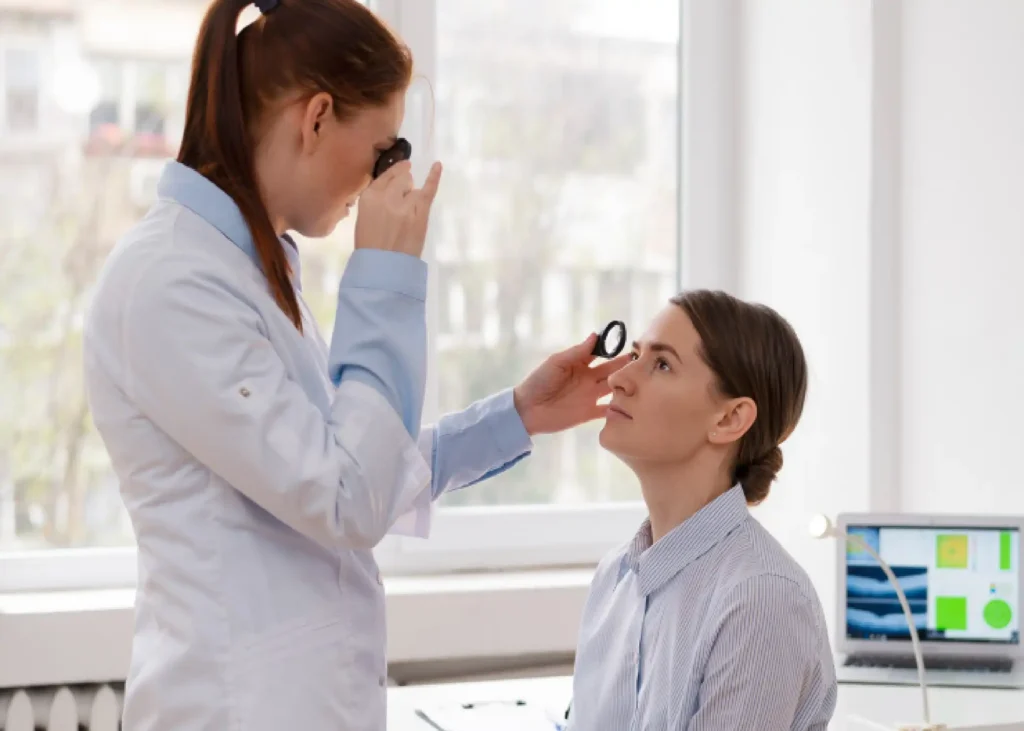
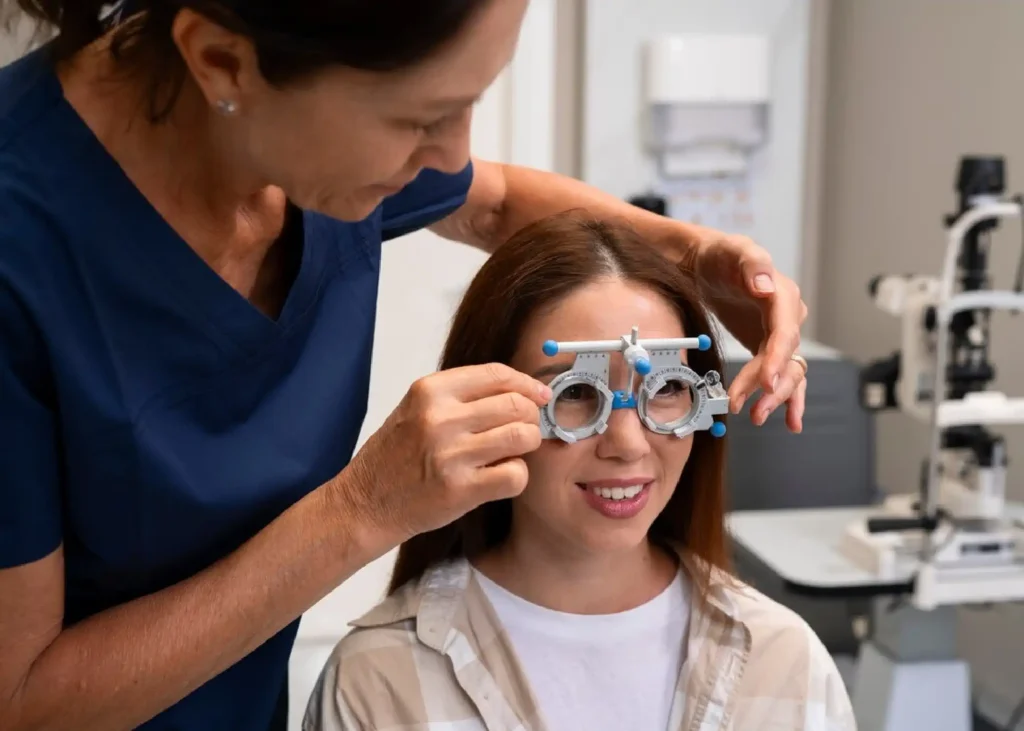
A comprehensive eye exam includes several painless tests to detect cataracts:
- Visual acuity test: Reading letters on a chart to measure sharpness.
- Slit-lamp examination: A microscope lets your ophthalmologist see the structures of your eye, including any cloudiness in the lens.
- Retinal exam: Eye drops dilate your pupils so the back of your eye can be examined.
- Contrast sensitivity testing: Measures how well you see subtle shades of gray — an early clue to cataracts.
These tests confirm whether your symptoms are due to cataracts or another eye condition like macular degeneration or glaucoma.
When Should You Consider Cataract Surgery?
There’s no fixed timeline. You don’t need surgery the moment a cataract is found. The decision depends on how much it affects your daily life.
Ask yourself:
- Do I struggle to read or drive safely?
- Do glare and lights bother me at night?
- Have colors or contrast changed noticeably?
- Do I avoid activities I used to enjoy?
If the answer is yes to several of these, it may be time to discuss surgery.
Modern cataract surgery is quick, painless, and restores clear vision in over 95% of cases. But your doctor may advise waiting if your cataract is mild and not limiting your daily function.
Patient quote: “I waited until I couldn’t see road signs clearly at night. After surgery, I realized I should’ve done it a year earlier.”
What You Can Do Before It’s Time for Surgery
Even if you’re not ready for surgery, you can protect your eyes and slow cataract progression:
- Wear sunglasses that block UVA and UVB rays.
- Stop smoking — it significantly speeds up cataract formation.
- Control diabetes and maintain a healthy diet rich in antioxidants (vitamin C, lutein, and zeaxanthin).
- Use proper lighting when reading or working.
- Schedule annual eye exams after age 50, or earlier if you have risk factors.
Lifestyle changes won’t reverse cataracts, but they can delay worsening and keep your vision comfortable longer.
Common Misconceptions About Cataracts
Myth 1: Cataracts grow on top of the eye.
Truth: They form inside the eye, within the lens, not on the surface.
Myth 2: You can treat cataracts with drops or diet.
Truth: No proven eye drops can dissolve cataracts — surgery is the only effective cure once they interfere with vision.
Myth 3: You must wait until the cataract is “ripe.”
Truth: Modern technology allows surgery at any stage, whenever vision begins to affect daily activities.
Myth 4: Cataract surgery is risky or painful.
Truth: It’s among the safest surgeries performed today, with minimal discomfort and rapid recovery.
Real Patient Perspectives
In online discussions, you’ll find a recurring theme: people realize they’d adapted to poor vision for too long.
“I kept saying, ‘I can still get by.’ But after surgery, I saw how bright and detailed everything was. I hadn’t known how much I was missing.”
“Colors looked like they’d been turned back on. Even the sky looked different.”
These stories remind us that cataracts don’t just blur sight — they dim your experience of the world.
When to See Your Eye Doctor
Book an eye exam if you experience:
- Gradual fading of color or contrast
- Glare or halos around lights
- Difficulty driving at night
- Frequent prescription changes
- Blurry or cloudy vision, even occasionally
Don’t wait for severe symptoms. Early detection helps you and your ophthalmologist plan the right timing for surgery — so you stay safe, independent, and confident in your vision.
If you’ve noticed dull colors, glare, or blurry vision that comes and goes, schedule a comprehensive eye exam with our ophthalmology team.
Early assessment can confirm whether cataracts are forming and help you make informed decisions about treatment — before your vision limits your lifestyle.
Don’t just “get by” — see clearly again with the right care.