Night blindness, also called nyctalopia, does not mean complete blindness at night. It means you struggle to see in dim light or you take too long to adjust after the lights go down. Common causes include vitamin A deficiency, cataracts, uncorrected myopia, and inherited retinal diseases such as retinitis pigmentosa. Some causes are treatable, while others need long-term monitoring and vision support. If you have trouble driving at night, keep bumping into things in dim rooms, or notice worsening side vision, you should schedule a full eye exam.
Night Blindness – Causes, Diagnosis & Treatment Options
Night blindness is one of those symptoms people often ignore for too long. Many patients do not say, “Doctor, I have nyctalopia.” They say, “I can’t see properly when I drive at night,” or “I need much more time to adjust when I enter a dark room,” or “Headlights seem too bright and everything else disappears.” Those are very real complaints, and they deserve attention.
The first thing to understand is this: night blindness is usually a symptom, not a final diagnosis. In other words, something is making your eyes or retina work poorly in low light. That “something” may be simple and treatable, such as an outdated glasses prescription. It may also be a sign of cataract, vitamin A deficiency, or an inherited retinal disease such as retinitis pigmentosa.
For Indian families, this topic has extra relevance. While many people assume night vision trouble is always due to screen use or tiredness, nutrition can still matter, especially in children, pregnant women, people with very restricted diets, and people with gut conditions that reduce vitamin absorption. Worldwide, vitamin A deficiency remains a significant cause of preventable eye disease, especially in South Asia and other low- and middle-income regions.
What does “night blindness” actually mean?
Night blindness does not mean you see nothing after sunset. Total blindness is something very different. Night blindness usually means poor vision in dim settings, slow dark adaptation, poor contrast, or difficulty identifying faces, steps, signs, or road markings in low light. Many people also notice that the problem is worse after they have been in a bright environment and then move into darkness.
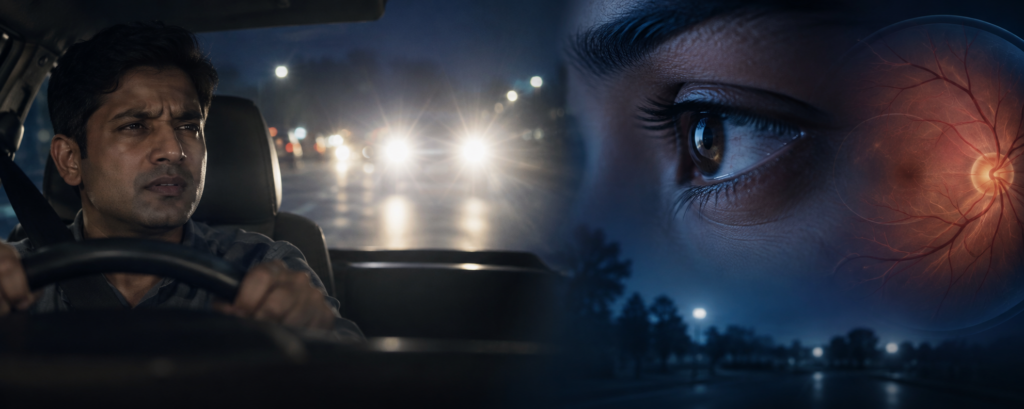
Patients often describe it in practical ways. They may hesitate while entering a cinema hall. They may avoid evening walks because pavements and steps look unclear. Teenagers may struggle on dimly lit playgrounds. Adults often first notice the issue while driving, especially in rain, on poorly lit roads, or when headlights from oncoming traffic create glare.
How normal night vision works
To understand night blindness, it helps to know a little about how the eye works in darkness. The retina is the light-sensitive layer at the back of the eye. It contains cone cells, which help with color and detail in bright light, and rod cells, which are much more important in dim light. When you move from a bright place to a darker place, your rods gradually take over. This is called dark adaptation.
Vitamin A is essential in this process because it helps the retina make rhodopsin, a light-sensitive pigment used by rod cells. If vitamin A stores are low, the retina cannot adapt normally in low light, and night vision suffers. That is why night blindness is one of the earliest signs of vitamin A deficiency.

The most common causes of night blindness
1) Vitamin A deficiency
Vitamin A deficiency is one of the most important medical causes of night blindness. In the early stage, patients may simply notice poor vision in dim light. If the deficiency becomes more severe or long-lasting, the eye surface can become dry, and the cornea can be damaged. In serious cases, this can lead to permanent vision loss.
This matters because vitamin A deficiency does not happen only in severe starvation. It can also appear in people with very limited food variety, eating disorders, chronic intestinal disease, celiac disease, Crohn’s disease, pancreatic problems, or after certain weight-loss or bowel surgeries. Some medicines can also reduce vitamin A absorption.
In India and across South Asia, a diet low in animal sources of vitamin A and low in colorful fruits and vegetables can still contribute, especially in children and women during pregnancy or breastfeeding. Food sources of vitamin A include eggs, milk, fish, liver, and orange, yellow, and dark green produce such as carrots, spinach, sweet potato, mango, apricot, and pumpkin.
An important warning: vitamin A is helpful when deficiency is real, but high-dose self-medication is not safe. Too much preformed vitamin A from supplements can cause toxicity, and high doses during pregnancy can harm the baby. Supplements should be taken only after proper medical advice.
2) Retinitis pigmentosa and other inherited retinal disorders
Retinitis pigmentosa, usually called RP, is a group of inherited retinal diseases. In many patients, the earliest symptom is night blindness, often starting in childhood, the teenage years, or early adulthood. Over time, side vision becomes narrower, leading to tunnel vision. Later, central vision may also decline.
This is a very different problem from simple refractive error. In RP, the retina itself is gradually losing function. Some patients also notice light sensitivity or reduced color vision. A family history can be a clue, but not always, because inheritance patterns vary. Some inherited syndromes, such as Usher syndrome, can affect both hearing and vision.
RP does not currently have a universal cure, but early diagnosis still matters. It helps patients protect remaining vision, access low-vision care, understand prognosis, consider genetic counseling, and learn whether they may qualify for research studies or newer targeted treatments for specific inherited conditions.
3) Cataracts
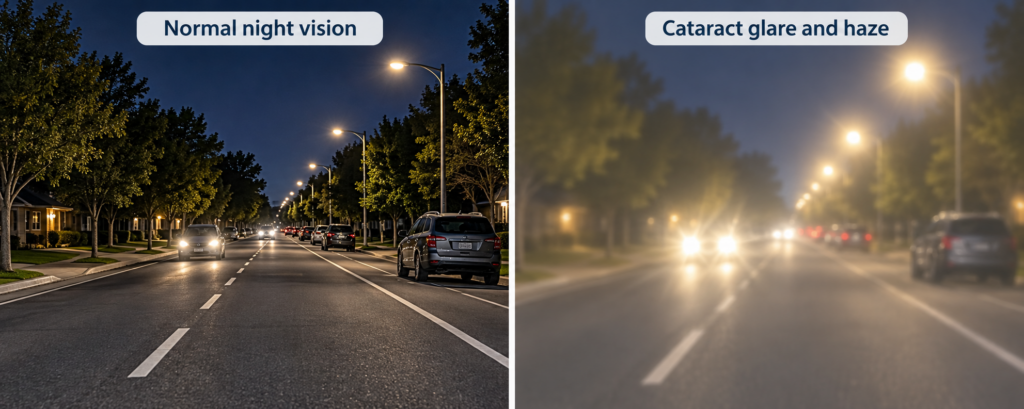
A cataract is a clouding of the natural lens inside the eye. As cataracts develop, they scatter incoming light. In daylight, this may cause blur or faded colors. At night, it often causes much more trouble because glare from headlights, streetlights, and reflections becomes harder to handle. Many patients say, “I can still see, but driving after dark feels unsafe.” That is a classic cataract complaint.
Cataracts are more common with age, but they can also occur earlier because of diabetes, steroid use, trauma, inflammation, radiation exposure, or previous eye surgery. When cataracts are the cause, the good news is that treatment is usually very effective. Cataract surgery removes the cloudy lens and replaces it with a clear artificial one.
4) Uncorrected myopia and other refractive errors
Sometimes night blindness is not true retinal disease at all. It is poor image quality. If you are myopic, especially if your glasses prescription is outdated, road signs and distant objects become more blurred in dim conditions. At night, the visual system already has less contrast to work with, so even mild refractive error can feel much worse.
This is one reason some people say they can manage during the day but hate night driving. Myopia, astigmatism, glare, and eyestrain can combine to make low-light tasks more difficult. The fix may be as simple as an updated refraction and the correct pair of spectacles.
Other possible causes
Less common causes include congenital stationary night blindness, certain retinal disorders, some medicines, and occasionally eye conditions associated with diabetes or other retinal damage. That is why persistent night vision trouble should not be dismissed as “normal.” A symptom can look simple on the surface but have very different causes underneath.
What symptoms usually come with night blindness?
Night blindness rarely comes alone. The associated symptoms often help us narrow the cause. With vitamin A deficiency, there may also be dry eyes, poor diet history, malabsorption, or other deficiency symptoms. With RP, patients may report bumping into objects at the side, trouble moving in dark places since childhood, or a family history of similar complaints. With cataract, glare and halos around lights become prominent. With myopia, distance blur is usually part of the story.
Children can present differently. Parents may notice that a child avoids dark areas, seems fearful in dim light, needs extra time after lights are switched off, or performs poorly outdoors in the evening. These signs should not be brushed aside, especially if there is a family history of inherited eye disease.
How do we diagnose the cause?
A proper diagnosis starts with a detailed history. I would want to know when the problem began, whether it came on gradually or suddenly, whether one or both eyes are involved, whether glasses help, whether there is glare, whether the side vision feels reduced, what the diet is like, whether there has been intestinal disease or surgery, and whether anyone else in the family has similar symptoms.
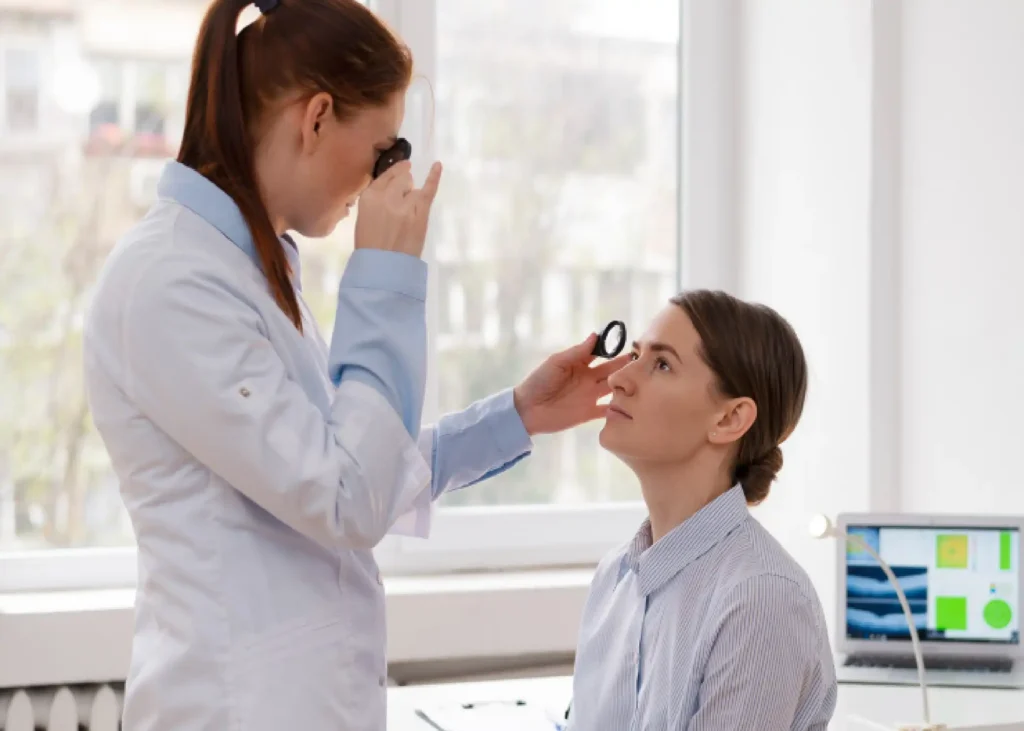
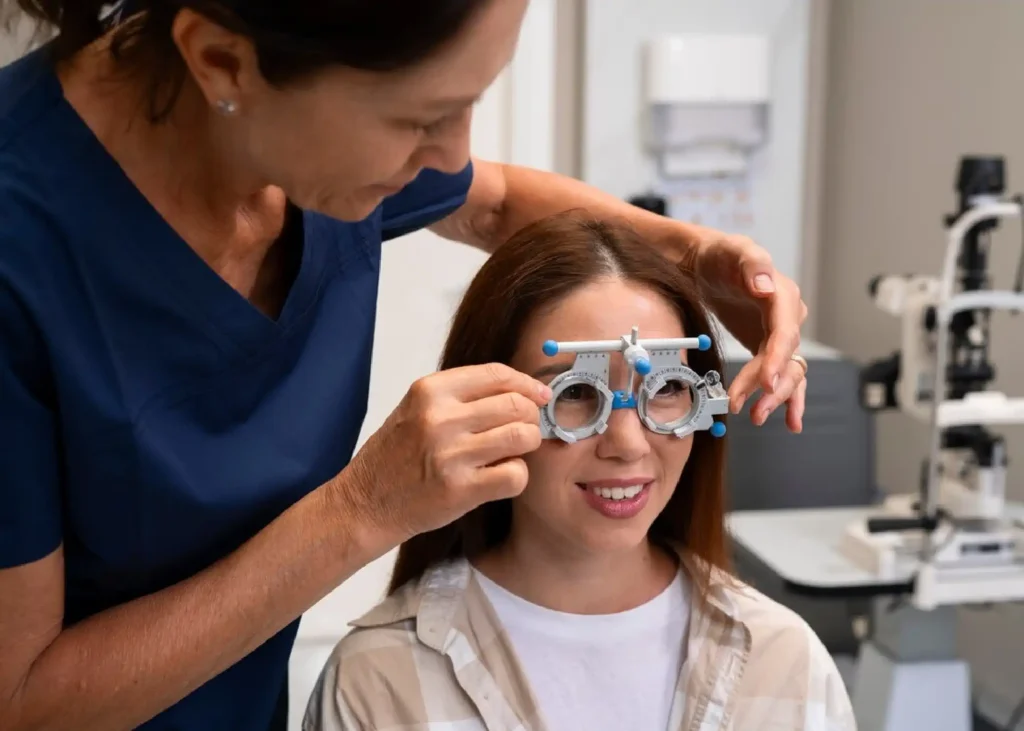
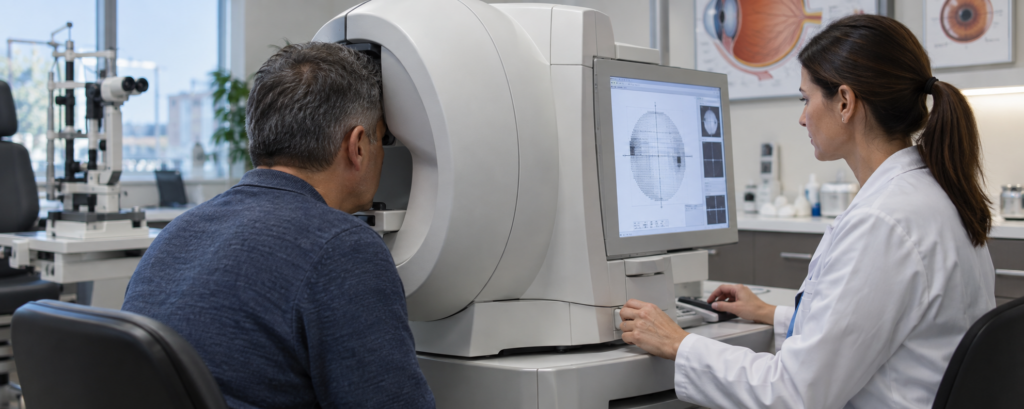
The eye examination usually includes visual acuity testing, refraction, slit-lamp examination, pupil testing, and a careful retinal exam. A dilated eye exam is especially important because it helps us inspect the lens, retina, and optic nerve properly.
Depending on what we suspect, additional tests may include a visual field test, electroretinography or ERG to see how the retina responds to light, OCT imaging of the retina, and sometimes genetic testing if an inherited retinal disorder is likely.
If vitamin A deficiency is suspected, blood testing such as serum retinol may be used to support the diagnosis, although clinical findings and dietary history are still very important. In other words, the answer may come from combining the story, the eye exam, and laboratory clues.
Treatment depends entirely on the cause
This is the most important message for patients: there is no one-size-fits-all “night blindness treatment.” The treatment works only when the diagnosis is correct.
If the cause is refractive error, treatment may simply be updated glasses or contact lenses. This can make a surprisingly large difference for people who mainly notice problems while driving at night.
If the cause is cataract, cataract surgery is the definitive treatment when symptoms begin interfering with daily life. In real-world terms, that often means difficulty driving, reading, working, or managing glare comfortably.
If vitamin A deficiency is the problem, treatment includes correcting the deficiency safely. That may involve supervised vitamin A supplementation, improving diet, and looking for the reason the body became deficient in the first place. For some patients, the real issue is not poor intake but poor absorption due to intestinal disease or prior surgery.
If the cause is RP or another inherited retinal disorder, the goal shifts. We focus on confirming the diagnosis, preserving function as much as possible, using low-vision aids when needed, advising on safe mobility, and considering genetic counseling and retinal specialist follow-up. While that may sound less satisfying than a “quick cure,” it is still meaningful care and can greatly improve quality of life.
Practical care tips for people struggling with night vision
While you are waiting for evaluation or treatment, daily safety matters. Be cautious with night driving. MedlinePlus specifically advises avoiding driving at night unless your eye doctor says it is safe. This advice may feel inconvenient, but it can prevent serious accidents.
At home, improve lighting in stairways, entrances, and bathrooms. Give your eyes a few extra seconds to adapt when moving from bright to dim places. Keep spectacle lenses clean. Replace scratched lenses. Use your correct prescription. And do not ignore worsening glare, especially if you are over 40 or have diabetes.
From a nutrition point of view, aim for a varied diet rather than a single “eye superfood.” Regular intake of vitamin A-containing foods is more useful than occasional overcorrection. Eggs, dairy, fish, dark green leafy vegetables, carrots, pumpkin, sweet potato, mango, and apricot can all contribute. But again, food is safer than random high-dose capsules unless a doctor confirms deficiency.
When should you see an eye doctor?
You should book an eye examination if you regularly struggle to see in dim light, avoid driving at night, take unusually long to adjust in darkness, or notice that the problem is getting worse. You should also get checked if your child seems unusually hesitant in dark places or if there is a family history of retinal disease.
Seek urgent medical care if vision drops suddenly, especially if it is associated with flashes, floaters, a curtain-like shadow, pain, or severe new symptoms. Sudden vision loss is never something to “watch and wait.”
A final word to patients and families
Night blindness is common enough to be overlooked, but important enough to take seriously. Sometimes the cause is simple, such as uncorrected myopia. Sometimes it points to cataract. Sometimes it is a nutritional signal your body has been sending for months. And sometimes it is the first clue to an inherited retinal condition that needs careful long-term care.
The reassuring part is that many causes are identifiable, and some are very treatable. The unsafe choice is not the diagnosis. The unsafe choice is delay. If you or a family member feels that darkness has become harder than it used to be, schedule a comprehensive eye exam with an ophthalmologist. A correct diagnosis can improve safety, preserve vision, and in some cases reverse the problem completely.
Book an appointment with our ophthalmologist if you are having difficulty driving at night, trouble adjusting in dim light, or a family history of night vision problems. A comprehensive eye exam can identify the cause and guide the right treatment before the problem worsens.
References
- National Eye Institute: Retinitis Pigmentosa (National Eye Institute)
- National Eye Institute: Cataracts (National Eye Institute)
- MedlinePlus Medical Encyclopedia: Vision – Night Blindness (MedlinePlus)
- NIH Office of Dietary Supplements: Vitamin A and Carotenoids (Office of Dietary Supplements)
- World Health Organization: Vitamin A Deficiency (who.int)