If glaucoma runs in your family, it means you have a higher risk of developing this sight-threatening condition, often called the "silent thief of sight." The good news is that being proactive with early and regular eye screenings is your most powerful tool for prevention and preserving your vision. Understanding your genetic risk and taking timely steps, including specific eye tests and healthy lifestyle choices, can make all the difference in catching glaucoma early, even before symptoms appear, and managing it effectively.
Glaucoma Runs in Your Family? Your Proactive Guide to Early Screening & Prevention
"Doctor, my father lost his sight to glaucoma. Will I get it too?" This is a question I hear so often in my clinic, especially from young adults and those in their 30s and 40s. The worry in their eyes is palpable, and it's completely understandable. When a condition like glaucoma has touched your family, the fear of it affecting you or your loved ones can be very real.
Let's address this concern head-on. Yes, having a family history of glaucoma does increase your risk. It’s not a guarantee you'll get it, but it does mean you need to be more vigilant. Think of it like a family tendency for diabetes or high blood pressure – it’s a sign to be more proactive, not to panic. My goal today is to give you a clear, reassuring guide on what this family link means for you, and more importantly, what concrete steps you can take right now to protect your vision. We'll talk about why early screening is very important, what tests are most helpful, and how simple lifestyle adjustments can play a big role.
What Exactly Is Glaucoma, and Why Is It So Tricky?
Before we dive into family history, let's quickly understand what glaucoma is. Imagine your eye as a delicate camera, constantly taking in light and sending images to your brain. The optic nerve is the cable connecting this camera (your eye) to your brain. Glaucoma is a group of eye conditions that damage this vital optic nerve. When the optic nerve is damaged, it can lead to vision loss, starting with your side (peripheral) vision and, if untreated, progressing to central vision and even blindness.
The tricky part? Glaucoma often develops very slowly, without any pain or noticeable symptoms in its early stages. Many people don't even realise they have it until significant vision loss has already occurred. This is why it's often called the "silent thief of sight." You might not notice your peripheral vision slowly dimming, especially because your other eye can compensate, or your brain simply "fills in" the missing parts. By the time you notice something is wrong, the damage to the optic nerve can be quite advanced and irreversible. This silent progression is precisely why a family history makes proactive screening so incredibly important.
What Does "Glaucoma Runs in the Family" Really Mean for You?
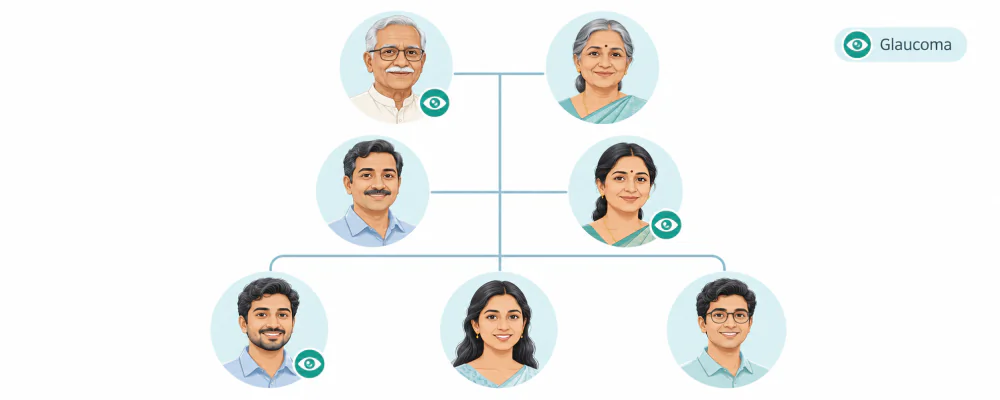
When we talk about glaucoma running in the family, we're primarily referring to Primary Open-Angle Glaucoma (POAG), which is the most common type. While the exact genes aren't fully understood yet, research shows a strong genetic component. If your parent, sibling, or even a grandparent had glaucoma, your risk can be four to nine times higher than someone with no family history.
Think about it this way: just as certain physical traits like eye colour or height are passed down, a predisposition to certain health conditions can also be inherited. In glaucoma, this might mean you inherit a tendency for higher eye pressure, or perhaps your optic nerve is naturally more susceptible to damage even at normal pressures.
In India, we also see a significant prevalence of angle-closure glaucoma, which also has a genetic component, especially in certain ethnic groups. This type happens when the drainage angle in your eye narrows or closes, causing a sudden and often painful spike in eye pressure. While distinct from POAG, a family history of any type of glaucoma warrants careful attention.
It's not about blaming your genes; it's about being informed. Knowing you have this family link gives you the power to be proactive and stay ahead of the condition, rather than reacting to it later.
Why Early Detection is Your Best Weapon Against Glaucoma
Since glaucoma often shows no symptoms until it's advanced, waiting for signs means waiting for irreversible damage. This is why early detection is not just important; it's your best defence.
Imagine you have a beautiful, intricate carpet in your home. If a small tear appears, you can mend it, and the carpet is largely saved. But if you ignore it, the tear can unravel, becoming bigger and bigger until the carpet is ruined beyond repair. Your optic nerve is like that carpet. Once the nerve fibres are damaged, they cannot be regrown or repaired. The vision you lose to glaucoma is lost forever.
However, if we catch glaucoma early, when the damage is minimal, we can usually slow down or halt its progression. This means preserving your existing vision, often for a lifetime. This is particularly true for those with a family history. Because you are at higher risk, we don't wait for symptoms; we actively look for the earliest, subtlest changes in your eyes. Regular check-ups become your shield, allowing us to monitor your eyes closely and intervene at the first sign of trouble. This proactive approach can literally save your sight.
Your Proactive Checklist: What Eye Tests to Expect and Why They Matter
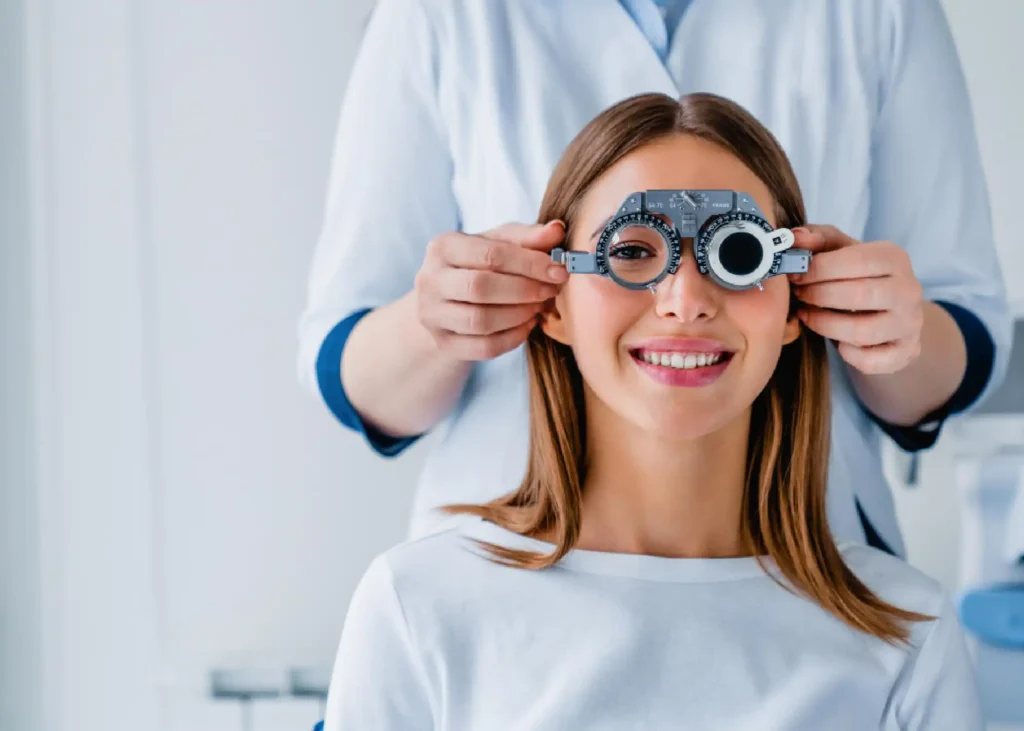
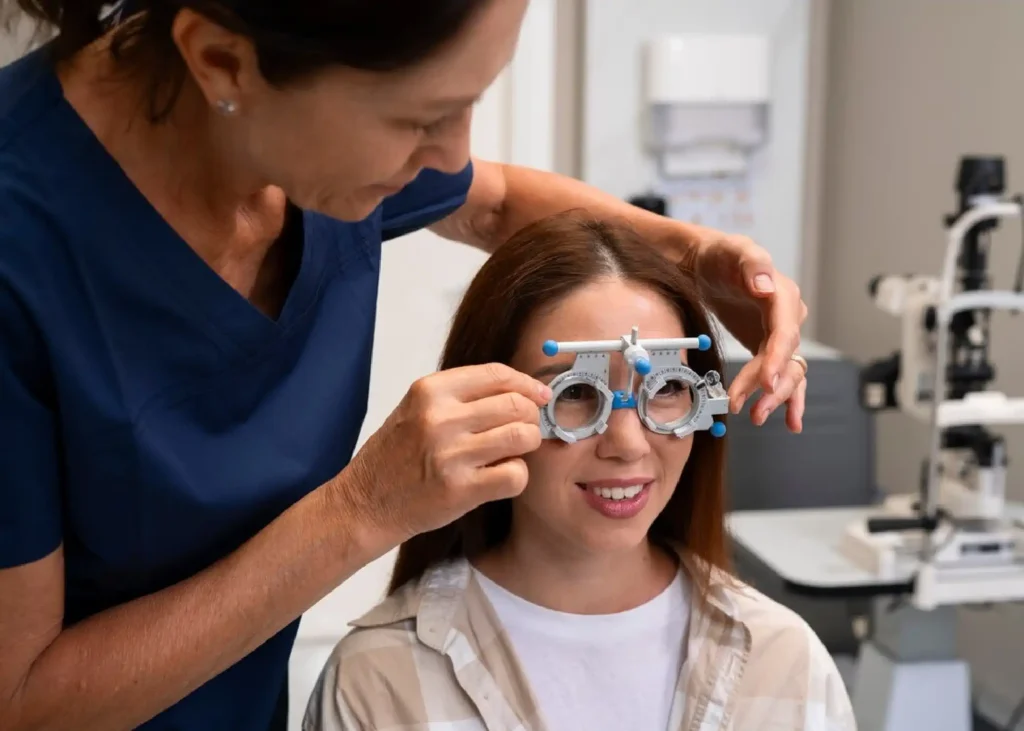
If you have a family history of glaucoma, your eye examination will be more thorough and focused on specific checks. It's not just about reading an eye chart; it's about a detailed investigation into the health of your optic nerve and the pressure inside your eye. Here's what you can expect during a comprehensive glaucoma screening:
The Eye Pressure Check (Tonometry)
This is often the first test people think of when they hear "glaucoma." We measure the intraocular pressure (IOP), which is the fluid pressure inside your eye. While high eye pressure is a major risk factor for glaucoma, it's important to remember that not everyone with high pressure develops glaucoma, and some people can develop glaucoma even with normal eye pressure (this is called normal-tension glaucoma).
- How it's done: We often use a small instrument that gently touches your eye after numbing drops are applied. It's quick and painless.
- Why it matters for you: For those with a family history, even eye pressures at the higher end of "normal" might be a concern, as your optic nerve could be more vulnerable. We'll monitor this trend over time.
Looking Closely at Your Optic Nerve (Ophthalmoscopy)
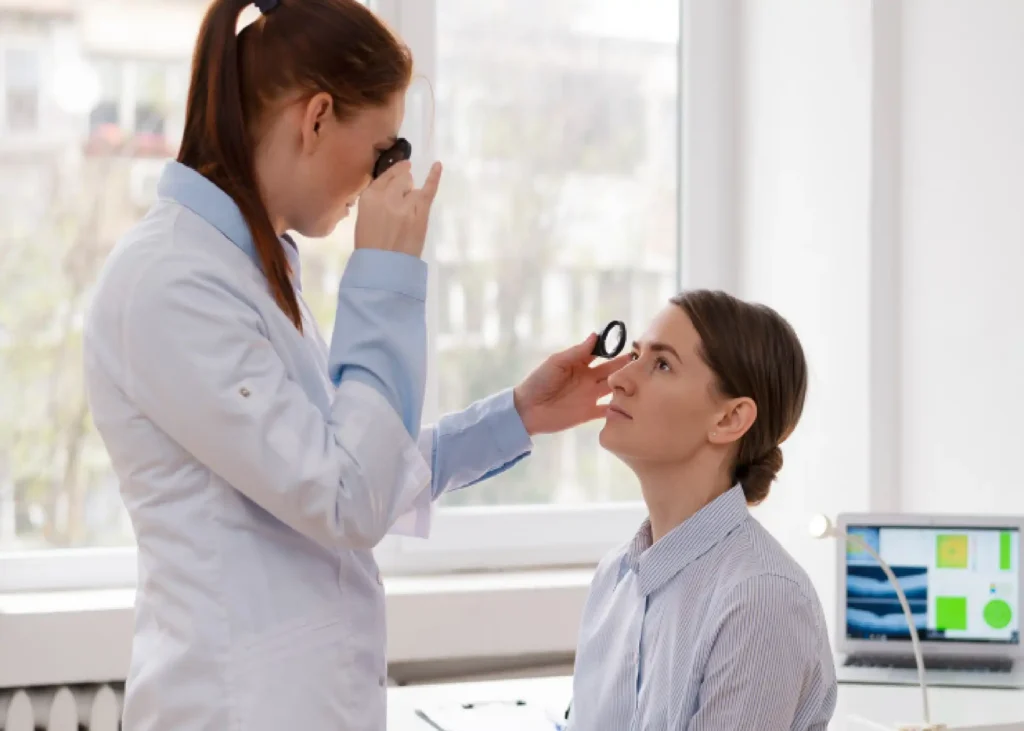
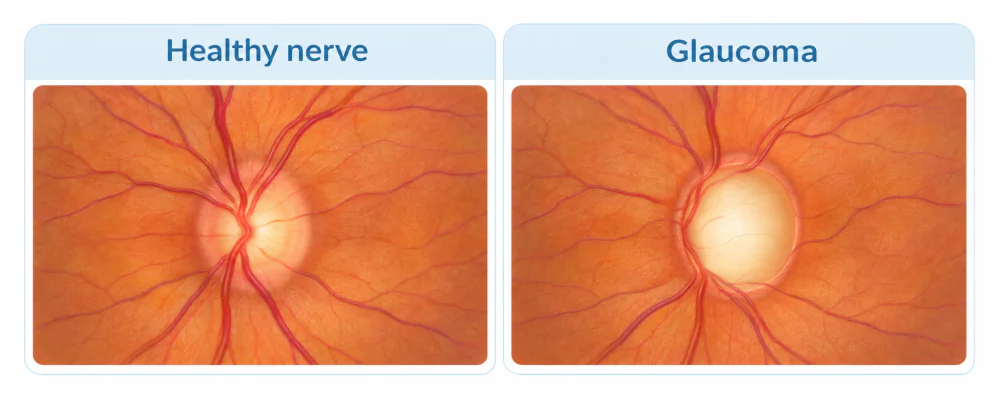
This is perhaps the most critical part of the exam. I will use special instruments to look directly at your optic nerve at the back of your eye. I'm looking for specific changes in its appearance – the shape, colour, and any signs of thinning or damage.
- How it's done: After dilating your pupils with eye drops (which might make your vision blurry for a few hours), I'll use a bright light and a magnifying lens to get a clear view.
- Why it matters for you: This is where the earliest signs of glaucoma damage often show up. Even before pressure rises significantly, subtle changes in the optic nerve can indicate a problem. Comparing these findings over multiple visits helps us track any progression.
Mapping Your Side Vision (Visual Field Test)
This test assesses your peripheral vision, which is the first area typically affected by glaucoma. You'll sit in front of a bowl-shaped instrument and look at a central target while dim lights flash at different points in your side vision. You press a button every time you see a light.
- How it's done: It takes about 5-10 minutes per eye and requires your concentration. It might feel a bit tedious, but it's vital.
- Why it matters for you: This test helps us detect blind spots (scotomas) that you wouldn't notice in your daily life. Regular visual field tests help us confirm if any optic nerve damage is actually impacting your vision.
Detailed Optic Nerve Scan (Optical Coherence Tomography – OCT)
The OCT scan is a non-invasive imaging test that creates detailed cross-sectional pictures of your optic nerve and the retinal nerve fibre layer. Think of it as an MRI for the back of your eye, but using light waves instead of magnets.
- How it's done: You simply place your chin on a rest and look into the machine. It's quick, painless, and doesn't require pupil dilation in most cases.
- Why it matters for you: The OCT can detect subtle thinning of the nerve fibres even before it's visible during a physical exam or shows up on a visual field test. This provides extremely valuable baseline information and allows for very early detection of changes over time, especially important for those with a family predisposition.
Checking the Drainage Angle (Gonioscopy)
This test allows me to examine the drainage angle of your eye, which is where the fluid inside your eye flows out. This helps determine if you have open-angle or angle-closure glaucoma.
- How it's done: After numbing your eye, a special contact lens with mirrors is placed gently on your eye. It's quick and painless.
- Why it matters for you: This helps us understand the specific type of glaucoma risk you might have, guiding the best prevention and treatment strategies. For instance, if you have narrow angles, we might discuss preventative laser treatment (laser iridotomy) to reduce your risk of angle-closure glaucoma.
These tests, performed regularly, create a comprehensive picture of your eye health. For someone with a family history, establishing a baseline early on and tracking these parameters over years is the cornerstone of proactive care.
Beyond Tests: Lifestyle Choices That Can Support Your Eye Health
While genetics play a role, your lifestyle choices can also influence your overall eye health and potentially reduce your risk or help manage glaucoma. Think of these as supportive measures that complement your regular screenings.
- Eat a Balanced Diet: A diet rich in fruits, vegetables, and leafy greens like spinach (palak) and kale provides antioxidants that are beneficial for eye health. Omega-3 fatty acids, found in fish like salmon or flaxseeds, are also thought to be good for your eyes. In India, incorporating a variety of seasonal produce and traditional, home-cooked meals packed with nutrients can be a great step.
- Regular Exercise: Moderate physical activity, like a brisk walk, jogging, or yoga, can help lower eye pressure and improve blood flow to the optic nerve. Aim for at least 30 minutes of moderate exercise most days of the week.
- Maintain a Healthy Weight: Obesity can contribute to other health conditions like diabetes and high blood pressure, which are themselves risk factors for glaucoma.
- Manage Underlying Health Conditions: If you have diabetes, high blood pressure, or thyroid problems, ensure they are well-controlled. These conditions can impact your eye health significantly and worsen glaucoma risk or progression. Regular check-ups with your general physician are just as important as your eye doctor visits.
- Protect Your Eyes from Injury: Eye injuries can lead to secondary glaucoma. Always wear protective eyewear during sports, household chores involving chemicals, or when working with tools.
- Be Mindful of Steroid Use: Long-term use of steroid medications, especially steroid eye drops, can increase eye pressure and lead to a type of glaucoma. Always use steroid medications under strict medical supervision.
- Limit Caffeine and Smoking: While not definitively proven to cause glaucoma, excessive caffeine intake might temporarily increase eye pressure. Smoking is a known risk factor for many eye diseases, including glaucoma, so quitting is always a good idea.
- Practice Good Sleep Hygiene: Some studies suggest a link between sleep apnea and glaucoma. If you snore loudly or suspect you have sleep apnea, discuss it with your doctor.
These lifestyle adjustments are not a substitute for professional eye care and regular screenings, but they are powerful allies in maintaining your overall health, including your vision.
When Should You Start Your Glaucoma Screenings?
This is an important question for anyone with a family history. Generally, if you have a first-degree relative (parent or sibling) with glaucoma, I recommend starting your comprehensive eye exams much earlier than the general population.
- If you have a direct family member with glaucoma: Begin regular, dilated eye exams every one to two years starting by age 35-40, or even earlier if the family member developed glaucoma at a younger age. For instance, if your father was diagnosed at 45, you should consider starting your screenings in your late 20s or early 30s.
- If you have other risk factors in addition to family history (like diabetes, high myopia, or African/Hispanic ancestry), your ophthalmologist might recommend even earlier and more frequent screenings.
Remember, these are general guidelines. Your ophthalmologist will create a personalized screening schedule based on your specific family history, your age, ethnicity, and other individual risk factors. The key is not to wait until you notice a problem, because with glaucoma, that's often too late. Be proactive, be consistent, and keep that important conversation open with your eye doctor.
Not Sure if Your Eye Health is on Track? Let's Find Out Together
The thought of glaucoma can be daunting, especially when you know it runs in your family. But knowledge is power, and taking action is your greatest defence. If you have a family history of glaucoma, or if you're simply concerned about your eye health, don't delay. The most important step you can take today is to schedule a comprehensive eye examination.
Our experienced team is here to provide thorough screenings, answer all your questions, and guide you through a personalised eye care plan. Let's work together to protect your vision and ensure your eyes remain healthy for years to come. Your sight is invaluable, and proactive care is the best investment you can make.
References
- Glaucoma – National Eye Institute – https://www.nei.nih.gov/eye-health-information/eye-conditions-and-diseases/glaucoma
- Normal-tension glaucoma – Mayo Clinic – https://www.mayoclinic.org/diseases-conditions/normal-tension-glaucoma/symptoms-causes/syc-20375716
- Glaucoma: Risk factors – American Academy of Ophthalmology – https://www.aao.org/eye-health/diseases/glaucoma-risk-factors