
YAG Laser Peripheral Iridotomy (LPI) in Hyderabad: Cost, Procedure & Recovery
YAG Laser Peripheral Iridotomy (LPI) is a quick and effective laser procedure used to treat certain types of glaucoma. It helps to improve the flow of fluid inside your eye, reducing eye pressure and preventing vision loss. This intervention is a crucial step for many patients to manage their eye health.
QUICK FACTS
- Procedure Duration: 15-30 minutes
- Anesthesia Type: Topical numbing eye drops
- Recovery Time: 24-48 hours
- Hospital Stay: Daycare / No overnight admission required
UNDERSTANDING THE BASICS
What is YAG Laser Peripheral Iridotomy (LPI)?
Imagine your eye as a tiny house with a plumbing system that keeps the pressure just right. In some cases of glaucoma, this drainage system gets blocked, causing fluid to build up and eye pressure to rise, which can damage your optic nerve – the cable connecting your eye to your brain. YAG Laser Peripheral Iridotomy (LPI) is a precise laser procedure where your ophthalmologist creates a tiny, new opening in your iris, the colored part of your eye. This small hole acts like a new drain, allowing fluid to flow more freely from the back of your eye to the front, thereby reducing the pressure inside your eye and protecting your vision.
CONDITIONS AND SYMPTOMS
Why is YAG Laser Peripheral Iridotomy (LPI) performed?
Eye Conditions Treated
- Primary Angle-Closure Glaucoma (PACG): Where the iris blocks the drainage angle of the eye.
- Acute Angle-Closure Glaucoma Attack: A sudden, painful rise in eye pressure requiring urgent intervention.
- Pupillary Block Glaucoma: A specific mechanism of angle closure where the iris blocks fluid flow.
- Prophylactic Treatment: For individuals at high risk of developing angle-closure glaucoma, even without current symptoms.
Symptoms You Might Be Experiencing
- Sudden, severe eye pain
- Blurred vision or halos around lights
- Redness in the eye
- Headache, often on the same side as the affected eye
- Nausea and vomiting (in acute cases)
SURGICAL JOURNEY STEP-BY-STEP
How is the YAG Laser Peripheral Iridotomy (LPI) Procedure Performed?
1. How to Prepare Before the Procedure
- Consultation and Examination: Your ophthalmologist will conduct a thorough eye exam, including measuring your eye pressure and examining the drainage angle.
- Medication Review: Discuss all current medications, including over-the-counter drugs and supplements, with your doctor. You may be asked to stop certain blood thinners temporarily.
- Pre-Procedure Eye Drops: You might be prescribed eye drops to use before the procedure to prepare your eye.
- Arrange Transportation: Since your vision might be temporarily blurry, arrange for someone to drive you home after the procedure.
- Ask Questions: Ensure all your concerns are addressed by your medical team before the day of the procedure.
2. What Happens During the Procedure?
The YAG Laser Peripheral Iridotomy (LPI) is typically performed in an outpatient clinic setting and is very quick.
- Numbing Eye Drops: First, numbing eye drops will be applied to your eye to ensure you feel no pain during the procedure.
- Lens Placement: A special contact lens may be placed on your eye to help focus the laser beam precisely.
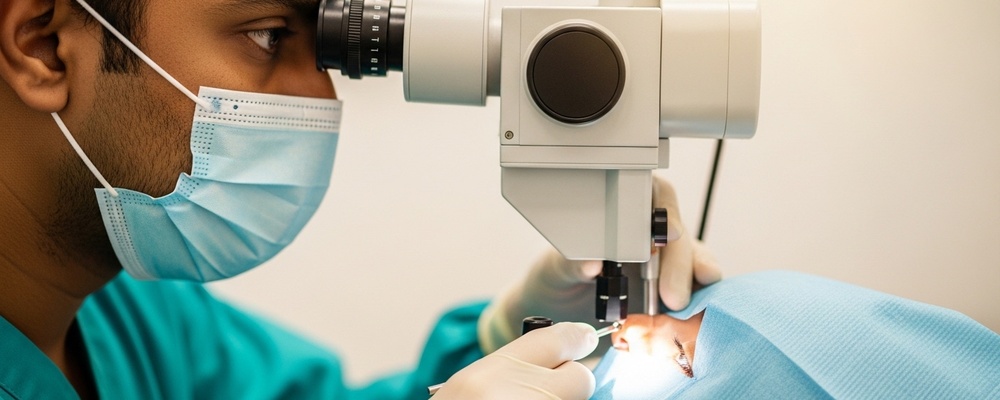
- Laser Application: You will be asked to sit comfortably in front of a specialized laser machine. Your doctor will then use a YAG laser to create a tiny, microscopic opening in your iris. You might hear a clicking sound and see bright flashes of light, but you should not feel any pain.
- Quick and Precise: The entire laser application usually takes only a few minutes per eye, performed with extreme precision to ensure safety and effectiveness.
3. What to Expect Immediately After the Procedure
- Brief Observation: After the procedure, you’ll rest for a short period, typically 15-30 minutes, to allow your doctor to check your eye pressure.
- Eye Drops: You will likely be prescribed anti-inflammatory eye drops to use for a few days to prevent inflammation.
- Temporary Blurriness: Your vision might be slightly blurry or you may experience some glare or light sensitivity immediately after due to the numbing drops and bright lights. This usually resolves quickly.
- No Patching: Generally, no eye patch is needed, and you can usually resume light activities the same day, though driving is not recommended.
POST-OPERATIVE CARE AND TIMELINE
Recovery and Post-Operative Care
Recovery from YAG Laser Peripheral Iridotomy (LPI) is generally quick and straightforward.
- Do’s:
- Use prescribed eye drops diligently as instructed by your doctor.
- Attend all follow-up appointments to monitor your eye pressure and healing.
- Wear sunglasses outdoors if you experience light sensitivity.
- Maintain good eye hygiene.
- Don’ts:
- Avoid rubbing or pressing your eyes.
- Do not engage in strenuous activities or heavy lifting for the first few days.
- Avoid swimming or hot tubs for at least a week to prevent infection.
- Do not apply eye makeup for a few days.
- Day 1: You might experience mild irritation, light sensitivity, or a slight headache. Vision should start to clear. Continue using prescribed eye drops.
- Week 1: Most discomfort should subside. Your eye pressure will be checked at a follow-up appointment. You can typically resume most normal activities, avoiding anything that could strain your eyes.
- Month 1: Your eye should be fully healed from the laser procedure. Regular follow-up appointments will be scheduled to monitor your long-term eye pressure and glaucoma management.
COST AND INSURANCE COVERAGE IN HYDERABAD
Cost of YAG Laser Peripheral Iridotomy (LPI) in Hyderabad & Insurance Options
- Estimated Local Investment: ₹5000 – ₹20000
- Cost Determinants: The cost of YAG Laser Peripheral Iridotomy (LPI) in Hyderabad can vary based on several factors:
- Hospital or Clinic Choice: Prices can differ significantly between private hospitals, specialized eye clinics, and government facilities.
- Ophthalmologist’s Experience: Highly experienced or renowned surgeons may charge more for their expertise.
- Pre-operative Tests: The number and type of diagnostic tests required before the procedure can influence the overall cost.
- Post-operative Care: The inclusion of follow-up visits and prescribed medications in the package can affect the total price.
- Complexity of the Case: While LPI is generally straightforward, unusual anatomical variations might slightly increase the procedural time or complexity.
- Insurance Protocol: YAG Laser Peripheral Iridotomy (LPI) is considered a therapeutic ‘Medical Necessity’ for treating or preventing glaucoma. As such, it is typically covered by most major health insurance providers and Third-Party Administrator (TPA) networks in India. It is crucial to verify your specific policy details with your insurance provider prior to the procedure to understand the extent of coverage, any deductibles, co-pays, or pre-authorization requirements. Our hospital’s billing department can assist you with the necessary documentation and insurance claim process.
FREQUENTLY ASKED QUESTIONS
Frequently Asked Questions About YAG Laser Peripheral Iridotomy (LPI)
Q: Is YAG Laser Peripheral Iridotomy (LPI) painful?
A: No, the procedure is generally not painful. Numbing eye drops are used to ensure your comfort, and you may only feel a slight pressure or see bright flashes of light.
Q: How long does the YAG LPI procedure take?
A: The actual laser application is very quick, typically lasting only a few minutes per eye. Including preparation and post-procedure checks, the total time at the clinic is usually under an hour.
Q: What are the potential risks of YAG LPI?
A: While generally safe, potential risks are rare and include temporary blurred vision, glare, mild inflammation, or a temporary rise in eye pressure. Serious complications are extremely uncommon.
Q: Will YAG LPI cure my glaucoma?
A: YAG LPI helps manage glaucoma by improving fluid drainage and reducing eye pressure, which is crucial for preventing vision loss. However, it does not “cure” glaucoma, and ongoing monitoring and treatment may still be necessary.
DISCLAIMER
Disclaimer: This content is curated using artificial intelligence and may contain inaccuracies. It is provided for informational and educational purposes only and should not be considered professional medical advice. Please consult your ophthalmologist for personalized clinical care. The prices listed in this article are indicative only and may vary based on the patient’s specific condition, procedural techniques, surgical complexity, and materials used. We strongly advise discussing actual costs directly with your healthcare provider.