
Cyclophotocoagulation (Transscleral Cyclodiode Laser or Endoscopic Cyclophotocoagulation) in Hyderabad: Cost, Procedure & Recovery
Cyclophotocoagulation is a specialized laser procedure used to treat glaucoma, a condition that damages the eye’s optic nerve. This treatment helps lower the pressure inside your eye, which is crucial for preserving your vision. It’s a safe and effective way to manage glaucoma when other treatments haven’t been enough.
QUICK FACTS
- Procedure Duration: 15-30 minutes
- Anesthesia Type: Local Anesthesia (Numbing eye drops or injection)
- Recovery Time: A few days to a week for initial recovery
- Hospital Stay: Daycare / No overnight admission required
UNDERSTANDING THE BASICS
What is Cyclophotocoagulation (Transscleral Cyclodiode Laser or Endoscopic Cyclophotocoagulation)?
Your eye constantly produces a clear fluid called aqueous humor, which normally drains away to maintain healthy pressure. In glaucoma, this fluid doesn’t drain properly, causing pressure to build up and potentially harm your optic nerve. Cyclophotocoagulation is a laser treatment that gently targets the part of your eye responsible for producing this fluid, called the ciliary body. By using a precise laser, either from outside the eye (Transscleral Cyclodiode Laser) or from inside (Endoscopic Cyclophotocoagulation), we reduce the amount of fluid produced. This helps to lower the eye pressure, protecting your vision from further damage.
CONDITIONS AND SYMPTOMS
Why is Cyclophotocoagulation (Transscleral Cyclodiode Laser or Endoscopic Cyclophotocoagulation) performed?
Eye Conditions Treated
- Glaucoma that hasn’t responded well to eye drops or other laser treatments.
- Advanced glaucoma where other surgical options are not suitable.
- Neovascular glaucoma, often linked to diabetes or other conditions.
- Glaucoma in eyes with limited visual potential, aiming to relieve pain and preserve remaining vision.
Symptoms You Might Be Experiencing
- Persistent eye pain or discomfort due to high eye pressure.
- Gradual loss of peripheral (side) vision, often unnoticed until advanced stages.
- Seeing halos around lights, especially in severe cases of high pressure.
- Redness or irritation in the eye that doesn’t improve with medication.
- Headaches, particularly around the eyes.
SURGICAL JOURNEY STEP-BY-STEP
How is the Cyclophotocoagulation (Transscleral Cyclodiode Laser or Endoscopic Cyclophotocoagulation) Procedure Performed?
1. How to Prepare Before the Procedure
- Medical Evaluation: Your ophthalmologist will conduct a thorough eye exam, including measuring your eye pressure and checking your overall eye health, to ensure this procedure is right for you.
- Medication Review: Discuss all medications you are currently taking, including over-the-counter drugs and supplements. You might be asked to stop certain blood thinners a few days before.
- Fasting: You may be asked to avoid eating or drinking for a few hours before the procedure, especially if sedation is planned.
- Arranged Transport: Plan for someone to drive you home after the procedure, as your vision may be blurry, and you might feel drowsy from any sedation.
- Comfortable Attire: Wear loose, comfortable clothing on the day of your procedure.
2. What Happens During the Procedure?
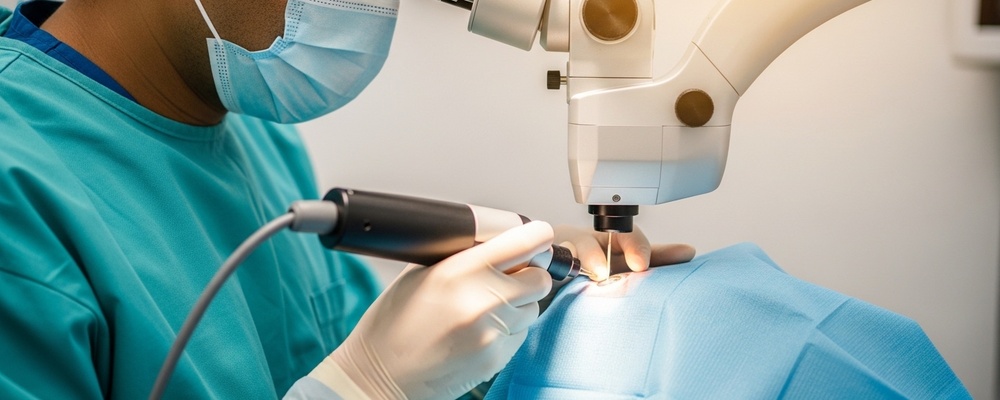
You will be comfortably positioned, usually lying down. Depending on the type of cyclophotocoagulation, your eye will be numbed using special eye drops or a local anesthetic injection around the eye, ensuring you feel no pain during the treatment.
For Transscleral Cyclodiode Laser, the surgeon will use a probe placed on the outside of your eye (on the white part, called the sclera) to deliver precise laser energy. This energy passes through the sclera to gently target the fluid-producing cells inside.
For Endoscopic Cyclophotocoagulation, a tiny camera and laser are inserted into the eye through a very small incision. This allows the surgeon to directly visualize and treat the fluid-producing cells from the inside.
The laser treatment is carefully controlled to reduce fluid production, thereby lowering your eye pressure. The entire procedure typically takes about 15-30 minutes.
3. What to Expect Immediately After the Procedure
After the procedure, you’ll rest in a recovery area for a short period while the anesthesia wears off. Your eye may be covered with a patch or shield for protection, and you might experience some mild discomfort, redness, or blurry vision.
You will receive specific instructions on how to care for your eye, including prescribed eye drops to prevent infection and reduce inflammation. It’s normal for your vision to be somewhat hazy or blurry immediately after, but this usually improves over the next few days.
You will be discharged the same day, but it’s crucial to have someone accompany you home.
POST-OPERATIVE CARE AND TIMELINE
Recovery and Post-Operative Care
Do’s:
- Use all prescribed eye drops exactly as instructed by your doctor to prevent infection and manage inflammation.
- Wear the protective eye shield, especially while sleeping, for the first few days as advised.
- Attend all follow-up appointments to monitor your eye pressure and healing progress.
- Rest your eyes and avoid strenuous activities for the first week.
- Keep your eye clean and avoid rubbing it.
Don’ts:
- Do not rub or press on your treated eye.
- Avoid swimming, hot tubs, and saunas for at least 2-4 weeks to prevent infection.
- Do not wear eye makeup for at least 1-2 weeks.
- Avoid heavy lifting or bending over, which can increase eye pressure, for the first few weeks.
- Do not drive until your vision has stabilized and your doctor approves.
Day 1: You may experience mild discomfort, redness, and blurry vision. Continue using eye drops. Your doctor will likely check your eye pressure.
Week 1: Discomfort should lessen significantly. Vision may still fluctuate. Continue eye drops. Avoid strenuous activities. Follow-up appointment to assess healing and pressure.
Month 1: Most initial healing should be complete. Eye pressure should be more stable. Your doctor will evaluate the long-term effectiveness of the procedure and adjust medication if needed. You can gradually resume most normal activities as advised.
COST AND INSURANCE COVERAGE IN HYDERABAD
Cost of Cyclophotocoagulation (Transscleral Cyclodiode Laser or Endoscopic Cyclophotocoagulation) in Hyderabad & Insurance Options
- Estimated Local Investment: ₹40000 – ₹90000
- Cost Determinants:
- Type of Procedure: Endoscopic Cyclophotocoagulation (ECP) often involves a slightly higher cost due to the use of specialized internal equipment compared to Transscleral Cyclodiode Laser (TSCPC).
- Hospital/Clinic Choice: The reputation, facilities, and location of the hospital or eye clinic in Hyderabad can influence the overall cost.
- Surgeon’s Experience: Highly experienced and renowned ophthalmologists may charge higher consultation and procedure fees.
- Anesthesia Type: While local anesthesia is standard, additional sedation might incur extra charges.
- Pre- and Post-Operative Care: The cost may include diagnostic tests, follow-up consultations, and prescribed medications.
- Complexity of the Case: More complex glaucoma cases requiring extensive laser application or additional procedures might increase the total cost.
- Insurance Protocol: Cyclophotocoagulation is generally considered a therapeutic ‘Medical Necessity’ for managing glaucoma and preventing vision loss. Therefore, it is typically covered by most major health insurance providers and Third-Party Administrator (TPA) networks in India, including government schemes like Aarogyasri. However, coverage can vary based on your specific policy terms, deductibles, and co-pays. It is highly recommended to contact your insurance provider directly before the procedure to understand your benefits, obtain pre-authorization, and confirm the extent of coverage.
FREQUENTLY ASKED QUESTIONS
Frequently Asked Questions About Cyclophotocoagulation (Transscleral Cyclodiode Laser or Endoscopic Cyclophotocoagulation)
Q: Is Cyclophotocoagulation painful?
A: No, the procedure is performed under local anesthesia, so you should not feel any pain during the treatment. You might experience mild discomfort or a dull ache afterward, which can be managed with prescribed medication.
Q: How long does it take to see results after Cyclophotocoagulation?
A: The reduction in eye pressure typically begins within a few days to a week after the procedure. Your doctor will monitor your pressure closely during follow-up visits to assess the full effect.
Q: Are there any risks associated with Cyclophotocoagulation?
A: Like any medical procedure, there are potential risks, though serious complications are rare. These can include temporary inflammation, discomfort, a temporary increase in eye pressure, or, very rarely, a decrease in vision. Your doctor will discuss all potential risks with you.
Q: Can I stop using my glaucoma eye drops after Cyclophotocoagulation?
A: Not necessarily. While the goal is often to reduce the need for eye drops, many patients still require some medication to maintain optimal eye pressure. Your ophthalmologist will advise you on your medication regimen based on your individual response to the treatment.
DISCLAIMER
Disclaimer: This content is curated using artificial intelligence and may contain inaccuracies. It is provided for informational and educational purposes only and should not be considered professional medical advice. Please consult your ophthalmologist for personalized clinical care. The prices listed in this article are indicative only and may vary based on the patient’s specific condition, procedural techniques, surgical complexity, and materials used. We strongly advise discussing actual costs directly with your healthcare provider.