
LASEK / Epi-LASIK in Hyderabad: Cost, Procedure & Recovery
LASEK / Epi-LASIK is a gentle laser eye surgery designed to correct common vision problems like nearsightedness, farsightedness, and astigmatism. It works by carefully reshaping the front surface of your eye, called the cornea, to help light focus properly and give you clear vision without glasses or contact lenses.
QUICK FACTS
- Procedure Duration: 15-30 minutes per eye
- Anesthesia Type: Topical numbing eye drops
- Recovery Time: 3-7 days for initial vision, several weeks for full clarity
- Hospital Stay: Daycare / No overnight admission required
UNDERSTANDING THE BASICS
What is LASEK / Epi-LASIK?
LASEK (Laser Epithelial Keratomileusis) and Epi-LASIK (Epithelial Laser In Situ Keratomileusis) are advanced forms of Laser Vision Correction (Corneal Ablation) that reshape the cornea, the clear, dome-shaped front window of your eye. Unlike some other laser procedures, LASEK/Epi-LASIK involves carefully lifting only the very thin, outermost layer of the cornea, called the epithelium, to access the underlying tissue. This layer is then gently repositioned after the laser has precisely reshaped the cornea to correct your vision. This approach helps preserve more of the cornea’s natural strength, making it a suitable option for individuals with thinner corneas or certain active lifestyles.
CONDITIONS AND SYMPTOMS
Why is LASEK / Epi-LASIK performed?
Eye Conditions Treated
- Myopia (Nearsightedness): Difficulty seeing distant objects clearly.
- Hyperopia (Farsightedness): Difficulty seeing close objects clearly.
- Astigmatism: Blurred vision at all distances due to an irregularly shaped cornea.
Symptoms You Might Be Experiencing
- Blurry or hazy vision, especially at a distance or up close.
- Frequent squinting to try and see clearly.
- Headaches or eye strain from constantly trying to focus.
- Difficulty seeing clearly while driving, especially at night.
- Dependence on glasses or contact lenses for daily activities.
SURGICAL JOURNEY STEP-BY-STEP
How is the LASEK / Epi-LASIK Procedure Performed?
1. How to Prepare Before the Procedure
Before your LASEK / Epi-LASIK procedure, you’ll undergo a thorough eye examination to ensure you’re a suitable candidate. This includes detailed measurements of your cornea and overall eye health. You will need to stop wearing soft contact lenses for at least 1-2 weeks and hard contact lenses for 4-6 weeks prior to your evaluation and surgery, as they can alter the shape of your cornea. Avoid eye makeup, lotions, and perfumes on the day of your surgery. Arrange for someone to drive you home after the procedure.
2. What Happens During the Procedure?
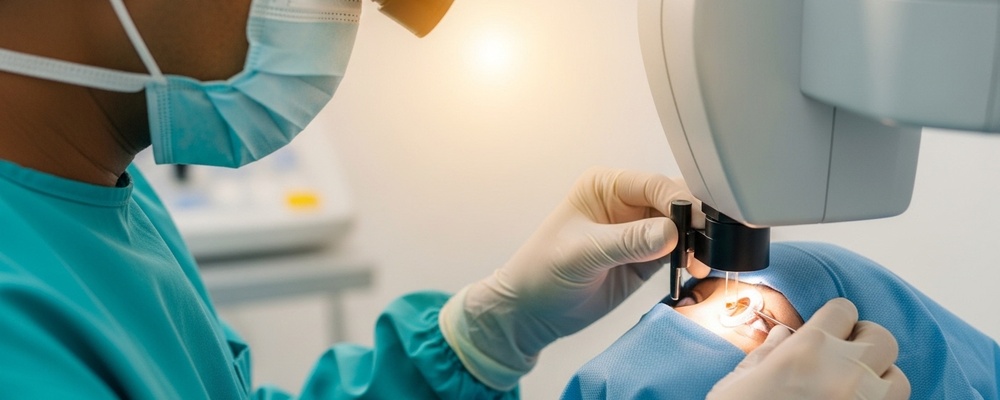
The LASEK / Epi-LASIK procedure is performed on an outpatient basis and typically takes about 15-30 minutes per eye. First, numbing eye drops are applied to ensure you feel no pain. An eyelid holder will gently keep your eye open. For LASEK, a special alcohol solution is used to loosen the epithelial layer, which is then gently moved aside. For Epi-LASIK, a specialized instrument called an epikeratome separates the epithelial layer. Once the underlying corneal tissue is exposed, a highly precise excimer laser is used to reshape your cornea according to your unique vision prescription. You’ll hear a clicking sound and may notice a faint odor during this step. After the laser treatment, the epithelial layer is carefully repositioned over the treated area, and a protective bandage contact lens is placed on your eye to aid healing.
3. What to Expect Immediately After the Procedure
Immediately after your LASEK / Epi-LASIK, your vision will be blurry, and you may experience some mild discomfort, tearing, or a gritty sensation in your eyes. This is normal. You’ll rest briefly in a recovery area, and your doctor will provide instructions for eye drops and protective eyewear. It’s crucial to wear the provided eye shields, especially while sleeping, to prevent accidental rubbing. You will be discharged the same day, but you must have someone drive you home. Avoid driving, reading, or strenuous activities for the rest of the day.
POST-OPERATIVE CARE AND TIMELINE
Recovery and Post-Operative Care
Following your LASEK / Epi-LASIK, diligent post-operative care is essential for optimal healing and vision. You will be given specific eye drops (antibiotic and anti-inflammatory) to prevent infection and reduce inflammation, which must be used exactly as prescribed.
Do’s:
- Use all prescribed eye drops as directed.
- Wear protective eye shields, especially while sleeping, for the first few days.
- Rest your eyes as much as possible.
- Attend all follow-up appointments with your ophthalmologist.
- Wear sunglasses outdoors to protect your eyes from bright light and wind.
Don’ts:
- Do not rub or touch your eyes.
- Avoid swimming, hot tubs, and saunas for at least 2-4 weeks.
- Do not wear eye makeup for at least 1-2 weeks.
- Avoid dusty or smoky environments.
- Refrain from strenuous exercise or contact sports for several weeks.
Recovery Timeline:
- Day 1: Your vision will be significantly blurry, and you may experience moderate discomfort. The bandage contact lens will be in place. You should rest your eyes.
- Week 1: Discomfort should subside, and your vision will gradually start to improve, though it may still fluctuate. The bandage contact lens is typically removed by your doctor within 3-7 days. You can usually resume light daily activities.
- Month 1: Your vision will continue to stabilize and improve. Most patients achieve good functional vision, though minor fluctuations may still occur. You can typically resume most normal activities, but continue to follow your doctor’s specific advice regarding sports or swimming. Full visual clarity can take several weeks to months.
COST AND INSURANCE COVERAGE IN HYDERABAD
Cost of LASEK / Epi-LASIK in Hyderabad & Insurance Options
- Estimated Local Investment: ₹75000 – ₹120000
- Cost Determinants: The final cost of LASEK / Epi-LASIK in Hyderabad can vary based on several factors. These include the specific technology used (e.g., advanced wavefront-guided laser systems), the surgeon’s experience and reputation, the clinic’s facilities and location, the complexity of your prescription, and the extent of pre-operative diagnostic tests and post-operative care included in the package. Choosing a premium clinic with state-of-the-art equipment or a highly sought-after surgeon may lead to costs at the higher end of the spectrum.
- Insurance Protocol: LASEK / Epi-LASIK is generally considered an ‘Elective/Cosmetic’ procedure rather than a therapeutic ‘Medical Necessity’ by most insurance providers. This means it is typically not covered by standard health insurance policies or major TPA networks. Patients usually need to cover the cost out-of-pocket. However, some corporate health policies or specialized vision plans may offer partial coverage or discounts. It is highly recommended to verify your specific policy details directly with your insurance provider before proceeding.
FREQUENTLY ASKED QUESTIONS
Frequently Asked Questions About LASEK / Epi-LASIK
Q: Is LASEK / Epi-LASIK painful?
A: No, topical numbing eye drops are used, so you will not feel pain during the procedure. You might experience some pressure or mild discomfort afterward.
Q: How long does it take to see clearly after LASEK / Epi-LASIK?
A: Initial vision improvement occurs within days, but full visual clarity and stability can take several weeks to a few months as the eye heals completely.
Q: Am I a good candidate for LASEK / Epi-LASIK?
A: Ideal candidates are typically over 18, have stable vision, and healthy eyes. A comprehensive eye exam by an ophthalmologist is necessary to determine your suitability.
Q: What are the risks of LASEK / Epi-LASIK?
A: While generally safe, potential risks include dry eyes, glare, halos, infection, or under/over-correction. Your surgeon will discuss these in detail.
DISCLAIMER
Disclaimer: This content is curated using artificial intelligence and may contain inaccuracies. It is provided for informational and educational purposes only and should not be considered professional medical advice. Please consult your ophthalmologist for personalized clinical care. The prices listed in this article are indicative only and may vary based on the patient’s specific condition, procedural techniques, surgical complexity, and materials used. We strongly advise discussing actual costs directly with your healthcare provider.