
Endolaser Photocoagulation in Hyderabad: Cost, Procedure & Recovery
Endolaser Photocoagulation is a precise eye procedure used to treat various retinal conditions. It involves using a focused laser inside the eye to seal leaky blood vessels or repair tears, helping to protect your vision and prevent further damage. This treatment is a key part of vitreoretinal care, designed to be safe and effective.
QUICK FACTS
- Procedure Duration: 15-30 minutes
- Anesthesia Type: Local numbing eye drops
- Recovery Time: 24-48 hours
- Hospital Stay: Daycare / No overnight admission required
UNDERSTANDING THE BASICS
What is Endolaser Photocoagulation?
Endolaser Photocoagulation is a specialized eye treatment that works on the retina, which is the light-sensitive tissue at the back of your eye, much like the film in a camera. This procedure uses a very precise laser beam, delivered from inside the eye, to create tiny, controlled burns. These burns help to seal off abnormal, leaky blood vessels or to ‘spot-weld’ areas of the retina that are torn or weakened, preventing fluid leakage or retinal detachment. It’s a way to reinforce and protect the delicate structures of your retina, preserving your sight.
CONDITIONS AND SYMPTOMS
Why is Endolaser Photocoagulation performed?
Eye Conditions Treated
- Diabetic Retinopathy (especially proliferative stage)
- Retinal Vein Occlusion (to treat macular edema or neovascularization)
- Retinal Tears or Holes (to prevent detachment)
- Certain types of Retinal Detachment (as an adjunct to other surgeries)
- Macular Edema (swelling at the center of the retina)
Symptoms You Might Be Experiencing
- Blurred or distorted vision
- Seeing “floaters” or dark spots in your vision
- Flashes of light
- A dark curtain or shadow appearing in your field of vision
- Sudden decrease in vision
SURGICAL JOURNEY STEP-BY-STEP
How is the Endolaser Photocoagulation Procedure Performed?
1. How to Prepare Before the Procedure
- Medical Clearance: Your eye doctor will conduct a thorough eye exam, including dilating your pupils and possibly imaging tests like OCT or fluorescein angiography, to assess your retinal condition.
- Medication Review: Discuss all medications you are currently taking with your doctor, especially blood thinners, as adjustments might be needed.
- Transportation: Arrange for someone to drive you home after the procedure, as your vision will be blurry from dilation and the treatment.
- Fasting: You may be asked to avoid eating or drinking for a few hours before the procedure, especially if mild sedation is planned.
- Comfort: Wear comfortable clothing on the day of your procedure.
2. What Happens During the Procedure?
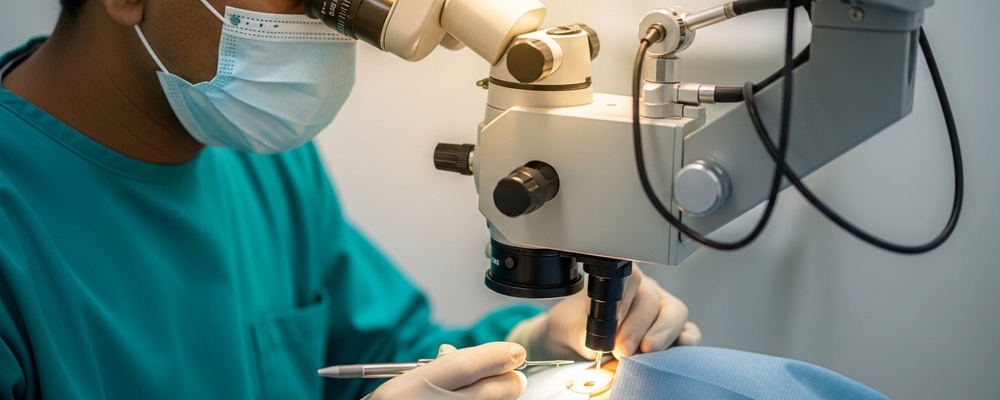
Upon arrival, your eye will be numbed with special eye drops to ensure you feel no pain. Sometimes, a mild sedative might be offered to help you relax. Your pupil will be dilated to allow the surgeon a clear view of your retina. The surgeon will use a specialized instrument that delivers a precise laser beam directly to the affected areas inside your eye. This is often done in conjunction with other vitreoretinal surgeries. You might see bright flashes of light during the laser application, but you should not feel any pain. The procedure is carefully monitored to ensure accuracy and safety. The entire process is typically quick, lasting between 15 to 30 minutes.
3. What to Expect Immediately After the Procedure
After the procedure, you will rest briefly in a recovery area. Your vision will likely be blurry due to the dilated pupil and the effects of the laser. This is normal and temporary. You may experience some mild discomfort, light sensitivity, or a gritty feeling in your eye, which can be managed with prescribed eye drops. You will be given protective eyewear (like sunglasses) to wear home. Your doctor will provide specific instructions on eye care, including when to use eye drops and what activities to avoid.
POST-OPERATIVE CARE AND TIMELINE
Recovery and Post-Operative Care
- Do’s:
- Use all prescribed eye drops exactly as directed by your doctor.
- Wear sunglasses outdoors to protect your eyes from bright light and dust.
- Attend all follow-up appointments to monitor your healing and vision.
- Rest your eyes and avoid strenuous activities for the first few days.
- Don’ts:
- Do not rub or press on your treated eye.
- Avoid swimming, hot tubs, and saunas for at least a week to prevent infection.
- Do not wear eye makeup for a few days.
- Avoid heavy lifting or bending over, which can increase eye pressure.
- Day 1: Your vision will still be blurry, and you might experience mild discomfort or light sensitivity. Follow eye drop regimen strictly. Avoid reading or screen time for extended periods.
- Week 1: Vision should start to improve, though it may still fluctuate. Most discomfort should subside. You can gradually resume light activities, but continue to avoid strenuous exercise. Your doctor will likely schedule a follow-up to check your progress.
- Month 1: Your eye should be largely healed, and your vision should have stabilized. The full benefits of the laser treatment will become more apparent. Continue with any long-term follow-up as advised by your ophthalmologist.
COST AND INSURANCE COVERAGE IN HYDERABAD
Cost of Endolaser Photocoagulation in Hyderabad & Insurance Options
- Estimated Local Investment: ₹40000 – ₹60000
- Cost Determinants:
- Hospital Choice: The reputation and facilities of the hospital or clinic can influence the cost.
- Surgeon’s Experience: Highly experienced or renowned vitreoretinal surgeons may charge higher fees.
- Complexity of the Case: The severity and extent of your retinal condition can affect the number of laser applications needed and overall cost.
- Anesthesia Type: While typically local, if additional sedation is required, it might add to the cost.
- Pre- and Post-Operative Care: The cost may include initial consultations, diagnostic tests, and follow-up visits.
- Insurance Protocol: Endolaser Photocoagulation is generally considered a therapeutic ‘Medical Necessity’ as it treats serious eye conditions that can lead to permanent vision loss. Therefore, it is typically covered by major TPA (Third-Party Administrator) networks and health insurance schemes in India. It is crucial to verify your specific policy details with your insurance provider or the hospital’s insurance desk to understand the extent of coverage, cashless facility availability, and any co-pay requirements.
FREQUENTLY ASKED QUESTIONS
Frequently Asked Questions About Endolaser Photocoagulation
- Q: Is Endolaser Photocoagulation painful?
A: No, the procedure is performed under local numbing eye drops, so you should not feel any pain. You might experience mild pressure or see bright flashes of light.
- Q: How long does it take to recover from Endolaser Photocoagulation?
A: Initial visual recovery typically takes 24-48 hours, with full stabilization of vision over several weeks. Most patients can resume light activities within a few days.
- Q: What are the risks of Endolaser Photocoagulation?
A: While generally safe, potential risks include temporary blurry vision, light sensitivity, mild discomfort, or, rarely, bleeding or infection. Your doctor will discuss these with you.
- Q: Can Endolaser Photocoagulation restore lost vision?
A: Endolaser Photocoagulation primarily aims to prevent further vision loss and stabilize existing vision by treating underlying retinal conditions. It may improve vision in some cases, but its main goal is preservation.
DISCLAIMER
Disclaimer: This content is curated using artificial intelligence and may contain inaccuracies. It is provided for informational and educational purposes only and should not be considered professional medical advice. Please consult your ophthalmologist for personalized clinical care. The prices listed in this article are indicative only and may vary based on the patient’s specific condition, procedural techniques, surgical complexity, and materials used. We strongly advise discussing actual costs directly with your healthcare provider.