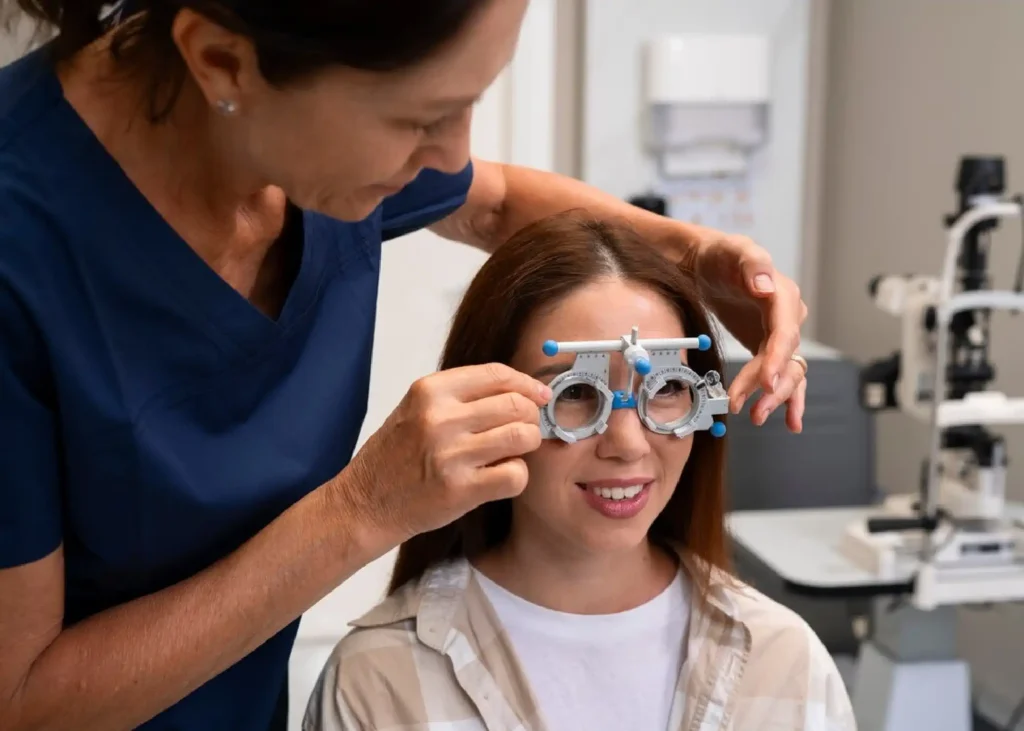
Experiencing discomfort from your glaucoma eye drops is a common concern, but relief is often within reach. Many patients find significant improvement by switching to preservative-free eye drops or exploring laser treatments like Selective Laser Trabeculoplasty (SLT), which can reduce or even eliminate the daily need for drops. These alternatives effectively manage eye pressure while minimizing side effects such as redness, irritation, and dry eyes, helping you maintain your vision comfortably.
Tired of Glaucoma Eye Drop Side Effects? Exploring Laser & Preservative-Free Options
As a senior ophthalmologist, I've had countless conversations with patients in my clinic here in India who are managing glaucoma. It’s a condition that can be quite worrying, as it quietly damages your optic nerve, the main cable that connects your eye to your brain, leading to permanent vision loss if not treated. The cornerstone of glaucoma treatment, for most people, has traditionally been daily eye drops. These drops are incredibly effective at lowering intraocular pressure (IOP), which is often the main culprit behind optic nerve damage.
However, I also know that living with daily eye drops isn't always easy. Many of you tell me about the constant sting, the redness that makes your eyes look tired, the feeling of dryness, or even the worry about how these drops might affect other parts of your body. It's a common problem: you know the drops are vital for your vision, but the side effects can be very frustrating, sometimes making you wonder if there are better ways.
This isn't just about minor irritation; these side effects can sometimes be so bothersome that they affect your quality of life and, most importantly, how regularly you use your drops. And when you don't use your drops consistently, your eye pressure can rise, putting your vision at risk. So, if you're feeling this way, please know you're not alone. In this detailed guide, we'll talk openly about why these side effects happen, and more importantly, explore the excellent alternatives available today – specifically preservative-free eye drops and various laser treatments – that can help you manage your glaucoma more comfortably and effectively.
Why Do Glaucoma Eye Drops Sometimes Cause Trouble?
Let’s first understand why some glaucoma eye drops can be a bit of a nuisance. While the active ingredients in these drops are designed to lower eye pressure, it's often other components in the bottle that cause the most irritation.
The biggest culprit is usually the preservative. Most multi-dose eye drop bottles contain a preservative called benzalkonium chloride (BAK). BAK is a very effective preservative; it keeps the drops sterile and prevents bacteria and fungi from growing inside the bottle once it’s opened, which is vital for eye safety, especially in our warm and sometimes dusty Indian climate.
However, BAK can also be quite harsh on the delicate surface of your eye. Think of it like a strong cleaning agent. Over time, especially with daily, long-term use, BAK can:
- Irritate the ocular surface: This leads to that stinging, burning, or gritty sensation many of you describe.
- Cause redness: Your eyes might look consistently bloodshot.
- Lead to dry eyes: BAK can damage the cells on the surface of your eye, reducing tear production and stability. This can make your eyes feel perpetually dry, itchy, or watery (paradoxically, dry eyes can sometimes water excessively to compensate).
- Trigger allergic reactions: In some people, BAK can cause an allergic response, worsening irritation.
- Impact the cornea: The cornea is the clear front window of your eye. Long-term exposure to BAK can sometimes damage its cells, affecting vision quality and comfort.
Beyond BAK, some patients might also experience side effects from the active medication itself. For example, prostaglandin analogues, a common class of glaucoma drops, can sometimes cause eyelid darkening, eyelash growth, or even changes in eye colour (though this is rare and usually mild in Indian eyes). Beta-blockers can have systemic effects like slowing heart rate or worsening asthma, which is why we always ask about your overall health history. It's a balance, and finding the right drop for you involves considering your overall health, not just your eyes.
What Are Preservative-Free Eye Drops and Do They Help?
Given the issues with preservatives, especially BAK, a significant advancement in glaucoma treatment has been the development of preservative-free (PF) eye drops. These drops contain the same active medication that lowers your eye pressure but without the added preservatives.
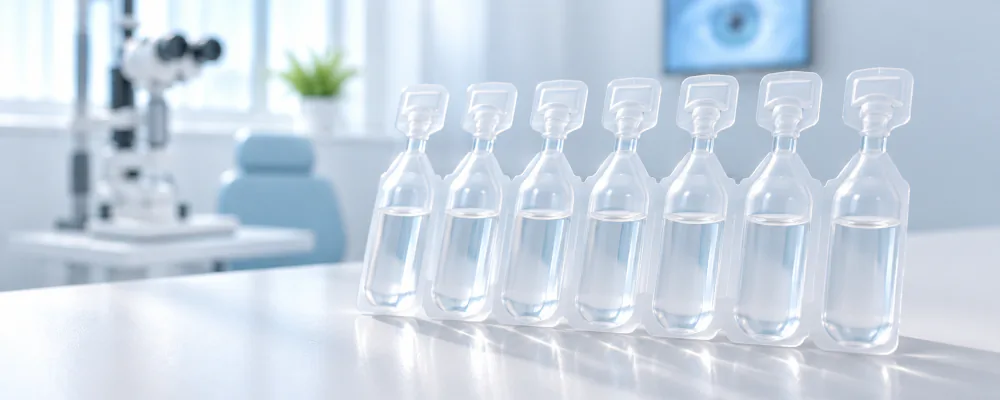
How Preservative-Free Drops Work Differently
Since there's no preservative to keep bacteria at bay in a multi-dose bottle, preservative-free drops usually come in single-use vials. Each tiny vial contains enough medication for one dose in one eye. You open a fresh vial, use the drop, and then discard the vial. This ensures sterility without needing BAK. Some brands also offer multi-dose bottles with special filters or dispenser systems that prevent contamination without traditional preservatives.
Who Benefits Most from Preservative-Free Drops?
In my experience, preservative-free drops are a game-changer for many patients, particularly those who:
- Experience significant irritation: If you constantly feel stinging, burning, or discomfort after using your regular drops, switching to PF drops can bring immense relief.
- Have dry eye syndrome: Many Indians, especially those working long hours on computers or living in dry, dusty environments, already struggle with dry eyes. BAK-containing drops can worsen this. PF drops can make a huge difference in comfort.
- Use multiple eye drops: If you’re on two or three different glaucoma medications, the cumulative effect of preservatives can be quite high. Switching some or all to PF versions can reduce the overall chemical load on your eyes.
- Have ocular surface disease: Conditions like corneal erosions or allergic conjunctivitis can be aggravated by preservatives. PF drops are much gentler.
- Wear contact lenses: While generally we advise against wearing contact lenses while using glaucoma drops, if you must, PF drops are a safer option as preservatives can accumulate on lenses.
Are There Any Downsides to Preservative-Free Drops?
The main considerations for preservative-free drops are:
- Cost: They can sometimes be more expensive than their preserved counterparts, which is a practical consideration for many Indian families. However, the improved comfort and adherence often make it a worthwhile investment.
- Convenience: Using single-use vials requires a bit more care and can feel less convenient than a single multi-dose bottle. You need to remember to carry enough vials for the day if you’re out.
- Availability: While increasingly available, sometimes specific medications might not have a preservative-free option in all pharmacies.
Despite these minor points, the benefits of improved comfort and better adherence often outweigh the drawbacks, leading to better long-term outcomes for glaucoma management.
Considering Laser Treatment: A Way to Reduce or Stop Eye Drops
Beyond preservative-free drops, another excellent option for many patients looking to reduce their reliance on daily eye drops is laser treatment. This isn't surgery in the traditional sense; it's a quick, outpatient procedure performed right in the clinic.
Selective Laser Trabeculoplasty (SLT): A Gentle Approach
The most commonly used and highly effective laser treatment for open-angle glaucoma (the most common type) is Selective Laser Trabeculoplasty (SLT). I often recommend SLT as a primary treatment or when drops aren't tolerated or aren't enough.
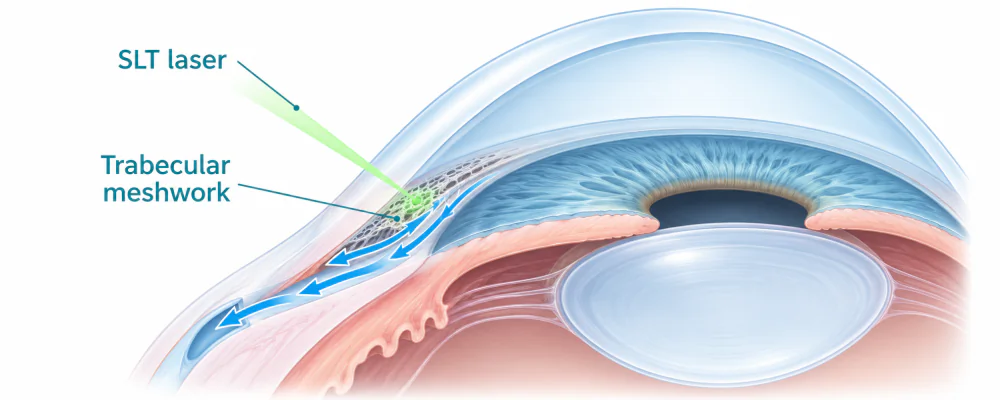
How SLT Works to Lower Eye Pressure
Think of your eye as having a natural drainage system. In glaucoma, this drainage system, called the trabecular meshwork, often doesn't work as efficiently as it should, causing fluid to build up and eye pressure to rise. SLT uses a very low-energy laser to target specific cells within this drainage system. It's "selective" because it only affects pigmented cells, leaving the surrounding tissue undamaged.
This gentle laser treatment stimulates a biological response in the trabecular meshwork, essentially helping it to clean itself up and drain fluid more effectively. The result? Lower eye pressure. It’s not about burning a hole; it’s about kickstarting your eye’s natural drainage.
What to Expect During and After SLT
The procedure itself is very quick, usually taking only 5-10 minutes per eye.
- Before: We'll put some numbing eye drops in your eye, so you won't feel any pain. We might also give you a drop to temporarily lower your eye pressure as a precaution.
- During: You'll sit in front of a special microscope, similar to what we use for your regular eye exams. I'll place a special contact lens on your eye to help direct the laser. You'll hear a clicking sound and see bright flashes of light, but it’s generally painless.
- After: You might experience a little temporary blurring or mild discomfort, which usually subsides quickly. We’ll check your eye pressure shortly after the procedure and often prescribe anti-inflammatory drops for a few days. You can usually resume most normal activities, like reading or watching TV, almost immediately. Driving immediately after is not advised due to the bright lights and temporary blur.
The Benefits of SLT
- Reduces or eliminates eye drop dependence: For many patients, SLT can significantly lower eye pressure, allowing them to reduce the number of drops they use or even stop them altogether for a period. Imagine not having to remember daily drops or deal with their side effects!
- Safe and repeatable: SLT is a very safe procedure with a low risk of complications. It can also be repeated if the effect wears off over time, usually after a few years.
- No systemic side effects: Unlike some eye drops that can affect your heart or lungs, SLT only works within the eye, so there are no systemic side effects.
- Effective: Studies show SLT can lower eye pressure by 20-30%, similar to many glaucoma medications.
- Cost-effective in the long run: While there's an initial cost, it can be more economical than a lifetime of eye drop purchases, especially for preservative-free options.
Who is a Good Candidate for SLT?
SLT is typically recommended for patients with open-angle glaucoma or ocular hypertension (high eye pressure without optic nerve damage). It can be used as a first-line treatment, meaning it can be tried before or instead of eye drops, or for those who can't tolerate drops, have trouble remembering them, or whose pressure isn't controlled enough with drops alone.
Other Laser Options: Laser Peripheral Iridotomy (LPI)
While SLT is for open-angle glaucoma, another important laser procedure is Laser Peripheral Iridotomy (LPI). This is specifically for angle-closure glaucoma or when you have narrow angles that put you at risk of an acute attack. In angle-closure, the iris (the coloured part of your eye) can block the drainage angle. LPI creates a tiny opening in the iris, allowing fluid to flow more freely and preventing the angle from closing. This is a preventive measure and doesn't usually replace drops for pressure control, but it's very important for certain types of glaucoma.
What to Expect if You're Considering Changing Your Glaucoma Treatment
Deciding to explore alternatives to your current eye drops is a conversation we need to have together. It's not a decision to be taken lightly, as consistent glaucoma management is critical for preserving your vision.
A Thorough Discussion with Your Ophthalmologist
When you visit our clinic, we’ll start by listening carefully to your concerns about your current drops. Tell me everything:
- What specific side effects are you experiencing?
- How often do they occur?
- How much do they bother you?
- Do they affect your daily routine or your ability to use the drops consistently?
- What are your expectations from a new treatment?
We'll also review your entire medical history, including any other medications you’re taking, and perform a comprehensive eye examination. This includes checking your eye pressure, examining your optic nerve, and possibly repeating visual field tests to assess your glaucoma progression.
Tailoring a Treatment Plan Just for You
Based on this detailed assessment, we can then discuss the best path forward.
- For preservative-free drops: If your main issue is irritation from preservatives, switching to a PF version of your current medication might be the simplest and most effective first step. We can try one eye first to see how you respond.
- For laser treatment (SLT): If you're looking to reduce or eliminate drops, or if your current drops aren't controlling your pressure well enough, SLT could be an excellent option. We'll discuss the pros and cons, what to expect, and whether it's suitable for your specific type and stage of glaucoma.
- Combination therapy: Sometimes, a combination works best – perhaps SLT to reduce the number of drops, and then using PF drops for any remaining medication.
Remember, the goal is always to achieve optimal eye pressure control with the fewest possible side effects, ensuring you can stick to your treatment plan and protect your vision for years to come.
Living with Glaucoma: Tips for Managing Comfort and Adherence
Beyond specific treatments, there are also general strategies that can help make living with glaucoma eye drops more manageable, especially for our patients in India.
Be Mindful of Eye Drop Technique
Proper eye drop technique is very important. Many patients don't realise they're wasting drops or causing more irritation.
- Wash your hands: Always, always wash your hands thoroughly before touching your eyes or drops.
- Tilt your head back: Create a small pocket by gently pulling down your lower eyelid.
- One drop is enough: Don't squeeze out multiple drops. One drop is all that's needed; your eye can't hold more.
- Close your eye gently: Don't squeeze your eyelids shut tightly. This can push the drop out.
- Block the tear duct: Gently press your finger on the inner corner of your eye (near your nose) for 1-2 minutes. This helps prevent the drop from draining into your nose and throat, reducing systemic absorption and potential side effects.
- Wait between drops: If you're using more than one type of eye drop, wait at least 5-10 minutes between different medications.
Keep Track of Your Drops
It's easy to forget a dose, especially with busy schedules, family responsibilities, or during festivals.
- Set reminders: Use your phone, a calendar, or even a sticky note on your fridge.
- Integrate into routine: Link your drops to a daily habit, like brushing your teeth or having your morning chai.
- Use a pill organiser: Some patients find it helpful to put their eye drop bottles in a daily pill organiser as a visual reminder.
Environmental Considerations
Our environment in India can sometimes exacerbate eye irritation.
- Protect your eyes from dust: When travelling on two-wheelers or in dusty areas, wear protective eyewear like sunglasses or a helmet visor.
- Hydration: Staying well-hydrated generally helps with overall eye comfort.
- Breaks from screens: If you spend a lot of time on computers or smartphones, take regular breaks to rest your eyes. This is good advice for everyone, but especially for those prone to dry eyes.
Regular Follow-Ups are Key
Glaucoma is a lifelong condition that requires ongoing monitoring. Even if you switch to laser treatment or preservative-free drops, regular check-ups are essential to ensure your eye pressure remains well-controlled and your optic nerve is stable. We'll monitor the effectiveness of your new treatment and make adjustments if needed.
Not Sure if Your Eye Drops are Working for You? Let's Talk It Over.
If you're experiencing discomfort, redness, or dryness from your glaucoma eye drops, or if you're simply curious about alternatives like laser treatment or preservative-free options, please don't hesitate to reach out. Your comfort and adherence are just as important as the medication itself in managing glaucoma effectively. Our team is here to listen to your concerns, answer all your questions, and work with you to find a treatment plan that fits your lifestyle and helps protect your vision for years to come. Book an appointment with us today, and let's explore the best path forward for your eyes.
References
- Selective Laser Trabeculoplasty (SLT) for Glaucoma – American Academy of Ophthalmology – https://www.aao.org/eye-health/diseases/slt-for-glaucoma
- Glaucoma – National Eye Institute – https://www.nei.nih.gov/eye-health-information/eye-conditions-and-diseases/glaucoma
- Glaucoma Eye Drops – Mayo Clinic – https://www.mayoclinic.org/diseases-conditions/glaucoma/diagnosis-treatment/drc-20372850