
Therapeutic Meibomian Gland Evacuation / Manual Expression in Hyderabad: Cost, Procedure & Recovery
Therapeutic Meibomian Gland Evacuation, also known as Manual Expression, is a simple yet effective procedure to relieve dry eye symptoms. It involves gently clearing blocked oil glands in your eyelids, helping your eyes produce healthier tears and feel more comfortable. This treatment aims to restore natural eye lubrication and reduce irritation.
QUICK FACTS
- Procedure Duration: 15-30 minutes
- Anesthesia Type: Topical numbing eye drops
- Recovery Time: 24-48 hours
- Hospital Stay: Daycare / No overnight admission required
UNDERSTANDING THE BASICS
What is Therapeutic Meibomian Gland Evacuation / Manual Expression?
Meibomian glands are tiny oil glands located along the edges of your eyelids, both upper and lower. Think of them as miniature oil factories that produce a special oil (meibum) which forms the outermost layer of your tear film. This oil is crucial because it prevents your tears from evaporating too quickly, keeping your eyes moist, smooth, and comfortable.
When these glands get blocked or the oil they produce becomes thick and waxy, it’s like a clogged drain. The oil can’t flow out properly, leading to a poor-quality tear film and symptoms of dry, irritated eyes.
Therapeutic Meibomian Gland Evacuation / Manual Expression is a procedure where your eye doctor gently applies controlled pressure to your eyelids. This action helps to unblock these glands and express the thickened, stagnant oil. By clearing these “clogged drains,” the procedure allows the glands to produce healthier, free-flowing oil, significantly improving your natural tear film and relieving persistent dry eye symptoms.
CONDITIONS AND SYMPTOMS
Why is Therapeutic Meibomian Gland Evacuation / Manual Expression performed?
Eye Conditions Treated
- Meibomian Gland Dysfunction (MGD)
- Evaporative Dry Eye Syndrome
- Blepharitis (inflammation of the eyelids, often linked to MGD)
- Recurrent Chalazion (styes caused by blocked glands)
Symptoms You Might Be Experiencing
- A gritty or sandy sensation, feeling like something is in your eye
- Burning, stinging, or itchy eyes
- Redness or irritation of the eyes and eyelids
- Watery eyes (paradoxically, as a reflex to dryness)
- Blurred or fluctuating vision, especially after prolonged reading or screen time
- Sensitivity to light (photophobia)
- Difficulty wearing contact lenses comfortably
SURGICAL JOURNEY STEP-BY-STEP
How is the Therapeutic Meibomian Gland Evacuation / Manual Expression Procedure Performed?
1. How to Prepare Before the Procedure
- Medical Clearance: Discuss your complete medical history, including any existing health conditions and all medications you are currently taking, with your ophthalmologist.
- Diagnostic Checks: Your doctor will perform a thorough eye examination to assess the health of your meibomian glands and the quality of your tear film.
- Lifestyle Adjustments: You might be advised to temporarily stop wearing contact lenses for a day or two before the procedure.
- Personal Hygiene: Follow any specific instructions from your clinic regarding avoiding eye makeup or facial creams on the day of the procedure.
2. What Happens During the Procedure?
- Operational Environment: You will be comfortably seated in a reclining chair in a clean, well-lit clinical setting.
- Pain Minimization: Numbing eye drops will be carefully applied to your eyes to ensure your comfort and minimize any sensation during the procedure.
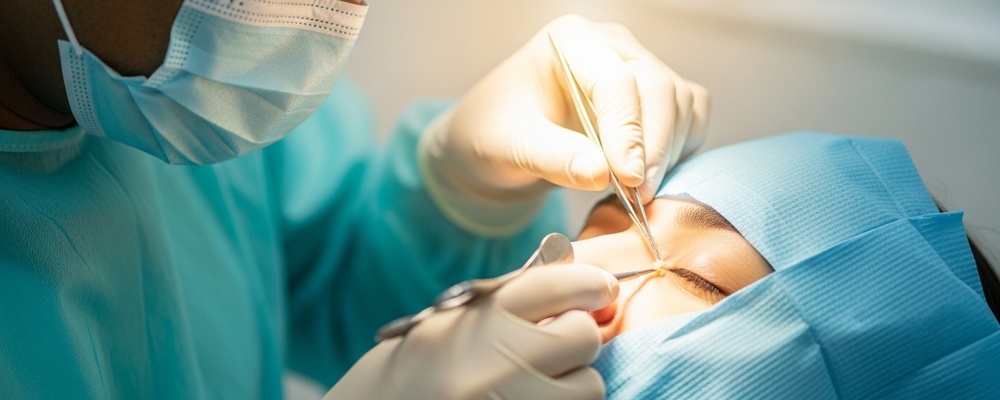
- Step-by-Step: Your ophthalmologist will use a specialized instrument, often a paddle or forceps, to gently apply controlled pressure to your upper and lower eyelids. This action helps to warm and soften the thickened oil within the meibomian glands and express it, effectively clearing any blockages. The process is precise, focusing on each affected gland to restore proper function.
3. What to Expect Immediately After the Procedure
- Post-Procedure Care: Since only numbing drops are used, there is no general anesthesia recovery. You can typically leave the clinic shortly after the procedure.
- Ocular Protection: Your eyes might feel slightly sensitive or appear a little red immediately afterward. You may be advised to use lubricating eye drops to soothe them.
- Visual Expectations: Your vision should remain clear, though some temporary mild blurriness or watering might occur. You can usually resume most normal activities right away, but it’s important to avoid rubbing your eyes.
POST-OPERATIVE CARE AND TIMELINE
Recovery and Post-Operative Care
Following your Therapeutic Meibomian Gland Evacuation / Manual Expression, adhering to post-operative care instructions is vital for optimal recovery and long-term relief.
- Do’s:
- Use any prescribed eye drops (such as antibiotic or anti-inflammatory drops) exactly as directed by your doctor.
- Apply warm compresses to your eyelids several times a day for the first few days to help keep the glands open and flowing.
- Maintain excellent eyelid hygiene by gently cleaning your eyelids daily with a mild cleanser or prescribed wipes.
- Stay well-hydrated by drinking plenty of water.
- Attend all scheduled follow-up appointments with your ophthalmologist.
- Don’ts:
- Do not rub or touch your eyes excessively, as this can cause irritation or introduce infection.
- Avoid wearing eye makeup for at least 24-48 hours, or as advised by your doctor.
- Refrain from swimming or using hot tubs for a few days to prevent potential infection.
- Avoid dusty, smoky, or windy environments that could irritate your eyes.
- Day 1: You might experience mild redness, slight swelling, or a feeling of grittiness in your eyes. These sensations should subside quickly. Your vision should remain clear.
- Week 1: Most initial discomfort should have resolved. You should begin to notice a significant improvement in your dry eye symptoms, with your eyes feeling more comfortable and less irritated. Continue with warm compresses and consistent eyelid hygiene.
- Month 1: The full benefits of the procedure should be apparent, with significantly improved tear film quality and reduced dry eye symptoms. Your doctor may recommend a maintenance plan, which could include regular eyelid hygiene and possibly repeat expressions if needed, as Meibomian Gland Dysfunction is often a chronic condition.
COST AND INSURANCE COVERAGE IN HYDERABAD
Cost of Therapeutic Meibomian Gland Evacuation / Manual Expression in Hyderabad & Insurance Options
- Estimated Local Investment: ₹6000 – ₹15000
- Cost Determinants: The final cost of Therapeutic Meibomian Gland Evacuation / Manual Expression in Hyderabad can vary based on several factors:
- The specific clinic or hospital chosen, which can reflect its reputation, facilities, and technology.
- The experience and expertise of the ophthalmologist performing the procedure.
- The severity of your Meibomian Gland Dysfunction, which might influence the complexity or duration of the treatment.
- The number of sessions required, as some patients may benefit from multiple treatments for optimal results.
- Any additional diagnostic tests performed before the procedure or post-procedure medications prescribed.
- Insurance Protocol: Therapeutic Meibomian Gland Evacuation / Manual Expression is generally considered a therapeutic procedure addressing a medical condition (Meibomian Gland Dysfunction, Dry Eye Syndrome, or Blepharitis). Therefore, it is typically classified as a ‘Medical Necessity.’ Coverage by major Third-Party Administrator (TPA) networks and insurance schemes in Hyderabad usually depends on your specific policy terms and conditions, and whether the procedure is deemed medically necessary by your ophthalmologist. It is crucial to verify with your insurance provider directly before the procedure to understand your coverage, potential co-pays, and any pre-authorization requirements. While often covered, individual plans can vary significantly.
FREQUENTLY ASKED QUESTIONS
Frequently Asked Questions About Therapeutic Meibomian Gland Evacuation / Manual Expression
Q1: Is Therapeutic Meibomian Gland Evacuation painful?
A1: No, numbing eye drops are applied before the procedure to ensure your comfort, making it generally pain-free. You might feel some gentle pressure on your eyelids.
Q2: How long do the effects of the procedure last?
A2: The duration of relief varies by individual. Many patients experience significant improvement for several months, but since MGD is often chronic, maintenance treatments or ongoing eyelid hygiene may be recommended.
Q3: Can I drive myself home after the procedure?
A3: Yes, since only topical numbing drops are used and vision is generally unaffected, most patients can safely drive themselves home immediately after the procedure.
Q4: Are there any side effects?
A4: Mild, temporary side effects like slight redness, irritation, or minor swelling of the eyelids are possible but usually resolve within a day or two. Serious complications are rare.
DISCLAIMER
Disclaimer: This content is curated using artificial intelligence and may contain inaccuracies. It is provided for informational and educational purposes only and should not be considered professional medical advice. Please consult your ophthalmologist for personalized clinical care. The prices listed in this article are indicative only and may vary based on the patient’s specific condition, procedural techniques, surgical complexity, and materials used. We strongly advise discussing actual costs directly with your healthcare provider.