
Blepharoplasty (Upper/Lower Eyelid Lift) in Hyderabad: Cost, Procedure & Recovery
Blepharoplasty, commonly known as an eyelid lift, is a surgical procedure designed to rejuvenate the appearance of your eyes. It carefully removes excess skin, muscle, and sometimes fat from the upper or lower eyelids, helping you look more alert, rested, and youthful. This procedure can also improve vision if sagging upper eyelids are blocking your sight.
QUICK FACTS
- Procedure Duration: 1-3 hours
- Anesthesia Type: Local Anesthesia with Sedation
- Recovery Time: 1-2 weeks (initial healing)
- Hospital Stay: Daycare / No overnight admission required
UNDERSTANDING THE BASICS
What is Blepharoplasty (Upper/Lower Eyelid Lift)?
Blepharoplasty is a surgical procedure that targets the skin, muscle, and fat around your eyes. Over time, the delicate skin and tissues of your eyelids can stretch, and muscles can weaken. This leads to sagging upper eyelids, which can sometimes hang over your eyelashes, and puffy bags or wrinkles under your lower eyelids. An eyelid lift carefully removes this excess skin and fat, and tightens the underlying muscles, much like gently smoothing out a rumpled sheet. For the upper eyelids, this means removing the droopy skin that can make you look tired or even block your vision. For the lower eyelids, it involves reducing puffiness and smoothing out wrinkles to create a more refreshed look.
CONDITIONS AND SYMPTOMS
Why is Blepharoplasty (Upper/Lower Eyelid Lift) performed?
Eye Conditions Treated
- Excess skin on the upper eyelids that creates folds or impairs vision.
- Loose skin and fine wrinkles on the lower eyelids.
- Bags under the eyes caused by excess fat.
- Drooping lower eyelids that reveal the white below the iris (scleral show).
- Puffiness in the upper eyelids.
Symptoms You Might Be Experiencing
- Feeling like your eyes look constantly tired or sad, even when you’re well-rested.
- Difficulty seeing clearly due to upper eyelid skin hanging over your field of vision.
- Struggling with applying eye makeup because of sagging skin.
- Noticing puffiness or prominent bags under your eyes.
- Experiencing a heavy feeling in your eyelids, especially by the end of the day.
SURGICAL JOURNEY STEP-BY-STEP
How is the Blepharoplasty (Upper/Lower Eyelid Lift) Procedure Performed?
1. How to Prepare Before the Procedure
- Medical Evaluation: You’ll have a thorough eye exam and discuss your medical history with your surgeon. This includes checking your vision, tear production, and overall eye health.
- Medication Review: Be prepared to discuss all medications, supplements, and herbal remedies you are taking. You may need to stop certain medications, like blood thinners (aspirin, ibuprofen), several weeks before surgery to reduce bleeding risk.
- Lifestyle Adjustments: Avoid smoking for at least a few weeks before surgery, as it can impair healing. Arrange for someone to drive you home after the procedure and help you for the first day or two.
- Fasting: You will likely be asked to fast (no food or drink) for a specific period, usually 6-8 hours, before your surgery, especially if sedation is used.
2. What Happens During the Procedure?
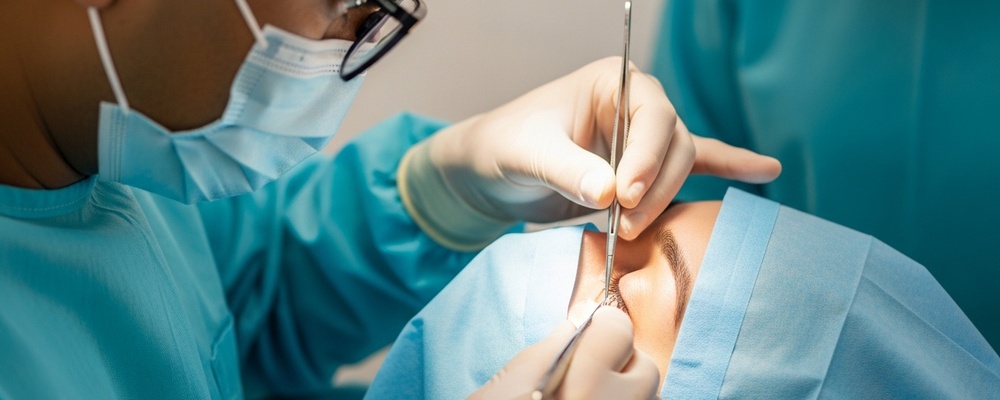
Once you’re comfortably settled, local anesthesia will be administered to numb the eyelid area, often combined with a mild sedative to help you relax. This ensures you feel no pain during the surgery. For upper eyelid blepharoplasty, the surgeon makes a precise incision along the natural crease of your eyelid. Through this incision, excess skin, muscle, and sometimes fat are carefully removed. The incision is then closed with very fine sutures, designed to be hidden within your natural eyelid fold. For lower eyelid blepharoplasty, the incision can be made just below the lash line or inside the lower eyelid (transconjunctival approach). Excess fat is removed or repositioned, and loose skin is tightened. The goal is to smooth out bags and wrinkles while maintaining a natural contour. The entire procedure is performed with meticulous care and precision, often taking 1 to 3 hours depending on the extent of the surgery.
3. What to Expect Immediately After the Procedure
After your blepharoplasty, you’ll rest in a recovery area while the effects of the anesthesia wear off. Your eyelids may feel tight, sore, or numb, and you might experience some blurry vision temporarily due to ointments applied to your eyes. Cold compresses will be applied to help reduce swelling and bruising. Your surgeon may also apply a protective ointment and a light dressing. You’ll receive detailed instructions on how to care for your eyes at home, including medication for pain, eye drops, and how to apply cold compresses. You will need someone to drive you home.
POST-OPERATIVE CARE AND TIMELINE
Recovery and Post-Operative Care
- Do’s:
- Apply cold compresses regularly for the first 48 hours to minimize swelling and bruising.
- Keep your head elevated, even while sleeping, for several days.
- Use prescribed eye drops or ointments as directed.
- Wear dark sunglasses to protect your eyes from sun and wind.
- Get plenty of rest and avoid strenuous activities.
- Don’ts:
- Don’t rub or touch your eyes unnecessarily.
- Don’t wear contact lenses for at least two weeks, or until your surgeon advises.
- Don’t engage in heavy lifting, bending, or vigorous exercise for several weeks.
- Don’t use aspirin, ibuprofen, or other blood-thinning medications unless approved by your surgeon.
- Don’t smoke, as it hinders healing.
- Day 1: You will experience swelling, bruising, and possibly some mild discomfort. Your vision might be slightly blurry. Keep your head elevated and continue with cold compresses.
- Week 1: Swelling and bruising will start to subside significantly. Stitches are usually removed around day 5-7. You can typically resume light, non-strenuous activities. Your eyes will still be healing, and some redness might be present.
- Month 1: Most of the swelling and bruising will have resolved, and you’ll begin to see the initial results of your surgery. Scars will be fading and becoming less noticeable. You can typically resume all normal activities, including exercise. Final results will continue to refine over the next few months.
COST AND INSURANCE COVERAGE IN HYDERABAD
Cost of Blepharoplasty (Upper/Lower Eyelid Lift) in Hyderabad & Insurance Options
- Estimated Local Investment: ₹40000 – ₹90000
- Cost Determinants:
- Surgeon’s Fees: The experience and reputation of your oculoplastic surgeon can influence the cost.
- Anesthesia Fees: The type of anesthesia used (local with sedation vs. general) and the anesthesiologist’s fees.
- Facility Fees: Costs associated with using the surgical facility or hospital.
- Type of Blepharoplasty: Whether you are having upper, lower, or both eyelids treated, and the complexity of the case.
- Pre- and Post-Operative Care: This includes initial consultations, follow-up appointments, and any prescribed medications.
- Insurance Protocol: Blepharoplasty is often considered an elective cosmetic procedure when performed solely to improve appearance. In such cases, it is typically not covered by standard health insurance plans and requires out-of-pocket payment. However, if the procedure is deemed a medical necessity – for example, if severe upper eyelid sagging (ptosis) significantly impairs your vision – then a portion of the cost might be covered by major TPA networks and insurance schemes. This usually requires thorough documentation and pre-authorization from your ophthalmologist and the insurance provider to prove the functional impairment. It’s crucial to verify your specific policy details and seek pre-approval.
FREQUENTLY ASKED QUESTIONS
Frequently Asked Questions About Blepharoplasty (Upper/Lower Eyelid Lift)
- Q: Is Blepharoplasty painful?
- A: During the procedure, local anesthesia ensures you feel no pain. Afterward, you might experience mild discomfort, which can be managed with prescribed pain medication.
- Q: How long do Blepharoplasty results last?
- A: Blepharoplasty results are generally long-lasting. Upper eyelid surgery can last 5-10 years or even a lifetime, while lower eyelid results are often permanent.
- Q: Will Blepharoplasty leave visible scars?
- A: Incisions are strategically placed in the natural creases of your eyelids or inside the lower eyelid, making scars very discreet and typically fading to be nearly invisible over time.
- Q: When can I return to work after an eyelid lift?
- A: Most patients can return to light work within 7-10 days, though some bruising and swelling might still be visible. Strenuous activities should be avoided for several weeks.
DISCLAIMER
Disclaimer: This content is curated using artificial intelligence and may contain inaccuracies. It is provided for informational and educational purposes only and should not be considered professional medical advice. Please consult your ophthalmologist for personalized clinical care. The prices listed in this article are indicative only and may vary based on the patient’s specific condition, procedural techniques, surgical complexity, and materials used. We strongly advise discussing actual costs directly with your healthcare provider.