
Ordering glasses online can save time and money, but only if you know exactly what to ask your optician first. Many people feel confused by terms like blue light filters, anti-glare coatings, or lens index, and end up with glasses that don’t suit their eyes or lifestyle. This guide explains, in simple language, the key questions you should ask your optician before buying glasses online, so you can choose the right lenses, coatings, and frame size with confidence and avoid costly mistakes.
What to Ask Your Optician Before Ordering Glasses Online
Buying glasses online has become very popular, especially among younger adults and busy professionals. Online stores offer attractive prices, stylish frames, and the convenience of ordering from home. However, as an ophthalmologist, I often meet patients who regret their online purchase because something feels “off” — blurred vision, eye strain, headaches, or discomfort after long hours of use.
In most cases, the problem is not the online store itself. The issue is that patients did not fully understand their prescription or the lens options before placing the order. Glasses are medical devices, not just fashion accessories. A small misunderstanding can make a big difference in how well you see and how comfortable your eyes feel.
This article will walk you through the most important questions you should ask your optician or eye doctor before ordering glasses online. Think of this as a checklist that protects your eyes and your money.
Why This Conversation Matters More Than You Think
An eye prescription contains much more information than just “minus two” or “plus one.” It reflects how your eyes focus, how they work together, and how they respond to daily visual tasks like reading, driving, or using screens.
When glasses are made in a physical optical store, the optician measures additional details such as frame fit and lens positioning. When you order online, you become responsible for providing accurate information. That is why clarity is essential.
Asking the right questions upfront helps you:
- Choose lenses that match your lifestyle
- Avoid unnecessary add-ons
- Prevent eye strain and headaches
- Get sharper, more comfortable vision
1. “Is My Prescription Suitable for Online Glasses?”
This is the first and most important question.
Not all prescriptions are ideal for online ordering. Simple prescriptions usually work well, but more complex ones may need extra care.
Ask your optician:
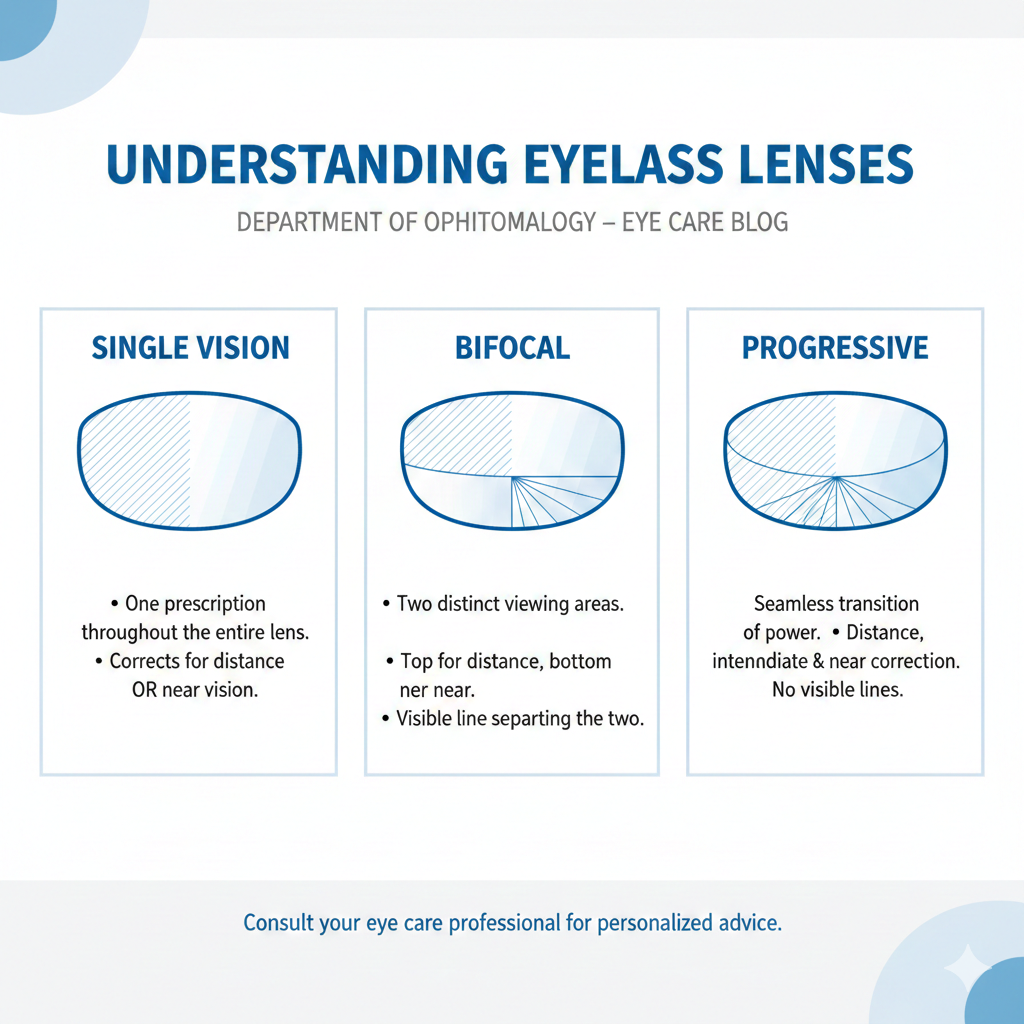
- Is my prescription single vision, bifocal, or progressive?
- Is there significant astigmatism?
- Are there any special considerations for my eyes?
Single vision prescriptions (used for distance or reading only) are usually straightforward. Progressive lenses, which combine distance and near vision, are more sensitive to precise measurements. Ordering these online without guidance can sometimes lead to discomfort or poor adaptation.
If your optician feels your prescription is complex, ask whether online ordering is still advisable and what precautions you should take.
2. “Can You Explain My Prescription in Simple Terms?”
Many patients feel shy about admitting they don’t understand their prescription. Please don’t. You have every right to understand what is written about your eyes.
Ask your optician to explain:
- What do SPH (sphere), CYL (cylinder), and AXIS mean?
- Which eye is more sensitive?
- Is this prescription for distance, near, or both?
Understanding this helps you choose the correct lens type online. For example, some websites ask you to confirm whether your prescription is for distance or reading. Choosing incorrectly can make your glasses unusable.
A clear explanation now prevents confusion later.
3. “What Is My Pupillary Distance (PD), and Is It Accurate?”
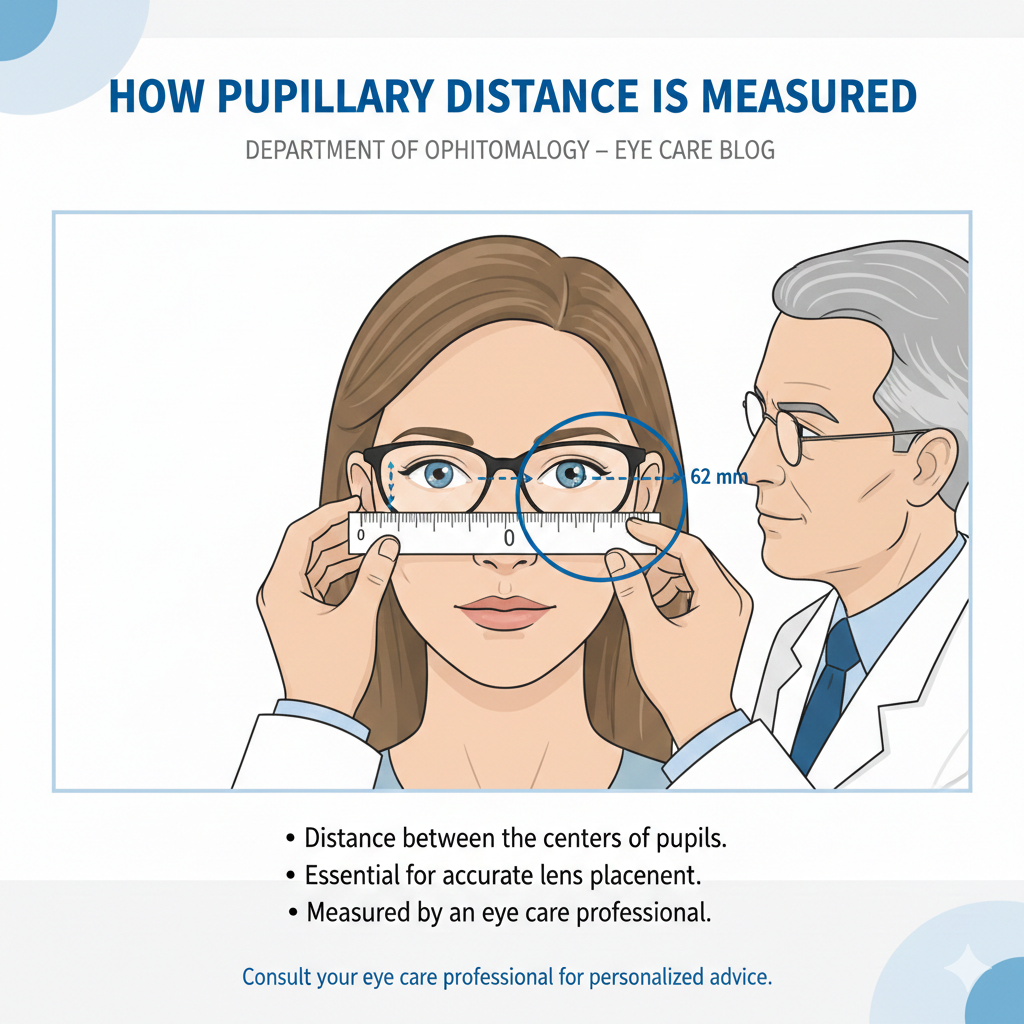
Pupillary distance, or PD, is the distance between the centers of your pupils. This measurement ensures that the optical center of the lenses aligns perfectly with your eyes.
This is critical for comfortable vision.
Ask:
- What is my PD?
- Is it a single PD or dual PD (different for each eye)?
- Can you write it clearly for me?
Many online retailers ask for PD because they cannot measure it themselves. An incorrect PD can cause eye strain, blurred vision, dizziness, or headaches, especially in higher prescriptions.
Never guess your PD. Always get it measured professionally.
4. “Do I Really Need Blue Light Blocking Lenses?”
Blue light lenses are heavily marketed, and many patients feel pressured to add them. The truth is more balanced.
Ask your optician:
- Do I need blue light lenses for my daily routine?
- Will they help with my specific symptoms?
Blue light comes from digital screens, but also from sunlight. For people who spend long hours on computers, some lenses may reduce glare and improve comfort. However, they are not a cure for eye strain, dry eyes, or poor sleep by themselves.
In many cases, good screen habits, proper lighting, and regular breaks are more important than special coatings. Your optician can help you decide whether blue light filtering is genuinely useful for you or simply optional.
5. “What Is Anti-Glare (Anti-Reflective) Coating, and Should I Get It?”
Anti-glare coating is one of the most useful lens features, yet many patients don’t fully understand it.
Ask:
- What does anti-glare coating do?
- Will it help with night driving or screen use?
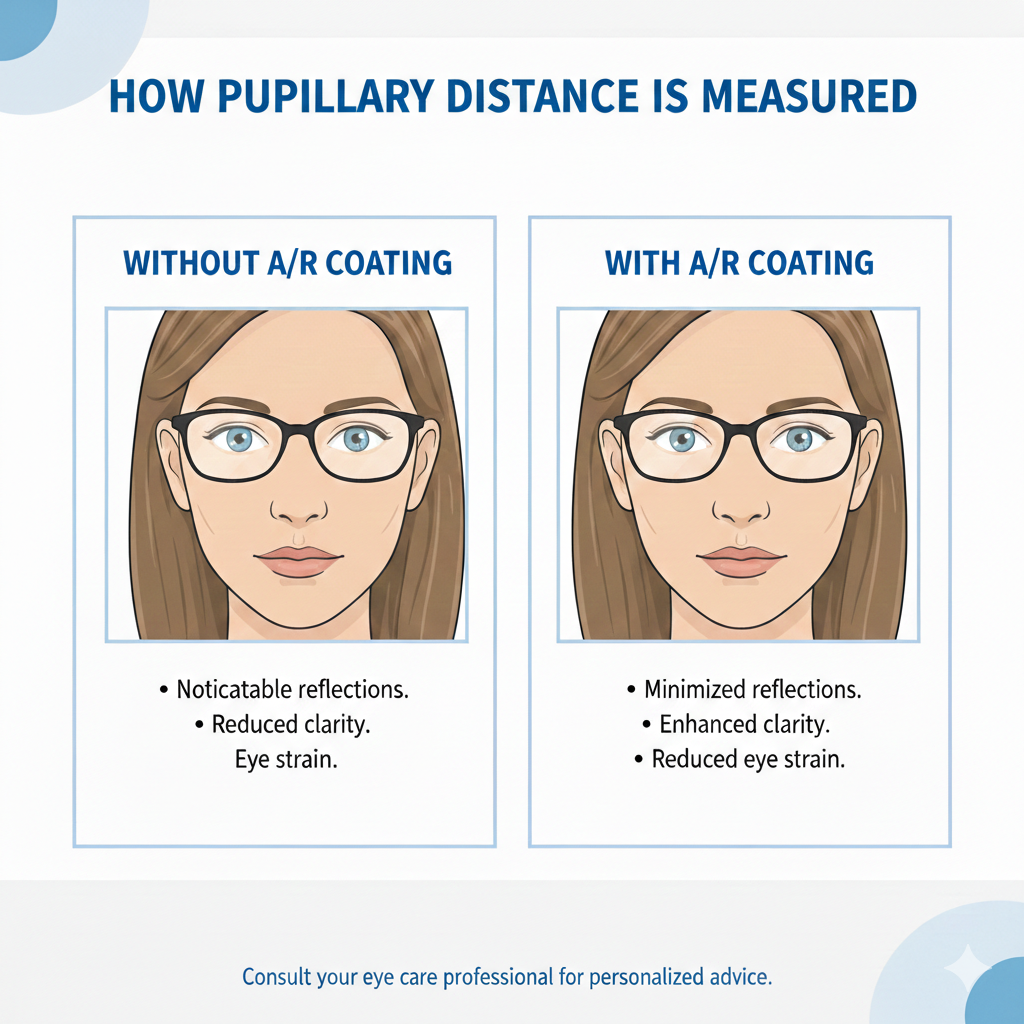
Anti-glare coating reduces reflections from the front and back of your lenses. This improves clarity, especially in low-light conditions, and makes your eyes more visible to others.
For most people, especially those who drive at night or work on screens, this coating is highly recommended. It is often more beneficial than blue light filters and improves overall visual comfort.
6. “What Lens Index Should I Choose?”
Lens index refers to how thin or thick your lenses will be. Higher index lenses are thinner and lighter, but also more expensive.
Ask your optician:
- What lens index suits my prescription?
- Will thinner lenses improve comfort or appearance?
For mild prescriptions, standard lenses work well. For stronger prescriptions, higher index lenses can significantly reduce thickness and weight, making glasses more comfortable and cosmetically appealing.
Choosing the wrong index can result in unnecessarily thick lenses or extra cost without real benefit.
7. “Are There Any Coatings I Can Skip?”
Online stores often offer multiple add-ons: scratch resistance, UV protection, water-repellent coatings, and more. Some are useful, others less so.
Ask:
- Which coatings are essential for me?
- Which ones are optional?
Most modern lenses already include UV protection. Scratch-resistant coatings are usually worth having. Other coatings may depend on your environment and usage.
A professional opinion helps you avoid paying for features you don’t truly need.
8. “What Frame Size Should I Look For?”
A common online mistake is choosing frames that don’t fit well.
Ask your optician:
- What frame size suits my face?
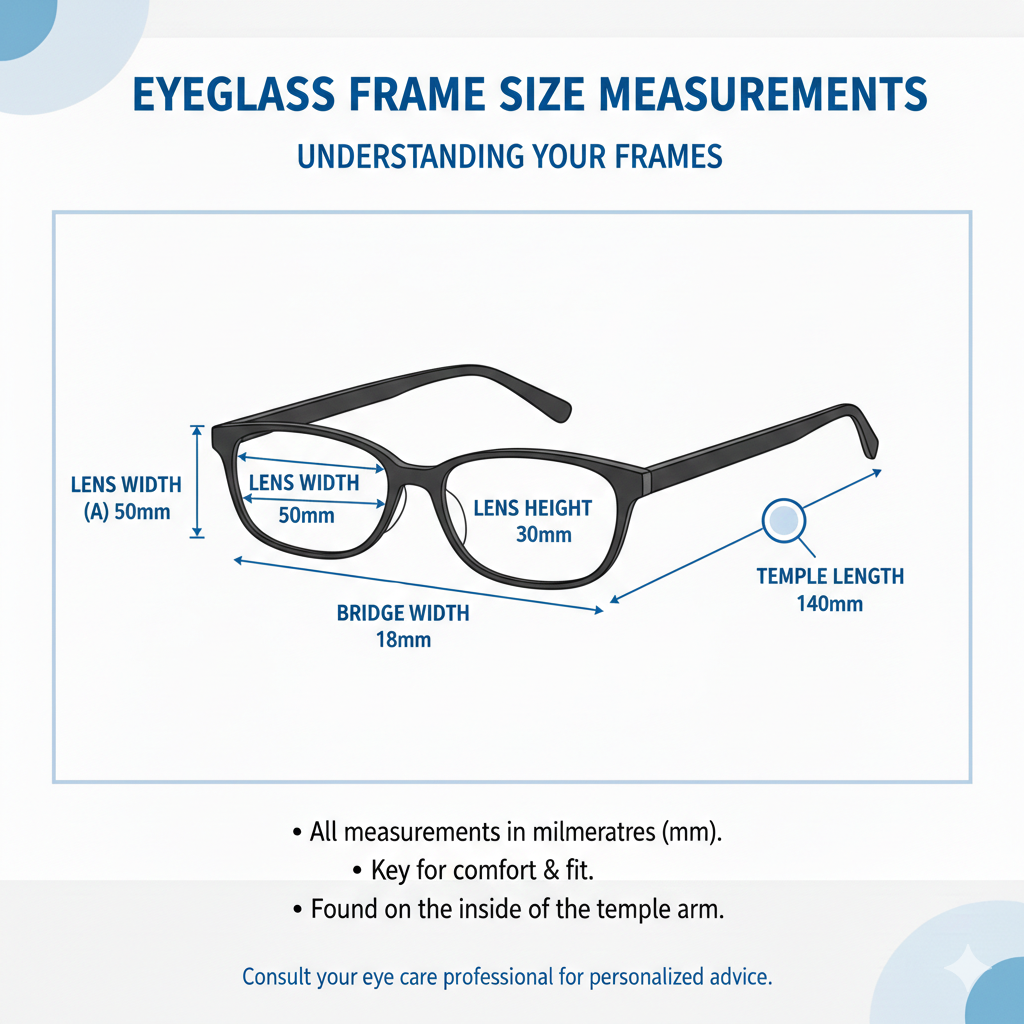
- Can you note the ideal lens width, bridge size, and temple length?
These measurements are usually printed inside your current glasses. Knowing them helps you choose frames that sit comfortably, align properly with your eyes, and don’t slide or pinch.
Poor frame fit can affect both comfort and vision, even if the prescription is correct.
9. “How Long Will It Take Me to Adapt to New Glasses?”
This is especially important if your prescription has changed.
Ask:
- Should I expect an adjustment period?
- What symptoms are normal, and what are not?
Mild discomfort for a few days can be normal. Persistent headaches, nausea, or blurred vision are not. Knowing what to expect helps you decide whether the issue is adaptation or an incorrect lens.
10. “What Should I Do If the Online Glasses Don’t Feel Right?”
Before ordering, ask:
- What signs mean the glasses are incorrect?
- Should I return to you if I have problems?
Having a clear plan reduces stress. Sometimes the issue is lens centering, PD error, or incorrect coating. A professional evaluation can quickly identify the problem.
Final Thoughts: Informed Choices Protect Your Eyes
Ordering glasses online is not wrong. Many patients do it successfully and happily. The key difference between satisfaction and frustration is preparation.
A short, honest conversation with your optician can save you weeks of discomfort and repeated expenses. Your eyes work hard for you every day. They deserve careful, informed decisions.
Call to Action
If you are planning to order glasses online and want clarity about your prescription, lenses, or coatings, book a consultation with our ophthalmology team. We will explain everything in simple terms and help you make a confident choice that keeps your vision comfortable and clear.
References
- https://www.aao.org/eye-health
- https://www.mayoclinic.org/healthy-lifestyle/adult-health/in-depth/eyeglasses/art-20045541
- https://www.ncbi.nlm.nih.gov/books/NBK559276/
- https://www.nhs.uk/conditions/eye-tests/