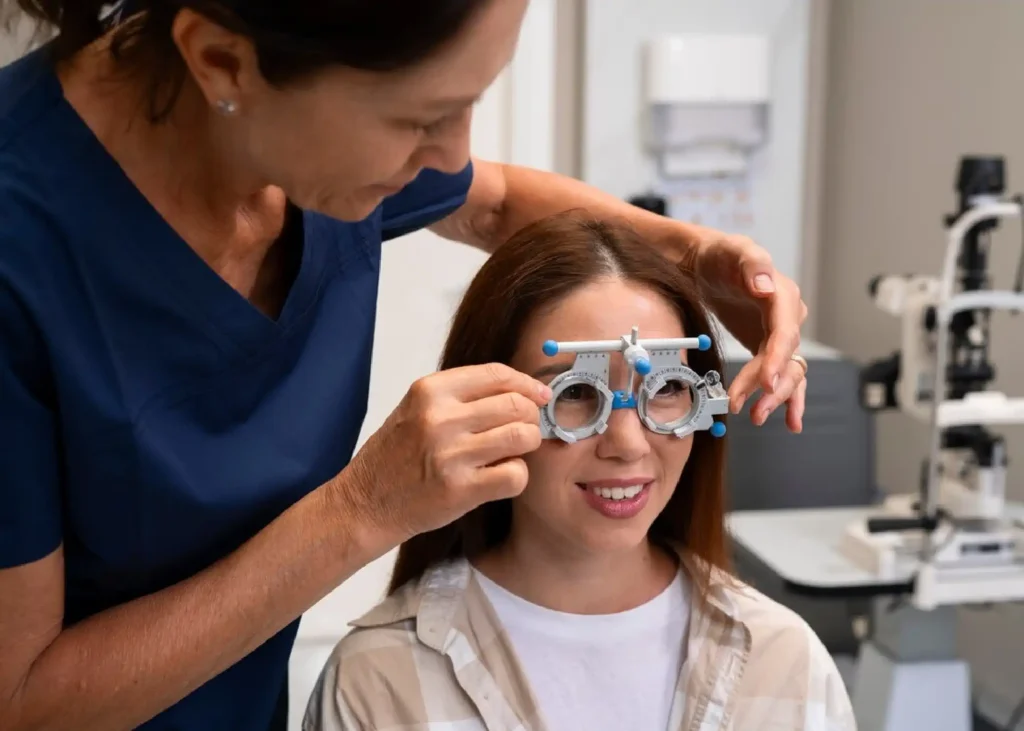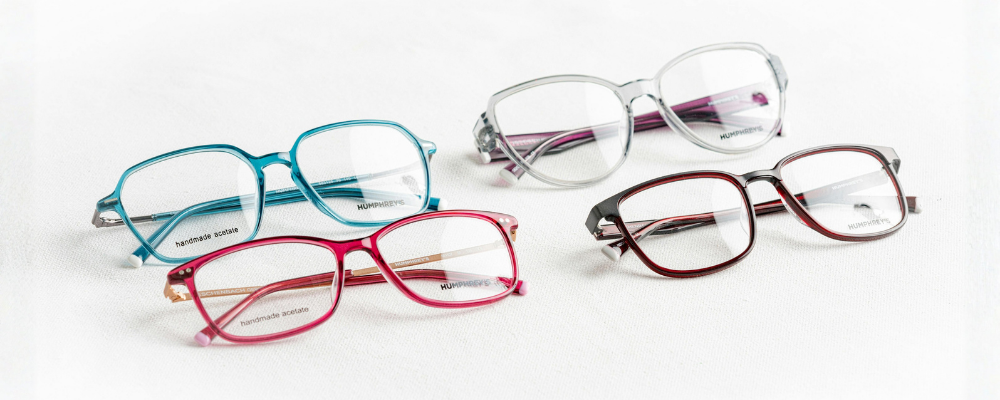
Choosing the right lens material matters more than most people realize. It affects how clearly you see, how heavy your glasses feel, how thick the lenses look, and how safe and comfortable they are for daily use. The most common options are CR-39 plastic, polycarbonate, and high-index lenses. Each has strengths and limitations depending on your prescription, lifestyle, age, and visual needs. Understanding these differences helps you make a confident, informed decision rather than relying on guesswork or sales pressure.
How Lens Material Affects Your Vision & Comfort
Choosing eyeglasses is not just about frames or fashion. As an eye doctor, I often tell patients that the lens material plays a bigger role in vision quality and comfort than the frame itself. Many people assume all lenses are the same and differ only in power. That is not true.
The material used to make your lenses affects:
How clear your vision feels
How heavy your glasses are on your nose
How thick or thin the lenses appear
How safe they are for children or active adults
How comfortable they remain after hours of use
Patients frequently ask me whether they should choose polycarbonate, CR-39, or high-index lenses. These are the three most commonly prescribed materials today. The right choice depends on your prescription, lifestyle, work habits, and personal comfort.
This article will walk you through these options step by step, using simple language, so you can understand what really matters and make a decision that suits your eyes and daily life.
Why Lens Material Matters More Than You Think
Your glasses sit on your face for many hours every day. Even small differences in weight, thickness, or optical clarity can affect how comfortable they feel by evening.
Lens material influences:
Visual sharpness and contrast
Eye strain and fatigue
Pressure on the nose and ears
Balance of the frame on your face
Durability and safety
Someone with a mild prescription working indoors all day has very different needs from a child, a sports enthusiast, or someone with a strong prescription. Lens material helps tailor glasses to those needs.
Understanding the Basics: What Is a Lens Made Of?
Modern eyeglass lenses are made from different types of plastic, not glass. Plastic lenses are lighter, safer, and easier to coat with scratch protection, anti-glare layers, and UV filters.
The three most common materials are:
CR-39 plastic
Polycarbonate
High-index plastic
Each material bends light differently. This affects how thick the lens needs to be to correct your vision.
CR-39 Lenses: The Traditional Plastic Option
CR-39 lenses have been used for decades and are still widely prescribed today.
What Are CR-39 Lenses?
CR-39 is a standard plastic lens material. It offers good optical clarity and is affordable. For many people with low to moderate prescriptions, it works perfectly well.
Vision Quality with CR-39
CR-39 lenses provide clear, natural vision with minimal distortion. For patients who are sensitive to visual clarity and contrast, these lenses often feel very comfortable.
Weight and Thickness
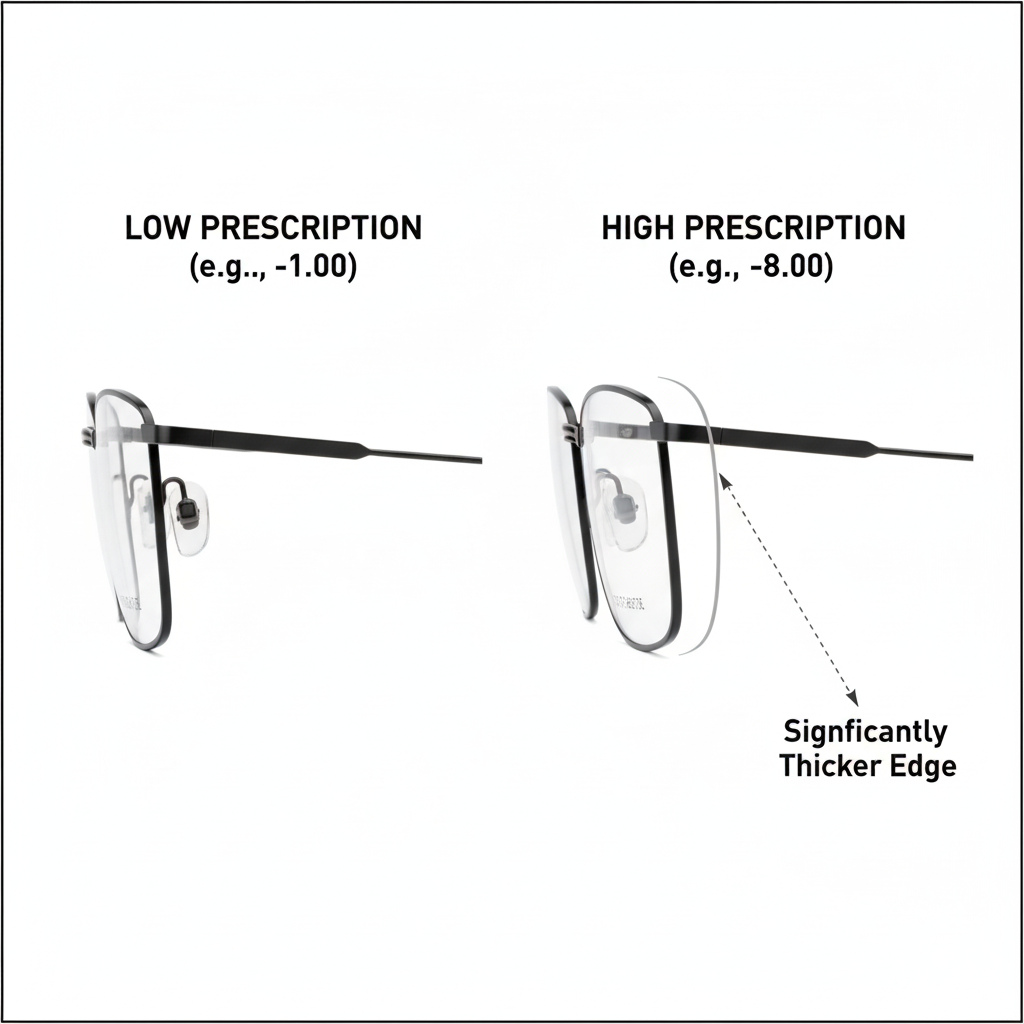
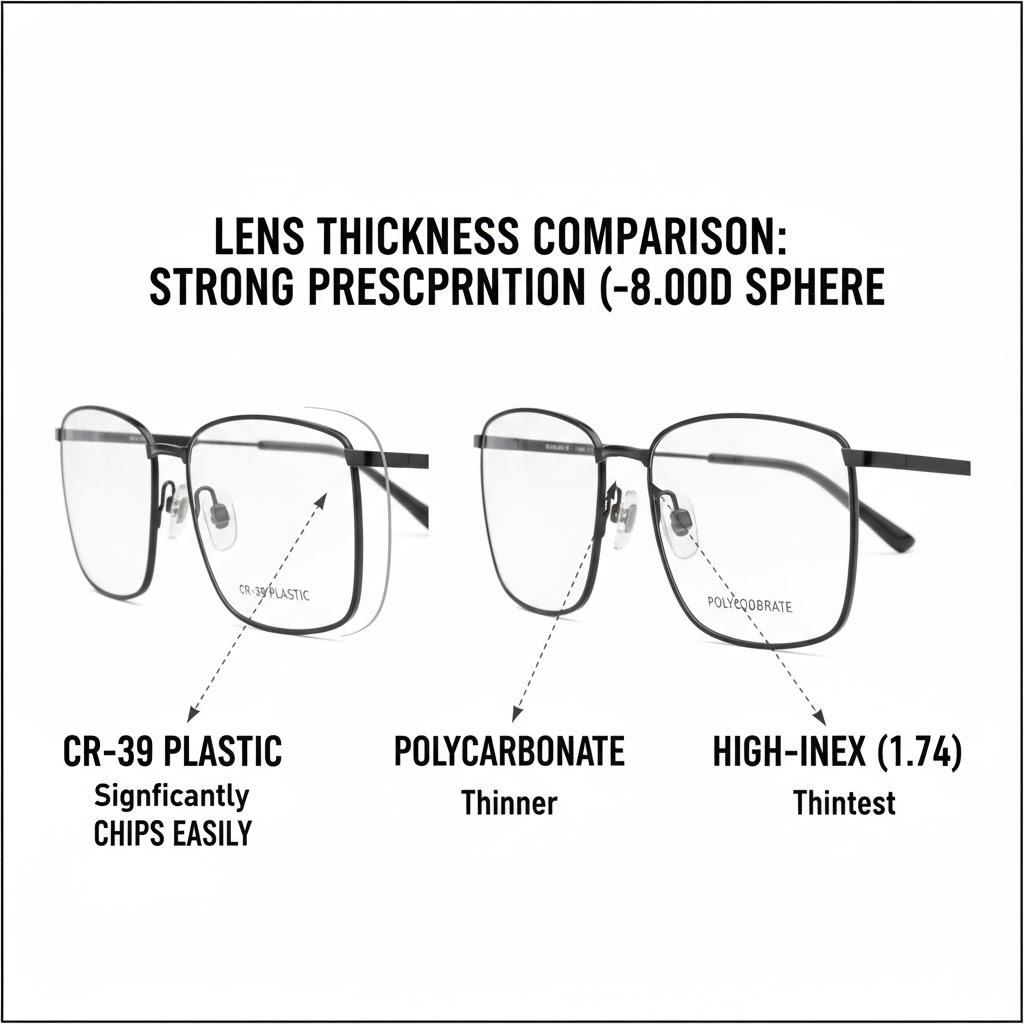
CR-39 lenses are thicker than polycarbonate and high-index lenses, especially for stronger prescriptions. For mild prescriptions, the thickness difference is usually not noticeable.
They are slightly heavier than polycarbonate but still comfortable for most adults.
Safety Considerations
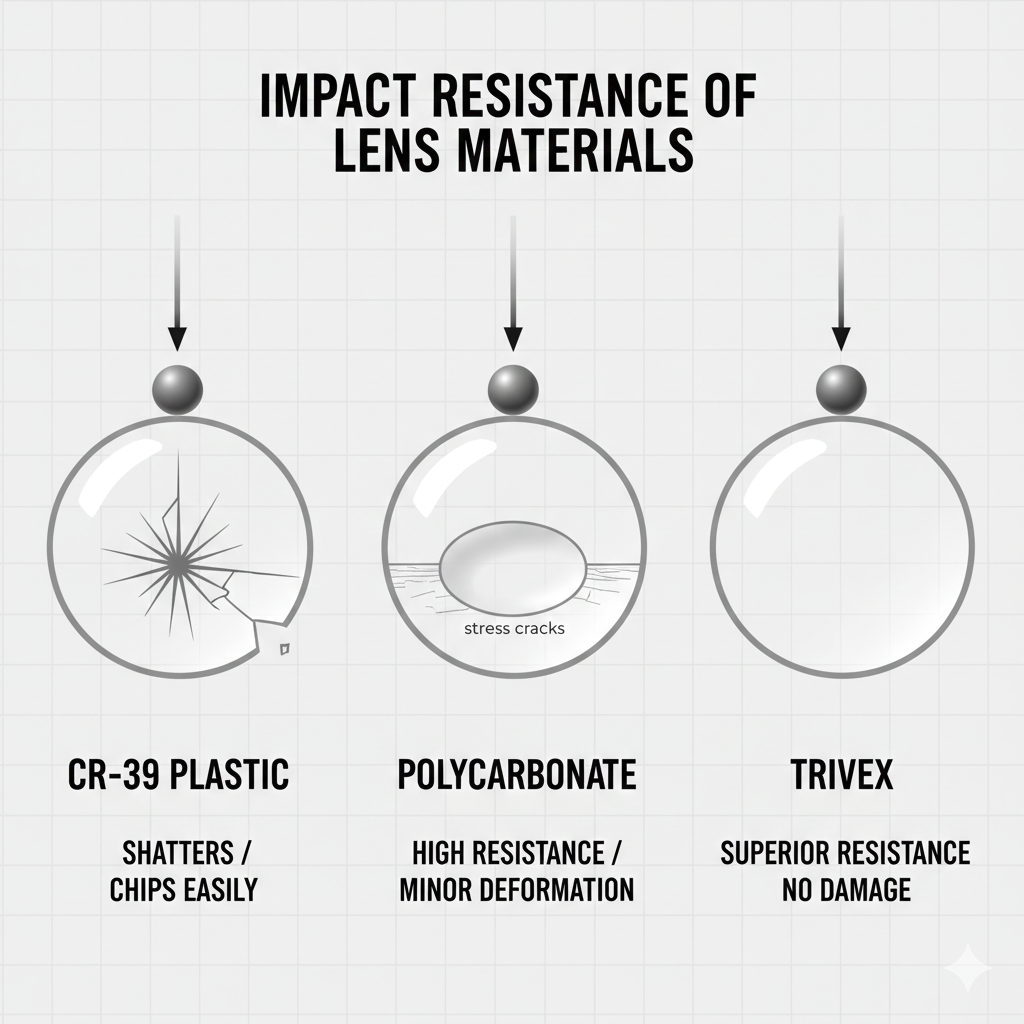
CR-39 lenses are reasonably durable but not impact-resistant. They can crack if hit hard. For this reason, they are not ideal for children, sports, or safety eyewear.
Who Should Consider CR-39?
Adults with low to moderate prescriptions
People who want good clarity at a lower cost
Those who do not need extra impact resistance
Polycarbonate Lenses: Lightweight and Impact-Resistant
Polycarbonate lenses are very popular, especially for children and active adults.
What Makes Polycarbonate Different?
Polycarbonate is a tough, flexible plastic originally developed for safety equipment. It resists impact far better than CR-39.
Vision Experience with Polycarbonate
Polycarbonate lenses provide good vision for most people, though the optical clarity is slightly lower than CR-39 or high-index materials. Many patients never notice this difference in daily life.
However, people who are very sensitive to visual sharpness or who do detailed visual work may notice slightly less crisp contrast.
Weight and Comfort
Polycarbonate lenses are significantly lighter than CR-39. This makes glasses feel more comfortable, especially for long hours of wear.
Lighter lenses reduce pressure on the nose and ears, which can be helpful for:
Children
Elderly patients
People with large frames
Thickness
Polycarbonate lenses are thinner than CR-39 but thicker than high-index lenses for strong prescriptions.
Built-In UV Protection
One major advantage is that polycarbonate lenses naturally block 100 percent of harmful UV rays without needing extra coatings.
Safety Benefits
Polycarbonate lenses are highly impact-resistant and shatter-proof. This makes them the safest choice for:
Children
Sports eyewear
People with only one functional eye
Outdoor or industrial work
Who Should Consider Polycarbonate?
Children and teenagers
Active adults
People who want lightweight glasses
Anyone prioritizing safety
High-Index Lenses: Thin, Lightweight, and Premium
High-index lenses are designed for people with stronger prescriptions.
What Does High-Index Mean?
High-index lenses bend light more efficiently. This means less material is needed to correct vision, allowing the lens to be thinner.
The higher the prescription, the more noticeable the benefit.
Vision Quality with High-Index Lenses
High-index lenses offer excellent clarity when made properly. Modern high-index materials perform very well, though they almost always require an anti-reflection coating for best comfort.
Without anti-glare coating, reflections can be more noticeable.
Thickness and Appearance
This is where high-index lenses shine.
They are significantly thinner and lighter than both CR-39 and polycarbonate lenses for moderate to high prescriptions. This improves both comfort and cosmetic appearance.
Patients often feel more confident wearing thinner lenses, especially in full-rim or fashionable frames.
Weight and Comfort
Despite their thinness, high-index lenses are lightweight. This reduces facial pressure and helps glasses stay balanced.
Durability and Safety
High-index lenses are less impact-resistant than polycarbonate but generally adequate for everyday adult use.
Who Should Consider High-Index Lenses?
People with moderate to high prescriptions
Patients concerned about thick lenses
Those wanting lightweight, premium comfort
Professionals who wear glasses all day
How Lens Material Affects Eye Comfort Over Time
Comfort is not just about weight. Lens material influences how your eyes feel by the end of the day.
Factors include:
Optical clarity
Reflections and glare
Lens thickness affecting frame fit
Weight distribution
Poorly chosen lenses can lead to:
Eye strain
Headaches
Pressure marks
Fatigue
For example, a heavy CR-39 lens in a strong prescription may cause discomfort, while a thinner high-index lens feels easier to wear.
Anti-Reflection Coating: Important for All Materials
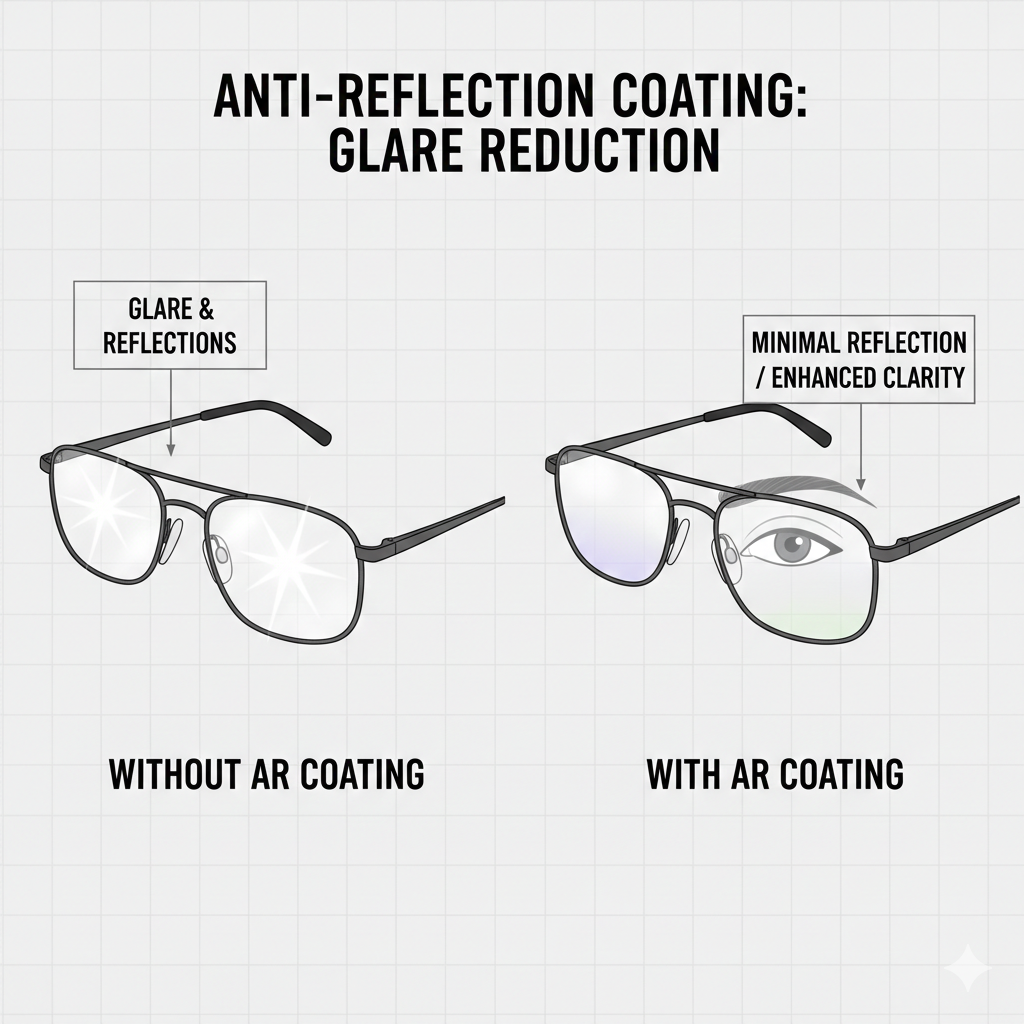
Regardless of lens material, anti-reflection coating improves comfort.
It reduces glare from screens and lights
Improves clarity and contrast
Makes lenses look clearer cosmetically
High-index lenses especially benefit from this coating.
How Lifestyle Should Guide Your Choice
Choosing lens material should not be rushed. I advise patients to consider how they use their eyes daily.
If you work long hours on screens, comfort and clarity matter more.
If you are active or buying glasses for a child, safety is critical.
If your prescription is strong, thickness and weight become important.
There is no single “best” lens for everyone.
When to Ask Your Eye Doctor for Guidance
You should ask for help choosing lens material if:
Your prescription is moderate or high
You experience eye strain with current glasses
Your glasses feel heavy or uncomfortable
You are buying glasses for a child
You want thinner, more aesthetic lenses
A proper eye examination and discussion about your daily habits make a big difference.
Call to Action
If you are unsure which lens material suits your eyes and lifestyle, do not guess. A professional evaluation helps avoid discomfort and unnecessary expense.
Book an appointment with our ophthalmology team for a comprehensive eye examination and personalized lens guidance. Clear, comfortable vision starts with the right choices.
References
https://www.aao.org
https://www.mayoclinic.org
https://www.ncbi.nlm.nih.gov
https://www.nih.gov