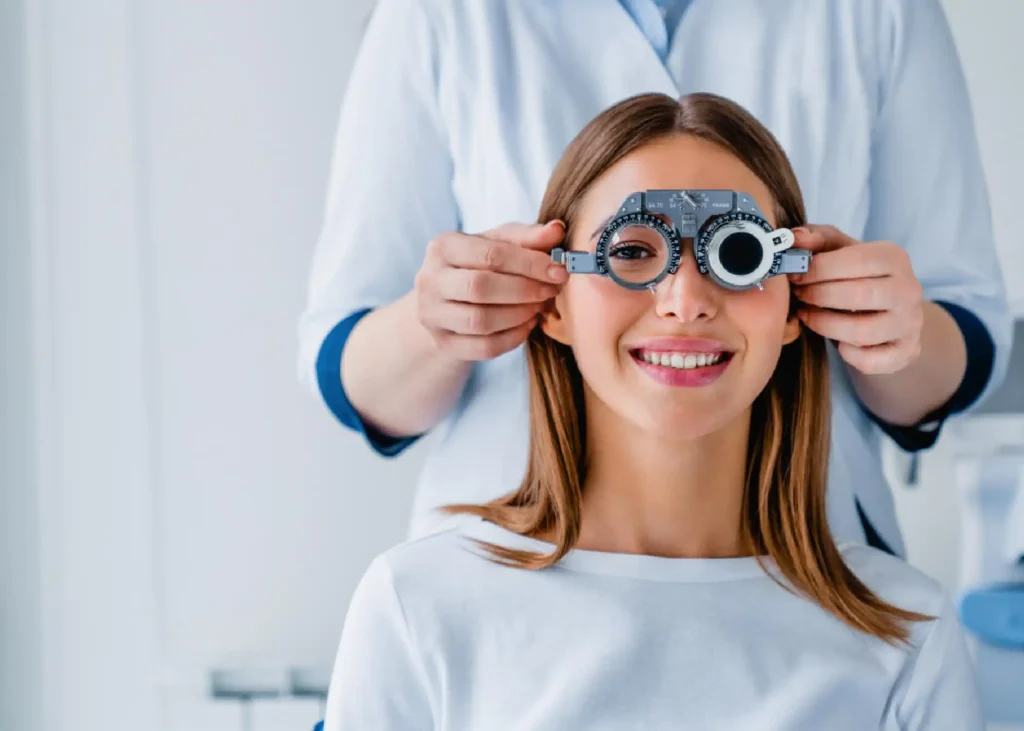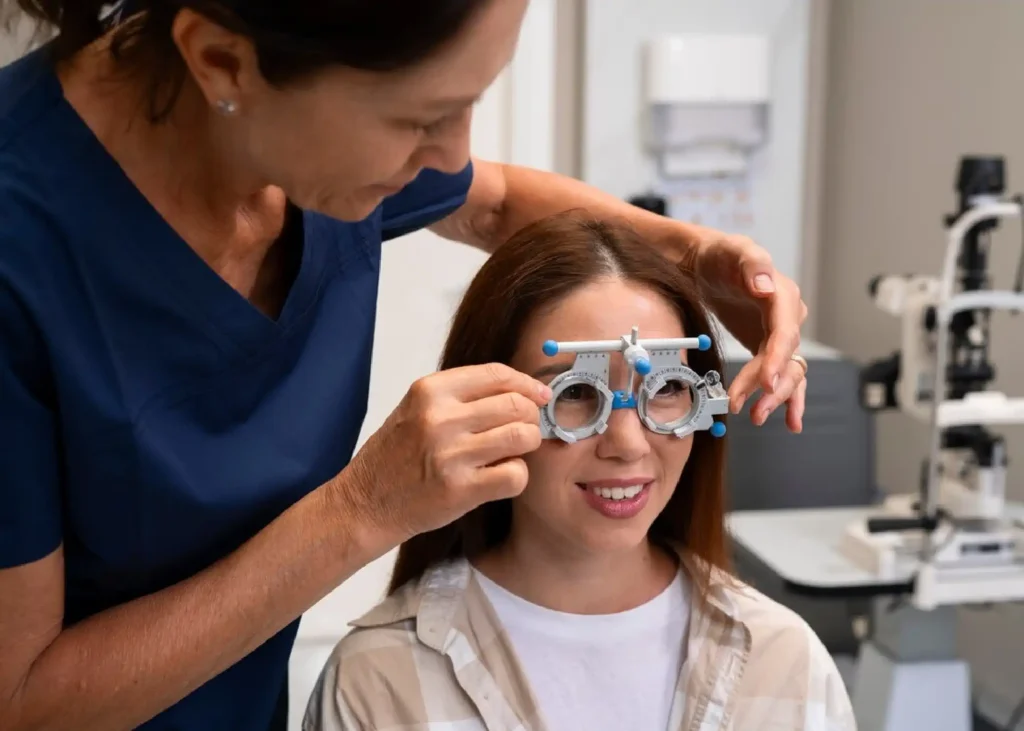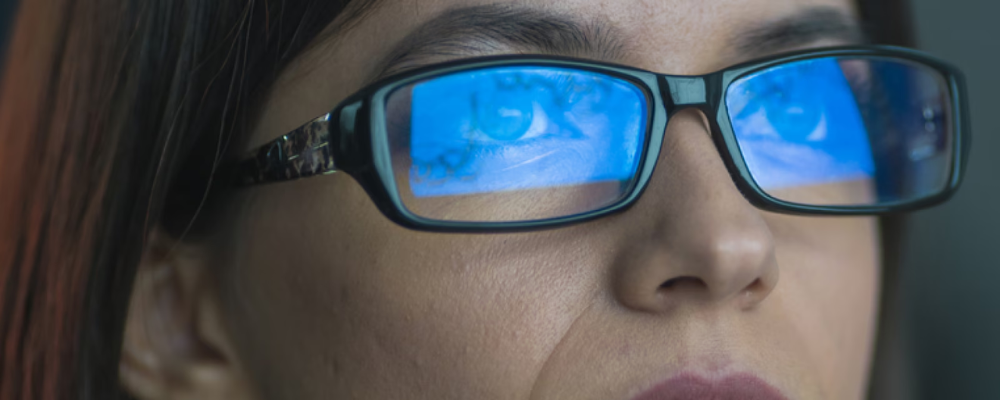
Blue-light filter coatings on glasses are widely marketed as a solution for eye strain caused by screens. In reality, scientific evidence shows that blue light from phones and computers does not damage the eyes or directly cause eye strain. Most digital eye strain comes from reduced blinking, prolonged focus, and poor screen habits—not blue light itself. Blue-light filters may slightly reduce glare or improve comfort for some people, but for most patients, good screen habits and proper eye exams matter far more than special coatings.
Blue-Light Filters on Glasses: Useful or Marketing Gimmick?
As an ophthalmologist, I am often asked a simple but important question in the clinic:
“Doctor, do blue-light filter glasses really protect my eyes, or are they just a marketing trick?”
This question comes from students, office workers, gamers, parents, and even people who rarely use screens but worry about long-term eye damage. With so much advertising around “harmful blue light,” it is understandable that people feel concerned.
Let us break this topic down carefully and honestly—based on science, not sales brochures—so you can make an informed decision for your eyes.
Why This Topic Matters Today
Screens are everywhere. We work on computers, scroll on phones, watch television, attend online classes, and relax with digital entertainment. Many people spend 8–12 hours a day looking at screens.
Along with this rise in screen use, eye discomfort has become common. Patients describe:
Tired eyes
Burning or dryness
Headaches
Difficulty focusing
A feeling of heaviness around the eyes
Naturally, people look for solutions. Blue-light filter glasses are often presented as a simple fix. But do they actually address the real problem?
What Is Blue Light?
Blue light is a high-energy visible light with a short wavelength. It is part of the natural light spectrum.
Where does blue light come from?
The largest source of blue light is the sun. We have been exposed to blue light for as long as humans have existed.
Digital sources include:
Smartphones
Tablets
Computer screens
LED lights
Televisions
It is important to understand one key point early:
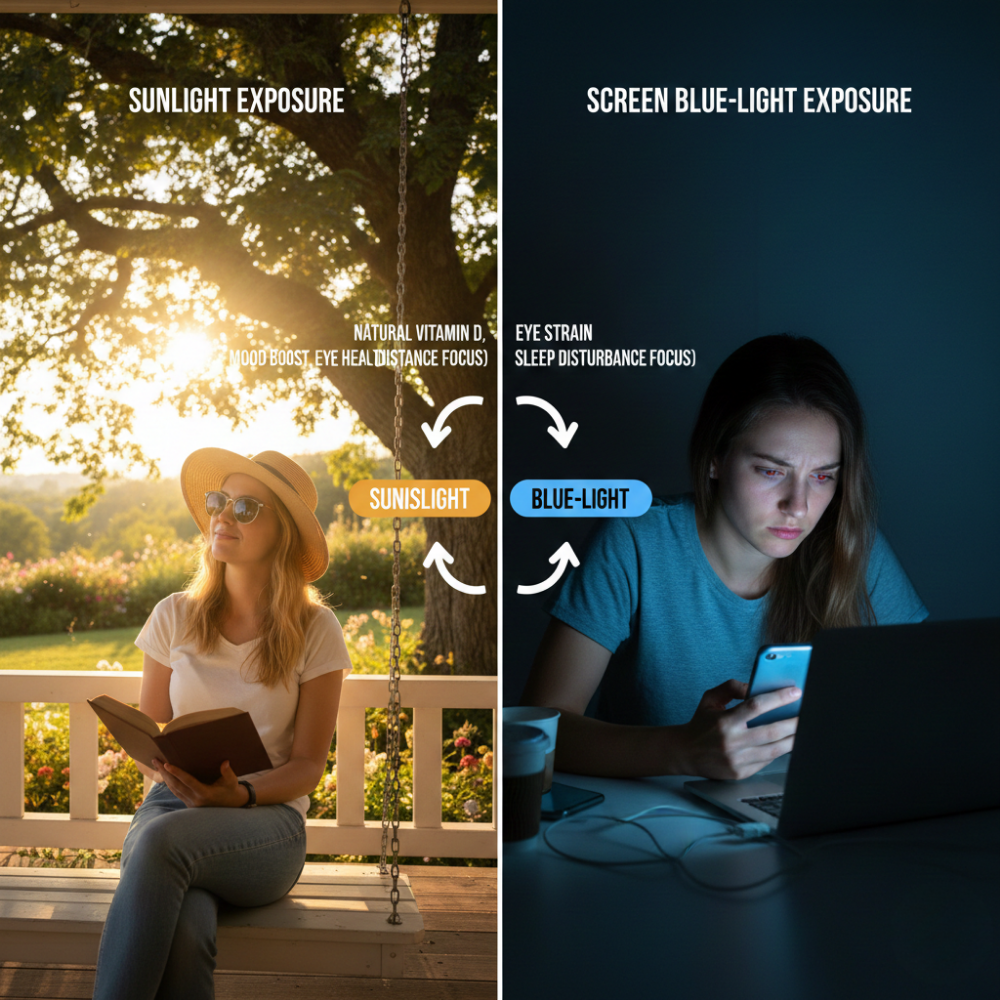
The amount of blue light coming from screens is very small compared to sunlight.
What Does Blue Light Do to the Eyes?
Blue light plays both useful and potentially uncomfortable roles in the body.
Helpful effects of blue light
Blue light helps regulate our sleep-wake cycle (circadian rhythm). Exposure to blue light during the day keeps us alert and improves mood and attention.
This is one reason screens at night can interfere with sleep—not because they damage eyes, but because they signal the brain to stay awake.
Harmful effects: what does science actually say?
There is no strong clinical evidence that blue light from screens causes:
Permanent eye damage
Retinal injury
Macular degeneration
Vision loss
This position is supported by major professional bodies, including the American Academy of Ophthalmology.
Laboratory studies sometimes show retinal damage from intense blue light exposure—but these levels are far higher than what any phone or computer emits.
What Is Digital Eye Strain (Computer Vision Syndrome)?
Most people who buy blue-light glasses are actually experiencing digital eye strain, not blue-light damage.
Digital eye strain is a real and very common condition.
Why screens cause eye strain
When we look at screens:
We blink less often
Our eyes stay focused at one distance for long periods
Screen text has lower contrast than printed text
We often sit with poor posture or lighting
All of this forces the eye muscles to work harder.
Blue light is not the main cause.
Common Symptoms Patients Attribute to “Blue Light”
Patients often say, “Blue light hurts my eyes,” but what they are feeling is usually one or more of the following:
Dryness due to reduced blinking
Muscle fatigue from prolonged focus
Uncorrected vision problems
Glare from screens
Improper screen height or brightness
Blue-light coatings do not correct most of these issues.
What Are Blue-Light Filter Glasses?
Blue-light filter glasses have a coating that reduces the amount of blue light reaching the eyes. Some lenses appear slightly yellow, while others are clear with a subtle reflective tint.
How much blue light do they block?
Most commercial blue-light lenses block 10–40% of blue light. This sounds impressive, but remember: screens already emit low levels of blue light.
Do Blue-Light Filters Reduce Eye Strain?
This is the most important question.
What research shows
Multiple clinical studies have compared people using:
Regular glasses
Blue-light filter glasses
The results are consistent:
Blue-light filters do not significantly reduce eye strain symptoms for most users.
Some individuals report mild comfort benefits, but these effects are inconsistent and may be related to:
Reduced glare
Placebo effect
Slight contrast changes
In other words, if someone feels better wearing them, that comfort is real—but it does not mean the blue light itself was harming their eyes.
Blue Light and Sleep: A Separate Issue
While blue-light filters may not prevent eye strain, they can play a small role in sleep hygiene.
Exposure to screens at night can delay sleep by suppressing melatonin.
Blue-light filtering:
May slightly reduce this effect
Is less effective than reducing screen time
Does not replace good sleep habits
Simply dimming the screen or avoiding devices before bedtime is far more effective.
Are Blue-Light Filters Harmful?
For most people, they are not harmful.
However, there are some downsides:
Color perception may change slightly
Visual clarity may reduce in low light
They may not be ideal for graphic designers or photographers
For children, there is no strong evidence that blue-light filters are necessary for eye health.
Why Are Blue-Light Glasses Marketed So Aggressively?
The idea of “invisible damage” is powerful. Blue light sounds technical and dangerous, which makes it easy to market protective products.
From a medical standpoint, the concern has been over-simplified and exaggerated.
This does not mean companies are lying—but they are often overstating benefits without strong clinical proof.
What Actually Helps With Screen-Related Eye Strain?
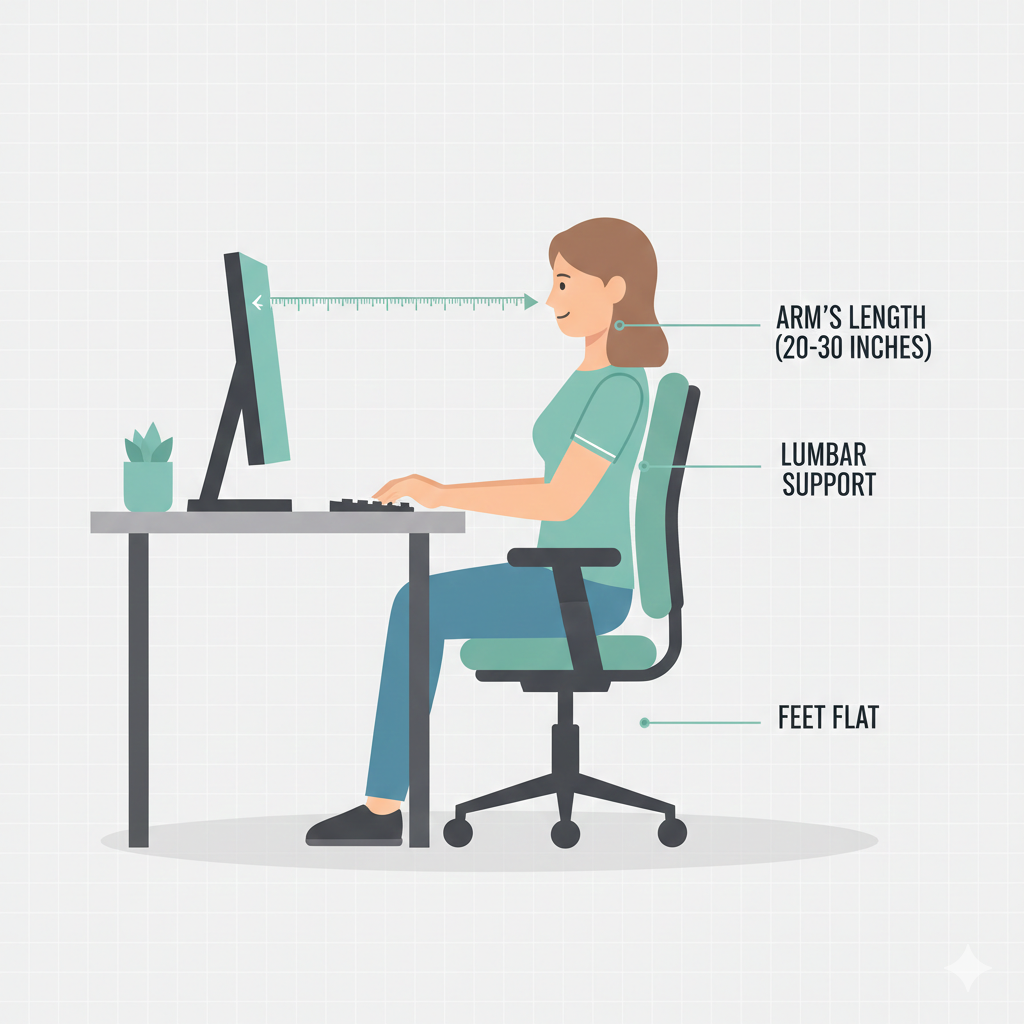
This is the part I emphasize most to patients.
Proper screen habits matter more than coatings
The most effective strategies include:
Following the 20-20-20 rule (every 20 minutes, look 20 feet away for 20 seconds)
Blinking consciously during screen use
Using lubricating eye drops if dryness is present
Ensuring proper room lighting
Adjusting screen height slightly below eye level
Correct vision correction is essential
Uncorrected or under-corrected glasses cause more eye strain than blue light ever will.
Even small refractive errors can lead to headaches and fatigue during screen use.
Who Might Benefit From Blue-Light Filters?
While not necessary for most people, blue-light filters may be reasonable for:
People who feel subjective comfort using them
Patients sensitive to glare
Individuals using screens late at night
Those who prefer warmer screen tones
The key word is preference, not medical necessity.
Who Does Not Need Them?
Most healthy adults
Children with normal eyes
People with eye strain due to dryness or poor ergonomics
Patients expecting protection from eye damage
Blue-light glasses should not replace eye exams or good habits.
When Should You See an Eye Doctor?
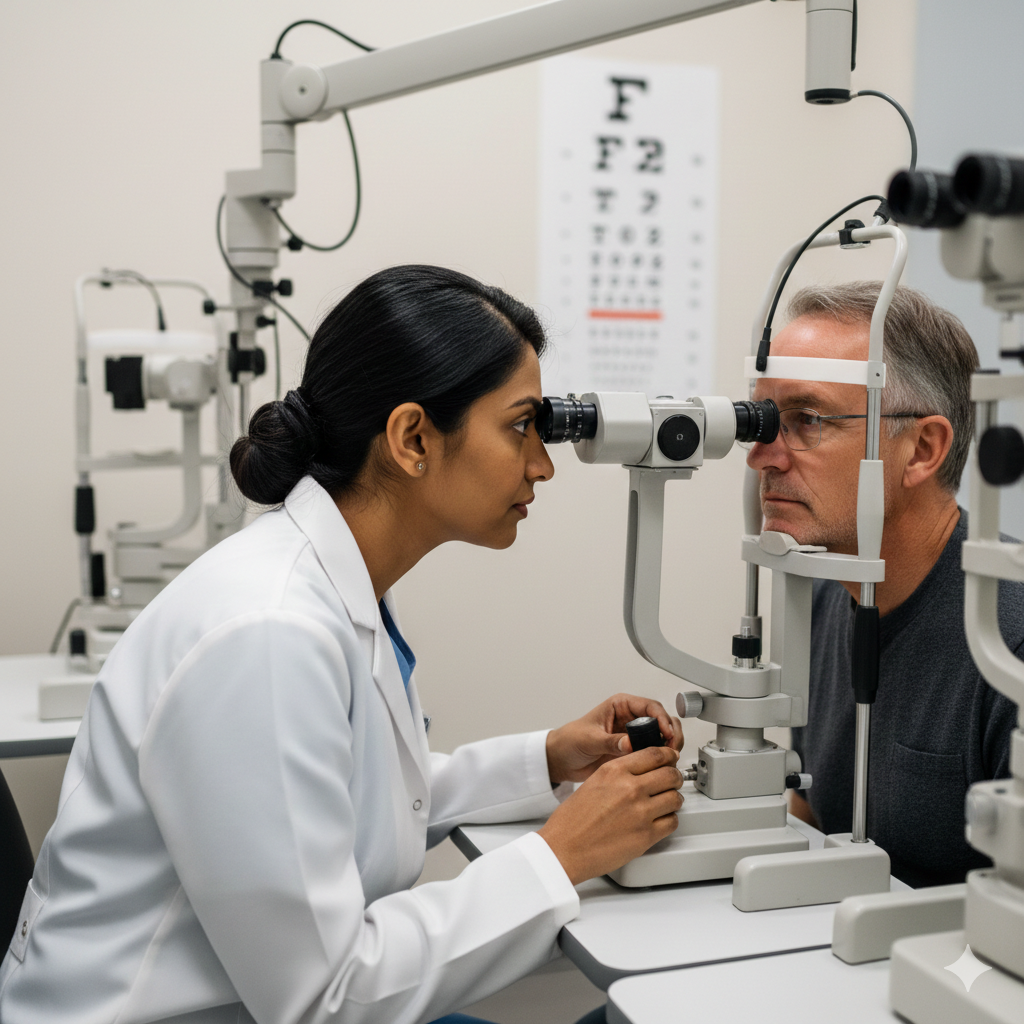
If you experience:
Persistent eye strain
Frequent headaches
Blurry vision
Dry or burning eyes
Difficulty focusing
Do not assume blue light is the cause.
A comprehensive eye exam can identify:
Dry eye disease
Refractive errors
Binocular vision problems
Early eye conditions
These issues require proper treatment—not special coatings.
Final Verdict: Useful Tool or Marketing Gimmick?
From a scientific and clinical perspective:
Blue-light filter glasses are not essential for eye health
They do not prevent eye damage
They do not reliably reduce digital eye strain
For most patients, they are optional comfort accessories, not medical solutions.
Good screen habits, proper lighting, regular eye exams, and correct prescriptions remain the true foundations of eye comfort.
Call to Action
If you are struggling with screen-related eye discomfort, do not rely on coatings alone.
Book a comprehensive eye examination at our eye hospital. We will identify the real cause of your symptoms and guide you toward solutions that genuinely protect your vision and comfort.
Your eyes deserve evidence-based care—not marketing myths.
References
American Academy of Ophthalmology – Blue Light and Eye Health
https://www.aao.org/eye-health/tips-prevention/blue-light-digital-eye-strain
Mayo Clinic – Eyestrain
https://www.mayoclinic.org/diseases-conditions/eyestrain
National Institutes of Health – Blue Light and Retina
https://www.ncbi.nlm.nih.gov
Harvard Health Publishing – Blue Light Has a Dark Side
https://www.health.harvard.edu