
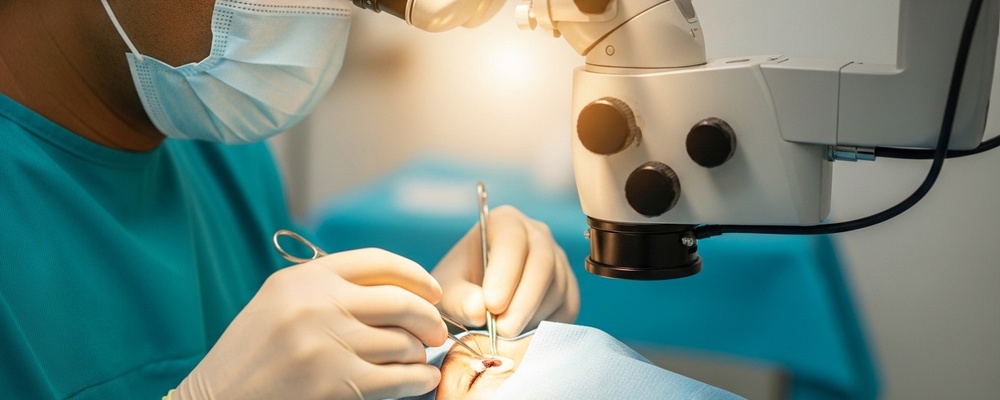
Simple Limbal Epithelial Transplantation (SLET) in Hyderabad: Cost, Procedure & Recovery
Simple Limbal Epithelial Transplantation (SLET) is an advanced eye procedure designed to restore the surface of your eye using your own healthy stem cells. It’s a gentle and effective way to repair damage to the cornea, helping you regain clearer vision and comfort. This innovative treatment offers hope for those suffering from certain severe eye surface conditions.
QUICK FACTS
- Procedure Duration: 30-60 minutes
- Anesthesia Type: Topical numbing eye drops / Local
- Recovery Time: A few days for initial comfort, several weeks for full stabilization
- Hospital Stay: Daycare / No overnight admission required
UNDERSTANDING THE BASICS
What is Simple Limbal Epithelial Transplantation (SLET)?
Imagine the surface of your eye, especially the clear front part called the cornea, like the clear window of your home. Around the edge of this window, there’s a special area called the ‘limbus,’ which acts like a factory constantly producing new, healthy cells to keep your eye’s surface smooth and clear. When this factory gets damaged, it can no longer produce these vital cells, leading to a cloudy, painful, or scarred eye surface.
Simple Limbal Epithelial Transplantation (SLET) is a clever way to restart this factory. During SLET, a tiny, healthy piece of tissue containing these ‘factory’ cells (limbal stem cells) is taken from your other, healthy eye (or sometimes from a donor). These healthy cells are then carefully placed onto the damaged eye. They act like seeds, growing and spreading to repair the damaged surface, helping to restore clarity, reduce pain, and protect your vision.
CONDITIONS AND SYMPTOMS
Why is Simple Limbal Epithelial Transplantation (SLET) performed?
Eye Conditions Treated
- Limbal Stem Cell Deficiency (LSCD) caused by chemical burns, thermal burns, or other injuries
- Persistent epithelial defects (non-healing sores on the eye surface)
- Recurrent corneal erosions due to limbal stem cell damage
- Certain types of severe dry eye syndrome where the surface is compromised
- Ocular surface reconstruction after trauma or disease
Symptoms You Might Be Experiencing
- Persistent eye pain or discomfort
- Redness and inflammation that doesn’t go away
- Blurred or hazy vision
- Sensitivity to light (photophobia)
- A feeling of something gritty or foreign in your eye
- Frequent tearing or discharge
- Cloudiness or scarring visible on the surface of your eye
SURGICAL JOURNEY STEP-BY-STEP
How is the Simple Limbal Epithelial Transplantation (SLET) Procedure Performed?
1. How to Prepare Before the Procedure
- Your ophthalmologist will conduct a thorough eye examination and medical history review to ensure SLET is the right treatment for you. This may include special imaging of your eye surface.
- You might be asked to stop certain eye drops or medications a few days before the surgery.
- Arrange for someone to drive you home after the procedure, as your vision may be temporarily blurry.
- Follow any specific instructions regarding fasting before the surgery, if required.
- Avoid wearing contact lenses in the days leading up to your procedure.
2. What Happens During the Procedure?
- SLET is typically performed as an outpatient procedure, meaning you go home the same day. You will receive numbing eye drops or a local anesthetic to ensure you are comfortable and feel no pain.
- First, the damaged surface cells from your affected eye are gently removed.
- Next, a tiny, healthy piece of tissue (containing limbal stem cells) is carefully harvested from your healthy eye (or a donor). This is a very small sample and does not harm your healthy eye.
- These healthy cells are then meticulously placed onto the prepared surface of your damaged eye. They are often secured with a special biological glue or very fine sutures, and sometimes covered with a bandage contact lens to protect them as they heal.
- The entire procedure is performed with precision under a microscope, ensuring the best possible outcome.
3. What to Expect Immediately After the Procedure
- After the SLET procedure, you will rest in a recovery area for a short period. Your eye will likely be covered with a protective shield or patch to prevent accidental rubbing or injury.
- You may experience mild discomfort, a gritty sensation, or some tearing, which can be managed with prescribed pain relief and eye drops.
- Your vision in the treated eye will be blurry immediately after surgery due to the patch, eye drops, and the healing process. This is normal.
- You will receive detailed instructions on how to care for your eye, including when and how to use prescribed eye drops, and when to schedule your follow-up appointments.
POST-OPERATIVE CARE AND TIMELINE
Recovery and Post-Operative Care
Do’s:
- Use all prescribed eye drops exactly as directed by your doctor. These are crucial for healing and preventing infection.
- Wear your protective eye shield, especially while sleeping, for the recommended period.
- Keep your follow-up appointments diligently to allow your doctor to monitor your healing progress.
- Rest and avoid strenuous activities that could put pressure on your eye.
- Maintain good hygiene and wash your hands before touching your eye or applying drops.
Don’ts:
- Do not rub or press on your treated eye.
- Avoid getting water directly into your eye (e.g., during showers, avoid swimming) for the initial recovery period.
- Do not wear eye makeup until your doctor gives you clearance.
- Avoid dusty or smoky environments that could irritate your healing eye.
- Do not lift heavy objects or engage in activities that increase eye pressure.
Day 1: You will likely have a protective patch or shield on your eye. Vision will be blurry. Mild discomfort is common. You’ll start your prescribed eye drops.
Week 1: Your doctor will check your eye and may remove the bandage contact lens if one was placed. Vision will gradually start to improve, though it will still be hazy. Continue with eye drops and avoid strenuous activities.
Month 1: Significant healing should have occurred. Your vision will continue to stabilize and improve. Your doctor will assess the success of the transplant and adjust your eye drop regimen as needed. You can gradually resume most normal activities, but always follow your doctor’s specific advice.
COST AND INSURANCE COVERAGE IN HYDERABAD
Cost of Simple Limbal Epithelial Transplantation (SLET) in Hyderabad & Insurance Options
- Estimated Local Investment: ₹45000 – ₹75000
- Cost Determinants:
- The specific hospital or clinic chosen (private hospitals often have higher costs).
- The surgeon’s experience and reputation.
- Whether the limbal stem cells are harvested from your own eye (autologous) or from a donor (allogeneic), which can involve additional costs for donor tissue.
- The complexity of your individual case and the extent of ocular surface damage.
- Pre-operative diagnostic tests and post-operative medications and follow-up care.
- The type of anesthesia used and the duration of the procedure.
- Insurance Protocol:
- Simple Limbal Epithelial Transplantation (SLET) is generally considered a therapeutic ‘Medical Necessity’ as it addresses a severe medical condition affecting vision and eye health. Therefore, it is typically covered by major Third-Party Administrator (TPA) networks and health insurance schemes in India.
- However, it is crucial to verify the specifics of your policy with your insurance provider well in advance of the procedure. Coverage details, co-pays, deductibles, and pre-authorization requirements can vary significantly between plans.
- Our hospital’s billing department can assist you in understanding your insurance benefits and navigating the pre-authorization process.
FREQUENTLY ASKED QUESTIONS
Frequently Asked Questions About Simple Limbal Epithelial Transplantation (SLET)
Q: Is SLET a painful procedure?
A: No, SLET is performed under local anesthesia or numbing eye drops, so you will not feel any pain during the procedure. You might experience mild discomfort during recovery.
Q: How long does it take to recover full vision after SLET?
A: Initial healing takes a few weeks, but vision improvement is gradual. Full stabilization and optimal vision can take several months as the new cells integrate and the eye surface remodels.
Q: Are there any risks associated with SLET?
A: As with any surgery, there are minor risks like infection, inflammation, or the transplanted cells not taking fully. Your surgeon will discuss all potential risks and benefits with you.
Q: Can SLET be performed on both eyes?
A: SLET is typically performed on one eye at a time. If both eyes are affected, the healthy eye often serves as the source for stem cells for the damaged eye. If both eyes are severely damaged, donor cells might be considered.
DISCLAIMER
Disclaimer: This content is curated using artificial intelligence and may contain inaccuracies. It is provided for informational and educational purposes only and should not be considered professional medical advice. Please consult your ophthalmologist for personalized clinical care. The prices listed in this article are indicative only and may vary based on the patient’s specific condition, procedural techniques, surgical complexity, and materials used. We strongly advise discussing actual costs directly with your healthcare provider.