Yes, wearing contact lenses during the Indian monsoon can increase the risk of eye irritation and infections if proper care is not followed. Rainy weather brings higher humidity, contaminated water, and more airborne germs, all of which can affect lens hygiene and eye safety. Infections like conjunctivitis and corneal ulcers are more common during this season, especially among careless lens users. With correct hygiene, limited wear time, and timely medical care, contact lenses can still be used safely during the monsoon.
Monsoon & Eye Health: Can Contact Lenses Cause Infections in Rainy India?
As an ophthalmologist practicing in India for many years, I see a noticeable rise in eye infections every monsoon. Patients often come in with red, painful, watery eyes and one common factor keeps appearing — contact lens use during the rainy season.
The monsoon is a beautiful time of year. It cools the air, refreshes the land, and brings relief from heat. But it also creates the perfect environment for bacteria, fungi, and parasites to thrive. For contact lens wearers, this combination of moisture, water exposure, and reduced hygiene awareness can quietly turn into a serious eye problem.
This article explains, in simple terms, why contact lenses need extra care during the monsoon, what kinds of infections can occur, and how you can protect your eyes while still enjoying the season.
Why Monsoon Season Affects Eye Health
During the rainy season in India, humidity levels rise sharply. Roads flood, water stagnates, and the air carries more microorganisms than usual. These conditions directly affect our eyes, especially when foreign objects like contact lenses are involved.
High humidity keeps the eye surface moist for longer periods. While that may sound harmless, it allows bacteria and fungi to survive more easily on lenses. Rainwater itself is not clean. It often carries dirt, sewage contaminants, and microorganisms picked up from rooftops, roads, and polluted air.
Many people are caught in the rain unexpectedly. Rubbing wet eyes with unclean hands, adjusting lenses in public places, or using tap water for cleaning lenses becomes more common during monsoon. Each of these habits increases infection risk.
For people with allergies, the monsoon can also worsen itching and redness, leading to more eye touching and rubbing — another pathway for germs to enter the eye.
Understanding Contact Lenses and the Eye
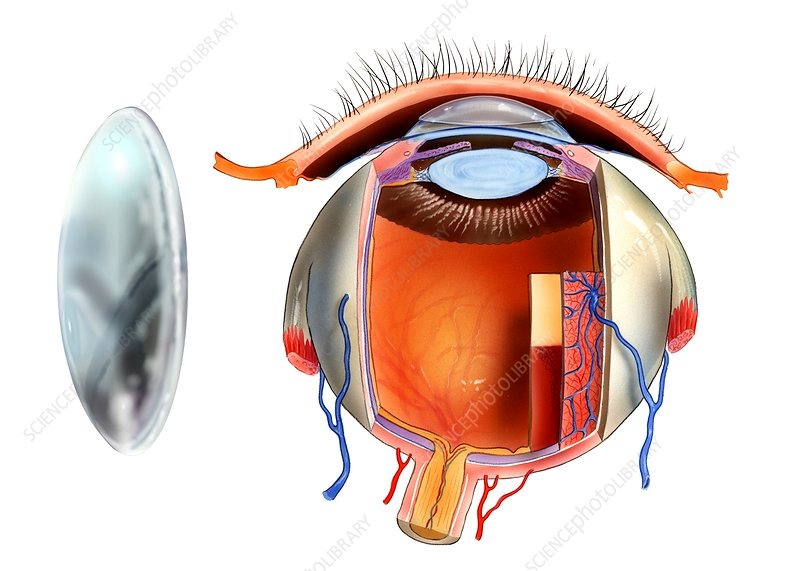
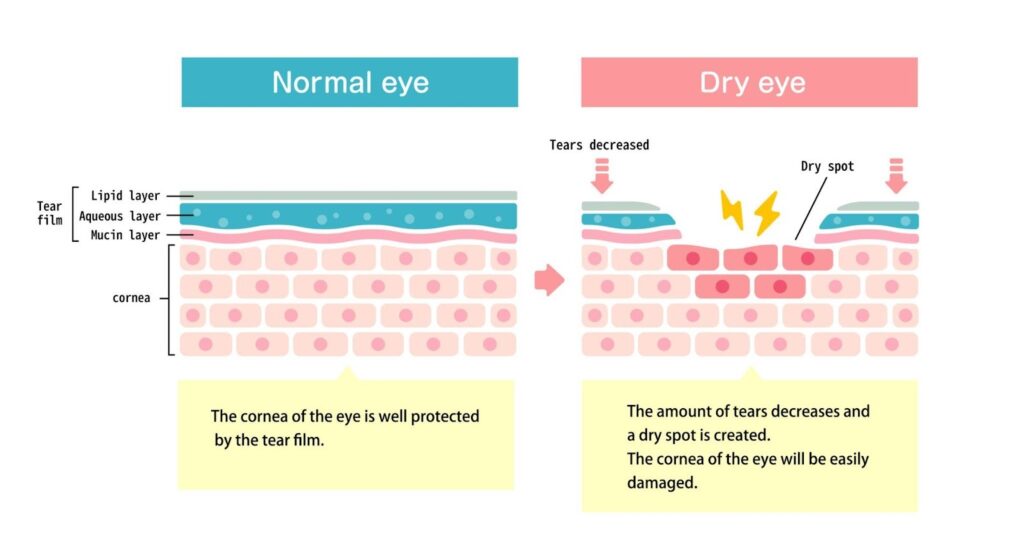
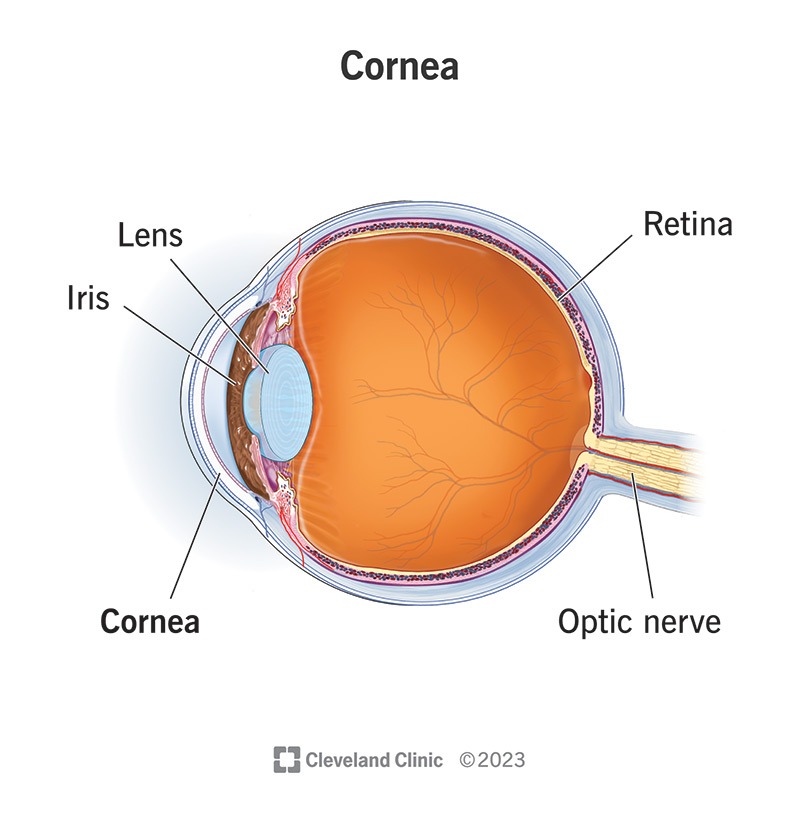
Contact lenses sit directly on the cornea, the clear front surface of the eye. The cornea has no blood vessels, which means it relies heavily on oxygen from the air and tears to stay healthy.
When a contact lens is worn, it slightly reduces oxygen reaching the cornea. In clean and dry conditions, this is usually safe. But in humid, germ-rich environments like the monsoon, reduced oxygen combined with trapped moisture can weaken the cornea’s natural defenses.
A contact lens can also trap bacteria or fungi between itself and the eye surface. Once trapped, these organisms multiply quickly, sometimes within hours. This is why even a small hygiene lapse can lead to a significant infection.
Common Eye Infections Linked to Contact Lens Use in Monsoon
During the rainy season, certain eye infections become more frequent among lens users. Understanding them helps in early recognition and treatment.
Conjunctivitis (Pink Eye)
This is the most common eye infection seen during monsoon. It causes redness, watering, irritation, discharge, and sometimes swelling of the eyelids. Conjunctivitis spreads easily, especially in crowded places and schools.
Contact lenses can worsen conjunctivitis by trapping infected secretions against the eye. Continuing lens wear during infection can delay healing and increase discomfort.
Keratitis (Corneal Infection)
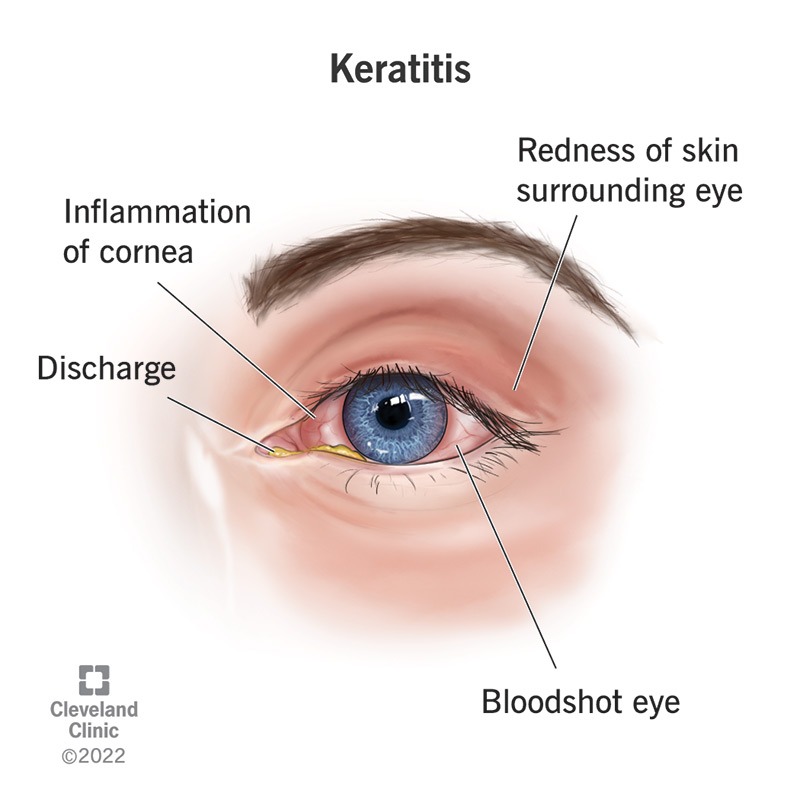
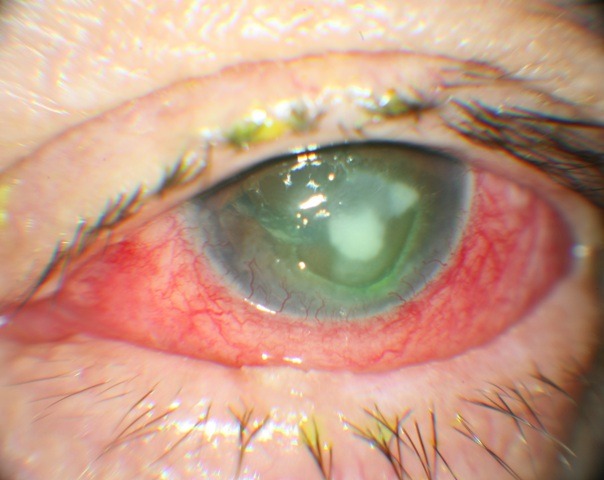
Keratitis is a more serious infection of the cornea itself. It can be caused by bacteria, fungi, or parasites. Monsoon conditions significantly increase fungal keratitis cases in India.
Symptoms include severe pain, redness, blurred vision, light sensitivity, and discharge. If not treated early, keratitis can cause permanent scarring and vision loss.
Acanthamoeba Infection
This is rare but extremely dangerous. Acanthamoeba is a parasite found in water, soil, and air. It can enter the eye when lenses come into contact with contaminated water.
This infection is strongly linked to washing lenses with tap water, swimming with lenses, or wearing lenses in the rain. Treatment is long and difficult, and vision damage can be severe.
Does Rainwater Really Harm Contact Lens Wearers?
Yes, rainwater poses a real risk.
Rainwater in cities often mixes with dust, industrial pollutants, and sewage particles. When rain splashes into the eyes, especially while wearing lenses, microorganisms can stick to the lens surface.
Even a few seconds of exposure can be enough. The danger increases if lenses are not removed and cleaned immediately afterward.
Many people believe that rainwater is “natural” and therefore clean. Medically, this is not true. From an eye health perspective, rainwater should always be considered contaminated.
Hygiene Mistakes Common During Monsoon
In my clinical experience, infections rarely happen without a reason. During monsoon, certain mistakes become more frequent.
One common issue is washing hands quickly or inadequately before handling lenses. Wet hands that are not properly cleaned can transfer bacteria directly to the lens.
Another mistake is using tap water to rinse lenses or lens cases when clean solution is unavailable. Tap water in many parts of India is not sterile and may contain harmful organisms.
Overwearing lenses is also a problem. Rainy weather makes people stay out longer, travel more, or delay lens removal. Wearing lenses beyond recommended hours stresses the cornea.
Lens cases are often neglected. In humid weather, bacteria grow easily inside dirty or damp cases. Reusing old cases or not allowing them to dry completely increases infection risk.
Are Some Contact Lenses Safer Than Others in Monsoon?
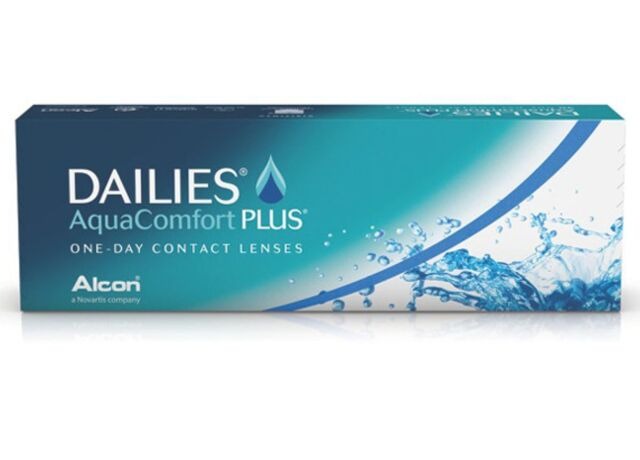
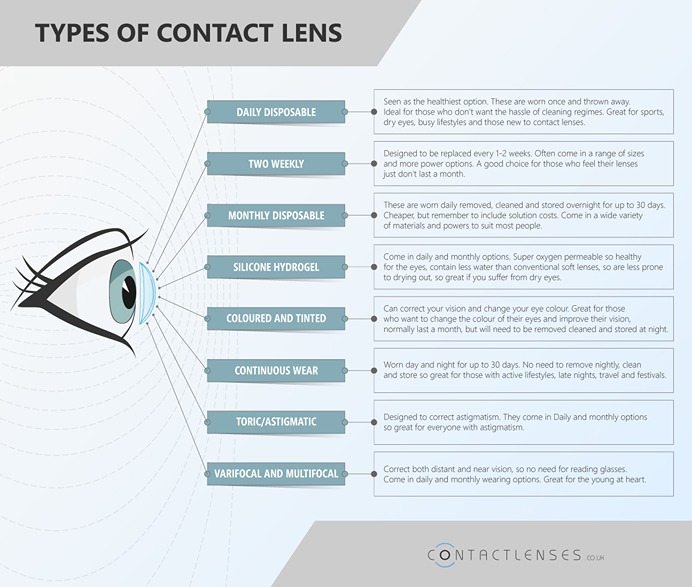
Daily disposable lenses are generally safer during the monsoon compared to monthly or yearly lenses. Since they are thrown away after a single use, there is no risk of solution contamination or dirty storage cases.
Extended-wear lenses, which are worn overnight, are not recommended during monsoon. Sleeping in lenses reduces oxygen to the cornea and significantly increases infection risk.
Cosmetic colored lenses bought without prescription are another concern. Many are sold without proper quality control. During monsoon, these lenses can be especially dangerous.
Practical Tips for Safe Contact Lens Use During Monsoon
You do not necessarily need to stop wearing contact lenses during the rainy season. You do need to be extra careful.
Always wash hands thoroughly with soap and dry them before touching lenses. Avoid handling lenses in public places, vehicles, or washrooms.
Never let lenses come in contact with rainwater, tap water, or swimming pool water. If lenses get wet in the rain, remove them as soon as possible and clean them properly.
Limit lens wear time. Give your eyes more lens-free hours, especially when you are at home.
Clean and replace lens cases regularly. Allow them to air-dry completely. Replace the case every three months.
Do not ignore mild symptoms. Redness, irritation, or watering may seem minor but can progress quickly during monsoon.
Should You Switch to Glasses During Monsoon?
For many patients, I recommend reducing contact lens use during the rainy season. Glasses eliminate the risk of lens-related infections entirely.
If you commute long distances, work outdoors, or frequently get caught in the rain, glasses may be the safer option for these months.
This does not mean contact lenses are unsafe. It means risk management becomes more important when environmental conditions change.
When to See an Eye Doctor Immediately
Certain symptoms should never be ignored, especially if you wear contact lenses.
If you experience persistent redness, pain, blurred vision, light sensitivity, discharge, or a foreign body sensation, remove your lenses immediately and consult an ophthalmologist.
Delaying treatment can turn a simple infection into a sight-threatening condition.
Avoid self-medication. Over-the-counter eye drops may worsen certain infections, especially fungal ones, which are common during monsoon in India.
Final Advice from an Ophthalmologist
The monsoon season demands respect when it comes to eye care. Contact lenses are medical devices, not cosmetic accessories. Used responsibly, they are safe. Used carelessly, especially during rainy months, they can harm your vision.
Educate yourself, follow hygiene strictly, and listen to your eyes. Discomfort is often the first warning sign. Acting early can save your vision.
If you are unsure whether contact lenses are suitable for you during monsoon, a simple eye consultation can guide you properly.
Call to Action:
If you wear contact lenses and experience eye discomfort during the rainy season, book a comprehensive eye check-up with our ophthalmology team. Early evaluation can prevent serious infections and protect your eyesight.
References
- American Academy of Ophthalmology – Contact Lens Safety
https://www.aao.org - Mayo Clinic – Keratitis
https://www.mayoclinic.org - National Center for Biotechnology Information – Fungal Keratitis
https://www.ncbi.nlm.nih.gov - NHS UK – Contact Lens Care
https://www.nhs.uk