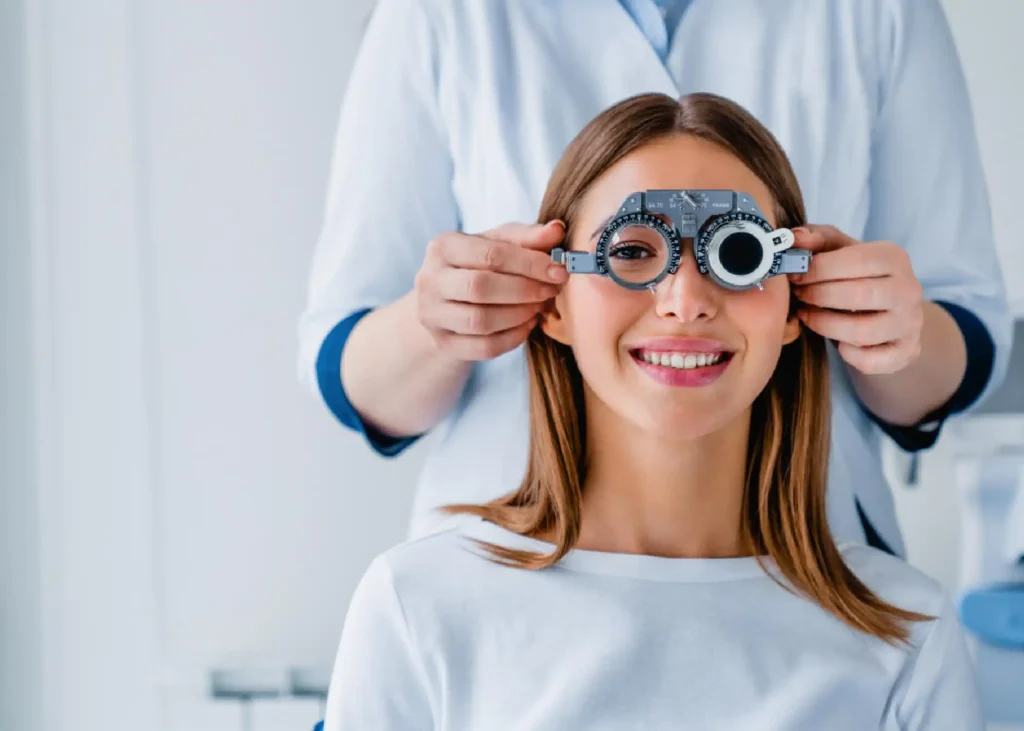
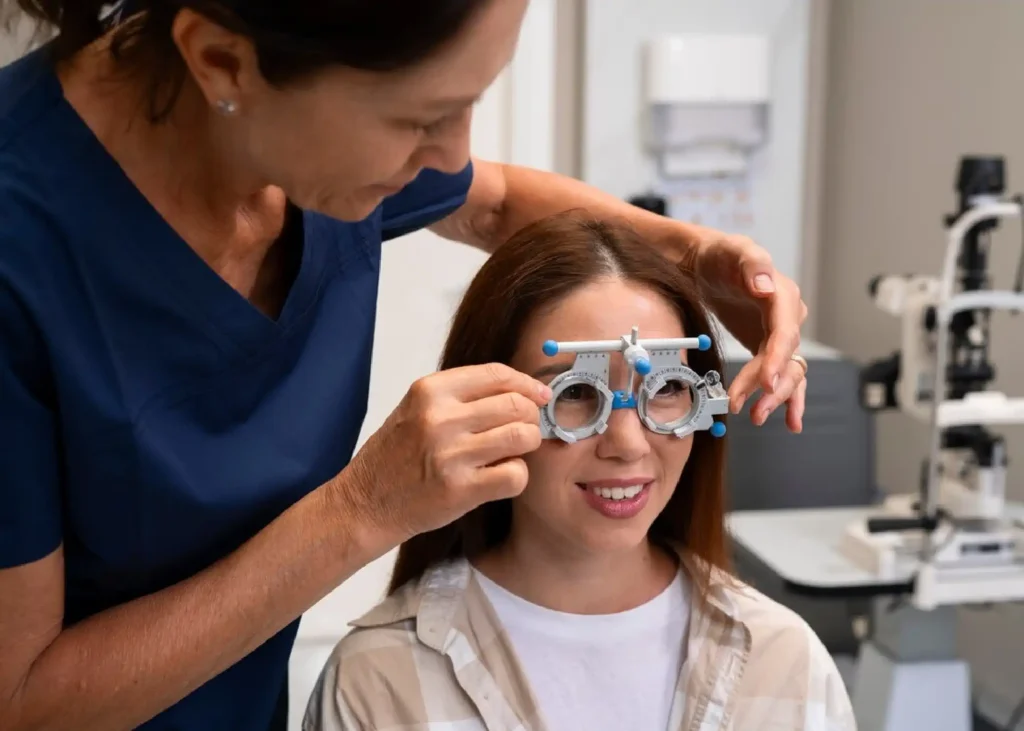
If your eye power is −6.00 or higher, choosing the right contact lens is not just about comfort—it is about safety, clear vision, and long-term eye health. In India, several good options are available, including monthly, daily, and specialized lenses designed for high power. Brands like Johnson & Johnson, Alcon, Bausch + Lomb, and CooperVision offer reliable choices. The best lens depends on your eye shape, dryness, lifestyle, and how long you wear lenses each day. Always start with a professional eye exam and fitting.
Best Contact Lens Options in India If You Have High Eye Power (−6.00 & Above)
As an ophthalmologist, I frequently meet young adults and working professionals who tell me the same thing:
“My eye number is very high. Can I even wear contact lenses safely?”
The short answer is yes—many people with high minus power can wear contact lenses very comfortably. But the longer and more important answer is that you must choose the right type of lens and the right brand, based on how your eyes behave, not just your prescription.
In India, awareness around contact lenses has grown rapidly, but misinformation is still common. High-power users often start with the wrong lenses, buy them online without a fitting, or use them longer than advised. This can lead to dryness, infections, or blurred vision.
This article will guide you step by step—starting from the basics, moving to lens types, and finally discussing the best contact lens brands available in India for powers −6.00 and above.
Why High Eye Power Needs Special Attention
High eye power usually means moderate to high myopia (short-sightedness). When your power crosses −6.00, a few things change:
First, your glasses lenses become thick and heavy, especially at the edges. Many people switch to contact lenses mainly for this reason.
Second, higher power lenses—whether glasses or contacts—are more sensitive to small errors. Even a slight mismatch can cause eye strain or headaches.
Third, people with high myopia may have slightly different corneal shapes or dryness issues, which affects lens comfort.
Because of these factors, contact lenses for high power must provide:
- Stable vision throughout the day
- High oxygen flow to the eye
- Good moisture retention
- Precise power accuracy
This is why lens selection matters more as your number increases.
Understanding Contact Lens Power and Limits
Most modern soft contact lenses can correct myopia up to −12.00 or even −15.00 in some designs. So from a power availability point of view, −6.00 is not a limitation anymore.
However, what matters is not just whether a lens exists, but whether it suits:
- Your corneal curvature
- Your tear film (how dry your eyes are)
- Your wearing time (4 hours vs 12 hours a day)
- Your work environment (screens, air conditioning, dust)
This is why two people with the same −7.00 power may need completely different lenses.
Types of Contact Lenses Suitable for High Power
Before we talk about brands, it is important to understand lens types. Each type has advantages and limitations for high-power users.
Daily Disposable Lenses
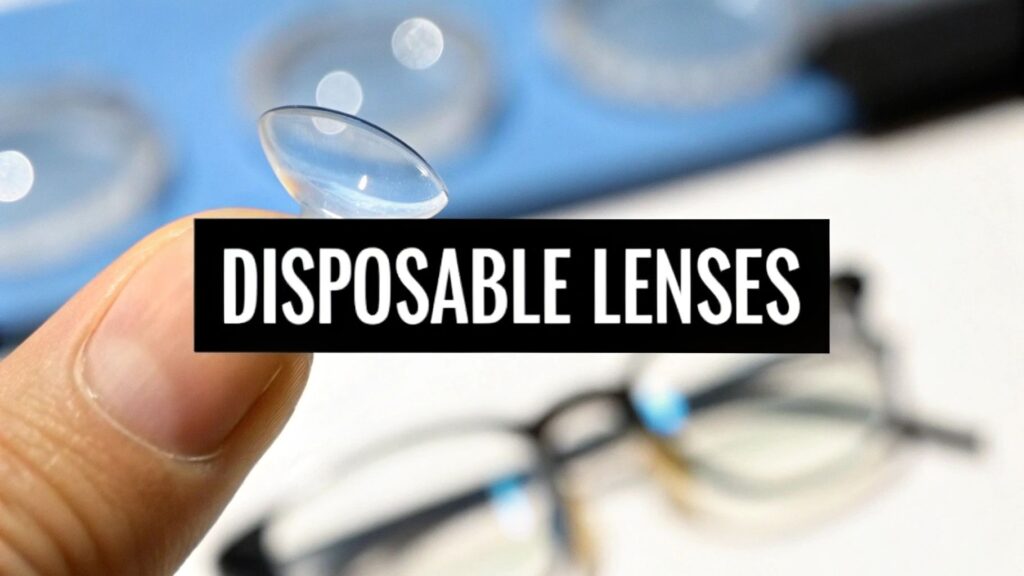
Daily lenses are worn once and thrown away at the end of the day. They are very popular among young users and first-time wearers.
For high-power users, daily lenses offer excellent hygiene and comfort. Because you use a fresh lens every day, there is less protein buildup and lower risk of infection.
They are ideal if:
- You have sensitive or dry eyes
- You wear lenses occasionally
- You want minimal maintenance
The downside is cost. High-power daily lenses can be expensive if worn every day.
Monthly Replacement Lenses
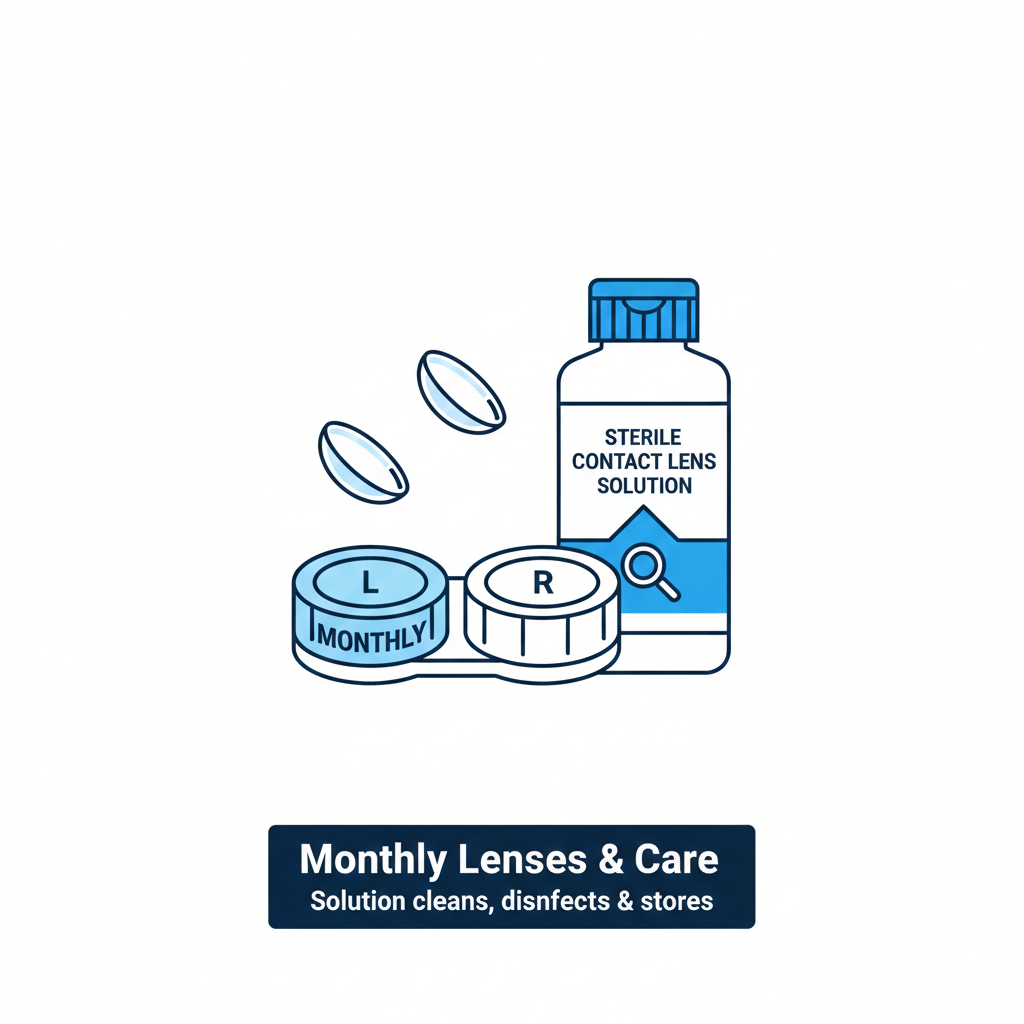
Monthly lenses are the most commonly used contact lenses in India. They are worn daily but replaced every 30 days with proper cleaning.
For powers −6.00 and above, monthly lenses are often the most practical balance between cost and performance.
They are suitable if:
- You wear lenses regularly
- You are comfortable with cleaning routines
- You want more options in high power ranges
Many high-quality monthly lenses are designed specifically to retain moisture and allow oxygen to reach the cornea.
Silicone Hydrogel Lenses
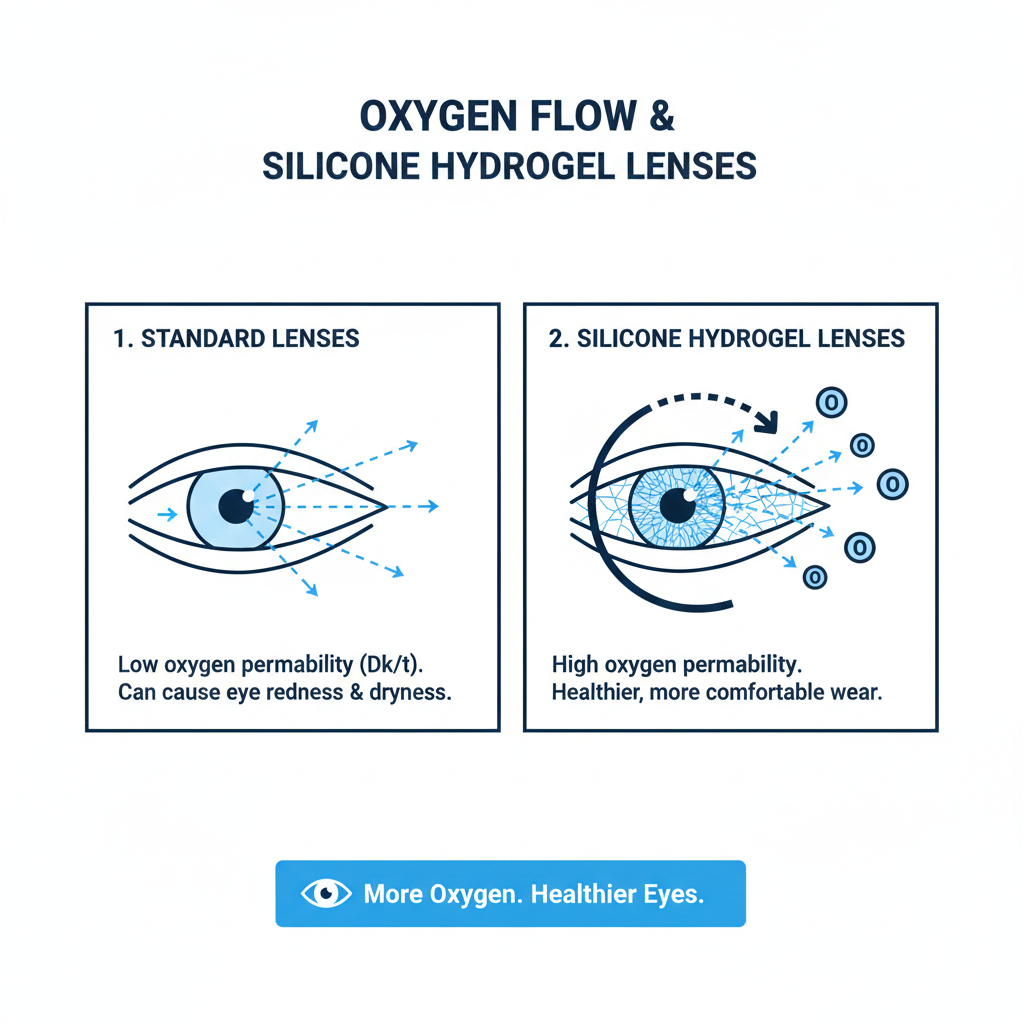
This is not a replacement schedule, but a material type.
Silicone hydrogel lenses allow much more oxygen to pass through compared to older soft lenses. This is extremely important for high-power users because thicker lenses reduce oxygen flow.
Most modern high-power lenses are silicone hydrogel, and I strongly recommend them for anyone wearing lenses more than 6–8 hours a day.
They help reduce:
Toric Lenses (If You Have Astigmatism)
Many people with high minus power also have astigmatism. In such cases, standard spherical lenses may not give clear vision.
Toric lenses correct both myopia and astigmatism. They are available in high power ranges, but fitting is more critical.
These lenses must sit in a specific orientation on the eye, so a professional trial is essential.
Best Contact Lens Brands in India for High Power
Now let us talk about brands that are reliable, widely available in India, and perform well for high prescriptions.
Johnson & Johnson Vision (ACUVUE)
ACUVUE lenses are among the most trusted worldwide and work very well for high-power users.
Their silicone hydrogel lenses provide excellent comfort and UV protection. Daily and monthly options are available up to −12.00 in many models.
They are especially good for people who experience dryness by evening.
Common options:
- ACUVUE OASYS (monthly/bi-weekly)
- ACUVUE OASYS 1-Day
Alcon
Alcon lenses are known for optical clarity and smooth lens surfaces.
Their daily disposable lenses are excellent for high myopia, especially for users who spend long hours on screens.
They also offer good toric options for astigmatism with high power.
Common options:
- DAILIES Total1
- Air Optix Plus HydraGlyde
Bausch + Lomb
Bausch + Lomb has a strong presence in India and offers cost-effective lenses without compromising safety.
Their monthly lenses are widely used for high power and are suitable for first-time wearers as well.
Common options:
- PureVision 2
- Ultra Monthly
CooperVision
CooperVision is particularly strong in lenses for complex prescriptions.
They offer high-power lenses, toric lenses, and even customized options in some cases.
Their lenses are comfortable and hold moisture well, especially for long wearing hours.
Common options:
- Biofinity
- MyDay Daily Disposable
Choosing the Right Lens: What Matters Beyond Power
Many users focus only on the number, but successful contact lens wear depends on several other factors.
Lens diameter and base curve must match your cornea. Tear quality affects comfort. Screen exposure affects dryness. Even blinking habits matter.
This is why buying lenses without a fitting is risky—especially for high power.
Common Problems High-Power Users Face
High-power users often report:
- Blurred vision by evening
- Dry or gritty feeling
- Red eyes after lens removal
- Frequent lens damage
Most of these issues are not because lenses are “bad,” but because the wrong type was chosen or worn incorrectly.
Safety Tips for High Power Contact Lens Users
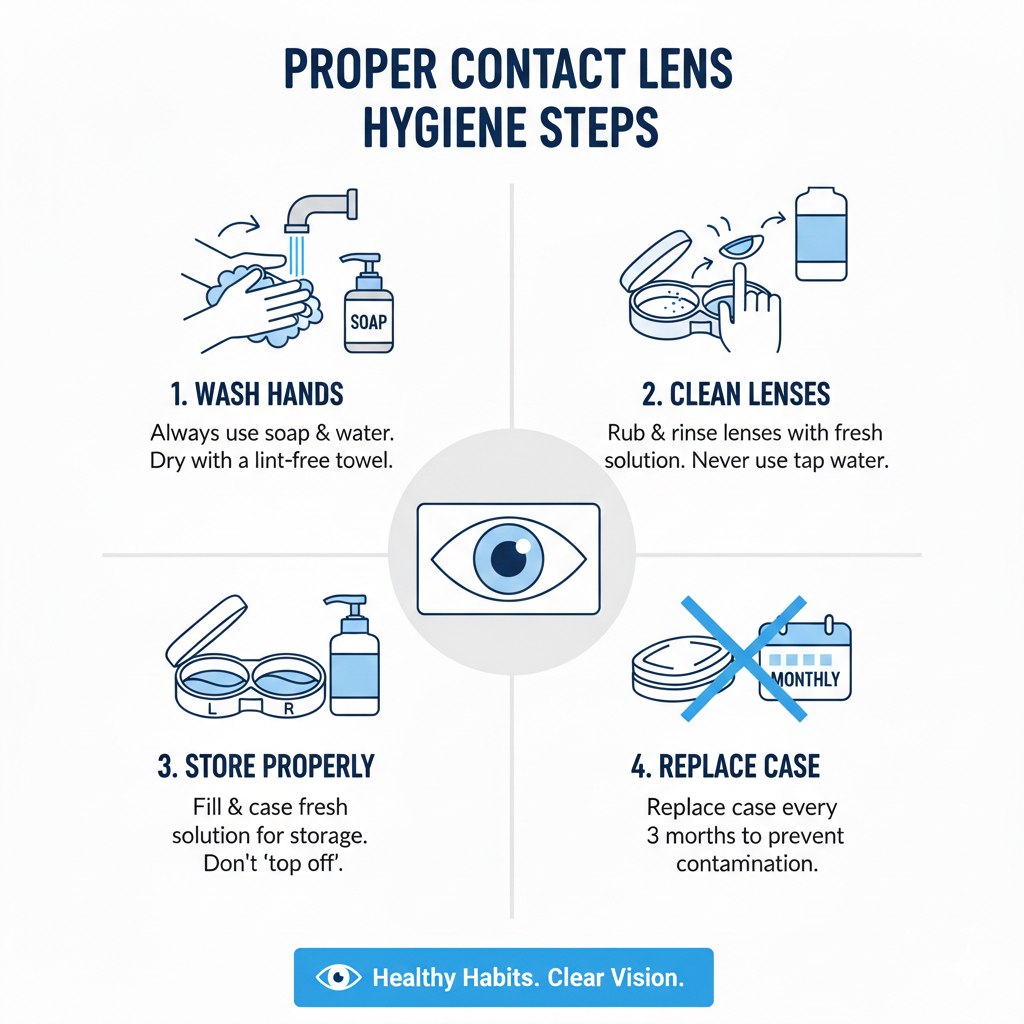
Always wash and dry your hands before handling lenses. Never sleep in lenses unless specifically prescribed. Do not stretch monthly lenses beyond 30 days.
Avoid buying lenses purely based on price or online reviews. Your eyes are not generic products.
When Should You Avoid Contact Lenses?
If you have frequent eye infections, severe dry eye, allergies, or poor tear production, contact lenses may not be ideal full-time.
In such cases, part-time wear or special lenses may be considered under supervision.
When to See an Eye Doctor
If you experience pain, redness, sudden blur, or sensitivity to light, remove the lenses immediately and consult an ophthalmologist.
Routine contact lens check-ups are recommended every 6–12 months, especially for high myopia.
Call to Action
If your eye power is −6.00 or above and you are considering contact lenses, do not guess or self-prescribe. A proper eye exam and contact lens trial can make the difference between comfortable vision and long-term eye damage.
Visit our eye hospital for a detailed contact lens evaluation and personalized guidance from an experienced ophthalmologist.
References
- American Academy of Ophthalmology – https://www.aao.org
- Mayo Clinic – https://www.mayoclinic.org
- National Institutes of Health – https://www.nih.gov
- PubMed – https://pubmed.ncbi.nlm.nih.gov