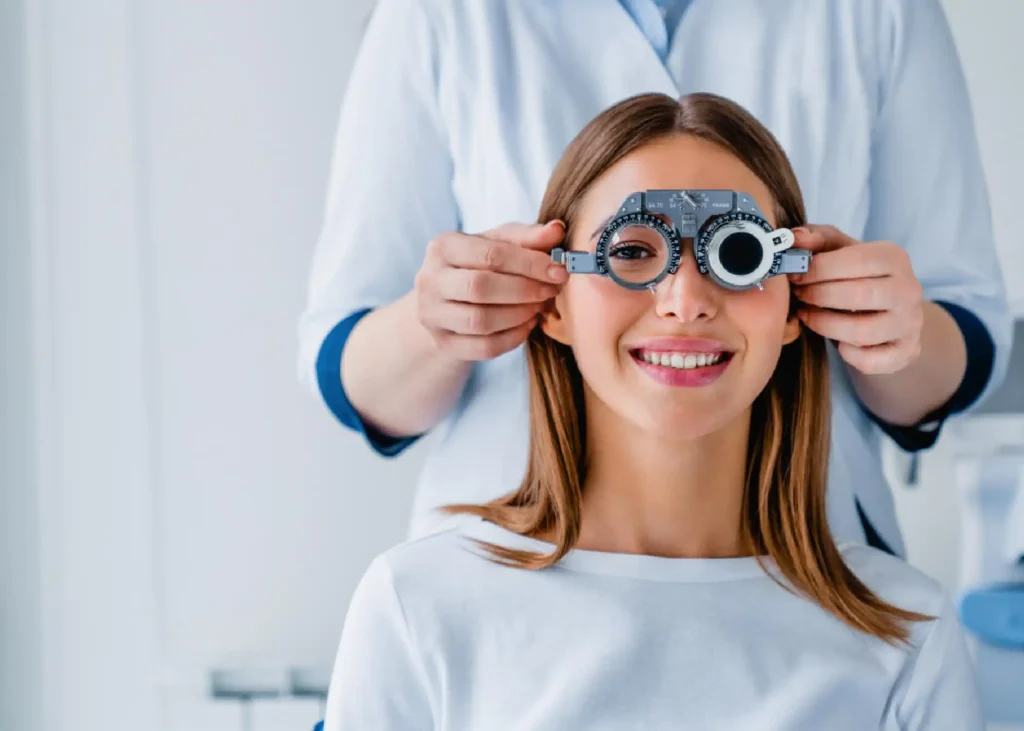
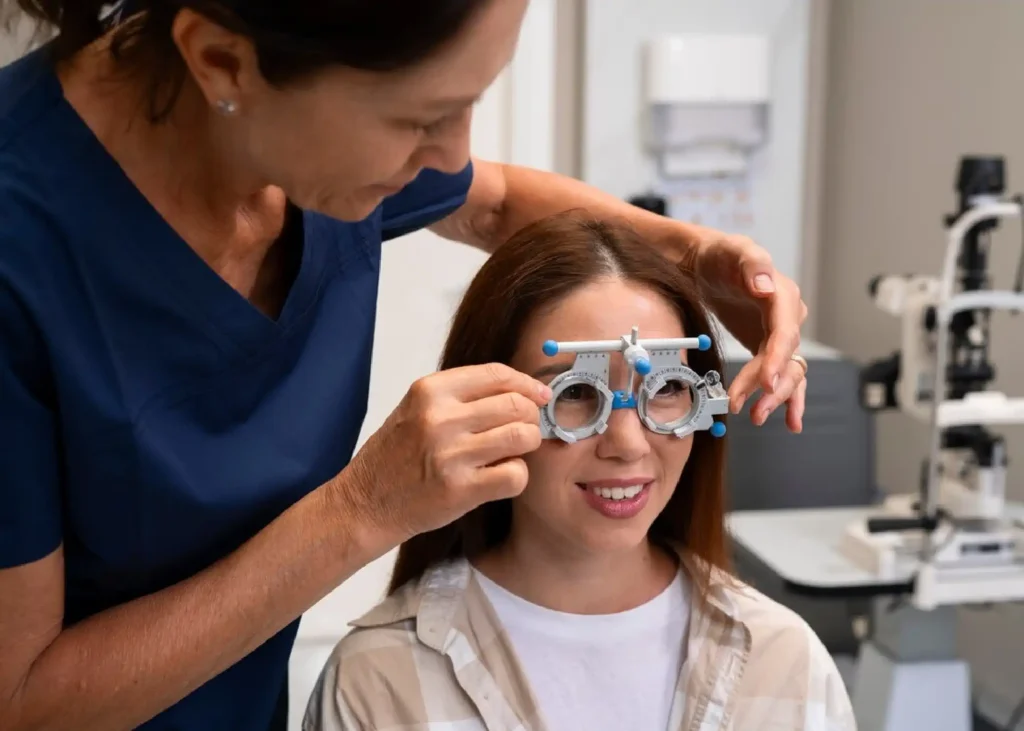
Many contact lens users in India are confused between 15-day and 30-day lenses. On paper, both seem similar. But real-world experience often tells a different story. Many wearers who switched from 30-day to 15-day lenses report better comfort, less dryness, and fewer end-of-day problems. As an eye doctor, I see this often in my clinic. This article explains why this happens, how Indian climate and lifestyle play a role, and how to choose the safest option for your eyes.
15-Day vs 30-Day Contact Lenses in India — Real Wearer Experiences
A senior ophthalmologist’s perspective
Introduction: Why this question matters more than you think
Contact lenses are extremely popular in India today. Teenagers use them for convenience. Young professionals prefer them for appearance and comfort. Many people wear lenses for long office hours, screen work, travel, and social events.
Yet, one of the most common problems I hear in my clinic is this:
“Doctor, my lenses feel uncomfortable by evening.”
“My eyes become dry and red after a few hours.”
“I followed all the rules, but still I get irritation.”
Very often, these complaints come from people using 30-day contact lenses.
Recently, one Indian user shared their experience of switching from 30-day lenses to 15-day lenses, and noticed a clear improvement in comfort. This is not an isolated case. I see similar stories repeatedly.
So let us break this down carefully and honestly — without marketing claims — and understand what really works best for Indian eyes.
Understanding contact lens replacement cycles in simple terms
Before comparing 15-day and 30-day lenses, we must understand what “replacement cycle” actually means.
A contact lens replacement cycle refers to how long a lens is designed to be safely worn after opening, assuming:
- Proper cleaning
- Correct storage
- No overnight wear unless specifically prescribed
15-day lenses
These lenses are designed to be used for up to 15 days and then discarded.
30-day lenses
These lenses are designed to be used for up to 30 days and then discarded.
That sounds simple. But in real life, things are not always ideal.
Why real-world experience matters more than labels
Manufacturers test lenses under controlled conditions. But Indian users live in:
- Hot and humid weather
- Dusty environments
- Air-conditioned offices
- Long screen exposure
- Variable hygiene standards
All of this affects how lenses behave inside real human eyes.
This is where many wearers start noticing differences between 15-day and 30-day lenses.
Real Indian wearer experience: Why 15-day lenses often feel better
One Indian user recently reported switching from 30-day lenses to 15-day lenses and experiencing:
From a medical perspective, this makes sense.
Let me explain why.
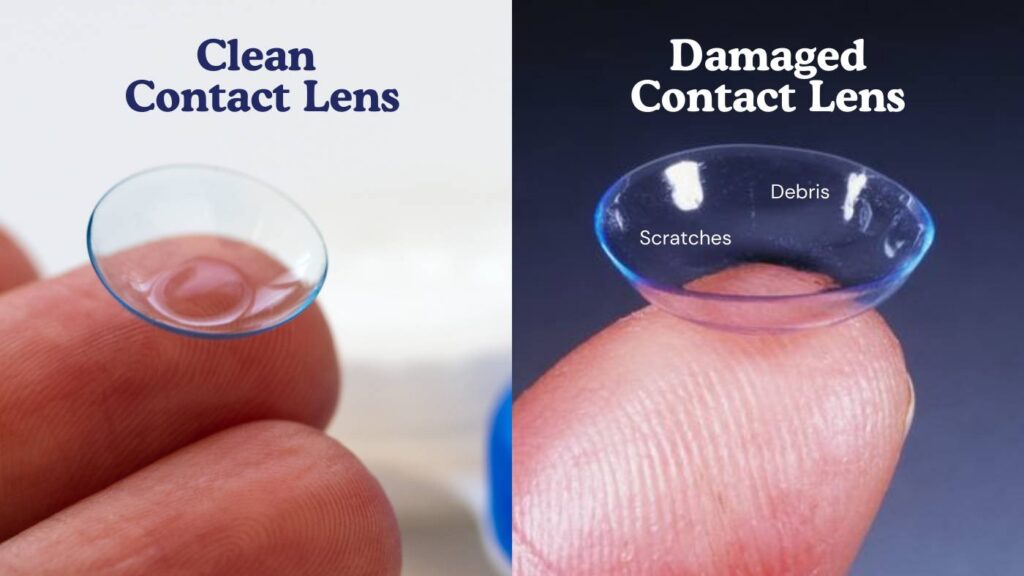
Protein and dirt buildup happens faster than you think
Every time you wear contact lenses, your tears leave behind:
- Proteins
- Lipids (oils)
- Environmental dust
- Pollutants
Even with good cleaning, some residue always remains.
Over time, this buildup:
- Makes lenses less breathable
- Reduces oxygen reaching the eye
- Causes dryness and irritation
- Triggers allergies in sensitive users
With 30-day lenses, this buildup accumulates for a longer period.
With 15-day lenses, lenses are discarded earlier — before buildup becomes significant.
This is one of the biggest reasons why users report better comfort with shorter replacement cycles.
Indian climate accelerates lens discomfort
India’s climate plays a major role.
Heat and humidity
Heat increases tear evaporation. Humidity encourages microbial growth in lens cases.
Dust and pollution
Microscopic dust particles stick to lens surfaces and are difficult to clean completely.
Air-conditioning
AC dries the eyes, especially during long office hours.
Under these conditions, a lens designed to last 30 days may start feeling uncomfortable much earlier.
Comfort vs cost: The common Indian dilemma
Many people choose 30-day lenses because:
- They seem more economical
- Fewer replacements per month
- Less frequent purchases
But here is the truth I explain to my patients:
Saving money on lenses but damaging your eyes is never a good deal.
If 30-day lenses cause:
Then the “cheaper” option becomes expensive in the long run.
Oxygen matters more than most people realise
Your cornea (the front clear part of your eye) has no blood supply. It gets oxygen directly from the air.
Contact lenses reduce oxygen flow. Over time, low oxygen can cause:
- Red eyes
- Swelling of the cornea
- Blurred vision
- Increased infection risk
As lenses age, oxygen transmission reduces.
With 15-day lenses, the lens is replaced before oxygen flow drops significantly.
With 30-day lenses, many users push the lens to its limit — or beyond.
Hygiene challenges in daily life
In an ideal world, everyone would:
- Wash hands perfectly every time
- Clean lenses exactly as instructed
- Replace lens cases regularly
In reality:
- Busy mornings
- Travel
- Late nights
- Occasional shortcuts
Shorter replacement cycles are more forgiving when hygiene is not perfect.
This is another reason why many ophthalmologists prefer shorter replacement lenses, especially for young and first-time users.
Who benefits the most from 15-day lenses?
Based on clinical experience, 15-day lenses often suit:
- People with dry eyes
- Screen-heavy users (office, IT, students)
- People with allergies
- First-time contact lens wearers
- Users who wear lenses daily for long hours
If you fall into any of these categories, 15-day lenses are usually safer and more comfortable.
Are 30-day lenses always bad? Not necessarily
To be fair, 30-day lenses are not “bad” lenses.
They may work well for:
- People with excellent tear quality
- Short daily wearing hours
- Excellent hygiene habits
- Low pollution environments
However, in Indian conditions, fewer people truly meet all these criteria.
The psychological factor: fresher lenses feel better
Many wearers don’t realise how much lens freshness affects comfort.
A new or relatively new lens:
- Feels smoother
- Holds moisture better
- Causes less friction
When you switch to 15-day lenses, you are simply wearing fresher lenses more often.
Your eyes notice the difference immediately.

Common mistakes that worsen 30-day lens experience
In my clinic, I often see these errors:
- Stretching lenses beyond 30 days
- Sleeping in lenses not designed for overnight wear
- Topping up solution instead of replacing it
- Not changing lens cases
- Wearing lenses during eye irritation
These mistakes have a bigger impact on longer-duration lenses.
How to choose between 15-day and 30-day lenses
Ask yourself these honest questions:
- Do my eyes feel dry by evening?
- Do I use screens for more than 6–8 hours daily?
- Do I live in a dusty or polluted city?
- Am I very strict with hygiene every day?
If you answered “yes” to most of these, 15-day lenses are usually a better choice.
Daily disposable lenses: A brief mention
Some patients ask me:
“Doctor, should I switch to daily lenses instead?”
Daily disposable lenses offer:
- Maximum hygiene
- Best comfort
- Lowest infection risk
But they are more expensive and not suitable for everyone’s budget.
If daily lenses are not feasible, 15-day lenses are often a good middle ground.
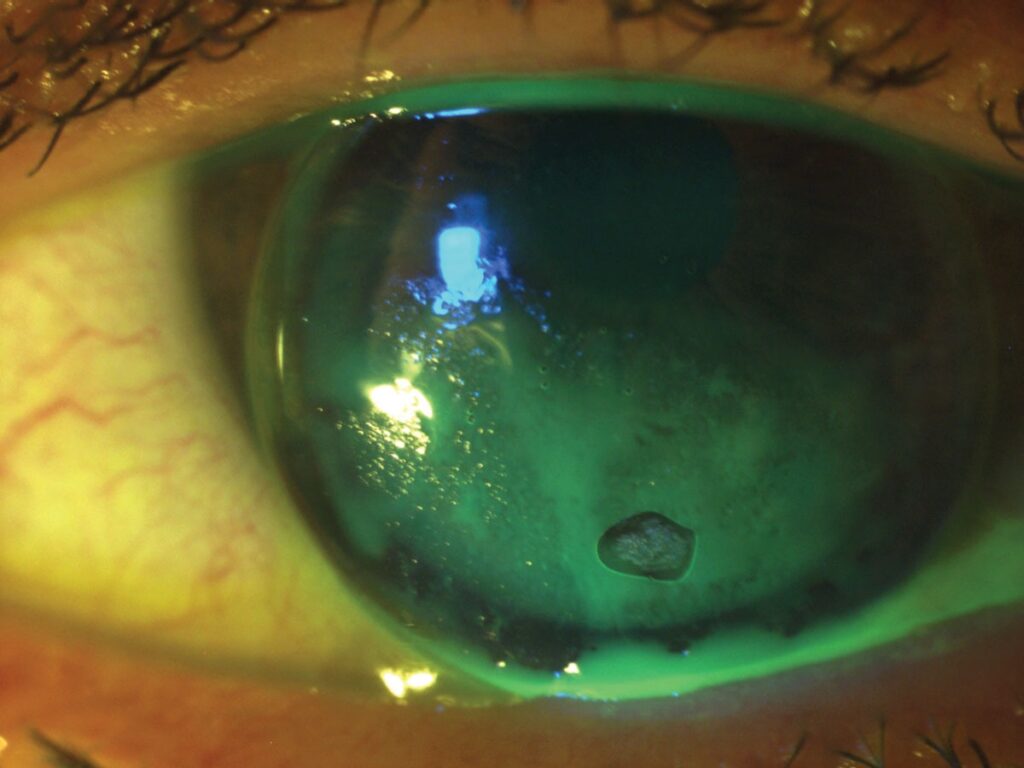
Warning signs you should never ignore
Regardless of lens type, stop wearing lenses and see an eye doctor if you notice:
These may indicate infection and require urgent care.
Final advice from a senior ophthalmologist
If you recently switched from 30-day to 15-day lenses and feel better, trust your experience.
Your eyes are giving you feedback.
Comfort is not a luxury. It is a sign of eye health.
When it comes to contact lenses, shorter replacement cycles are often safer for Indian users, even if they seem slightly costlier at first.
Call to Action
If you wear contact lenses and experience dryness, redness, or discomfort, I strongly recommend a comprehensive contact lens evaluation.
Visit our eye hospital to:
- Check your tear film
- Assess lens fit
- Review your lens type
- Get personalised advice for your lifestyle
Your eyes deserve comfort and safety — not compromise.
References
- https://www.aao.org/eye-health/glasses-contacts/contact-lens-care
- https://www.mayoclinic.org/healthy-lifestyle/adult-health/in-depth/contact-lenses/art-20046251
- https://www.ncbi.nlm.nih.gov/pmc/articles/PMC5452172/
- https://www.aao.org/eye-health/tips-prevention/contact-lens-problems