
Small Incision Cataract Surgery (SICS) in Hyderabad: Cost, Procedure & Recovery
Small Incision Cataract Surgery (SICS) is a safe and effective procedure designed to restore clear vision by removing a cloudy natural lens, known as a cataract, and replacing it with a clear artificial lens. This advanced lens extraction technique uses a very small incision, promoting faster healing and excellent visual outcomes.
QUICK FACTS
- Procedure Duration: 15-30 minutes
- Anesthesia Type: Topical numbing eye drops / Local
- Recovery Time: 24-48 hours
- Hospital Stay: Daycare / No overnight admission required
UNDERSTANDING THE BASICS
What is Small Incision Cataract Surgery (SICS)?
Your eye works much like a camera, with a natural lens at the front that focuses light onto the retina at the back. Over time, this lens can become cloudy, much like a frosted window, making it difficult to see clearly. This clouding is called a cataract. Small Incision Cataract Surgery (SICS) is a modern surgical method to correct this. During SICS, your cloudy natural lens is carefully removed through a tiny incision, typically just 5-7mm wide, and replaced with a clear, artificial intraocular lens (IOL). This new lens restores your eye’s ability to focus light properly, bringing back sharp vision.
CONDITIONS AND SYMPTOMS
Why is Small Incision Cataract Surgery (SICS) performed?
SICS is primarily performed to treat cataracts, which are a common cause of vision loss, especially as people age.
Eye Conditions Treated
- Cataracts: Clouding of the eye’s natural lens, leading to blurry or dim vision.
- Age-related vision impairment: Significant visual decline due to cataract formation.
- Secondary cataracts: Cataracts resulting from other eye conditions or medical treatments.
Symptoms You Might Be Experiencing
If you need SICS, you might notice:
- Blurry, hazy, or dim vision: Everything looks foggy or less vibrant.
- Increased sensitivity to light and glare: Headlights or sunlight seem too bright or cause halos.
- Difficulty seeing at night: Driving after dark becomes challenging.
- Fading or yellowing of colors: Colors appear less vivid than they used to.
- Frequent changes in eyeglass or contact lens prescriptions: Your vision keeps getting worse.
- Double vision in one eye: Seeing two images with a single eye.
SURGICAL JOURNEY STEP-BY-STEP
How is the Small Incision Cataract Surgery (SICS) Procedure Performed?
1. How to Prepare Before the Procedure
Before your SICS procedure, your ophthalmologist will guide you through several important steps:
- Comprehensive Eye Exam: You’ll undergo detailed eye measurements and tests to determine the right artificial lens for your eye.
- Medical Clearance: Your general health will be assessed to ensure you are fit for surgery. Inform your doctor about all medications you are taking.
- Medication Review: You may be asked to stop certain medications, like blood thinners, a few days before surgery.
- Fasting: You’ll typically need to fast (no food or drink) for several hours before the procedure.
- Arrange for Transportation: You will not be able to drive yourself home after the surgery.
2. What Happens During the Procedure?
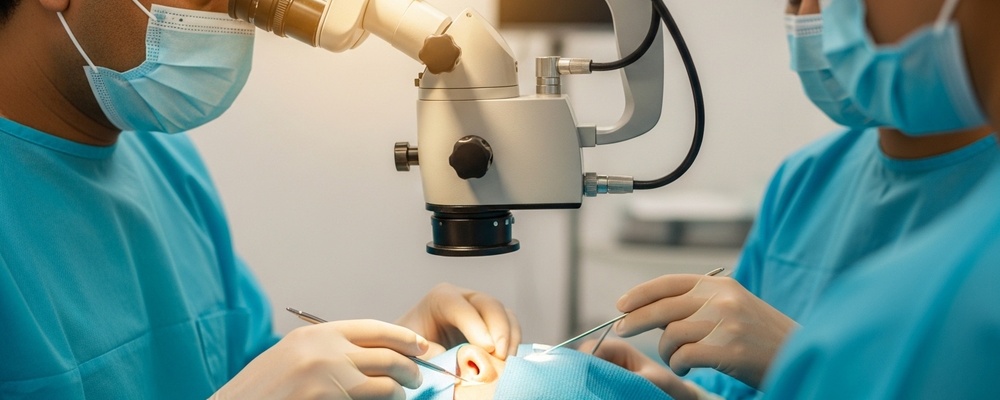
On the day of your surgery, you’ll be made comfortable in a sterile operating room.
- Numbing the Eye: Numbing eye drops or a local anesthetic injection will be administered to ensure you feel no pain during the procedure. You will be awake but relaxed.
- Small Incision: Your surgeon will make a very small incision (typically 5-7mm) on the side of your cornea.
- Cataract Removal: Through this incision, the cloudy natural lens (cataract) is carefully removed.
- Lens Implantation: A new, clear artificial intraocular lens (IOL) is then inserted and positioned precisely within your eye.
- No Stitches: The small incision is self-sealing and usually does not require stitches.
The entire procedure is quick, often taking only 15-30 minutes.
3. What to Expect Immediately After the Procedure
- Recovery Area: You’ll rest in a recovery lounge for a short period while the anesthesia wears off.
- Eye Protection: A protective shield or patch will be placed over your eye to prevent accidental rubbing or injury.
- Initial Vision: Your vision may be blurry or hazy immediately after surgery, which is normal. It will gradually improve over the next few hours and days.
- Discharge: You’ll be given instructions for post-operative care, including eye drops, and can usually go home the same day.
POST-OPERATIVE CARE AND TIMELINE
Recovery and Post-Operative Care
Following SICS, proper care is crucial for optimal healing and vision.
Do’s:
- Use prescribed eye drops exactly as directed to prevent infection and reduce inflammation.
- Wear your protective eye shield, especially while sleeping, for the first few days.
- Rest and avoid strenuous activities, heavy lifting, or bending over for at least a week.
- Keep your eye clean and avoid rubbing or pressing on it.
- Attend all follow-up appointments with your ophthalmologist.
Don’ts:
- Do not rub or touch your operated eye.
- Avoid getting water or soap directly into your eye for the first week.
- Do not wear eye makeup for at least two weeks.
- Avoid swimming or using hot tubs for several weeks.
- Do not drive until your doctor confirms it is safe.
Recovery Timeline:
- Day 1: You may experience mild discomfort, grittiness, or blurry vision. Your vision will start to clear, and you’ll have your first follow-up appointment.
- Week 1: Most discomfort should subside. Vision continues to improve significantly. You can resume light activities, but avoid anything that could strain your eye.
- Month 1: Your eye should be largely healed, and your vision will be stable. Your doctor will assess your final vision and determine if new glasses are needed for fine-tuning.
COST AND INSURANCE COVERAGE IN HYDERABAD
Cost of Small Incision Cataract Surgery (SICS) in Hyderabad & Insurance Options
- Estimated Local Investment: ₹10000 – ₹40000
- Cost Determinants: The final cost of Small Incision Cataract Surgery (SICS) in Hyderabad can vary based on several factors:
- Type of Intraocular Lens (IOL): Standard monofocal lenses are typically more affordable, while premium lenses (e.g., toric for astigmatism, multifocal for near and distance vision) will increase the overall cost.
- Surgeon’s Experience and Reputation: Highly experienced surgeons or those with specialized expertise may charge higher fees.
- Hospital or Clinic Facilities: The choice of hospital (e.g., basic, multi-specialty, or super-specialty) and its amenities can influence the price.
- Pre-operative Tests and Post-operative Care: The extent of diagnostic tests and the follow-up care package can affect the total cost.
- Surgical Complexity: While SICS is a standard procedure, any unique patient conditions or surgical challenges could slightly alter the cost.
- Insurance Protocol: Small Incision Cataract Surgery (SICS) is generally considered a therapeutic ‘Medical Necessity’ for vision correction and is typically covered by major Third-Party Administrator (TPA) networks and most health insurance schemes in India. It is advisable to verify your specific policy details with your insurance provider or the hospital’s billing department to understand the extent of coverage, cashless facilities, and any out-of-pocket expenses.
FREQUENTLY ASKED QUESTIONS
Frequently Asked Questions About Small Incision Cataract Surgery (SICS)
Q: Is Small Incision Cataract Surgery (SICS) painful?
A: No, SICS is performed under local anesthesia, so you will not feel any pain during the procedure. You might experience mild pressure or a sensation of touch, but no pain.
Q: How long does it take for my vision to fully improve after SICS?
A: While significant improvement is often noticed within a few days, your vision will continue to stabilize and sharpen over the first few weeks, with full recovery typically achieved within a month.
Q: What are the risks associated with SICS?
A: SICS is a very safe procedure, but like any surgery, it carries minimal risks such as infection, inflammation, bleeding, or retinal detachment. Your surgeon will discuss these rare complications with you.
Q: Can cataracts return after Small Incision Cataract Surgery?
A: No, once the natural lens is removed and replaced with an artificial IOL, a cataract cannot return. However, some patients may develop a secondary clouding behind the new lens, which can be easily treated with a quick laser procedure called YAG capsulotomy.
DISCLAIMER
Disclaimer: This content is curated using artificial intelligence and may contain inaccuracies. It is provided for informational and educational purposes only and should not be considered professional medical advice. Please consult your ophthalmologist for personalized clinical care. The prices listed in this article are indicative only and may vary based on the patient’s specific condition, procedural techniques, surgical complexity, and materials used. We strongly advise discussing actual costs directly with your healthcare provider.