
Retinal Cryotherapy (Cryopexy) in Hyderabad: Cost, Procedure & Recovery
Retinal Cryotherapy, also known as Cryopexy, is a gentle eye procedure used to treat certain retinal problems. It uses freezing temperatures to create a tiny scar that helps seal tears or holes in your retina, preventing more serious vision issues like retinal detachment. This treatment is a non-incisional way to protect your eyesight and maintain clear vision.
QUICK FACTS
- Procedure Duration: 15-30 minutes
- Anesthesia Type: Local Numbing Injection
- Recovery Time: 24-48 hours
- Hospital Stay: Daycare / No overnight admission required
UNDERSTANDING THE BASICS
What is Retinal Cryotherapy (Cryopexy)?
Imagine your eye as a camera, and the retina is the film at the back that captures images. Sometimes, tiny tears or holes can form in this ‘film,’ much like a small rip in wallpaper. Retinal Cryotherapy (Cryopexy) is a specialized treatment that uses very cold temperatures to gently freeze the area around these tears. This freezing creates a small, controlled scar that acts like a natural ‘glue,’ sealing the tear and preventing fluid from leaking underneath the retina. This helps to reattach the retina if it has started to pull away, or prevents it from detaching in the first place, thus preserving your vision. This falls under the Vitreoretinal Procedures category, specifically as a Non-Incisional & Local Therapy.
CONDITIONS AND SYMPTOMS
Why is Retinal Cryotherapy (Cryopexy) performed?
Eye Conditions Treated
- Retinal tears
- Small retinal detachments
- Retinal holes
- Peripheral retinal degenerations (areas prone to tears)
Symptoms You Might Be Experiencing
- Sudden appearance of floaters (small specks or cobwebs in your vision)
- Flashes of light (like camera flashes or lightning streaks)
- A dark curtain or shadow moving across your field of vision
- Blurred or distorted vision
- Loss of peripheral (side) vision
SURGICAL JOURNEY STEP-BY-STEP
How is the Retinal Cryotherapy (Cryopexy) Procedure Performed?
1. How to Prepare Before the Procedure
- Your ophthalmologist will conduct a thorough eye examination and review your medical history.
- Discuss all medications you are currently taking, especially blood thinners, as some might need temporary adjustment.
- Arrange for someone to drive you home after the procedure, as your vision will be blurry.
- Avoid wearing eye makeup or lotions around your eyes on the day of the procedure.
- Follow any specific fasting instructions provided by your doctor, though it’s often not required for local anesthesia.
2. What Happens During the Procedure?
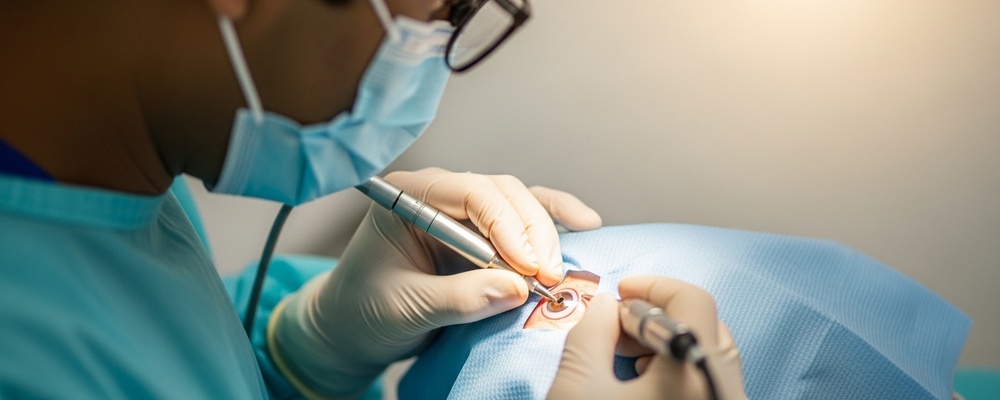
- You will be comfortably positioned, usually lying down, in a sterile clinical environment.
- Numbing eye drops will be applied, followed by a local anesthetic injection around your eye to ensure you feel no pain.
- A small instrument will gently hold your eye open.
- The surgeon will use a special instrument called an ophthalmoscope to carefully view the retina.
- A small, super-cooled probe (cryoprobe) will be precisely placed on the outer surface of your eye, directly over the retinal tear.
- The probe is activated for a few seconds, freezing the tissue and creating a tiny, controlled scar. This process is repeated for all affected areas.
- You might feel a sensation of pressure or cold, but no sharp pain.
- The entire procedure is precise and typically takes about 15-30 minutes.
3. What to Expect Immediately After the Procedure
- Your treated eye will likely be covered with a patch or shield for protection.
- You’ll rest briefly in a recovery area while the anesthesia begins to wear off.
- It’s normal to experience some mild discomfort, redness, or swelling in the eye.
- Your vision might be blurry due to the eye drops and the procedure itself.
- You will receive detailed instructions on how to use prescribed eye drops and how to care for your eye at home.
- Remember, you cannot drive yourself home, so ensure you have an escort.
POST-OPERATIVE CARE AND TIMELINE
Recovery and Post-Operative Care
Following your Retinal Cryotherapy (Cryopexy) is crucial for successful healing and vision preservation.
- Do’s:
- Use all prescribed eye drops diligently as instructed by your doctor.
- Wear your eye shield as advised, especially at night, to protect your eye.
- Rest and avoid strenuous activities, heavy lifting, or bending over.
- Keep all your scheduled follow-up appointments.
- Report any severe pain, sudden vision loss, increased redness, or discharge immediately to your ophthalmologist.
- Don’ts:
- Rub or press on your treated eye.
- Engage in heavy lifting or strenuous exercise for a few weeks.
- Swim or use hot tubs until cleared by your doctor to prevent infection.
- Wear eye makeup until your doctor says it’s safe.
- Day 1: Expect mild discomfort, redness, and blurry vision. Continue using prescribed eye drops. Avoid reading or screen time for extended periods.
- Week 1: Most discomfort should subside. Vision may gradually improve, though some blurriness might persist. You can typically resume light, non-strenuous activities. Your doctor will likely conduct a follow-up examination.
- Month 1: The treated area will have fully scarred, effectively sealing the retinal tear. Vision should stabilize. You can usually return to all normal activities, but always follow your ophthalmologist’s specific advice and attend any further recommended check-ups.
COST AND INSURANCE COVERAGE IN HYDERABAD
Cost of Retinal Cryotherapy (Cryopexy) in Hyderabad & Insurance Options
- Estimated Local Investment: ₹30000 – ₹50000
- Cost Determinants: The final cost of Retinal Cryotherapy (Cryopexy) can vary based on several factors:
- The complexity and extent of the retinal condition (e.g., size and number of tears).
- The choice of hospital or clinic, as private hospitals often have different fee structures.
- The surgeon’s fees, which can vary based on their experience and reputation.
- The cost of pre-operative diagnostic tests and post-operative medications.
- Any additional procedures or treatments that might be required alongside cryotherapy.
- Insurance Protocol: Retinal Cryotherapy (Cryopexy) is generally considered a therapeutic ‘Medical Necessity’ as it treats a serious eye condition that can lead to permanent vision loss if left untreated. Therefore, it is typically covered by major TPA networks and health insurance schemes. Patients are strongly advised to verify their specific policy details, coverage limits, and any pre-authorization requirements with their insurance provider prior to the procedure to understand their financial responsibility.
FREQUENTLY ASKED QUESTIONS
Frequently Asked Questions About Retinal Cryotherapy (Cryopexy)
- Q: Is Retinal Cryotherapy painful?
- A: No, the procedure is performed under local anesthesia, so you will not feel any pain during the treatment. You might experience some pressure or mild discomfort afterward, which can be managed with prescribed medication.
- Q: How long does it take to recover from Cryopexy?
- A: Initial recovery, with mild discomfort and blurriness, typically lasts 24-48 hours. Full stabilization of vision and complete healing of the treated area usually occurs within a month.
- Q: What are the risks of Retinal Cryotherapy?
- A: Risks are generally low but can include temporary swelling, redness, double vision, or, rarely, a new retinal tear or detachment. Your doctor will discuss these potential risks with you in detail.
- Q: Can Cryopexy prevent future retinal problems?
- A: Cryopexy effectively seals existing tears and can prevent them from worsening into a retinal detachment. However, it does not prevent new tears from forming in other parts of the retina. Regular eye check-ups are important for ongoing retinal health.
DISCLAIMER
Disclaimer: This content is curated using artificial intelligence and may contain inaccuracies. It is provided for informational and educational purposes only and should not be considered professional medical advice. Please consult your ophthalmologist for personalized clinical care. The prices listed in this article are indicative only and may vary based on the patient’s specific condition, procedural techniques, surgical complexity, and materials used. We strongly advise discussing actual costs directly with your healthcare provider.