
Punctoplasty / Punctal Stenosis Dilatation in Hyderabad: Cost, Procedure & Recovery
Punctoplasty, also known as Punctal Stenosis Dilatation, is a simple eye procedure designed to relieve excessive watering of the eyes. It addresses blockages in the tiny openings (puncta) that drain tears from your eye surface, helping your tears flow normally again.
QUICK FACTS
- Procedure Duration: 15-30 minutes
- Anesthesia Type: Topical numbing eye drops / Local
- Recovery Time: 24-48 hours
- Hospital Stay: Daycare / No overnight admission required
UNDERSTANDING THE BASICS
What is Punctoplasty / Punctal Stenosis Dilatation?
Your eyes constantly produce tears to keep them moist and healthy. These tears usually drain away through two tiny openings, called puncta, located in the inner corners of your upper and lower eyelids. Think of them as small drains for your eye’s plumbing system. Punctoplasty or Punctal Stenosis Dilatation is a procedure that gently widens these natural drainage holes if they become too narrow or blocked. This allows tears to flow freely into your tear ducts and down into your nose, preventing them from overflowing onto your cheek.
CONDITIONS AND SYMPTOMS
Why is Punctoplasty / Punctal Stenosis Dilatation performed?
Eye Conditions Treated
- Punctal Stenosis: Narrowing or complete closure of the puncta, the small openings that drain tears.
- Epiphora: Excessive tearing or watery eyes due to poor tear drainage.
- Chronic Dacryocystitis (in some cases): Inflammation of the tear sac, often exacerbated by drainage issues.
Symptoms You Might Be Experiencing
- Excessive watery eyes: Tears constantly overflowing onto your cheeks, even when not crying.
- Blurry vision: Tears pooling on the eye surface can temporarily blur your sight.
- Irritation or discomfort: A feeling of wetness or stickiness around the eyes.
- Frequent wiping of eyes: Constantly needing to dab away tears.
- Skin irritation: Redness or soreness of the skin around the eyes due to constant moisture.
SURGICAL JOURNEY STEP-BY-STEP
How is the Punctoplasty / Punctal Stenosis Dilatation Procedure Performed?
1. How to Prepare Before the Procedure
- Medical Consultation: Discuss your full medical history, including any medications, allergies, or previous eye conditions, with your ophthalmologist.
- Diagnostic Checks: Your doctor will examine your eyes and tear drainage system to confirm the diagnosis and plan the procedure.
- Medication Review: You may be asked to temporarily stop certain medications, like blood thinners, a few days before the procedure. Always follow your doctor’s specific instructions.
- Arrange for Transport: Since your vision might be slightly blurry or your eyes sensitive immediately after, arrange for someone to drive you home.
- Avoid Eye Makeup: Do not wear any eye makeup, lotions, or creams on the day of your procedure.
2. What Happens During the Procedure?
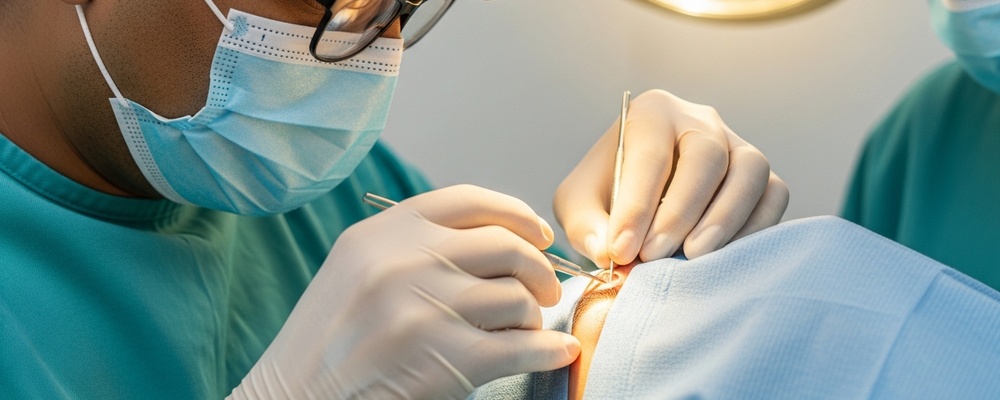
The Punctoplasty / Punctal Stenosis Dilatation procedure is typically quick and performed in an outpatient setting. First, numbing eye drops will be applied to your eye to ensure you feel no pain. In some cases, a local anesthetic injection might be given near the eye. Once the area is numb, your surgeon will gently widen the narrow punctum using specialized fine instruments. This might involve a tiny incision or simply stretching the opening. The goal is to restore the natural tear drainage pathway. You will be awake but comfortable throughout the short procedure.
3. What to Expect Immediately After the Procedure
After the procedure, you’ll rest briefly in a recovery area. Your eye might feel slightly irritated or watery, and your vision may be a little blurry from the numbing drops. You might have a small amount of discharge or mild redness. Your doctor may place a temporary eye patch or shield, or prescribe antibiotic eye drops to prevent infection. You will receive detailed instructions on post-operative care before you are discharged, usually within a short time.
POST-OPERATIVE CARE AND TIMELINE
Recovery and Post-Operative Care
Following your Punctoplasty / Punctal Stenosis Dilatation, careful post-operative care is crucial for optimal healing and results.
- Do’s:
- Use prescribed eye drops exactly as directed by your doctor.
- Keep your eye clean and avoid rubbing it.
- Wear sunglasses outdoors to protect your eyes from bright light and wind.
- Attend all follow-up appointments with your ophthalmologist.
- Gently clean any discharge from around your eye with a clean, damp cloth.
- Don’ts:
- Do not rub or press on your treated eye.
- Avoid swimming or submerging your head in water for at least 1-2 weeks.
- Do not wear eye makeup for at least a week or until your doctor advises it’s safe.
- Avoid strenuous activities or heavy lifting for a few days.
- Do not use contact lenses until cleared by your doctor.
- Day 1: You may experience mild irritation, redness, or slight watering. Use prescribed drops. Vision might be slightly blurry.
- Week 1: Most discomfort should subside. You should notice an improvement in tear drainage. Continue with eye drops and avoid activities that could strain your eyes.
- Month 1: Your eye should be fully healed, and tear drainage should be significantly improved. You can typically resume all normal activities, but always follow your doctor’s final guidance.
COST AND INSURANCE COVERAGE IN HYDERABAD
Cost of Punctoplasty / Punctal Stenosis Dilatation in Hyderabad & Insurance Options
- Estimated Local Investment: ₹20000 – ₹45000
- Cost Determinants: The final cost of Punctoplasty / Punctal Stenosis Dilatation can vary based on several factors. These include the complexity of your specific condition, whether one or both eyes require treatment, the type of anesthesia used, the surgeon’s fees, the hospital or clinic facility charges, and any additional diagnostic tests or post-operative medications. The choice of advanced techniques or specialized instruments may also influence the price.
- Insurance Protocol: Punctoplasty / Punctal Stenosis Dilatation is generally considered a therapeutic procedure to correct a medical condition (excessive tearing due to blocked tear ducts). As such, it is often classified as a ‘Medical Necessity’ and may be covered by major Third-Party Administrator (TPA) networks and health insurance schemes. However, coverage can vary widely depending on your specific insurance policy, its terms and conditions, and the extent of your plan. It is crucial to verify your insurance coverage directly with your provider and the hospital’s billing department before the procedure to understand your out-of-pocket expenses, if any.
FREQUENTLY ASKED QUESTIONS
Frequently Asked Questions About Punctoplasty / Punctal Stenosis Dilatation
Q1: Is Punctoplasty a painful procedure?
A1: No, Punctoplasty is performed under local anesthesia or numbing eye drops, so you will not feel pain during the procedure. You might experience mild discomfort or irritation afterward.
Q2: How long does it take to recover from Punctoplasty?
A2: Most patients experience functional recovery within 24-48 hours. Full healing and resolution of symptoms typically occur within a few weeks.
Q3: Are there any risks associated with Punctoplasty?
A3: Punctoplasty is generally safe, but like any procedure, it carries minimal risks such as temporary irritation, infection, or in rare cases, the punctum narrowing again. Your surgeon will discuss these with you.
Q4: Will my watery eyes completely stop after Punctoplasty?
A4: Punctoplasty is highly effective in improving tear drainage and significantly reducing or eliminating excessive watery eyes for most patients. The success rate is generally very good.
DISCLAIMER
Disclaimer: This content is curated using artificial intelligence and may contain inaccuracies. It is provided for informational and educational purposes only and should not be considered professional medical advice. Please consult your ophthalmologist for personalized clinical care. The prices listed in this article are indicative only and may vary based on the patient’s specific condition, procedural techniques, surgical complexity, and materials used. We strongly advise discussing actual costs directly with your healthcare provider.