
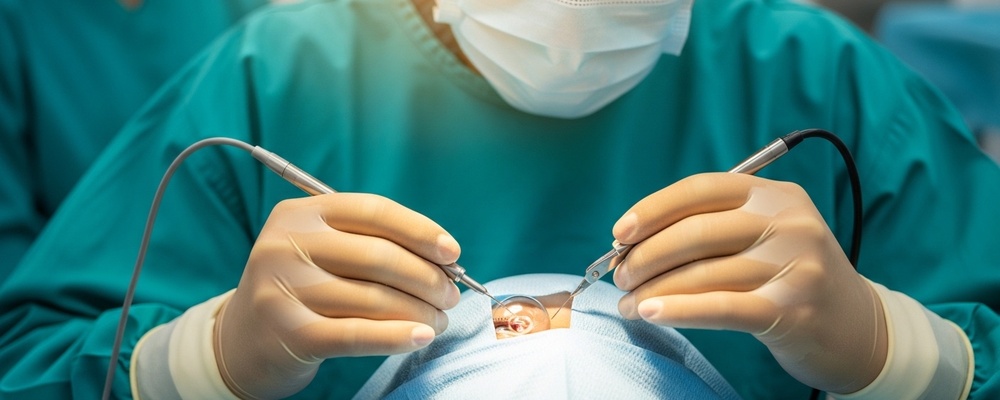
Pneumatic Retinopexie in Hyderabad: Cost, Procedure & Recovery
Pneumatic Retinopexie is a specialized eye procedure designed to repair a detached retina, a serious condition where the light-sensitive tissue at the back of your eye pulls away. This minimally invasive surgery uses a gas bubble to gently push the retina back into its proper place, helping to restore your vision and prevent permanent sight loss.
QUICK FACTS
- Procedure Duration: 15-30 minutes
- Anesthesia Type: Local anesthesia with sedation
- Recovery Time: Initial visual recovery within days, full stabilization over several weeks
- Hospital Stay: Daycare / No overnight admission required
UNDERSTANDING THE BASICS
What is Pneumatic Retinopexie?
Imagine your eye like a camera. The retina is like the film at the back, capturing all the images and sending them to your brain. Sometimes, this ‘film’ can peel away from its supporting layer, much like wallpaper coming off a wall. This is called a retinal detachment. Pneumatic Retinopexie is a procedure where a special gas bubble is injected into the middle of your eye (the vitreous cavity). This gas bubble then acts like a tiny, gentle internal splint, pushing the detached retina back into its correct position. Once the retina is reattached, a laser or freezing treatment (cryopexy) is often used to seal the tears that caused the detachment, preventing it from happening again.
CONDITIONS AND SYMPTOMS
Why is Pneumatic Retinopexie performed?
Eye Conditions Treated
- Retinal detachment (specifically, superior or superotemporal detachments with a single or small group of tears)
- Retinal tears leading to detachment
Symptoms You Might Be Experiencing
- Sudden increase in “floaters” (tiny specks or cobwebs drifting across your vision)
- Flashes of light in one or both eyes
- A dark curtain or shadow appearing in your field of vision, often starting from the side and moving inward
- Blurred or distorted vision
- Gradual decrease in peripheral (side) vision
SURGICAL JOURNEY STEP-BY-STEP
How is the Pneumatic Retinopexie Procedure Performed?
1. How to Prepare Before the Procedure
- Medical Evaluation: Your eye doctor will conduct a thorough eye exam, including dilating your pupils to get a clear view of your retina. They may also perform imaging tests like an ultrasound.
- Health Check-up: You’ll undergo a general health check to ensure you’re fit for the procedure, which might include blood tests and an ECG.
- Medication Review: Inform your doctor about all medications you are taking, especially blood thinners, as you might need to stop them a few days before.
- Fasting: You will likely be asked to fast (no food or drink) for several hours before the procedure, typically from midnight the night before.
- Arrangement for Ride: Arrange for someone to drive you home after the procedure, as your vision will be blurry.
2. What Happens During the Procedure?
- Numbing the Eye: First, your eye will be numbed using local anesthesia, often combined with a mild sedative to help you relax. You’ll be awake but won’t feel pain.
- Gas Bubble Injection: The surgeon will inject a small bubble of special gas into the vitreous cavity (the jelly-like substance filling your eye). This is done with a very fine needle.
- Retinal Reattachment: You will then be asked to position your head in a specific way (e.g., face down, or tilted to the side) for several days. Gravity helps the gas bubble float against the detached retina, gently pushing it back into place.
- Sealing the Tears: Once the retina is reattached, the surgeon will use a laser (photocoagulation) or a freezing probe (cryopexy) to create tiny scars around the retinal tears. These scars act like “welds” to permanently seal the retina to the back of the eye, preventing future detachments.
3. What to Expect Immediately After the Procedure
- Recovery Area: You’ll rest in a recovery area for a short period while the effects of the sedation wear off.
- Eye Patch/Shield: Your eye will likely be covered with a patch or shield to protect it.
- Vision Changes: Your vision will be blurry due to the gas bubble and eye drops. You might see the edge of the gas bubble as a dark line or shadow in your vision.
- Head Positioning: You will receive strict instructions on maintaining specific head positions for several days to ensure the gas bubble works effectively. This is crucial for success.
- Discharge: Once cleared by the medical team, you will be discharged with detailed post-operative instructions and a follow-up appointment.
POST-OPERATIVE CARE AND TIMELINE
Recovery and Post-Operative Care
- Do’s:
- Follow Head Positioning: Strictly adhere to your doctor’s instructions regarding head positioning. This is the most critical part of your recovery.
- Use Eye Drops: Administer prescribed eye drops diligently to prevent infection and reduce inflammation.
- Wear Eye Protection: Wear an eye shield, especially at night, to prevent accidental rubbing or pressure on the eye.
- Attend Follow-ups: Keep all scheduled follow-up appointments with your ophthalmologist.
- Rest: Get plenty of rest and avoid strenuous activities.
- Don’ts:
- Rub Your Eye: Avoid rubbing or pressing on the treated eye.
- Fly or High Altitudes: Do NOT fly in an airplane or travel to high altitudes until the gas bubble has completely disappeared, as changes in air pressure can cause the bubble to expand and damage your eye.
- Lift Heavy Objects: Avoid heavy lifting or strenuous exercise for several weeks.
- Swim: Do not swim or get water directly into your eye.
- Ignore Symptoms: Do not ignore any sudden worsening of vision, increased pain, or new floaters/flashes.
- Recovery Timeline:
- Day 1: Vision will be very blurry due to the gas bubble. You’ll need to maintain specific head positioning. Mild discomfort is normal.
- Week 1: The gas bubble will slowly start to shrink, and you might notice a “water line” in your vision. Head positioning remains crucial. Vision will gradually improve but still be blurry.
- Month 1: The gas bubble should have largely or completely disappeared. Your vision will continue to improve, though full visual recovery can take several months. You’ll have follow-up appointments to monitor healing and retinal reattachment.
COST AND INSURANCE COVERAGE IN HYDERABAD
Cost of Pneumatic Retinopexie in Hyderabad & Insurance Options
- Estimated Local Investment: ₹40000 – ₹90000
- Cost Determinants:
- Hospital Choice: The reputation and facilities of the hospital or clinic (e.g., multi-specialty hospital vs. specialized eye clinic) can influence costs.
- Surgeon’s Experience: Highly experienced or renowned vitreoretinal surgeons may charge higher fees.
- Anesthesia Type: The specific type of anesthesia used and the anesthesiologist’s fees.
- Diagnostic Tests: Pre-operative diagnostic tests and post-operative follow-up visits.
- Medications: Cost of prescribed eye drops and other medications.
- Complexity of Detachment: More complex or recurrent retinal detachments may require additional procedures or longer surgical time, increasing costs.
- Insurance Protocol: Pneumatic Retinopexie is considered a therapeutic procedure for a serious medical condition (retinal detachment). It is generally classified as a ‘Medical Necessity’ and is typically covered by major TPA networks, government health schemes, and private health insurance policies. However, the extent of coverage can vary based on your specific policy terms, deductibles, and co-payments. It is highly recommended to verify your insurance coverage details with your provider and the hospital’s billing department prior to the procedure.
FREQUENTLY ASKED QUESTIONS
Frequently Asked Questions About Pneumatic Retinopexie
- Q: Is Pneumatic Retinopexie painful?
- A: No, the procedure is performed under local anesthesia with sedation, so you will not feel pain during the surgery. You might experience mild discomfort or pressure afterward.
- Q: How long does the gas bubble stay in my eye?
- A: The gas bubble typically lasts for several weeks, gradually shrinking and being absorbed by your body. Your doctor will monitor its disappearance.
- Q: Can I fly after Pneumatic Retinopexie?
- A: No, you must NOT fly or travel to high altitudes until the gas bubble has completely disappeared, as changes in air pressure can cause serious eye damage.
- Q: What are the success rates of Pneumatic Retinopexie?
- A: Pneumatic Retinopexie has a good success rate for suitable cases, often reattaching the retina in 70-80% of patients with a single procedure. Sometimes, additional procedures may be needed.
DISCLAIMER
Disclaimer: This content is curated using artificial intelligence and may contain inaccuracies. It is provided for informational and educational purposes only and should not be considered professional medical advice. Please consult your ophthalmologist for personalized clinical care. The prices listed in this article are indicative only and may vary based on the patient’s specific condition, procedural techniques, surgical complexity, and materials used. We strongly advise discussing actual costs directly with your healthcare provider.