
Diagnostic Anterior Chamber / Vitreous Paracentesis in Hyderabad: Cost, Procedure & Recovery
Diagnostic Anterior Chamber / Vitreous Paracentesis is a minor procedure where a tiny sample of fluid is gently taken from the front or back part of your eye. This fluid is then carefully examined in a lab to help your doctor accurately diagnose various eye conditions, such as infections or inflammation, ensuring you receive the most effective treatment.
QUICK FACTS
- Procedure Duration: 15-30 minutes
- Anesthesia Type: Topical numbing eye drops / Local
- Recovery Time: 24-48 hours
- Hospital Stay: Daycare / No overnight admission required
UNDERSTANDING THE BASICS
What is Diagnostic Anterior Chamber / Vitreous Paracentesis?
Imagine your eye as a tiny, intricate globe filled with special fluids. The ‘anterior chamber’ is the small space at the very front of your eye, between the clear cornea (the eye’s ‘window’) and the iris (the colored part). The ‘vitreous’ is a gel-like substance that fills the larger cavity at the back of your eye, behind the lens. Diagnostic Anterior Chamber / Vitreous Paracentesis is a precise procedure where your ophthalmologist carefully withdraws a very small amount of this fluid, either from the anterior chamber or the vitreous. This isn’t about changing or correcting your vision directly; instead, it’s like taking a ‘blood sample’ but from your eye. The fluid sample is then sent to a laboratory for detailed analysis, helping to identify the exact cause of an eye problem, such as an infection, inflammation, or certain cancers, that might not be clear from external examination alone.
CONDITIONS AND SYMPTOMS
Why is Diagnostic Anterior Chamber / Vitreous Paracentesis performed?
Eye Conditions Treated
- Suspected severe eye infections (bacterial, viral, fungal, parasitic)
- Intraocular inflammation (uveitis) of unknown cause
- Certain types of intraocular lymphoma or other cancers
- Unexplained vision loss or eye pain
- Monitoring treatment effectiveness for specific eye diseases
Symptoms You Might Be Experiencing
- Sudden or worsening blurry vision
- Persistent redness or irritation in the eye
- New floaters or flashes of light
- Eye pain that doesn’t respond to standard treatments
- Sensitivity to light (photophobia)
- Pus or discharge from the eye
SURGICAL JOURNEY STEP-BY-STEP
How is the Diagnostic Anterior Chamber / Vitreous Paracentesis Procedure Performed?
1. How to Prepare Before the Procedure
- Medical History Review: Your doctor will thoroughly review your medical history, current medications, and any allergies.
- Eye Examination: A comprehensive eye exam will be performed to assess your eye health and confirm the need for the procedure.
- Medication Adjustments: You might be asked to temporarily stop certain medications, especially blood thinners, a few days before the procedure. Always follow your doctor’s specific instructions.
- Fasting: You may be advised to fast for a few hours before the procedure, typically if sedation is planned.
- Arrange for Transport: Since your vision might be temporarily blurry or sensitive after the procedure, arrange for someone to drive you home.
- Ask Questions: Don’t hesitate to ask your doctor any questions you have about the procedure beforehand.
2. What Happens During the Procedure?
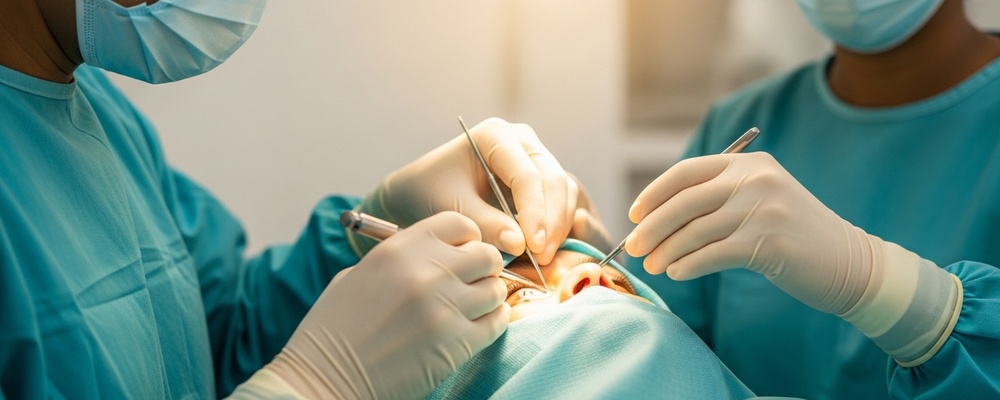
Upon arrival, you’ll be comfortably seated or reclined. To ensure your comfort and minimize any discomfort, numbing eye drops will be applied to your eye. In some cases, a local anesthetic injection around the eye might also be used. Your eye area will be thoroughly cleaned, and a sterile drape will be placed around your eye, keeping the area clean and clear. A small instrument may be used to gently hold your eyelids open. Using very fine, specialized needles, your ophthalmologist will carefully and precisely withdraw a tiny amount of fluid from either the anterior chamber (front of the eye) or the vitreous (back of the eye). This process is quick and designed to be as painless as possible, thanks to the anesthesia. The collected fluid is immediately placed into sterile containers and sent to a laboratory for analysis.
3. What to Expect Immediately After the Procedure
After the procedure, you’ll typically spend a short time in a recovery area. Your eye might feel slightly scratchy or irritated, and you may experience some mild discomfort, which can usually be managed with over-the-counter pain relievers if needed. Your doctor might place an eye patch or shield over your eye for protection. Your vision in the treated eye might be temporarily blurry or hazy due to the numbing drops and the procedure itself. It’s crucial to avoid rubbing or pressing on your eye. You will receive specific instructions on how to care for your eye at home, including any prescribed eye drops. You will be able to go home the same day, but remember to have someone drive you.
POST-OPERATIVE CARE AND TIMELINE
Recovery and Post-Operative Care
- Do’s:
- Use prescribed eye drops exactly as directed by your doctor.
- Wear protective eyewear (like sunglasses) outdoors to shield your eye from bright light and dust.
- Keep your follow-up appointments to monitor your healing and discuss lab results.
- Gently clean around your eye with a clean, damp cloth if needed.
- Don’ts:
- Do NOT rub or press on your treated eye.
- Avoid strenuous activities, heavy lifting, and bending over for the first few days.
- Do NOT swim or use hot tubs for at least a week to prevent infection.
- Avoid applying eye makeup for at least a week.
- Do NOT drive until your vision has fully cleared and your doctor approves.
- Day 1: You may experience mild discomfort, redness, or a feeling of something in your eye. Vision might be slightly blurry. Follow all eye drop instructions.
- Week 1: Most initial discomfort should subside. Vision should begin to clear. You’ll likely have a follow-up appointment to check your eye’s healing and discuss preliminary lab results. Continue using eye drops as prescribed.
- Month 1: Your eye should feel completely normal, and your vision should have returned to its baseline. Final lab results will guide your doctor in determining the appropriate long-term treatment plan for your specific eye condition.
COST AND INSURANCE COVERAGE IN HYDERABAD
Cost of Diagnostic Anterior Chamber / Vitreous Paracentesis in Hyderabad & Insurance Options
- Estimated Local Investment: ₹20000 – ₹40000
- Cost Determinants: The final cost of Diagnostic Anterior Chamber / Vitreous Paracentesis can vary based on several factors:
- Hospital Choice: The facility where the procedure is performed (e.g., multi-specialty hospital vs. specialized eye clinic).
- Surgeon’s Expertise: The experience and reputation of the ophthalmologist.
- Anesthesia Type: While topical drops are common, additional local anesthesia or mild sedation might incur extra charges.
- Diagnostic Tests: Any additional pre-operative or post-operative diagnostic tests required.
- Lab Analysis: The specific type and complexity of laboratory tests performed on the fluid sample.
- Post-Procedure Medications: Cost of prescribed eye drops or other medications.
- Insurance Protocol: Diagnostic Anterior Chamber / Vitreous Paracentesis is generally considered a ‘Medical Necessity’ procedure. This means it is typically covered by most major health insurance providers and Third-Party Administrator (TPA) networks in India, as it is performed to diagnose a serious medical condition affecting the eye. However, it is crucial to verify your specific policy details with your insurance provider beforehand. Always check for any co-pays, deductibles, or specific exclusions that might apply. Our hospital’s billing department can assist you in navigating the insurance claim process and provide pre-authorization support.
FREQUENTLY ASKED QUESTIONS
Frequently Asked Questions About Diagnostic Anterior Chamber / Vitreous Paracentesis
- Q1: Is Diagnostic Anterior Chamber / Vitreous Paracentesis painful?
A1: No, the procedure is performed under topical numbing eye drops or local anesthesia, ensuring minimal discomfort. You might feel a slight pressure, but pain is well-managed.
- Q2: How long does it take to get the results from the fluid sample?
A2: Lab results can vary, but preliminary findings might be available within a few days, with complete results often taking 1-2 weeks, depending on the specific tests ordered.
- Q3: Are there any risks associated with this procedure?
A3: While generally safe, potential risks are rare and include minor bleeding, infection, temporary changes in eye pressure, or retinal detachment. Your doctor will discuss these thoroughly.
- Q4: Can I drive myself home after the procedure?
A4: No, it is strongly advised to arrange for someone to drive you home, as your vision may be temporarily blurry or sensitive after the numbing drops and the procedure.
DISCLAIMER
Disclaimer: This content is curated using artificial intelligence and may contain inaccuracies. It is provided for informational and educational purposes only and should not be considered professional medical advice. Please consult your ophthalmologist for personalized clinical care. The prices listed in this article are indicative only and may vary based on the patient’s specific condition, procedural techniques, surgical complexity, and materials used. We strongly advise discussing actual costs directly with your healthcare provider.