
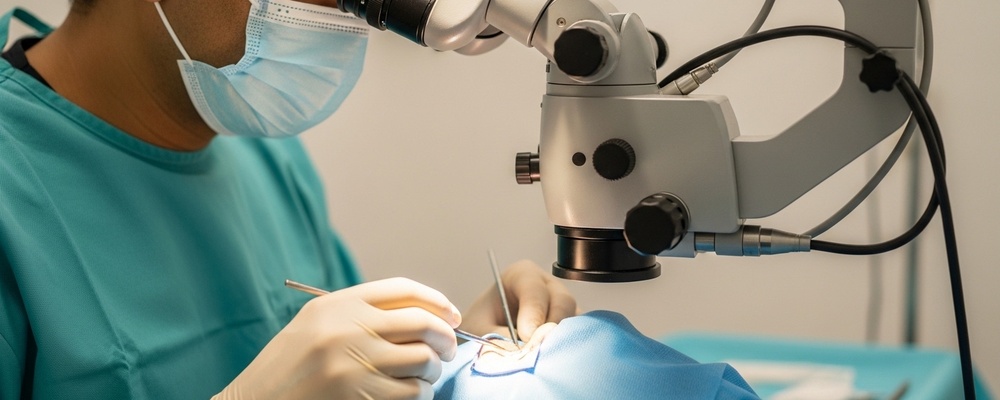
Canthoplasty / Canthopexy in Hyderabad: Cost, Procedure & Recovery
Canthoplasty and Canthopexy are specialized eyelid surgeries designed to tighten and reposition the outer corner of the eye, known as the canthus. These procedures help restore a natural eye shape, improve comfort, and enhance the overall appearance of the eyes, often addressing issues like sagging lower eyelids.
QUICK FACTS
- Procedure Duration: 30-60 minutes per eye
- Anesthesia Type: Local with sedation
- Recovery Time: 1-2 weeks for initial healing
- Hospital Stay: Daycare / No overnight admission required
UNDERSTANDING THE BASICS
What is Canthoplasty / Canthopexy?
The “canthus” is the corner of your eye where the upper and lower eyelids meet. There’s an inner (medial) canthus near your nose and an outer (lateral) canthus near your temple. Canthoplasty and Canthopexy are surgical techniques focused on the outer canthus.
- Canthopexy is a less invasive procedure that tightens the tendon at the outer corner of the eye without detaching it. Think of it like gently reinforcing a loose hammock to make it taut again. It helps lift and support a slightly sagging lower eyelid.
- Canthoplasty is a more involved procedure where the lateral canthal tendon is cut, repositioned, and then reattached. This allows for more significant reshaping and tightening, often used when the eyelid needs a stronger lift or a change in its angle. It’s like re-anchoring the hammock to a new, stronger post. Both procedures aim to restore proper eyelid tension and position, preventing the lower eyelid from pulling away or drooping.
CONDITIONS AND SYMPTOMS
Why is Canthoplasty / Canthopexy performed?
These procedures are performed to correct various conditions affecting the position and stability of the lower eyelid, which can impact both eye health and appearance.
Eye Conditions Treated
- Ectropion: A condition where the lower eyelid turns outwards, exposing the inner surface of the eyelid and the eye itself.
- Entropion: A condition where the lower eyelid turns inwards, causing the eyelashes to rub against the eye.
- Lower Eyelid Laxity: General looseness or sagging of the lower eyelid, often due to aging or previous surgery.
- “Round Eye” Appearance: Sometimes seen after certain eye surgeries or trauma, where the eye appears unnaturally round.
- Cosmetic Concerns: To achieve a more almond-shaped eye, lift a drooping outer corner, or improve facial symmetry.
- Post-Blepharoplasty Complications: To correct issues like lower eyelid retraction that can occur after eyelid lift surgery.
Symptoms You Might Be Experiencing
When your eyelids aren’t positioned correctly, you might experience a range of uncomfortable symptoms:
- Chronic Dryness or Irritation: Due to the eye being exposed to air more than usual.
- Excessive Tearing (Epiphora): If the eyelid is turned out, it can prevent tears from draining properly.
- Redness and Inflammation: From constant exposure or irritation.
- Foreign Body Sensation: A feeling like something is in your eye, especially with entropion where eyelashes rub.
- Blurred Vision: If the eye surface is constantly dry or irritated.
- Discomfort or Pain: Particularly in windy environments or when blinking.
- Cosmetic Dissatisfaction: Feeling self-conscious about the appearance of your eyes.
SURGICAL JOURNEY STEP-BY-STEP
How is the Canthoplasty / Canthopexy Procedure Performed?
Your journey for Canthoplasty or Canthopexy involves careful preparation, the procedure itself, and immediate post-operative care.
1. How to Prepare Before the Procedure
- Medical Evaluation: You’ll undergo a thorough eye exam and review of your medical history to ensure you’re a suitable candidate.
- Medication Review: Discuss all medications, supplements, and herbal remedies you are taking with your surgeon. You may need to stop blood-thinning medications (like aspirin, ibuprofen, warfarin) for a period before surgery to minimize bleeding.
- Smoking Cessation: If you smoke, you will be advised to stop several weeks before surgery, as smoking can impair healing.
- Arrange for Support: Plan for someone to drive you home after the procedure and assist you for the first 24-48 hours.
- Fasting: You will likely be asked to fast (no food or drink) for a certain number of hours before the surgery, especially if sedation is used.
- Avoid Alcohol: Refrain from consuming alcohol for at least a week before surgery.
2. What Happens During the Procedure?
The procedure is typically performed on an outpatient basis, meaning you go home the same day.
- Anesthesia: You will receive local anesthesia to numb the eye area, often combined with a mild sedative to help you relax and feel comfortable throughout the procedure. You will be awake but relaxed and won’t feel pain.
- Incision: A small incision is typically made in a natural crease or fold near the outer corner of your eye, making it less noticeable once healed.
- Reshaping/Tightening:
- For Canthopexy, your surgeon will use sutures to tighten the lateral canthal tendon, lifting and supporting the lower eyelid.
- For Canthoplasty, the lateral canthal tendon is carefully detached, repositioned to a higher or more desired location, and then securely reattached to the bone using sutures.
- Closure: The incisions are meticulously closed with fine sutures, which may be dissolvable or removed by your surgeon at a follow-up appointment.
- Pain Minimization: Throughout the procedure, your comfort is a priority. The local anesthesia ensures you experience no pain, only perhaps some pressure.
3. What to Expect Immediately After the Procedure
- Recovery Lounge: After the surgery, you’ll rest in a recovery area for a short period while the effects of sedation wear off.
- Eye Protection: A light dressing or ointment may be applied to your eyes to protect the surgical site and aid healing. You might also be given cold compresses to help minimize swelling.
- Visual Expectations: Your vision might be slightly blurry due to ointment or mild swelling, but you should be able to see.
- Discomfort: You may experience mild discomfort, tightness, or a dull ache, which can usually be managed with over-the-counter pain relievers.
- Discharge: Once you are stable and your surgeon gives the go-ahead, you will be discharged with detailed post-operative instructions. Remember, you cannot drive yourself home.
POST-OPERATIVE CARE AND TIMELINE
Recovery and Post-Operative Care
Proper post-operative care is crucial for optimal healing and results. Follow your surgeon’s instructions diligently.
Do’s:
- Apply Cold Compresses: Use cold compresses (ice packs wrapped in a cloth) gently on your eyes for the first 48-72 hours to reduce swelling and bruising.
- Keep Head Elevated: Sleep with your head elevated on extra pillows for the first few nights to minimize swelling.
- Use Prescribed Medications: Take any prescribed eye drops or oral medications (antibiotics, pain relievers) as directed.
- Keep Incisions Clean: Gently clean the incision sites as instructed by your surgeon.
- Wear Sunglasses: Protect your eyes from sun and wind when outdoors.
- Attend Follow-up Appointments: Crucial for suture removal (if non-dissolvable) and monitoring your healing progress.
Don’ts:
- Rub Your Eyes: Avoid rubbing or touching your eyes vigorously.
- Strenuous Activities: Avoid heavy lifting, bending, or strenuous exercise for at least 2-4 weeks.
- Swimming/Hot Tubs: Avoid swimming pools, hot tubs, and saunas for several weeks to prevent infection.
- Makeup: Refrain from wearing eye makeup for at least 2-3 weeks.
- Contact Lenses: Do not wear contact lenses until cleared by your surgeon, typically for 2-4 weeks.
Recovery Timeline:
- Day 1-3: Expect swelling, bruising, and mild discomfort around the eyes. Vision may be slightly blurry. Cold compresses are vital.
- Week 1: Swelling and bruising will start to subside significantly. If non-dissolvable sutures were used, they are typically removed around this time. You can usually resume light, non-strenuous activities.
- Week 2-4: Most visible swelling and bruising should have resolved. You can gradually return to most normal activities, but still avoid heavy lifting or intense exercise. The new eyelid position will become more apparent.
- Month 1-3: The healing process continues internally. Any residual swelling will resolve, and the final results of the surgery will become more stable and natural-looking.
COST AND INSURANCE COVERAGE IN HYDERABAD
Cost of Canthoplasty / Canthopexy in Hyderabad & Insurance Options
- Estimated Local Investment: ₹60000 – ₹110000
- Cost Determinants: The final cost of Canthoplasty or Canthopexy in Hyderabad can vary based on several factors:
- Surgeon’s Experience and Fees: Highly experienced oculoplastic surgeons may charge more.
- Type of Procedure: Canthoplasty, being more complex, might be at the higher end compared to Canthopexy.
- Complexity of the Case: If the eyelid malposition is severe or requires extensive reconstruction, the cost may increase.
- Anesthesia Fees: The type of anesthesia and the duration it’s administered will influence the cost.
- Hospital/Clinic Facility Charges: The standard and reputation of the medical facility where the surgery is performed.
- Pre- and Post-Operative Care: This includes consultations, follow-up visits, and prescribed medications.
- Insurance Protocol: Canthoplasty and Canthopexy may be covered by major TPA networks and health insurance schemes if the procedure is deemed a “Medical Necessity.” This typically applies when the eyelid malposition (like severe ectropion or entropion) causes functional problems such as chronic irritation, excessive tearing, or impaired vision. If the procedure is primarily for “Elective/Cosmetic” reasons, such as enhancing eye shape without a medical indication, it is generally not covered by standard health insurance and would require out-of-pocket payment or verification with specific corporate policy add-ons. It is crucial to discuss your specific situation with your surgeon and insurance provider beforehand to understand your coverage.
FREQUENTLY ASKED QUESTIONS
Frequently Asked Questions About Canthoplasty / Canthopexy
Q1: Is Canthoplasty / Canthopexy painful?
A1: The procedure is performed under local anesthesia with sedation, so you will not feel pain during the surgery. Mild discomfort or tightness can be managed with pain relievers during recovery.
Q2: How long do the results of Canthoplasty / Canthopexy last?
A2: The results of Canthoplasty and Canthopexy are generally long-lasting, often considered permanent. However, the natural aging process will continue, which can affect eyelid appearance over many years.
Q3: Will there be visible scars after the surgery?
A3: Incisions are typically made in natural skin creases or folds at the outer corner of the eye, making any resulting scars very discreet and usually imperceptible once fully healed.
Q4: When can I return to work after Canthoplasty / Canthopexy?
A4: Most patients can return to light work or daily activities within 3-7 days, depending on the extent of swelling and bruising and the nature of their job. Strenuous activities should be avoided for several weeks.
DISCLAIMER
Disclaimer: This content is curated using artificial intelligence and may contain inaccuracies. It is provided for informational and educational purposes only and should not be considered professional medical advice. Please consult your ophthalmologist for personalized clinical care. The prices listed in this article are indicative only and may vary based on the patient’s specific condition, procedural techniques, surgical complexity, and materials used. We strongly advise discussing actual costs directly with your healthcare provider.