
Canaloplasty & Goniotomy in Hyderabad: Cost, Procedure & Recovery
Canaloplasty & Goniotomy are advanced, minimally invasive surgical procedures designed to treat glaucoma by improving the natural drainage system of your eye. These techniques help reduce elevated eye pressure, a key factor in preventing vision loss from glaucoma, offering a gentle yet effective solution for better eye health.
QUICK FACTS
- Procedure Duration: 30-60 minutes per eye
- Anesthesia Type: Local anesthesia with sedation
- Recovery Time: Few days to a week for initial recovery, full stabilization over several weeks
- Hospital Stay: Daycare / No overnight admission required
UNDERSTANDING THE BASICS
What is Canaloplasty & Goniotomy?
Imagine your eye has a tiny internal plumbing system that constantly produces and drains a clear fluid, called aqueous humor. This fluid is essential for maintaining the eye’s shape and health. In glaucoma, this drainage system can become clogged or less efficient, causing fluid to build up and eye pressure to rise, much like a blocked sink.
Canaloplasty is like clearing a blocked drain. It involves gently widening the eye’s natural drainage canal (Schlemm’s canal) using a microcatheter and then placing a tiny suture to keep it open, allowing fluid to flow out more freely. Goniotomy, often performed alongside Canaloplasty, involves making a small, precise incision in the trabecular meshwork, another part of the eye’s drainage system, to create a direct pathway for fluid to exit. Both procedures work together to restore your eye’s natural ability to drain fluid, reducing pressure and protecting your vision.
CONDITIONS AND SYMPTOMS
Why is Canaloplasty & Goniotomy performed?
Eye Conditions Treated
- Primary Open-Angle Glaucoma (POAG)
- Ocular Hypertension (high eye pressure without nerve damage)
- Glaucoma that is not well-controlled with eye drops or laser treatments
- Certain types of secondary glaucoma
Symptoms You Might Be Experiencing
- Gradual, often unnoticed, loss of peripheral (side) vision
- Seeing halos around lights (less common, but can occur in advanced stages or acute attacks)
- Eye pain or redness (rare in open-angle glaucoma, more common in acute angle-closure)
- Blurred vision (typically in advanced stages)
- Difficulty adapting to dark rooms (less direct symptom, but can be related to overall vision health)
SURGICAL JOURNEY STEP-BY-STEP
How is the Canaloplasty & Goniotomy Procedure Performed?
1. How to Prepare Before the Procedure
1. Comprehensive Eye Exam: Your ophthalmologist will conduct a thorough examination, including measuring your eye pressure, checking your optic nerve, and performing visual field tests to confirm the diagnosis and suitability for surgery.
2. Medical History Review: Discuss your complete medical history, including any medications (prescription, over-the-counter, supplements), allergies, and previous surgeries, with your doctor.
3. Medication Adjustments: You may be asked to stop certain medications, especially blood thinners, a few days before the surgery. Follow your doctor’s specific instructions carefully.
4. Fasting: You will likely need to fast (no food or drink) for at least 6-8 hours before the procedure, as local anesthesia with sedation is typically used.
5. Arrange for Transportation: You will not be able to drive yourself home after the procedure due to the sedation and temporary blurred vision. Arrange for a friend or family member to pick you up.
6. Avoid Makeup: On the day of surgery, avoid wearing eye makeup, lotions, or perfumes.
2. What Happens During the Procedure?
The procedure is typically performed in an outpatient surgical center. You will be given local anesthesia to numb your eye, along with a mild sedative to help you relax. You will be awake but comfortable and won’t feel any pain.
For Canaloplasty, your surgeon makes a tiny incision in the white part of your eye (sclera) to access the drainage system. A microcatheter, a hair-thin tube, is then gently guided around the eye’s natural drainage canal (Schlemm’s canal) to widen it. A small suture is often placed to keep the canal open.
For Goniotomy, the surgeon uses a specialized lens and a micro-instrument to make a precise incision in the trabecular meshwork, a tissue located at the angle of the eye, to create a new pathway for fluid drainage.
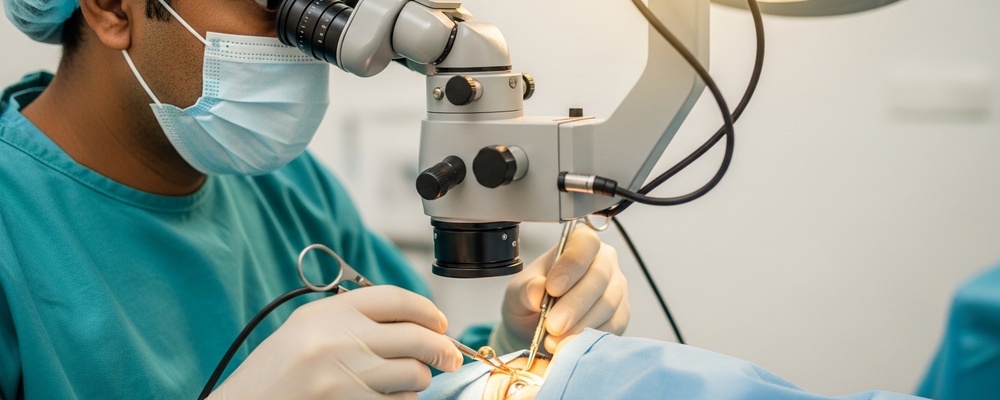
Both procedures are performed with extreme precision under a high-magnification microscope, ensuring minimal disruption to surrounding tissues. The goal is to enhance your eye’s natural drainage without creating a filtering bleb, which is common in traditional glaucoma surgeries.
3. What to Expect Immediately After the Procedure
After the procedure, you will rest in a recovery area for a short period while the effects of the sedation wear off. Your eye will likely be covered with a protective shield or patch.
You might experience some mild discomfort, blurriness, or a feeling of grittiness in your eye, which is normal. Your vision will be blurry immediately after surgery due to the dilating drops and the procedure itself.
Your doctor will provide detailed post-operative instructions, including how to use prescribed eye drops (antibiotics and anti-inflammatory drops) and when to schedule your follow-up appointment. You will be discharged home the same day, but remember, you cannot drive.
POST-OPERATIVE CARE AND TIMELINE
Recovery and Post-Operative Care
Do’s:
- Use Eye Drops Diligently: Follow your doctor’s schedule for prescribed antibiotic and anti-inflammatory eye drops to prevent infection and reduce swelling.
- Wear Eye Shield: Wear the protective eye shield, especially while sleeping, for the first few days to prevent accidental rubbing or pressure on the eye.
- Attend Follow-up Appointments: Crucial for monitoring eye pressure and healing progress.
- Rest: Allow your eyes to rest and avoid strenuous activities.
- Keep Your Eye Clean: Gently clean around your eye with a clean, damp cloth if needed, avoiding direct contact with the surgical site.
Don’ts:
- Don’t Rub Your Eye: Avoid rubbing or pressing on the operated eye.
- Don’t Lift Heavy Objects: Avoid strenuous activities, heavy lifting, or bending over for several weeks, as these can increase eye pressure.
- Don’t Swim or Use Hot Tubs: Avoid swimming, hot tubs, or saunas for at least a month to prevent infection.
- Don’t Wear Eye Makeup: Refrain from using eye makeup for a few weeks.
- Don’t Drive Immediately: Do not drive until your vision has stabilized and your doctor approves.
Recovery Timeline:
- Day 1: You will have a follow-up appointment. Expect some blurriness, mild discomfort, and light sensitivity. Your eye pressure will be checked. Continue using prescribed eye drops.
- Week 1: Vision should start to improve, and discomfort should lessen. You can typically resume light daily activities, but continue to avoid strenuous exercise and heavy lifting. Your doctor will monitor your healing and eye pressure.
- Month 1: Most of the initial healing should be complete. Your vision should be significantly clearer, and eye pressure should be stable. You can gradually return to most normal activities, but always follow your doctor’s specific guidance regarding long-term care and medication.
COST AND INSURANCE COVERAGE IN HYDERABAD
Cost of Canaloplasty & Goniotomy in Hyderabad & Insurance Options
- Estimated Local Investment: ₹50000 – ₹90000
- Cost Determinants: The total cost for Canaloplasty & Goniotomy in Hyderabad can vary based on several factors:
- Hospital Choice: The reputation and facilities of the hospital or clinic.
- Surgeon’s Experience: The expertise and fees of the ophthalmologist performing the procedure.
- Type of Anesthesia: While local anesthesia is standard, specific sedation needs can influence cost.
- Pre-operative Tests: The number and complexity of diagnostic tests required.
- Post-operative Care: The extent of follow-up visits and prescribed medications.
- Complexity of the Case: More complex glaucoma cases might require additional resources.
- Insurance Protocol: Canaloplasty & Goniotomy are generally considered therapeutic procedures for a medical necessity, as they aim to treat glaucoma and prevent vision loss. Therefore, they are typically covered by major health insurance providers and Third-Party Administrator (TPA) networks in India. It is highly recommended to check with your specific insurance provider beforehand to understand your policy’s terms, coverage limits, co-pays, and any pre-authorization requirements. Our hospital’s billing department can assist you with insurance verification and claims processing.
FREQUENTLY ASKED QUESTIONS
Frequently Asked Questions About Canaloplasty & Goniotomy
- Q: Is Canaloplasty & Goniotomy painful?
- A: No, the procedure is performed under local anesthesia with sedation, so you won’t feel any pain during the surgery. You might experience mild discomfort or grittiness during recovery.
- Q: How long does the effect of the surgery last?
- A: Canaloplasty & Goniotomy are designed to provide long-term reduction in eye pressure. While many patients experience sustained benefits, the duration can vary, and some may still require eye drops or further intervention over time.
- Q: What are the risks associated with these procedures?
- A: Like any surgery, there are risks, though generally low for MIGS procedures. These can include temporary eye pressure fluctuations, inflammation, bleeding, or infection. Your surgeon will discuss all potential risks with you.
- Q: Can I stop using glaucoma eye drops after Canaloplasty & Goniotomy?
- A: Many patients are able to reduce or eliminate their glaucoma eye drops after successful surgery. However, this depends on individual response and eye pressure control, and your doctor will guide you on medication adjustments.
DISCLAIMER
Disclaimer: This content is curated using artificial intelligence and may contain inaccuracies. It is provided for informational and educational purposes only and should not be considered professional medical advice. Please consult your ophthalmologist for personalized clinical care. The prices listed in this article are indicative only and may vary based on the patient’s specific condition, procedural techniques, surgical complexity, and materials used. We strongly advise discussing actual costs directly with your healthcare provider.