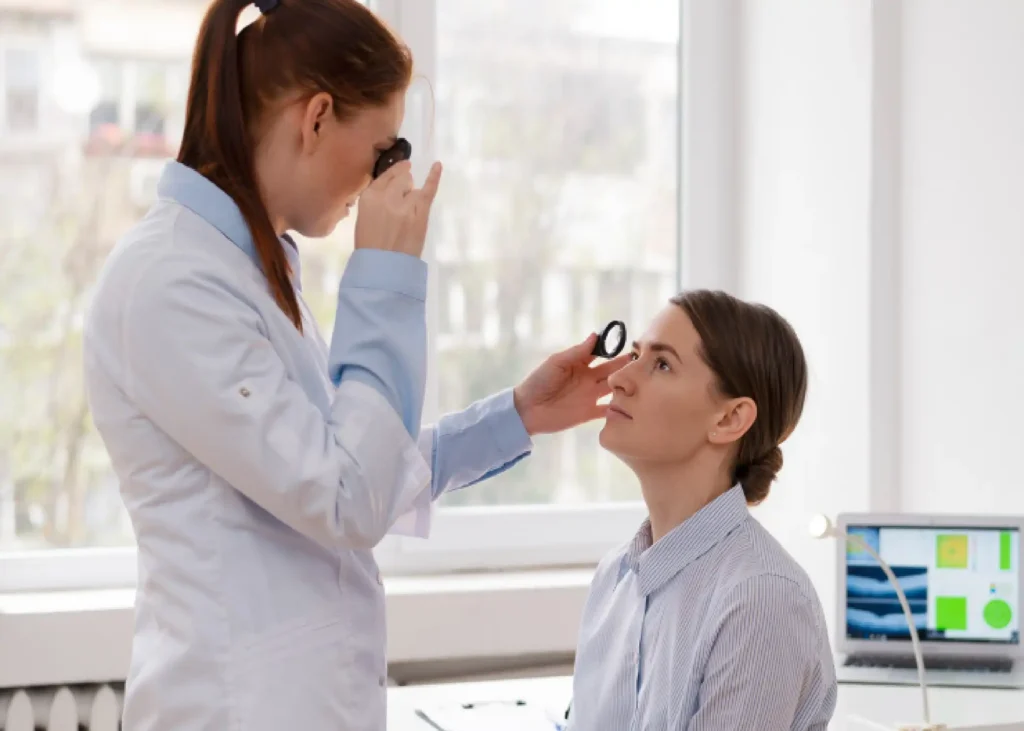
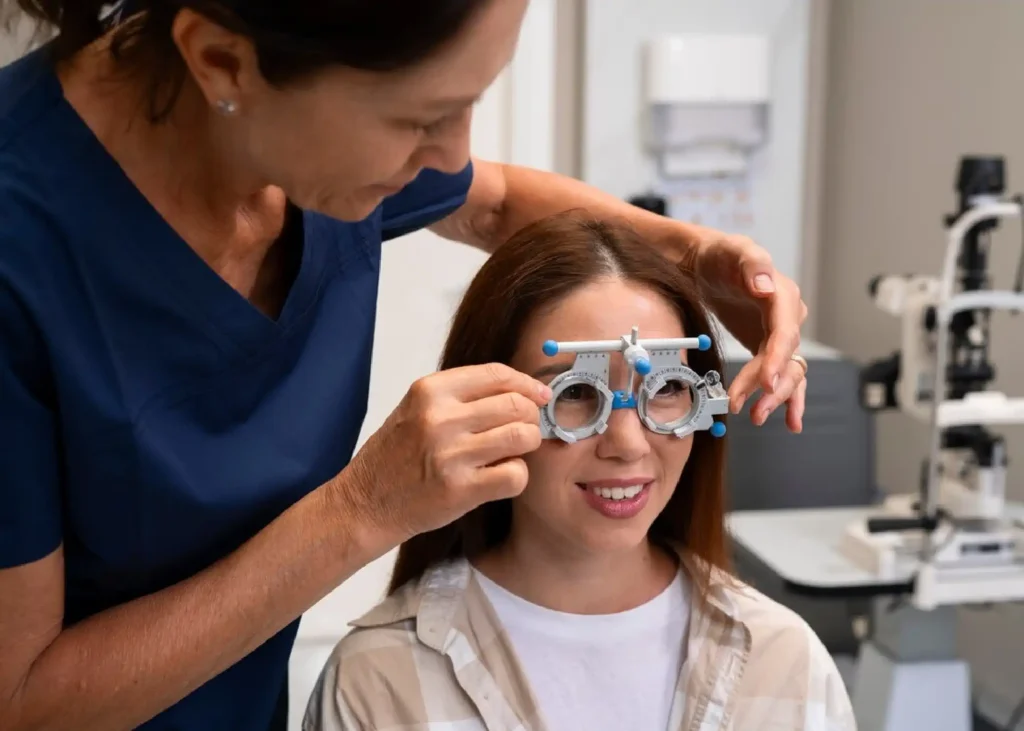
LASIK is a quick surgery, but your preparation and first week of care strongly influence how comfortably and safely you recover. The day before, focus on hygiene, stopping makeup and lenses, arranging transport, and preparing your home. On the day of surgery, wear comfortable clothing, avoid perfume and eye products, and plan to rest with your eyes closed afterward. During the first week, protect your eyes, use your drops exactly as prescribed, avoid rubbing, water, and strenuous activities, and contact your ophthalmologist if anything feels worrying.
As a refractive surgeon, one of the most common things my patients tell me is:
“I wish I’d known exactly what the day before, the day of, and the first week after LASIK would really feel like.”
Most people focus on whether LASIK is safe and effective (short answer: for carefully selected patients, it usually is, with high satisfaction rates of around 95%–96%).(Wikipedia) But day-to-day practical questions—how to sleep, shower, work, or look at a screen—matter just as much to you.
This guide walks you through:
- The day before surgery
- The day of surgery
- The first week after surgery
with clear checklists and examples of what many patients commonly experience. Think of it as a friendly roadmap, not a replacement for your own surgeon’s instructions. Always follow your hospital’s written plan if there is any difference.
A quick refresher: what happens in LASIK and how the eye heals
LASIK reshapes the clear front surface of your eye (the cornea) using a laser, so light focuses properly on your retina. A thin flap is created, the laser reshapes the underlying cornea, and the flap is placed back.
The good news:
- Most people have useful vision within 24 hours
- Discomfort is usually mild to moderate and short-lived
- Recovery is generally quick compared with older procedures like PRK(American Academy of Ophthalmology)
However:
- Dryness, glare, and halos around lights are common in the early weeks
- A small percentage of patients can have more persistent symptoms, which is why careful screening and follow-up are essential(American Academy of Ophthalmology)
Understanding this helps you make sense of the checklists and the “normal” vs “call your doctor” experiences described later.
Big-picture LASIK recovery timeline (so you know what to expect)
This will vary slightly from person to person and from one center to another, but a typical pattern looks like this:
- First 4–6 hours after surgery: burning, tearing, gritty sensation, light sensitivity; vision is blurry. You will mostly rest with eyes closed.(Mayo Clinic)
- First 24 hours: symptoms ease; vision improves rapidly but may still fluctuate.
- Days 2–7: clearer vision; remaining dryness, mild halos at night; you are functioning but still protecting the eyes carefully.(NVISION)
- Weeks to months: dryness and visual fluctuations gradually improve; night-time halos and glare usually reduce over time.(Verywell Health)
The Day Before LASIK: Preparation Checklist
The day before is about cleaning up your routine, planning your logistics, and mentally preparing yourself.
1. Follow your contact lens instructions
If you wear contact lenses, your surgeon has likely already told you when to stop them—often days or weeks before your pre-LASIK measurements, not just the day before surgery.(U.S. Food and Drug Administration)
By the day before surgery, you should:
- Already be in your “no contact lens” period
- Double-check that your final pre-op measurements have been done
If you accidentally wore lenses when you were told not to, inform your clinic. Sometimes measurements need to be repeated.
2. Clean your eyelids and face properly

On the day before surgery, many centers recommend:
- Washing your face thoroughly with a mild, non-oily cleanser
- Cleaning your eyelids and eyelashes to remove old makeup and debris (some hospitals give specific lid-scrub instructions)(FV Hospital)
This reduces bacteria and oil around the eyes, lowering the risk of infection or debris during surgery.
3. Stop eye makeup and facial products around the eyes
Most surgeons advise:
- No eye makeup (mascara, eyeliner, kajal) for at least 24 hours before surgery, often longer
- Avoid waterproof mascara in the days leading up—this tends to leave residue
- Avoid heavy creams or oily products around your eyes
Perfumes and strong fragrances are often discouraged on the day of surgery because they can disrupt air quality in the laser room.(kraffeye.com)
4. Plan your transport and companion
You will not be driving yourself home after LASIK. Your vision will be hazy and you may be quite light-sensitive.
Before surgery day, make sure you have:
- A responsible adult to bring you to the hospital and take you home
- A plan for how you’ll get to your next-day follow-up
- Any paperwork or insurance documents ready
5. Set up your “recovery corner” at home
Patients who feel most relaxed after surgery often tell me they prepared a “recovery nest” in advance. Consider:
- A clean, dark or dimly lit room
- Tissues and preservative-free artificial tears (if your surgeon recommends them)
- Your prescribed drops placed on a clean tray, labelled by time of day
- Sunglasses next to your bed or recliner
- Audio books, podcasts, or relaxing music so you can rest with eyes closed
Many patients say that having everything ready made them feel less anxious and reduced the temptation to “peek around” or use screens too early.
6. Food, drink, and medications
In many LASIK centers:
- You can eat a light meal before surgery, unless instructed otherwise
- Water is usually fine; avoid heavy, greasy meals that make you uncomfortable lying flat
- Avoid alcohol the day before and the day of surgery, as it can worsen dryness and interact with medicines(walterreed.tricare.mil)
For regular medications (like those for blood pressure or diabetes), follow your surgeon’s specific advice—never stop important medicines without discussing it.
7. Sleep well
Try to get a normal night’s sleep. The more rested you are, the easier it is to cope with anxiety and the minor discomforts after the procedure.
The Day of LASIK: What To Do and Expect
Think of surgery day as a “short, intense” day followed by lots of rest.

Morning of surgery: your checklist
On the morning itself:
- Shower and wash your hair so you won’t feel the need to do this immediately after surgery (when you must avoid water in eyes).
- Do not apply: eye makeup, mascara, kajal, eyeliner, eyeshadow, or under-eye concealer.
- Avoid face lotion, aftershave, perfume, or hair spray, especially near the face.(kraffeye.com)
- Wear clean, comfortable clothes without loose fibers (avoid shedding sweaters or shawls).
- Bring your sunglasses and your prescribed eyedrops, if the clinic asked you to.
At the hospital or LASIK center
Typical things that happen:
- You sign consent forms and confirm which eye(s) will be treated.
- Your eyes may be checked again; numbing drops are placed before entering the laser room.(Mayo Clinic)
- Some centers give a mild anti-anxiety tablet—this is optional and depends on your doctor.
Most people are surprised by how quickly the procedure itself is over—often just 10–20 minutes for both eyes, with seconds of actual laser time.
During the procedure – what many patients report
Patients’ descriptions often sound similar:
- Pressure on the eye when the flap is made (not pain, but a pushing sensation)
- Vision going dim or dark briefly
- Seeing bright lights and patterns during the laser part
- No sharp pain because of numbing drops(Mayo Clinic)
You will be asked to look at a blinking light and keep still. If you move a little, don’t panic—modern lasers track eye movements very well—but try your best to follow instructions.
Immediately after surgery: first 4–6 hours
This is usually the most uncomfortable period.
Common experiences patients describe:
- Burning, stinging, or gritty sensation
- Excessive tearing or watery eyes
- Light sensitivity and desire to keep eyes closed
- Hazy, foggy, or smeared vision
Your checklist for this period:
- Keep your eyes closed as much as possible, especially the first few hours.(walterreed.tricare.mil)
- Use prescribed antibiotic and anti-inflammatory drops strictly as instructed.
- Do not rub your eyes, even if they itch or burn.
- Use the provided eye shield or goggles if instructed, especially if you are napping.(DLV Vision)
- Avoid screens, reading, or phone use; rest, listen to music, or just sleep.(NVISION)
Many patients feel this phase is “annoying but manageable,” and they are often surprised by how much better they feel after a long nap.
Bedtime routine on surgery day
Before sleeping:
- Instill your night-time dose of eyedrops (if scheduled).
- Place your protective shield or goggles firmly with tape as advised so you don’t accidentally rub your eyes while sleeping.(DLV Vision)
- Avoid sleeping face-down; try to sleep on your back or side without pressure on your eyes.
The First Week After LASIK: A Day-by-Day Recovery Checklist
Most people are back to many normal activities within the first week, but it’s still a healing period. Your flap is bonding, your corneal nerves are recovering, and your tear film is adjusting.
Day 1 (First 24 hours after surgery)
You’ll usually have a follow-up visit within 24–48 hours.(Mayo Clinic)
What many patients feel:
- Much better than immediately after the surgery
- Blurred but improved vision compared with pre-surgery without glasses
- Light sensitivity outdoors; mild dryness or gritty feeling
Checklist for Day 1:
- Attend your scheduled follow-up appointment even if you feel great.
- Continue all prescribed drops exactly on schedule.
- Wear sunglasses when you go outside.
- Avoid driving unless your doctor clearly tells you it is safe and you feel confident.
- Keep water, soap, shampoo, and sweat out of your eyes (you can shower from the neck down or carefully with eyes closed).(NVISION)
- No eye rubbing, no eye makeup.
Real-life pattern:
Many patients describe an emotional “wow moment” on Day 1—reading signs on the way home, seeing their phone screen without glasses, or noticing sharp edges around objects. At the same time, they may also notice hazy halos around lights or slight double edges, especially in dim lighting. These are usually temporary.(American Academy of Ophthalmology)
Days 2–3: Settling in
Typical experiences:
- Vision continues to improve, but may fluctuate through the day
- Dryness is more noticeable, especially with screen use
- Night-time glare or halos often more obvious when driving or looking at bright lights in the dark
Checklist for Days 2–3:
- Continue preservative-free artificial tears if your surgeon has advised them; they can greatly reduce discomfort and sharpen vision temporarily.(bangkokeyehospital.com)
- Wear your eye shield at night for at least the first week or as instructed.(DLV Vision)
- Limit screen time; follow the “20-20-20 rule” (every 20 minutes, look 20 feet away for 20 seconds).
- Avoid dusty, smoky environments and strong air conditioning blowing directly at your face.
- Still avoid eye makeup and rubbing your eyes.
Patient-style experiences (common themes from studies and clinics):
In quality-of-life studies like the PROWL project, most patients reported high satisfaction after LASIK but a subset described bothersome dryness, glare, or starbursts in the early weeks.(PubMed) Many of my own patients, especially those who work on computers, say Days 2–3 are when they first really notice dryness and learn to “respect the artificial tears.”
Days 4–7: Getting back to life (carefully)

By the end of the first week, many people feel essentially “normal” in daily life, but the eyes are still healing.
What you may notice:
- Clearer, more stable vision overall
- Occasional hazy patches or fluctuations in very bright or very dim conditions
- Persistent but manageable dryness
- Mild halos or starbursts around lights at night, often improving gradually(American Academy of Ophthalmology)
Checklist for Days 4–7:
- Continue your prescribed drop schedule (many regimens reduce frequency over this week).
- Keep using preservative-free lubricants as needed.
- You may often return to office-type work within a few days, as advised by your doctor, but:
- Take frequent breaks from screens
- Use a humidifier or avoid sitting directly under AC vents(NVISION)
- Most surgeons allow light, non-contact exercise (walking, stationary cycling), but avoid:
- Swimming pools, hot tubs, sea or lake water (usually for at least 1–2 weeks or more)(NVISION)
- Contact sports and activities where something could hit your eye
- Still no eye rubbing, and be gentle when washing your face—pat, don’t press.
What about makeup?
Many guidelines suggest:
- Avoid eye makeup (mascara, eyeliner, shadow) for at least 1 week
- When you restart, use new products to reduce bacterial contamination, and remove makeup very gently without pulling on the lids(DLV Vision)
Real Patient Experiences: Common Themes (What People Actually Report)
Everyone’s journey is unique, but research on LASIK quality of life, along with countless patient stories, show some repeated patterns:(PubMed)
- Quick visual gains with emotional “wow” moments
Many patients describe an almost emotional reaction the morning after surgery when they can read their alarm clock or see distant signs without glasses. This sense of freedom is a major reason satisfaction is high. - Dryness is the most common annoyance
Even in large studies, temporary dry eye symptoms are very common after LASIK. Patients describe:
- Needing artificial tears every 1–2 hours at first
- Feeling a sandy or sticky sensation, especially in air-conditioned rooms or on screens
- Gradual improvement over weeks to months
- Needing artificial tears every 1–2 hours at first
- A small percentage, however, can have more persistent dryness, which is why pre-op dry eye assessment and honest counselling are important.(American Academy of Ophthalmology)
- Night-time halos and glare
Halos around streetlights, starbursts, and increased glare at night are common early on. For most people, these reduce over time; for a minority, they remain bothersome.(PubMed) - Vision fluctuations and “one day perfect, one day not”
Many patients say, “Some days my vision feels crystal clear, and some days slightly smeared,” especially in the first few weeks. This often correlates with dryness, fatigue, or screen overuse. - High overall satisfaction—but not a magic trick
Studies consistently show high satisfaction rates, but also highlight that a subset of patients experience symptoms that interfere with daily activities.(PubMed) This is why we stress realistic expectations, careful screening, and following your doctor’s instructions closely.
When to Call Your Doctor Urgently
While mild discomfort, tearing, dryness, and temporary visual disturbances are normal, some warning signs should never be ignored. Contact your ophthalmologist or emergency services immediately if you notice:
- Sudden, severe pain in one or both eyes
- Rapid drop in vision or a sudden “fog” that does not clear
- Increasing redness, especially with pain or discharge
- Bright light sensitivity that is worsening rather than improving
- New flashes of light, many floaters, or a dark curtain in your field of vision
Your surgeon will explain these red flags and give you emergency contact numbers. Keep them saved in your phone and written down at home.
Practical Tips to Make the First Week Easier
Here are small, patient-tested tricks that make a big difference:
- Use alarms for drops
It’s easy to forget eye drops when you’re sleepy or comfortable. Set alarms or use a checklist on your phone to track doses. - Chill your artificial tears
Keeping preservative-free lubricating drops in the refrigerator can make them more soothing when your eyes feel hot or scratchy (if your surgeon agrees).(walterreed.tricare.mil) - Dark glasses indoors, if needed
If your eyes are very light-sensitive, wearing sunglasses inside for a day or two is fine. You will gradually need them less as sensitivity improves. - Adjust your screen habits
- Use larger fonts and higher contrast
- Keep screens slightly below eye level so your eyelids cover more of your eye surface, reducing evaporation
- Take frequent breaks
- Stay hydrated and avoid smoke
Systemic hydration and avoiding smoky, dusty environments support your tear film and comfort.
When Can You…? (Common Questions)
These are general timeframes; always confirm with your own surgeon.(Mayo Clinic)
- Drive: Often 24–48 hours if your vision meets legal standards and your doctor approves.
- Return to office work: Frequently within 2–3 days, sometimes sooner, but limit screen time in the first week.
- Apply eye makeup: Usually after 1–2 weeks, starting gently and with new products.
- Swim or use hot tubs: Typically after at least 2 weeks or more; check your surgeon’s specific advice.
- Play contact sports: Often after a month or more, with protective eyewear.
When to See a Doctor (Even After the First Week)

You should continue regular scheduled visits—often at 1 day, 1 week, 1 month, 3–6 months, depending on your center.
In between, book an earlier appointment if you experience:
- Persistent glare, halos, or double vision that affect your driving or work
- Ongoing dryness despite using drops regularly
- Any worry about your vision that doesn’t match the expectations discussed before surgery
Open communication is key. Studies of LASIK outcomes show that when patients feel heard and supported, they cope better even if they have mild side effects.(PMC)
If you are considering LASIK or already have a surgery date, preparation is just as important as the procedure itself. Use these checklists as a guide, but remember that your eyes and health are unique.
- Discuss any existing dryness, allergies, or systemic conditions with your ophthalmologist well before surgery.
- Ask for a written pre-op and post-op instruction sheet and keep it on your fridge or bedside table.
- If you have doubts about what is “normal” in your own recovery, don’t wait—reach out to your surgeon’s team.
For a personalised assessment and a detailed LASIK counselling session, book an appointment with our ophthalmology team or schedule a comprehensive eye check-up at our hospital.
References
- American Academy of Ophthalmology. LASIK — Laser Eye Surgery. (American Academy of Ophthalmology)
- American Academy of Ophthalmology. Laser Surgery Recovery. (American Academy of Ophthalmology)
- Mayo Clinic. LASIK Eye Surgery – Overview and Recovery. (Mayo Clinic)
- U.S. Food and Drug Administration (FDA). What Should I Expect Before, During, and After LASIK? (U.S. Food and Drug Administration)
- Sugar A, et al. Patient-Reported Outcomes Following LASIK: Quality of Life in the PROWL Studies. JAMA. 2017.(PubMed)