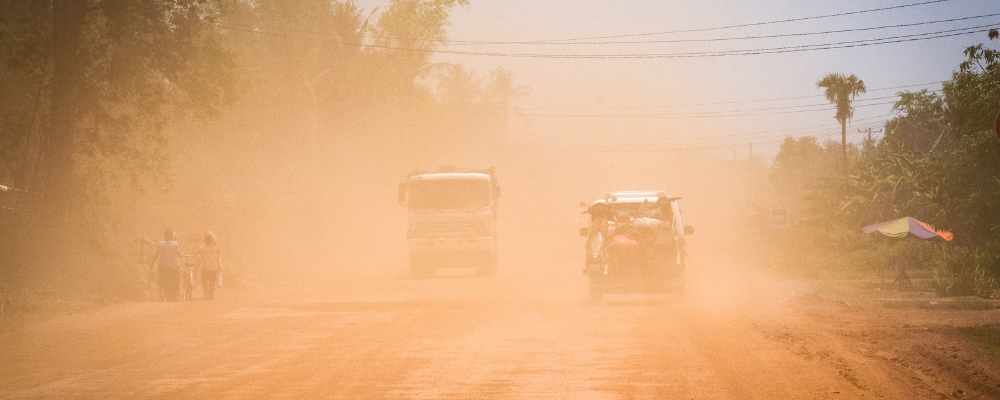
Many contact lens users in India feel pain, burning, or irritation when outdoors, especially in dusty areas or while driving. This is common and usually happens because dust, pollution, dry air, and wind interfere with how contact lenses sit on the eye. These conditions can dry the lens, trap tiny particles under it, and irritate the eye’s surface. While mild discomfort is often normal, persistent pain is not. With the right lenses, hygiene, and habits, most people can wear contacts comfortably—even in Indian conditions.
Why Contact Lenses Feel Painful in Dusty Indian Conditions — Is It Normal?
As an eye doctor, one of the most frequent complaints I hear from patients across India is this:
“Doctor, my contact lenses hurt when I go outside.”
“My eyes burn when I ride my bike or drive.”
“I’m fine indoors, but outdoors my lenses become unbearable.”
If you have felt this, you are not alone. India’s environment poses unique challenges for contact lens wearers. Dust, pollution, heat, wind, and long commuting hours all play a role.
The short answer is: yes, discomfort is common—but no, ongoing pain is not something you should ignore.
Let us break this down step by step, in simple language, so you understand what is happening in your eyes and what you can do about it.
Why This Topic Matters in India
Contact lenses are increasingly popular among students, working professionals, and young adults in India. They offer freedom from spectacles and better vision during sports and social activities.
However, Indian outdoor conditions are very different from controlled indoor environments:
- High dust levels on roads
- Air pollution in cities
- Hot, dry air for much of the year
- Wind exposure while riding two-wheelers
- Long screen use that reduces blinking
These factors make Indian eyes more vulnerable to contact lens discomfort.
Understanding why lenses hurt outdoors helps you prevent damage and protect your vision long-term.
How Contact Lenses Sit on the Eye (Basics)


To understand discomfort, you need to know how contact lenses work.
A contact lens rests on the tear film, a thin layer of moisture covering the clear front part of your eye (the cornea). This tear film:
- Keeps the eye surface smooth
- Provides oxygen and nutrients
- Washes away dust and germs
When conditions are ideal, the lens floats comfortably on this tear layer.
But in dusty or dry environments, this delicate balance gets disturbed.
The Indian Outdoor Environment: What Makes It Harsh for Lenses?
1. Dust and Airborne Particles
Road dust in India is not just soil. It often contains:
- Sand and construction debris
- Vehicle exhaust particles
- Pollen
- Industrial pollutants
These tiny particles can easily get trapped:
- Between the lens and your eye
- On the lens surface
Once trapped, even a microscopic particle can feel like a sharp object inside your eye.
This is why many users say:
“It feels like something is stuck in my eye.”
2. Pollution and Chemical Irritants
Air pollution irritates the eye surface directly. When you wear contact lenses, pollutants can:
- Stick to the lens
- React with lens cleaning residue
- Increase inflammation
This leads to burning, redness, and watering—especially after long outdoor exposure.
3. Dry Climate and Heat
Much of India experiences hot or dry weather for most of the year. Dry air causes:
- Faster evaporation of tears
- Reduced lubrication under the lens
- Increased friction between lens and cornea
This results in dryness, stinging, and a “tight” lens feeling.
4. Wind Exposure While Driving or Riding


Two-wheeler riders are particularly affected.
Wind does three harmful things at once:
- Dries the tear film rapidly
- Pushes dust directly into the eyes
- Reduces blinking (you tend to stare while riding)
The combination makes contact lenses uncomfortable very quickly.
Common Symptoms Indian Contact Lens Users Report
Most patients describe some or all of the following:
- Burning or stinging sensation
- Feeling of a foreign body in the eye
- Excessive watering outdoors
- Redness after removing lenses
- Blurred vision that improves after blinking
- Relief immediately after lens removal
Occasional mild irritation can happen. But pain is a warning sign, not something to tolerate daily.
Is This “Normal” or a Sign of a Problem?
This is an important question.
Mild, Occasional Discomfort Can Be Normal
Especially if:
- You are outdoors briefly
- The day is unusually dusty or windy
- You forgot to use lubricating drops
This usually improves after:
- Blinking
- Using artificial tears
- Going indoors
Persistent Pain Is NOT Normal
Pain, sharp discomfort, or light sensitivity may indicate:
- Dry eye disease
- Poor lens fit
- Lens material incompatibility
- Inflammation of the eye surface
- Early infection
If discomfort happens every time you go outdoors, it needs evaluation.
Role of Dry Eye in Indian Contact Lens Users
Dry eye is extremely common in India—even among young people.
Factors include:
- Pollution
- Screen use
- Dehydration
- Air conditioning
- Poor sleep
Contact lenses worsen dry eye by:
- Splitting the tear film
- Increasing tear evaporation
- Reducing oxygen supply to the cornea
Many people don’t realize they already have dry eye before starting lenses.
Are All Contact Lenses the Same? (They Are Not)

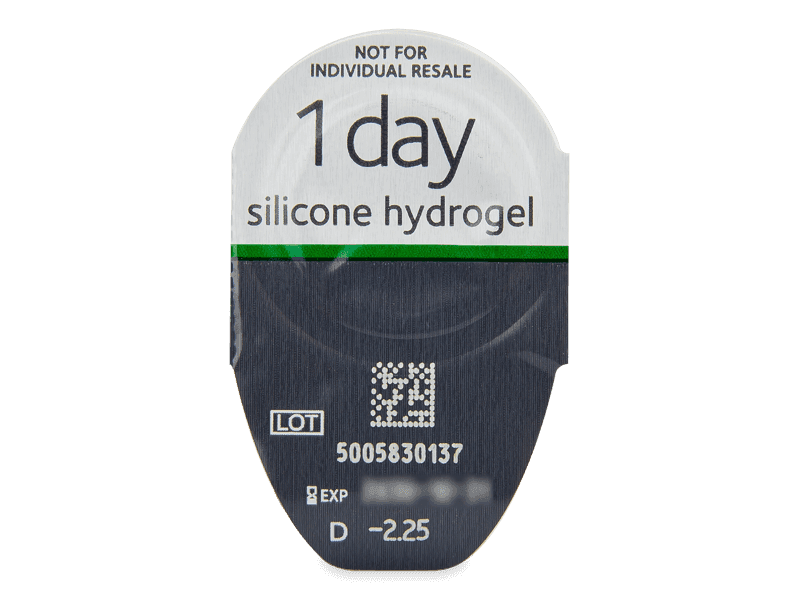

The type of lens you wear makes a big difference.
Older or Low-Quality Soft Lenses
- Dry out faster
- Attract dust and deposits
- Allow less oxygen
Silicone Hydrogel Lenses
- Allow more oxygen
- Stay moist longer
- Better for dry conditions
Daily Disposable Lenses
- Clean lens every day
- No buildup of dust or proteins
- Best option for dusty environments
Many Indian users continue using lenses that are not suited to local conditions.
Hygiene Issues That Increase Outdoor Discomfort
Poor habits can worsen pain dramatically:
- Reusing old lens solution
- Washing lenses with tap water
- Wearing lenses longer than recommended
- Sleeping in lenses not designed for it
- Using expired lenses
Dust sticks more easily to dirty or damaged lenses.
Why Pain Is Worse While Driving
Driving requires:
- Constant focus
- Reduced blinking
- Exposure to wind and pollution
Blinking normally spreads tears evenly. When blinking reduces:
- Lens dries faster
- Dust stays longer on the eye surface
This explains why pain often starts within minutes of driving.
What You Can Do to Reduce Discomfort (Practical Advice)
Choose the Right Lenses
Daily disposable or silicone hydrogel lenses are better suited for Indian conditions.
Use Lubricating Eye Drops
Preservative-free artificial tears help maintain moisture and flush out dust.
Wear Protective Eyewear
Clear protective glasses or riding visors reduce wind and dust exposure significantly.
Limit Outdoor Lens Wear
If you know you’ll be outdoors for hours, consider switching to spectacles for the day.
Stay Hydrated
Dehydration worsens dry eye and lens discomfort.
When Should You Stop Wearing Lenses Immediately?
Remove your lenses and see an eye doctor if you experience:
- Sharp or increasing pain
- Light sensitivity
- Persistent redness
- Blurred vision that doesn’t clear
- Discharge or swelling
Continuing to wear lenses despite pain can cause corneal injury.
Should You Quit Contact Lenses Altogether?
Not necessarily.
Most patients can continue wearing contact lenses comfortably with:
- Proper evaluation
- Correct lens type
- Better habits
- Treatment for dry eye
The key is personalization, not avoiding lenses altogether.
When to See an Eye Doctor
You should consult an ophthalmologist if:
- Outdoor discomfort happens daily
- Pain starts within minutes of wearing lenses
- You rely heavily on eye drops
- You have a history of allergies or dry eye
A detailed examination can identify whether the problem is the lens, your tear film, or the environment.
Professional guidance based on standards from organizations like the American Academy of Ophthalmology helps ensure safe and comfortable contact lens use.
Final Thoughts from a Senior Eye Doctor
Indian conditions are tough on the eyes. Contact lens discomfort outdoors is common, but pain should never be ignored.
Your eyes are not “weak.” Most often, they are simply reacting to an unsuitable lens or environment.
With the right choices and timely care, contact lenses can remain safe and comfortable—even in dust and pollution.
Call to Action
If you experience pain or discomfort with contact lenses outdoors, book a comprehensive eye examination. A proper evaluation can help you choose lenses that suit Indian conditions and protect your eye health in the long run.
References
- https://www.aao.org/eye-health/glasses-contacts/contact-lens-problems
- https://www.mayoclinic.org/diseases-conditions/dry-eyes/symptoms-causes/syc-20371863
- https://www.ncbi.nlm.nih.gov/pmc/articles/PMC5452223/
- https://www.aao.org/eye-health/tips-prevention/dry-eye-treatment