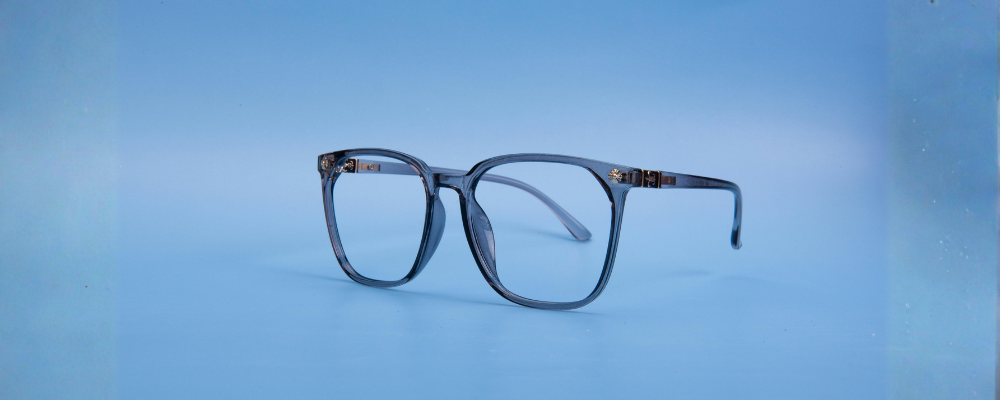
Anti-reflective (AR) coating is a thin, invisible layer added to spectacle lenses to reduce glare from lights, screens, and reflections. It helps you see more clearly, especially at night or when using digital devices, and makes your eyes look more natural behind glasses. While it adds to the cost of lenses, many people find it improves comfort, reduces eye strain, and enhances overall visual quality. For frequent screen users, night drivers, and professionals, AR coating is usually worth it.
Anti-Reflective Coating Explained: Do You Really Need It?
As an eye doctor, one of the most common questions I hear in the clinic is:
“Doctor, is anti-reflective coating really necessary, or is it just an extra expense?”
It is a fair question. Glasses are already an investment, and when opticians start talking about coatings and add-ons, it can feel confusing or even sales-driven. My goal here is to explain anti-reflective coating in simple, practical terms—what it is, how it works, how it affects your daily life, and who benefits the most from it.
By the end of this article, you should be able to decide for yourself whether AR coating is worth it for your eyes and your lifestyle.
Why This Topic Matters More Than You Think
We live in a world filled with artificial light. Phone screens, laptops, office lighting, car headlights, and LED bulbs surround us from morning to night. Our eyes are working harder than ever before.
Spectacle lenses without anti-reflective coating reflect a significant amount of light from their surface. This reflected light does not help you see better—in fact, it often interferes with vision. Over time, this can contribute to eye strain, visual fatigue, and discomfort, especially in people who already wear glasses for long hours.
Understanding AR coating helps you make smarter choices for long-term eye comfort, not just short-term savings.
What Is Anti-Reflective (AR) Coating?
Anti-reflective coating, sometimes called anti-glare coating, is a very thin, transparent layer applied to the front and back surfaces of spectacle lenses.
To understand its purpose, let us start with a simple fact:
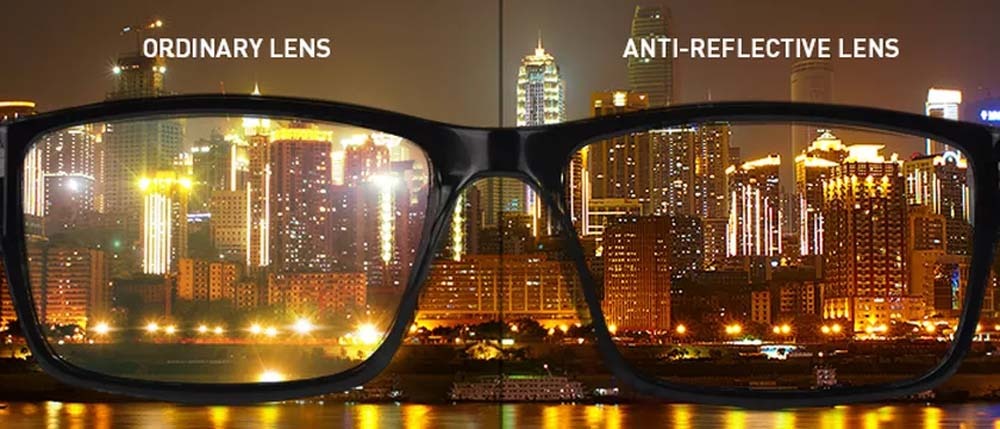
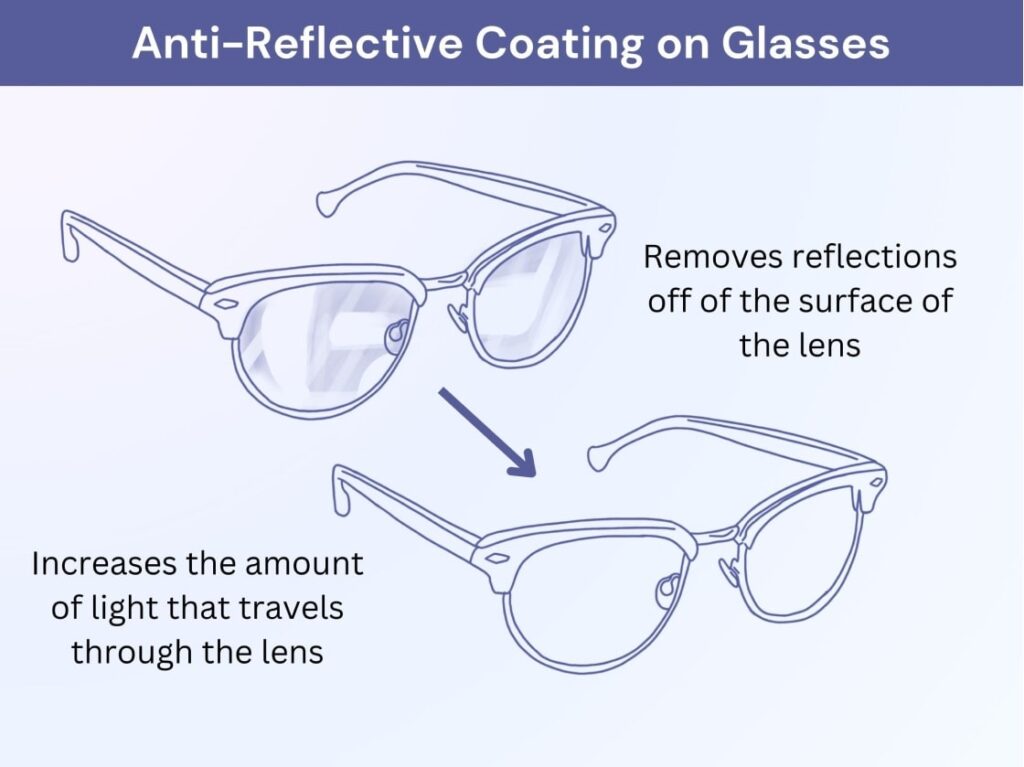
When light hits a lens, some of it passes through, and some of it bounces back as reflection. These reflections are what cause glare.
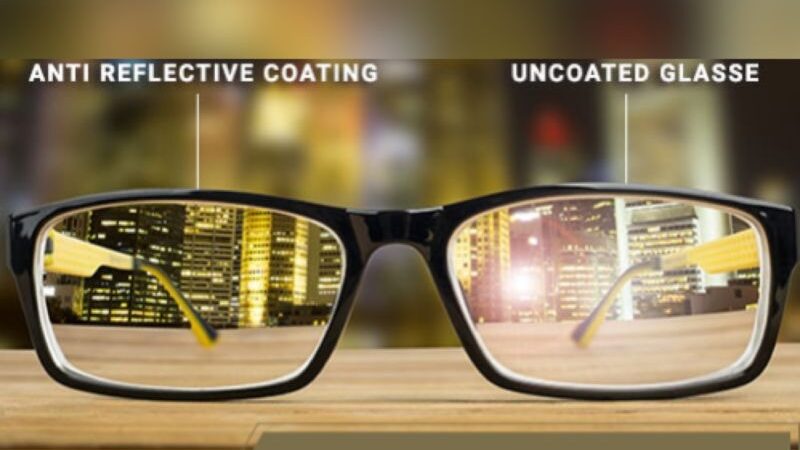
AR coating is designed to reduce these reflections, allowing more light to pass through the lens and reach your eyes.
In simple words, AR coating:
- Reduces glare
- Improves clarity
- Makes lenses look clearer and almost invisible
How Does AR Coating Actually Work?
Without getting too technical, AR coating works by using multiple microscopic layers that interfere with reflected light waves. These layers cancel out reflections rather than letting them bounce back into your eyes.
The result is:
- Less reflected light
- More useful light entering the eye
- Sharper, more comfortable vision
You do not feel or see the coating itself. You only notice the effect—clearer vision and fewer annoying reflections.
Common Myths About Anti-Reflective Coating
Before discussing benefits, let us clear up some common misunderstandings.
Many people believe:
- AR coating is only cosmetic
- It scratches easily
- It is unnecessary for regular use
These ideas often come from experiences with older or poor-quality coatings. Modern AR coatings are far more durable and functional than they were years ago.
How AR Coating Impacts Daily Life
This is where AR coating truly shows its value. Let us look at everyday situations where it makes a noticeable difference.
AR Coating and Screen Use
If you spend hours on a phone, computer, or tablet, AR coating is not a luxury—it is a comfort tool.
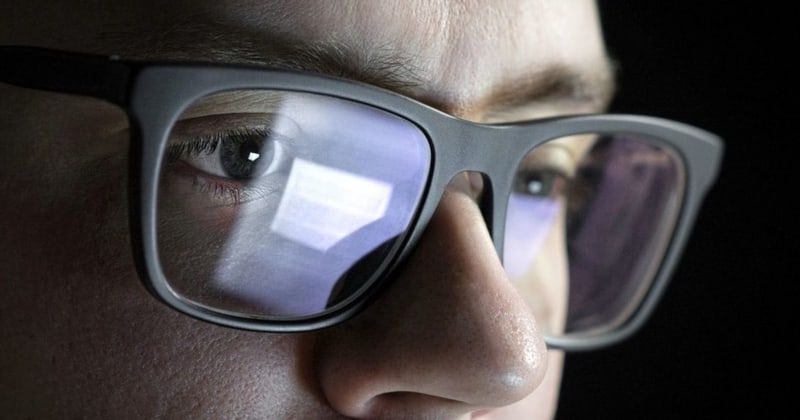
Screens emit light directly into your eyes. Without AR coating, additional light reflects off your lenses, creating visual noise. Your eyes constantly adjust to this extra glare, leading to fatigue.
With AR coating:
- Screen text appears sharper
- Contrast improves
- Eyes feel less tired by the end of the day
This does not replace good screen habits, but it certainly reduces strain.
Night Driving and Headlight Glare
Night driving is one of the strongest reasons I recommend AR coating.
Car headlights, streetlights, and reflective road signs create intense glare, especially for people with even mild vision problems.
Without AR coating:
- Headlights appear harsher
- Halos and starbursts are more noticeable
- Visual clarity drops
With AR coating:
- Headlight glare is reduced
- Road signs are easier to read
- Eyes feel less stressed during long drives
For anyone who drives regularly at night, AR coating is highly beneficial.
How Your Glasses Look to Others
This may sound minor, but it matters to many people.
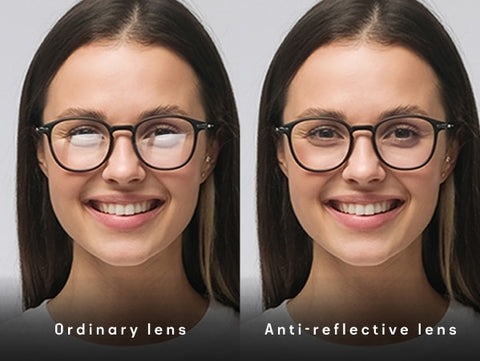
Lenses without AR coating reflect light, making it difficult for others to see your eyes. This can be distracting during conversations, meetings, photographs, or video calls.
AR-coated lenses:
- Look clearer
- Show your eyes naturally
- Improve appearance in photos and professional settings
It is not about vanity. Clear eye contact plays an important role in communication.
Does AR Coating Improve Vision Quality?
Yes, it does.
By allowing more light to reach the eyes and reducing scattered reflections, AR coating improves:
- Contrast
- Sharpness
- Overall visual comfort
This improvement is subtle but consistent. Many patients tell me they only realize its value when they go back to lenses without it.
Who Benefits the Most from Anti-Reflective Coating?
While almost everyone can benefit, some people benefit more than others.
If you fall into any of these groups, AR coating is strongly recommended:
- Students and professionals with heavy screen use
- Drivers, especially night drivers
- People with high power lenses
- Individuals sensitive to light
- Teachers, presenters, and public-facing professionals
High prescription lenses reflect more light by nature, so AR coating becomes even more useful as lens power increases.
AR Coating and Children
Parents often ask whether AR coating is necessary for children’s glasses.
Children today use digital devices early and often. AR coating:
- Improves visual comfort
- Reduces glare during reading and screen use
- Helps teachers and parents see the child’s eyes clearly
As long as the coating includes scratch resistance, it is usually a good addition for school-going children.
Durability: Does AR Coating Scratch Easily?
Modern AR coatings are much better than older versions.
Today, AR coating is usually combined with:
- Scratch-resistant layers
- Water-repellent coatings
- Dust- and smudge-resistant properties
However, care still matters. Lenses should be cleaned properly with a microfiber cloth and appropriate cleaning solution.
Poor maintenance, not the coating itself, is the main reason lenses get damaged.
Cleaning and Caring for AR-Coated Lenses
To make AR coating last:
- Rinse lenses with water before wiping
- Use a microfiber cloth
- Avoid dry wiping
- Do not use harsh chemicals or tissues
With proper care, AR-coated lenses last as long as regular lenses.
Is Anti-Reflective Coating Worth the Extra Cost?
This is the key question.
AR coating usually adds a modest amount to the overall cost of glasses. In return, you get:
- Better comfort
- Reduced eye strain
- Clearer vision
- Improved appearance
- Safer night driving
From a medical and practical perspective, the benefits often outweigh the cost—especially if you wear glasses daily.
I often tell patients: you wear your glasses on your face for many hours every day. Small improvements in comfort add up significantly over time.
When AR Coating May Not Be Essential
There are a few situations where AR coating may be optional:
- Very occasional glasses use
- Backup or emergency glasses
- Short-term use only
Even then, many people still prefer AR once they experience it.
How to Choose a Good AR Coating
Not all AR coatings are the same.
When selecting AR coating:
- Choose reputable lens brands
- Ask about warranty
- Ensure it includes scratch resistance
- Avoid extremely cheap, unbranded options
A good optician or eye hospital will guide you honestly based on your needs.
What Eye Doctors Recommend
Most eye care professionals, including guidance aligned with organizations like the American Academy of Ophthalmology, recognize the benefits of anti-reflective coatings in improving visual quality and comfort.
It is not about pushing upgrades. It is about matching lens features to modern visual demands.
When Should You Talk to an Eye Doctor?
You should discuss AR coating during your eye exam if:
- You experience frequent eye strain
- Night driving feels uncomfortable
- You use screens for long hours
- You are upgrading lenses after several years
A proper discussion helps you choose lenses that truly fit your lifestyle.
Final Thoughts from a Doctor
Anti-reflective coating is not a gimmick. It is a practical improvement designed for the way we use our eyes today.
While it may not be mandatory for everyone, for most daily glasses wearers, it significantly improves comfort, clarity, and confidence.
If you have never tried AR-coated lenses, you may be surprised by how much of a difference they make once you do.
Call to Action
If you are considering new glasses or struggling with glare, eye strain, or night driving discomfort, schedule a comprehensive eye examination at our eye hospital. Our ophthalmologists can guide you on the best lens options for your vision and daily needs.
References
- https://www.aao.org/eye-health/glasses-contacts/what-is-anti-reflective-coating
- https://www.mayoclinic.org/healthy-lifestyle/adult-health/in-depth/eye-strain/art-20047424
- https://www.ncbi.nlm.nih.gov/pmc/articles/PMC5545571/
- https://www.nhs.uk/conditions/eye-care/