
Lacrimal Probing and Syringing (with or without Silicone Intubation) in Hyderabad: Cost, Procedure & Recovery
Lacrimal Probing and Syringing is a common procedure designed to clear blocked tear ducts, which can cause watery eyes and discomfort. This intervention helps restore the natural flow of tears, improving your eye comfort and vision. It can be performed with or without a temporary silicone tube insertion to keep the duct open.
QUICK FACTS
- Procedure Duration: 15-30 minutes
- Anesthesia Type: Topical numbing eye drops / Local
- Recovery Time: 24-48 hours
- Hospital Stay: Daycare / No overnight admission required
UNDERSTANDING THE BASICS
What is Lacrimal Probing and Syringing (with or without Silicone Intubation)?
Your eyes constantly produce tears to keep them moist and clean. These tears drain away through tiny tubes called tear ducts, located in the inner corner of your eye, near your nose. Sometimes, these ducts can become blocked, much like a clogged drainpipe, leading to watery eyes, irritation, and even infections.
Lacrimal Probing and Syringing is a gentle procedure to clear these blockages. During probing, a very thin, flexible wire (the probe) is carefully guided through the tear duct to open up any narrow or blocked areas. Syringing involves flushing the duct with a sterile saline solution to confirm it’s clear and wash away any debris. In some cases, especially for more persistent blockages, a tiny, soft silicone tube might be temporarily placed inside the duct (silicone intubation) to keep it open while it heals, much like a stent. This helps ensure tears can drain properly again.
CONDITIONS AND SYMPTOMS
Why is Lacrimal Probing and Syringing (with or without Silicone Intubation) performed?
Eye Conditions Treated
- Nasolacrimal Duct Obstruction (NLDO): The most common reason, where the main tear drainage duct is blocked.
- Dacryocystitis: Inflammation or infection of the tear sac, often caused by a blockage.
- Congenital Nasolacrimal Duct Obstruction: Blockage present from birth in infants.
- Chronic Epiphora: Persistent watery eyes due to inadequate tear drainage.
Symptoms You Might Be Experiencing
- Excessive Tearing (Watery Eyes): Tears constantly overflowing onto your cheek, even when not crying.
- Crusting or Discharge: Sticky discharge or crusting around the eyelids, especially upon waking.
- Redness and Irritation: The skin around the eye or the eye itself may appear red and feel irritated.
- Recurrent Eye Infections: Frequent episodes of conjunctivitis or other eye infections.
- Swelling or Tenderness: A painful lump or swelling near the inner corner of the eye, indicating a blocked tear sac.
SURGICAL JOURNEY STEP-BY-STEP
How is the Lacrimal Probing and Syringing (with or without Silicone Intubation) Procedure Performed?
1. How to Prepare Before the Procedure
1. Consultation and Examination: Your ophthalmologist will thoroughly examine your eyes and tear ducts to confirm the blockage and determine the best course of action.
2. Medical History Review: Discuss your full medical history, including any medications you are taking (especially blood thinners), allergies, and previous surgeries.
3. Diagnostic Tests: You might undergo a dye disappearance test or imaging like dacryocystography to pinpoint the exact location and nature of the blockage.
4. Medication Adjustments: You may be advised to temporarily stop certain medications, like blood thinners, a few days before the procedure. Always follow your doctor’s specific instructions.
5. Arrange for Transportation: Although it’s a daycare procedure, it’s wise to have someone drive you home, especially if you receive any mild sedation.
2. What Happens During the Procedure?
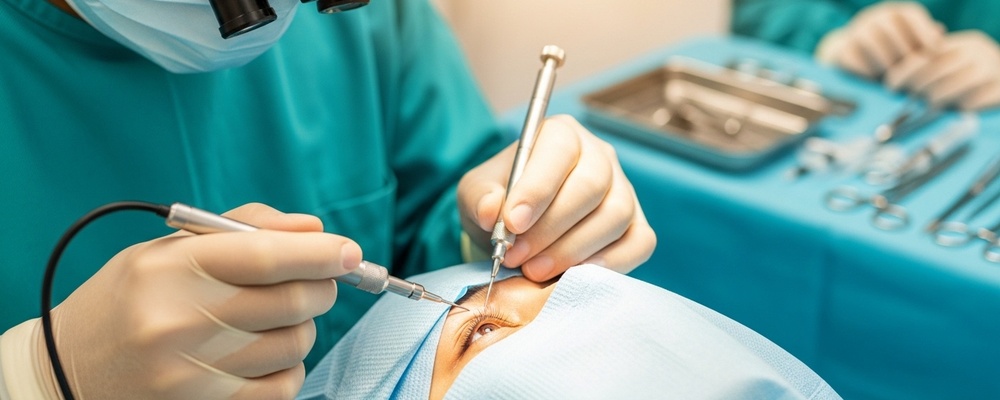
The procedure is typically performed in a minor operating room or a specialized clinic setting. You will lie comfortably on your back. First, numbing eye drops will be applied to ensure your comfort. In some cases, a local anesthetic injection might be used around the eye area. The ophthalmologist will then gently insert a very fine, blunt-tipped probe into the tiny opening of your tear duct (punctum) in the inner corner of your eyelid. This probe is carefully advanced through the tear drainage system to gently open any blockages. After probing, a sterile saline solution is flushed through the duct (syringing) to confirm that the pathway is clear and to wash away any remaining debris. If silicone intubation is needed, a thin, soft silicone tube will be threaded through the tear duct system and secured, usually with a small knot near the nose, to keep the duct open. The entire process is usually quick and designed to minimize discomfort.
3. What to Expect Immediately After the Procedure
After the procedure, you will rest briefly in a recovery area. You might experience some mild tearing, slight discomfort, or a feeling of fullness in the treated eye, which is normal. Your doctor may apply an antibiotic ointment or prescribe eye drops to prevent infection and reduce inflammation. If a silicone tube was inserted, you might feel its presence, but it should not be painful. Your vision will likely be normal, though some temporary blurriness from ointments is possible. You will receive specific instructions on how to care for your eye and when to follow up. You can usually go home the same day.
POST-OPERATIVE CARE AND TIMELINE
Recovery and Post-Operative Care
Do’s:
- Use Prescribed Eye Drops: Administer all antibiotic and anti-inflammatory eye drops exactly as directed by your doctor.
- Keep the Area Clean: Gently clean any discharge from around your eye with a clean, damp cloth.
- Attend Follow-up Appointments: Crucial for monitoring healing and, if applicable, for the removal of the silicone tube.
- Wear Protective Eyewear: If advised, wear sunglasses outdoors to protect your eyes from dust and bright light.
Don’ts:
- Rub Your Eyes: Avoid rubbing or pressing on the treated eye, especially if a silicone tube is in place.
- Swim or Use Hot Tubs: Avoid swimming or submerging your head in water for at least 1-2 weeks to prevent infection.
- Apply Eye Makeup: Refrain from using eye makeup for at least a week or as advised by your doctor.
- Engage in Strenuous Activities: Avoid heavy lifting or intense exercise for a few days to prevent increased pressure in the eye.
Recovery Timeline:
- Day 1: You may experience mild tearing, slight redness, or a feeling of irritation. Any discomfort can usually be managed with over-the-counter pain relievers. You should be able to resume light activities.
- Week 1: Most initial discomfort and redness should subside. You should notice a significant improvement in tear drainage. Continue using prescribed eye drops. If a silicone tube was placed, it will remain in position.
- Month 1 (and beyond): If a silicone tube was inserted, it is typically removed after several weeks to a few months, once the tear duct has healed and is expected to remain open. Your doctor will advise on the exact timing. You should experience clear, comfortable vision with proper tear drainage.
COST AND INSURANCE COVERAGE IN HYDERABAD
Cost of Lacrimal Probing and Syringing (with or without Silicone Intubation) in Hyderabad & Insurance Options
- Estimated Local Investment: ₹35000 – ₹70000
- Cost Determinants: The final cost can vary based on several factors:
- Complexity of the Blockage: Simple blockages may cost less than more complex or recurrent cases.
- Inclusion of Silicone Intubation: Procedures involving the temporary placement of a silicone tube may incur additional costs for the tube itself and the extended follow-up.
- Hospital or Clinic Choice: Prices can differ between various hospitals and specialized eye clinics in Hyderabad.
- Surgeon’s Fees: The experience and reputation of the ophthalmologist can influence the overall cost.
- Anesthesia Type: While often local, any additional sedation or specific anesthesia needs can affect the price.
- Pre-operative Diagnostics: Any specialized tests required before the procedure.
- Insurance Protocol: Lacrimal Probing and Syringing is generally considered a therapeutic procedure for a medical condition (blocked tear ducts) rather than an elective or cosmetic one. Therefore, it is typically covered by major health insurance providers and Third-Party Administrator (TPA) networks in India, subject to the terms and conditions of your specific policy. It is crucial to verify your coverage directly with your insurance provider or the hospital’s billing department prior to the procedure to understand the extent of coverage, any deductibles, co-pays, or pre-authorization requirements.
FREQUENTLY ASKED QUESTIONS
Frequently Asked Questions About Lacrimal Probing and Syringing (with or without Silicone Intubation)
Q1: Is Lacrimal Probing and Syringing painful?
A1: The procedure is performed with numbing eye drops or local anesthesia, so you should experience minimal to no pain during the process. You might feel some pressure or mild discomfort.
Q2: How long does the silicone tube stay in place?
A2: If a silicone tube is used, it typically remains in the tear duct for several weeks to a few months, usually 2 to 6 months, to allow the duct to heal open. Your doctor will advise on the exact duration.
Q3: What are the risks of this procedure?
A3: Risks are generally low but can include minor bleeding, infection, re-blockage of the tear duct, or, rarely, damage to the tear duct system. Your doctor will discuss these with you.
Q4: When can I return to normal activities after the procedure?
A4: Most patients can resume light, non-strenuous activities within 24-48 hours. Avoid rubbing your eyes, swimming, or heavy lifting for about a week, or as advised by your ophthalmologist.
DISCLAIMER
Disclaimer: This content is curated using artificial intelligence and may contain inaccuracies. It is provided for informational and educational purposes only and should not be considered professional medical advice. Please consult your ophthalmologist for personalized clinical care. The prices listed in this article are indicative only and may vary based on the patient’s specific condition, procedural techniques, surgical complexity, and materials used. We strongly advise discussing actual costs directly with your healthcare provider.