
Iris Hooks / Pupil Expansion Device Placement in Hyderabad: Cost, Procedure & Recovery
Iris Hooks and Pupil Expansion Devices are specialized tools used during eye surgery, most commonly for cataract removal. They gently hold the iris (the colored part of your eye) open to create a larger, clearer view for the surgeon. This helps ensure a smooth and safe operation, especially when the pupil doesn’t dilate well naturally, leading to better visual outcomes.
QUICK FACTS
- Procedure Duration: 15-30 minutes
- Anesthesia Type: Topical numbing eye drops / Local
- Recovery Time: 24-48 hours
- Hospital Stay: Daycare / No overnight admission required
UNDERSTANDING THE BASICS
What is Iris Hooks / Pupil Expansion Device Placement?
Imagine your eye as a camera, where the pupil is the opening that lets light in, controlled by the iris (the colored part). During certain eye surgeries, like cataract removal, the surgeon needs a wide, clear view of the lens inside your eye. Sometimes, the pupil doesn’t open wide enough on its own, making the surgery more challenging. This is where Iris Hooks or a Pupil Expansion Device comes in. These are tiny, specialized tools that are gently placed to temporarily hold the iris open, creating a larger, stable opening for the surgeon to work through. They don’t permanently change your eye but ensure the surgeon has the best possible access to safely perform the main procedure.
CONDITIONS AND SYMPTOMS
Why is Iris Hooks / Pupil Expansion Device Placement performed?
Eye Conditions Treated
- Small pupil (miosis) that doesn’t dilate sufficiently with standard eye drops
- Floppy Iris Syndrome (IFIS), often linked to certain medications
- Posterior synechiae (adhesions between the iris and the lens)
- Traumatic mydriasis (pupil dilation issues due to previous eye injury)
- Complex cataract cases requiring extended surgical access and visibility
Symptoms You Might Be Experiencing
While Iris Hooks/Pupil Expansion Devices are tools used during surgery, the underlying conditions that make them necessary can contribute to symptoms you might experience, such as:
- Blurred or cloudy vision (often due to cataracts, where small pupils can complicate surgery)
- Difficulty seeing clearly in dim light
- Increased glare or halos around lights
- A feeling of reduced overall brightness in your vision
- Difficulty with daily tasks due to poor vision, especially if your pupil doesn’t open wide enough to let in sufficient light.
SURGICAL JOURNEY STEP-BY-STEP
How is the Iris Hooks / Pupil Expansion Device Placement Procedure Performed?
1. How to Prepare Before the Procedure
- Undergo a comprehensive eye examination and provide your full medical history.
- Discuss all medications you are currently taking, especially alpha-blockers (like Tamsulosin), as they can affect pupil dilation.
- Follow specific fasting instructions from your doctor, typically avoiding food and drink for several hours before surgery.
- Arrange for a trusted friend or family member to drive you home after the procedure.
- Avoid wearing eye makeup, lotions, or contact lenses on the day of your surgery.
2. What Happens During the Procedure?
- You will lie comfortably on your back in a sterile operating room.
- Numbing eye drops or a local anesthetic injection will be administered to ensure you feel no pain.
- Your eye area will be thoroughly cleaned, and a sterile drape will be placed around your eye.
- A small eyelid holder will gently keep your eye open throughout the procedure.
- The surgeon will make tiny, precise incisions in your eye.
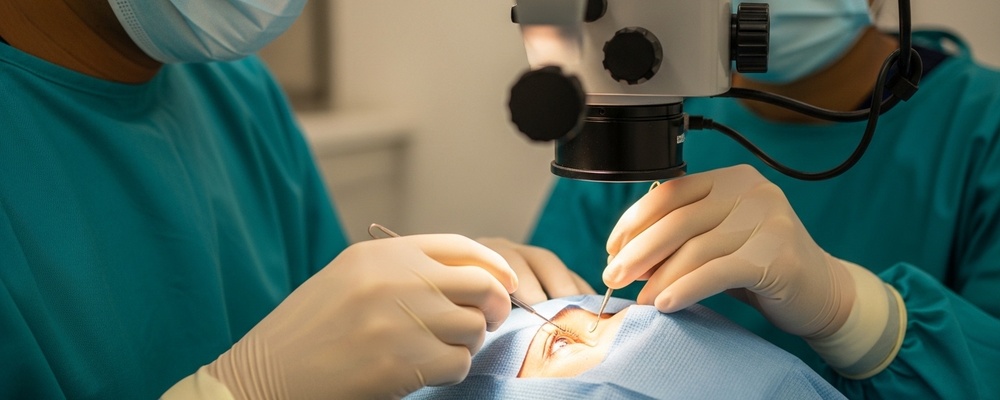
- If your pupil doesn’t dilate sufficiently, the surgeon will carefully insert tiny Iris Hooks or a Pupil Expansion Device to gently stretch and hold the pupil open, providing a clear and stable view of the lens.
- Once the main procedure (e.g., cataract removal) is successfully completed, the Iris Hooks or Pupil Expansion Device will be carefully removed.
- The tiny incisions usually self-seal without the need for stitches.
3. What to Expect Immediately After the Procedure
- You will be moved to a recovery area for a short period of observation.
- Your eye might feel a little gritty, irritated, or watery, and your vision may be blurry.
- A protective eye shield or patch will be placed over your eye to prevent accidental rubbing or injury.
- You will receive detailed instructions on how to use prescribed eye drops and how to care for your eye at home.
- It’s normal to experience some mild discomfort or light sensitivity.
- You will be discharged home the same day, accompanied by a friend or family member, as you will not be able to drive.
POST-OPERATIVE CARE AND TIMELINE
Recovery and Post-Operative Care
Following your procedure, diligent post-operative care is crucial for optimal healing and visual recovery.
- Do’s:
- Use all prescribed eye drops exactly as directed by your ophthalmologist to prevent infection and reduce inflammation.
- Wear your protective eye shield, especially while sleeping, for the recommended period to safeguard your eye.
- Keep your eye clean and avoid rubbing or pressing on it.
- Attend all scheduled follow-up appointments with your ophthalmologist to monitor your healing progress.
- Rest adequately and stay hydrated to support your body’s healing process.
- Don’ts:
- Do not rub, touch, or apply any pressure to your operated eye.
- Avoid strenuous activities, heavy lifting, and bending over for the first few weeks.
- Do not swim or use hot tubs for at least a month to prevent potential infection.
- Avoid getting water, soap, or shampoo directly into your eye during bathing.
- Do not wear eye makeup until you receive explicit clearance from your doctor.
- Day 1: Your vision will likely be blurry, and your eye might feel a bit sensitive, gritty, or watery. You will keep the protective shield on and begin using your prescribed eye drops. Mild discomfort is normal.
- Week 1: Vision should start to improve significantly, though some fluctuations in clarity are common. You will continue your eye drops and must avoid strenuous activities. Most initial discomfort should subside.
- Month 1: Your eye should be largely healed, and your vision stabilized. You’ll likely be able to resume most normal activities, though your doctor will confirm when it’s safe to stop all eye drops and resume activities like swimming. Final vision correction (glasses/contacts) can be prescribed if needed.
COST AND INSURANCE COVERAGE IN HYDERABAD
Cost of Iris Hooks / Pupil Expansion Device Placement in Hyderabad & Insurance Options
- Estimated Local Investment: ₹3000 – ₹8000
- Cost Determinants: The final cost for Iris Hooks / Pupil Expansion Device Placement can vary based on several factors:
- Type and Number of Devices: The specific kind and quantity of iris hooks or pupil expansion devices used.
- Complexity of Primary Surgery: The overall complexity of the main procedure (e.g., cataract surgery) that necessitates these devices.
- Surgeon’s Fees: The experience and reputation of your chosen ophthalmologist.
- Hospital Facility Charges: Costs associated with the operation theatre, consumables, and hospital stay (if any).
- Pre-operative & Post-operative Care: Charges for diagnostic tests, consultations, and follow-up appointments.
- Insurance Protocol: Iris Hooks / Pupil Expansion Device Placement is typically considered a therapeutic ‘Medical Necessity’ when performed as an adjunct to another essential eye surgery (like cataract surgery) to ensure its safe and effective completion. As such, the cost associated with these devices is often covered by major Third-Party Administrator (TPA) networks and health insurance schemes as part of the overall surgical package. Patients are advised to verify their specific policy details and coverage limits with their insurance provider prior to the procedure to understand any co-pays, deductibles, or specific exclusions.
FREQUENTLY ASKED QUESTIONS
Frequently Asked Questions About Iris Hooks / Pupil Expansion Device Placement
Q1: Are Iris Hooks permanently left in the eye?
A1: No, Iris Hooks and Pupil Expansion Devices are temporary tools. They are carefully removed from the eye once the main surgical procedure is completed.
Q2: Is the procedure painful?
A2: The procedure is performed under topical numbing eye drops or local anesthesia, so you should not feel any pain during the surgery itself. Mild discomfort might occur during recovery.
Q3: What are the risks associated with using these devices?
A3: Risks are generally low but can include temporary inflammation, minor bleeding, or, rarely, damage to the iris. Your surgeon will discuss all potential risks with you.
Q4: How soon can I return to normal activities?
A4: Most patients can resume light activities within a few days. Strenuous activities, heavy lifting, and swimming should be avoided for several weeks, as advised by your doctor.
DISCLAIMER
Disclaimer: This content is curated using artificial intelligence and may contain inaccuracies. It is provided for informational and educational purposes only and should not be considered professional medical advice. Please consult your ophthalmologist for personalized clinical care. The prices listed in this article are indicative only and may vary based on the patient’s specific condition, procedural techniques, surgical complexity, and materials used. We strongly advise discussing actual costs directly with your healthcare provider.