
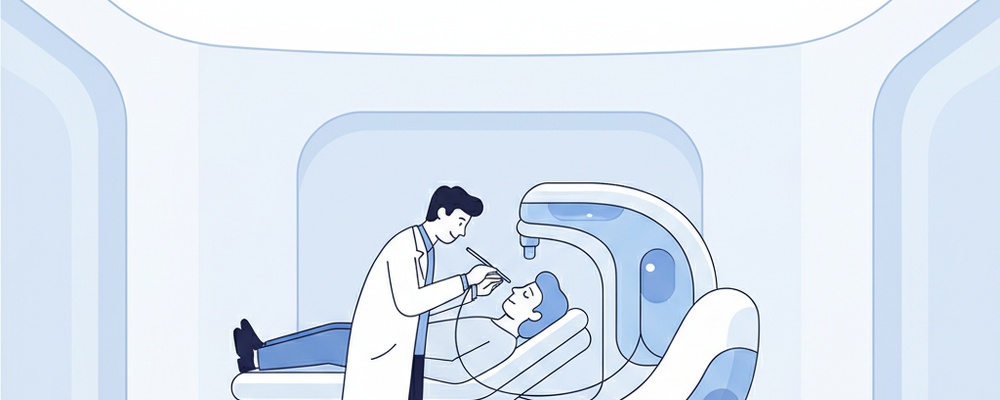
Meibomian Gland Probing is a highly effective, minimally invasive procedure designed to treat Meibomian Gland Dysfunction (MGD), a leading cause of Dry Eye Disease. At Pristine Eye Hospitals, our specialists perform this advanced technique to directly clear obstructions and restore the natural flow of oils to your tear film. This provides significant and lasting relief from uncomfortable dry eye symptoms.
What is a Meibomian Gland Probing?
Your eyelids contain tiny meibomian glands responsible for producing the essential oily layer of your tear film. This oil prevents your tears from evaporating too quickly, keeping your eyes lubricated and comfortable. In Meibomian Gland Dysfunction (MGD), these glands become blocked by thickened secretions or fibrous tissue, leading to chronic dry eye. Meibomian Gland Probing is a precise in-office procedure where a specialized, ultra-thin instrument (a probe) is gently inserted into the gland’s opening to physically clear the obstruction and reopen the natural channel.
Why is this test performed?
Your cornea and dry eye specialist may recommend Meibomian Gland Probing if you have:
Chronic or severe Dry Eye Disease that has not responded to conventional treatments like eye drops, warm compresses, or lid hygiene.
Diagnosed Obstructive Meibomian Gland Dysfunction (MGD), where imaging tests confirm physical blockages in the glands.
Persistent symptoms such as burning, grittiness, eye fatigue, redness, and fluctuating vision linked to poor tear film quality.
A need to improve the function of your glands before or in conjunction with other advanced dry eye treatments.
How to Prepare for Your Meibomian Gland Probing
Preparation for this procedure is minimal and straightforward. Your doctor will provide you with specific instructions, but generally, you can expect the following guidelines to ensure a smooth and effective treatment.
Avoid wearing any eye makeup, lotions, or creams on the day of your procedure.
Inform your doctor of all medications you are currently taking, especially blood thinners or aspirin.
Arrange for transportation home, as your vision may be slightly blurry for a short period after the procedure.
The Procedure: What to Expect Step-by-Step
The procedure is quick, safe, and performed in a sterile clinical environment. Our team ensures your complete comfort throughout the process.
1. Numbing the Eye: Your ophthalmologist will administer potent anesthetic (numbing) eye drops to your eye and eyelid margin. This ensures you feel no pain during the procedure, only a mild sense of pressure.
2. Gentle Probing: Using a high-magnification microscope, the doctor will gently insert a very fine, sterile probe into the opening of each meibomian gland along your eyelid. The probe is carefully advanced to break through any fibrous blockages.
3. Expressing the Gland: After the obstruction is cleared, gentle pressure may be applied to the eyelid to express the newly released oils (meibum), confirming the gland is now open and functional.
4. Post-Procedure Care: The process is repeated for all affected glands. Afterwards, your doctor may prescribe antibiotic or anti-inflammatory eye drops to use for a few days to prevent infection and aid healing.
Understanding Your Results
The primary result of Meibomian Gland Probing is the immediate opening of previously blocked glands. Your doctor can often confirm this success during the procedure by observing the expression of clear oil (meibum) from the glands after probing. For you as a patient, this translates into a gradual but significant improvement in your dry eye symptoms over the subsequent days and weeks.
As the glands resume their normal function, the quality of your tear film improves, leading to better eye lubrication, reduced irritation, and more stable vision. While many patients experience relief that lasts for a year or more, MGD is a chronic condition, and your doctor will advise on a long-term management plan to maintain your results.
Frequently Asked Questions
Is Meibomian Gland Probing painful?
The procedure is performed after applying strong anesthetic eye drops, so patients typically feel only slight pressure, not pain. You may experience mild soreness or irritation for a day or two afterwards, which is easily managed.
How long does the procedure take?
The probing itself is very quick, usually taking just 10-15 minutes to treat the glands in both eyes. You should plan to be at the hospital for a bit longer to account for preparation and post-procedure instructions.
Are the results of Meibomian Gland Probing permanent?
Many patients experience long-lasting relief, often for a year or more, significantly reducing their dependence on eye drops. However, as MGD is a chronic condition, the procedure may need to be repeated in the future to maintain optimal gland function.