
Blinking is a natural reflex, but how you blink can reveal a lot about your eye health. At Pristine Eye Hospitals, we use advanced Blink Analysis to understand the quality of your blinks. This non-invasive test helps our specialists diagnose and effectively manage conditions like Dry Eye Syndrome.
What is a Blink Analysis?
A Blink Analysis is a sophisticated diagnostic test that uses high-speed video technology and intelligent software to capture and evaluate your blinking patterns in detail. The system records your eyes as you perform simple tasks, like reading or looking at a screen. It then precisely measures two critical factors: your blink rate (the number of blinks per minute) and your blink completeness (whether your eyelids close fully with each blink). This data provides objective insights into the health of your tear film and ocular surface.
Why is this test performed?
To accurately diagnose the underlying cause of Dry Eye Syndrome, particularly Meibomian Gland Dysfunction (MGD).
To evaluate symptoms of digital eye strain, such as burning, grittiness, or blurred vision, which are often linked to incomplete or infrequent blinking.
To assess the stability of the tear film and ocular surface health before considering procedures like LASIK or contact lens fitting.
To monitor the progress and effectiveness of ongoing dry eye treatments, allowing for personalized adjustments to your care plan.
How to Prepare for Your Blink Analysis
Preparing for a Blink Analysis is simple, as the goal is to capture your natural blinking pattern. There are no major restrictions, but a few small steps can ensure the most accurate results.
Avoid wearing eye makeup on the day of your test, as it can interfere with the camera’s analysis.
If you wear contact lenses, please inform our staff. You may be asked to remove them before the test begins.
Do not use any artificial tear drops for at least two hours prior to your appointment.
The Procedure: What to Expect Step-by-Step
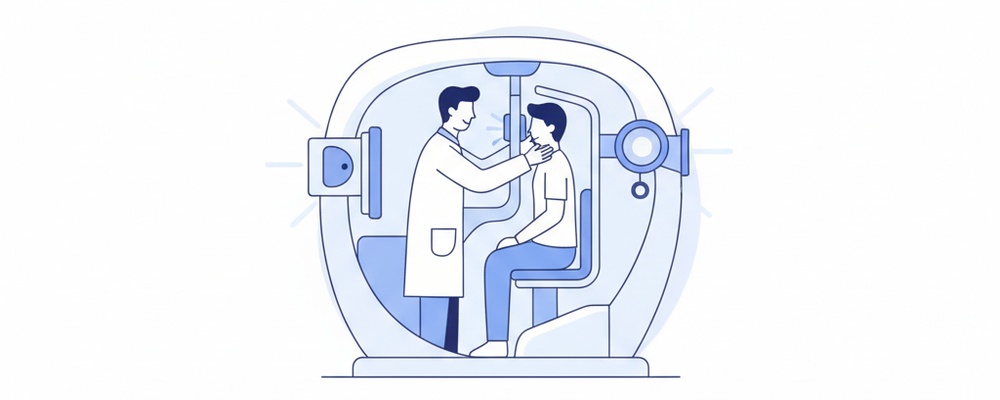
1. You will be comfortably seated in front of the diagnostic device, placing your chin on a chin rest to keep your head stable.
2. A high-speed camera will focus on your eyes while you are asked to look straight ahead, read a few lines of text on a screen, or simply blink naturally.
3. The entire recording process is quick and painless, typically taking only a few minutes.
4. The specialized software will then instantly analyze the video footage to generate a detailed report of your blink patterns.
Understanding Your Results
The results from your Blink Analysis provide your ophthalmologist with objective data about your ocular surface health. The report will show your average blink rate and the percentage of your blinks that are complete versus incomplete. A low blink rate or a high number of incomplete blinks can indicate that your tear film is not being properly replenished and spread across the eye’s surface. This is a common factor in Dry Eye Disease and Meibomian Gland Dysfunction (MGD).
Your Cornea & Dry Eye specialist at Pristine Eye Hospitals will review these findings with you in detail. They will explain how your specific blink patterns contribute to your symptoms and use this information to create a highly targeted and effective treatment plan.
Frequently Asked Questions
Is the Blink Analysis test painful?
No, the test is completely non-invasive and painless. You simply sit and look at a screen while a camera records your eyes without any contact.
How long does the Blink Analysis take?
The actual recording process is very quick, usually lasting only a couple of minutes. The entire appointment, including setup and discussion, is also brief.
Who should get a Blink Analysis?
This test is recommended for anyone experiencing persistent dry eye symptoms, digital eye strain, or discomfort with contact lenses. It is a key diagnostic tool for creating a precise treatment plan.