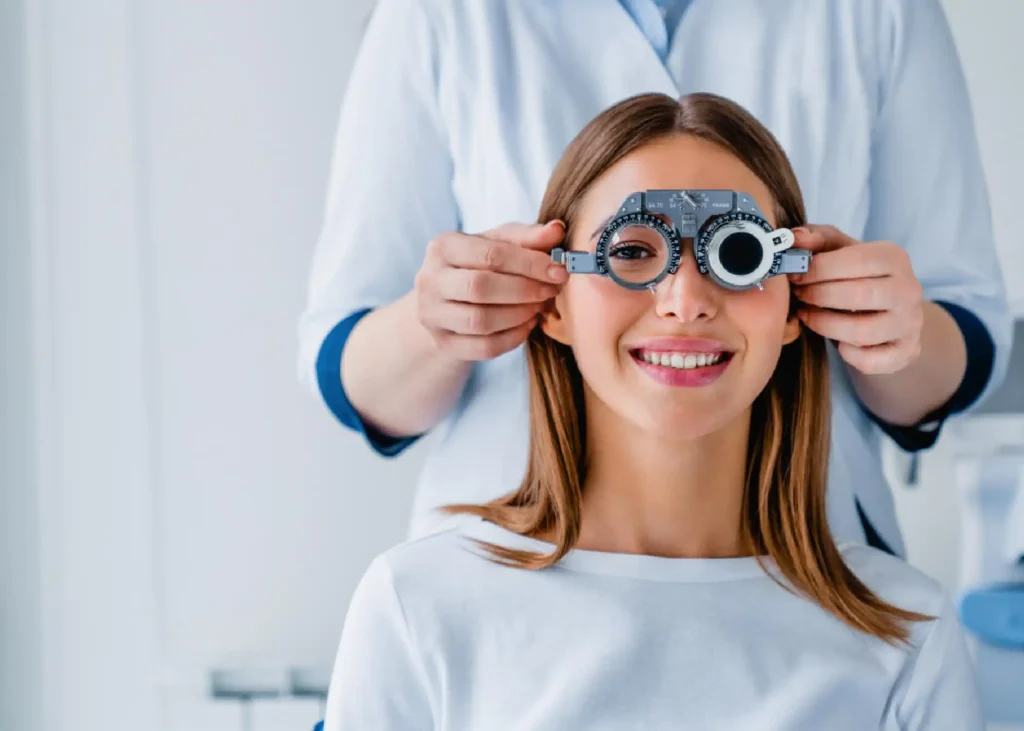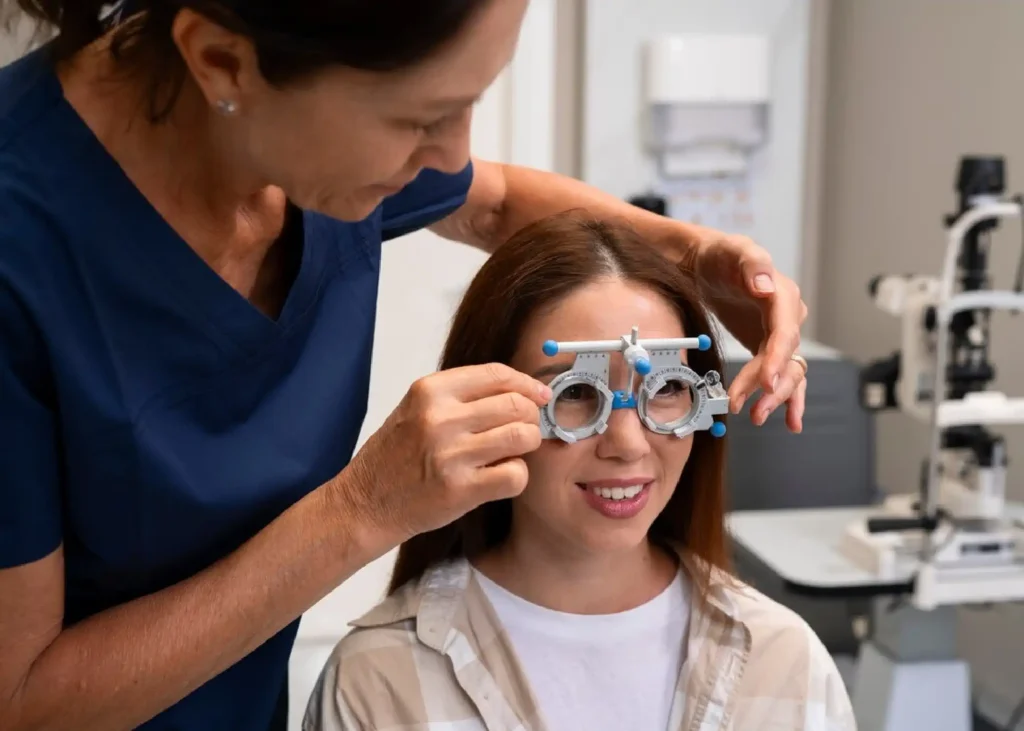
Wearing contact lenses for long work or college hours can be comfortable if you choose the right type and use them correctly. In India, dryness and irritation are common due to heat, air conditioning, screen use, and dust. Soft lenses with high oxygen flow, daily disposables, and lenses designed for dry eyes usually work best. Proper lens hygiene, limiting wear time, blinking more during screen use, and regular eye check-ups are just as important as the lens brand itself. Comfort always comes before convenience.
How to Choose Contact Lenses for Long Hours (Work/College) Without Irritation in India
As an ophthalmologist, I meet many young adults—students, IT professionals, teachers, doctors—who tell me the same thing:
“Doctor, my contact lenses feel fine in the morning, but by afternoon my eyes feel dry, red, and irritated.”
This is a very common concern in India. Our climate, long screen hours, air-conditioned offices, pollution, and irregular eye care habits all contribute to discomfort during prolonged contact lens use.
The good news is this: most irritation problems are preventable. Choosing the right contact lens and using it correctly can make a huge difference, even if you wear lenses for 10–14 hours a day.
Let us break this down step by step, in simple language.
Why Long-Hour Contact Lens Use Is Challenging in India
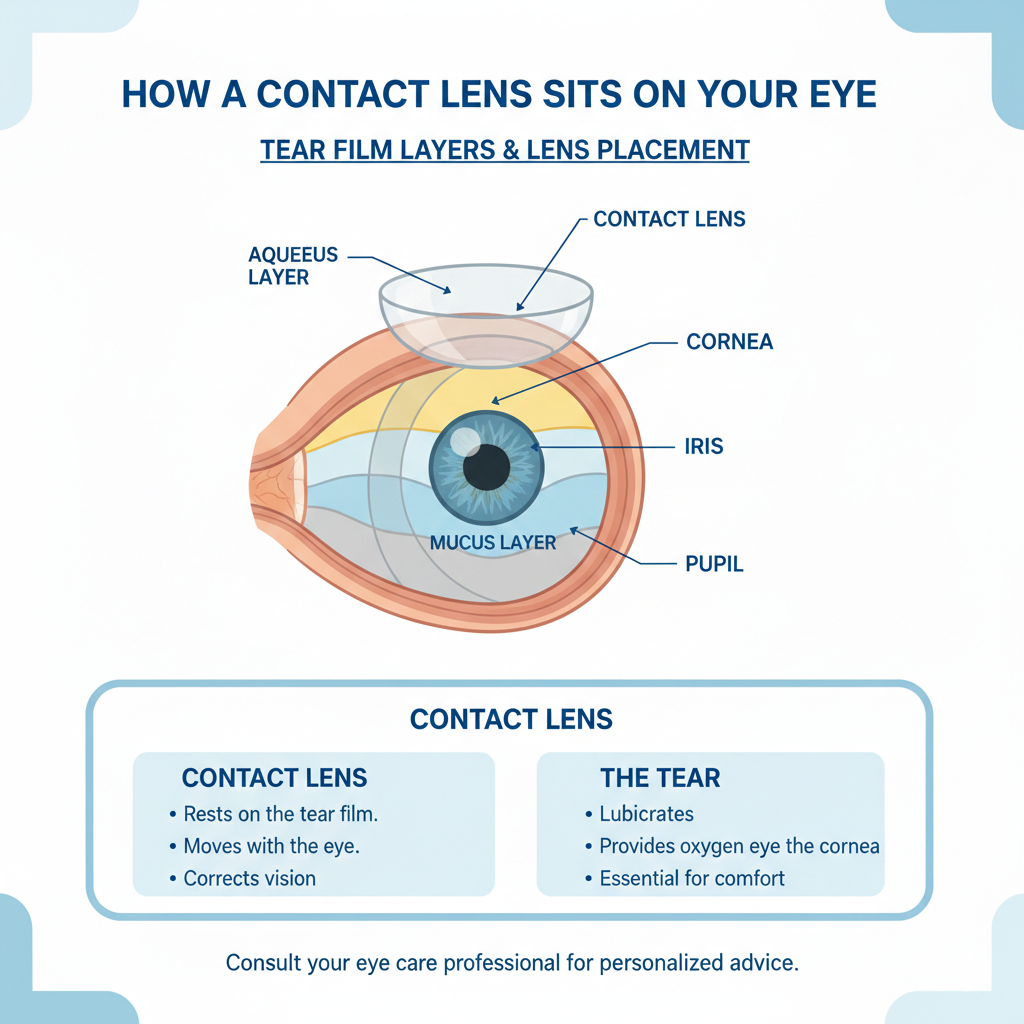
Contact lenses sit directly on the surface of the eye, over the tear film. This tear film keeps the eye moist, smooth, and protected. When this balance is disturbed, dryness and irritation begin.
In India, several factors make this more likely:
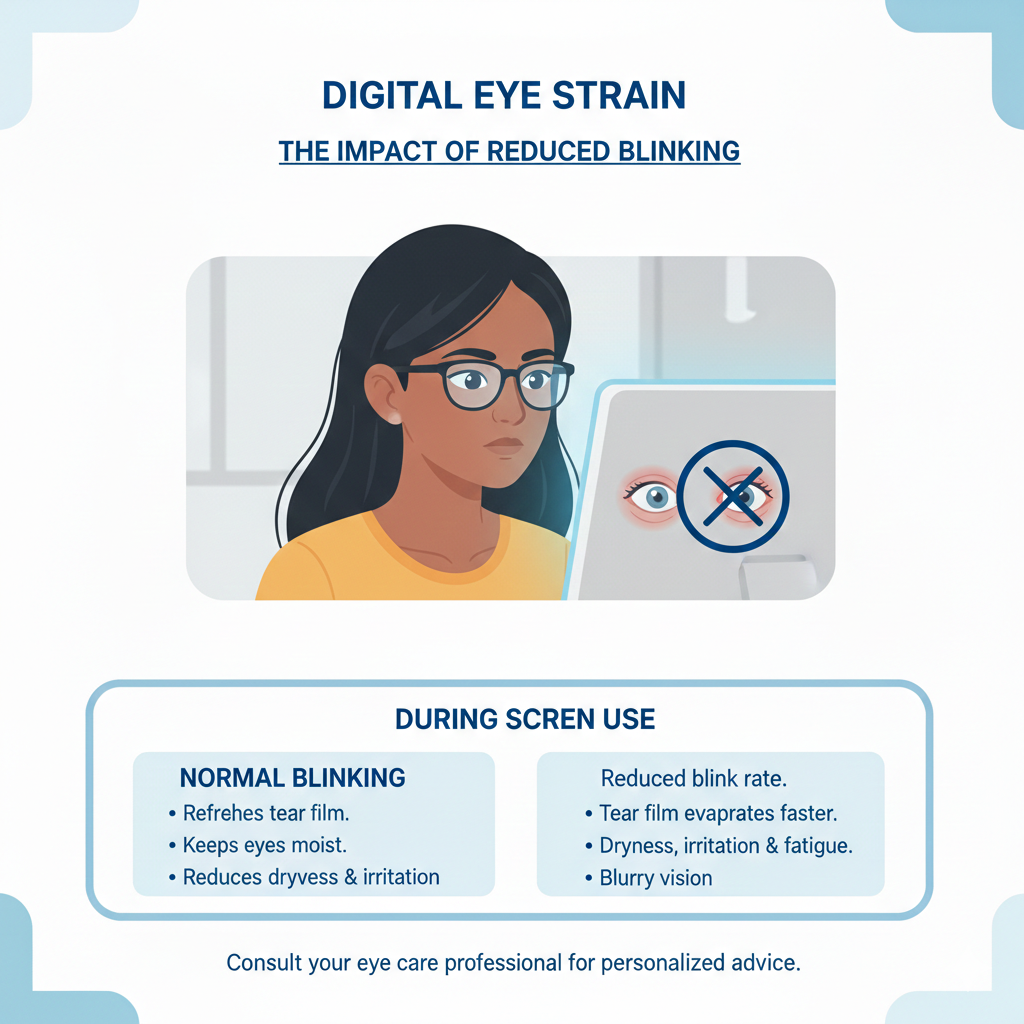
Long working or college hours often mean extended screen use. When we stare at screens, we blink less. Less blinking means tears evaporate faster.
Air-conditioned environments dry out the air. This increases tear evaporation from the eye surface.
Hot weather, dust, and pollution irritate the eyes and reduce tear quality.
Many users wear lenses longer than recommended or skip proper cleaning.
Some people choose lenses based on price or convenience, not eye suitability.
Understanding these factors helps you choose lenses more wisely.
Understanding Contact Lens Basics (In Simple Terms)
Before choosing a lens, it helps to know the basics.
Contact lenses differ in:
- Material (what they are made of)
- Oxygen flow to the eye
- Water content
- Replacement schedule (daily, monthly, etc.)
Your eye needs oxygen just like the rest of your body. Lenses that block oxygen for long periods can cause redness, dryness, and long-term damage.
Best Types of Contact Lenses for Long Hours
Soft Contact Lenses vs Hard Lenses
For most people who wear lenses all day, soft contact lenses are the preferred choice. They are flexible, comfortable, and adapt well to the eye.
Hard or rigid gas permeable lenses can be excellent in certain medical situations, but they are usually not ideal for beginners or long daily wear in dusty or dry environments.
Silicone Hydrogel Lenses: A Game Changer for Long Hours
If you wear lenses for work or college, this is one term you should remember: silicone hydrogel.
These lenses allow significantly more oxygen to pass through to the eye compared to older soft lenses.
Benefits include:
Better comfort for long hours
Less redness at the end of the day
Lower risk of oxygen-related complications
Many patients who switch to silicone hydrogel lenses immediately notice less dryness and irritation.
Daily Disposable Lenses: Best for Comfort and Hygiene
For students and professionals with long days, daily disposable lenses are often the healthiest option.
You wear a fresh pair every morning and discard them at night.
This reduces:
Protein and dust buildup
Risk of infection
Need for cleaning solutions
They are especially helpful if:
You have sensitive or dry eyes
You work in dusty or polluted environments
You struggle with regular lens cleaning
While daily lenses may cost more per lens, many users find the comfort and safety worth it.
Monthly Lenses: When Used Correctly
Monthly lenses can also be comfortable for long hours if used properly.
They require strict cleaning and storage routines. Skipping cleaning even once can lead to irritation.
Monthly lenses work well for disciplined users who:
Clean lenses every night
Replace lens cases regularly
Never sleep in lenses unless prescribed
Water Content: Why “More” Is Not Always Better
Many people assume lenses with high water content are best for dry eyes. This is not always true.
High-water lenses can actually dry out faster in air-conditioned environments. As water evaporates from the lens, it pulls moisture from your eyes.
Modern silicone hydrogel lenses often have moderate water content but excellent moisture retention, which is better for long hours.
Screen Use, Blinking, and Dry Eye
Most college students and office workers spend 6–10 hours a day on screens.
When using screens:
Blinking reduces by up to 50%
Tears evaporate faster
Lenses feel dry and sticky
This is not just a lens problem—it is a lifestyle issue.
Simple habits help:
Conscious blinking
Looking away from the screen every 20 minutes
Using lubricating eye drops prescribed by your doctor
Dry Eye Syndrome and Contact Lenses
Some people already have mild dry eye but are unaware of it.
Symptoms include:
Burning sensation
Gritty feeling
Redness
Watery eyes (yes, this can also indicate dryness)
If you have dry eye, lens choice becomes even more important. Special lenses designed for dry eyes, along with treatment of the dry eye itself, can make lens wear comfortable again.
An eye examination can easily detect this.
Contact Lens Solutions Matter More Than You Think
Many users focus only on the lens brand and ignore the solution.
Poor-quality or unsuitable solutions can cause:
Stinging
Redness
Lens deposits
Always use solutions recommended by your ophthalmologist. Avoid switching brands frequently without advice.
Never use water or saliva to clean lenses. This is dangerous and can cause serious infections.
How Long Is Too Long?
Even the best contact lenses should not be worn endlessly.
For most people:
8–10 hours is ideal
10–12 hours is usually safe with proper lenses
Beyond 14 hours increases risk of dryness and irritation
If your day is very long, consider switching to glasses in the evening.
Your eyes need rest.
Common Mistakes That Cause Irritation
Many problems I see are not due to the lens itself, but habits.
Sleeping with lenses not designed for overnight use
Using lenses beyond their replacement period
Skipping follow-up eye exams
Ignoring mild discomfort until it becomes severe
These habits slowly damage the eye surface.
When Should You Stop Wearing Lenses and See a Doctor?
Do not ignore these warning signs:
Persistent redness
Pain
Blurred vision
Sensitivity to light
Discharge from the eye
Remove the lenses immediately and consult an ophthalmologist. Early treatment prevents serious complications.
Choosing Lenses: Why an Eye Exam Matters
Buying lenses without a proper eye check is risky.
An eye exam helps determine:
Lens power
Lens fit
Oxygen needs
Tear quality
What works for your friend may not work for you.
Organizations like the American Academy of Ophthalmology and the All India Ophthalmological Society strongly recommend professional fitting for contact lenses.
Practical Tips for Long-Hour Comfort
Use doctor-recommended lubricating drops
Carry glasses as a backup
Avoid rubbing your eyes
Drink enough water
Replace lenses on time
Small changes add up to big comfort.
Call to Action
If you wear contact lenses for long work or college hours and experience dryness or irritation, do not ignore it. A simple eye check-up can identify the cause and help you switch to lenses that truly suit your eyes and lifestyle.
Book an appointment with our ophthalmology team for a personalized contact lens evaluation and dry eye assessment.
References
- https://www.aao.org/eye-health/glasses-contacts/contact-lenses
- https://www.mayoclinic.org/diseases-conditions/dry-eyes
- https://www.ncbi.nlm.nih.gov/pmc/articles/PMC