Am I a Good Candidate for LASIK? Understanding the Risks and Your Eye-Health Checklist
LASIK is a laser vision correction surgery that can reduce or even eliminate your need for glasses or contact lenses. But it is not suitable for everyone. Good candidates are usually over 18, have a stable glasses prescription for at least 1–2 years, healthy eyes, and enough corneal thickness to safely reshape the cornea. People with severe dry eye, thin or irregular corneas, certain eye diseases, pregnancy, or uncontrolled medical problems may not be suitable. A detailed eye examination is essential before deciding.
If you wear glasses or contact lenses, you’ve probably heard friends or colleagues say, “LASIK changed my life.” It’s completely natural then to wonder: “Am I a good candidate for LASIK?”
As a refractive surgeon, this is one of the most common questions I hear in clinic. The honest answer is: some people are excellent candidates, some are better suited to other procedures, and a few should avoid laser vision correction altogether.
This article will walk you through the main points we assess before recommending LASIK, including:
- Age and stability of your prescription
- Corneal thickness and shape
- Overall eye health (especially dry eye and eye pressure)
- General health and medications
- The real risks and limitations of LASIK
By the end, you’ll have a realistic, practical checklist to discuss with your ophthalmologist.
What exactly is LASIK?
LASIK (Laser-Assisted In Situ Keratomileusis) is a type of refractive surgery that reshapes the clear front window of your eye, called the cornea, to reduce your need for glasses or contacts.
During LASIK:
- Numbing drops are placed in your eye.
- A thin flap is created on the surface of the cornea, usually using a femtosecond laser.
- The flap is lifted, and an excimer laser reshapes the underlying corneal tissue.
- The flap is gently repositioned, where it adheres naturally without stitches. (Mayo Clinic)
By changing the curvature of the cornea, LASIK can treat:
- Nearsightedness (myopia) – eye is too strong; cornea is flattened
- Farsightedness (hyperopia) – eye is too weak; cornea is steepened
- Astigmatism – cornea is shaped more like a rugby ball than a football; laser smooths the shape (Mayo Clinic)
Most people notice clearer vision within 24 hours, and the procedure itself usually takes less than 15 minutes per eye.
Basic LASIK eligibility: the “big picture”
Before we get into details like microns of corneal thickness, let’s look at the broad criteria that most professional bodies and eye hospitals agree on.
You are more likely to be a good LASIK candidate if:
- You are at least 18 years old (often we prefer 21+). (American Academy of Ophthalmology)
- Your glasses or contact lens prescription has been stable (no major change) for at least 1–2 years. (Refractive Surgery Council)
- Your eyes are otherwise healthy – no active infections, significant cataract, advanced glaucoma, or corneal diseases. (American Academy of Ophthalmology)
- Your cornea is thick enough and has a regular shape to safely reshape with the laser. (Grewal Eye Institute – Chandigarh)
- You are not pregnant or breastfeeding (hormonal changes can affect your prescription and healing). (moorfields.nhs.uk)
- You have realistic expectations – LASIK improves vision, but it does not give “bionic” eyes and does not stop the natural aging process of the eye.
If any of these points do not apply to you, it doesn’t automatically mean you can’t have LASIK, but it does mean we need to look more closely or consider alternatives such as PRK, SMILE, or lens-based procedures.
Age and prescription stability: why timing matters
Minimum age
Most guidelines recommend you should be at least 18, and often 21 or older is preferred, because your eyes are still changing in your late teens. The U.S. FDA has approved LASIK for adults 18+; many surgeons like to see a few years of stable vision after that. (American Academy of Ophthalmology)
Stable prescription
We typically look for little or no change in your glasses prescription for at least 12–24 months. If your vision is still drifting stronger (for example, −3.00 to −4.00 within a year), there is a higher chance you’ll need glasses again sooner even after LASIK.
A simple way to think about it:
- Stable prescription = we’re “writing” the laser correction on a stable surface.
- Unstable prescription = we’re chasing a moving target.
If your prescription is changing, we might recommend waiting, or occasionally investigating underlying causes like uncontrolled diabetes or keratoconus (a progressive thinning and bulging of the cornea).
Upper age considerations
There is no strict maximum age, but your suitability changes as you get older. (moorfields.nhs.uk)
From your mid-40s onwards, most people develop presbyopia – the age-related loss of near focusing ability. Even if LASIK gives you excellent distance vision, you may still need reading glasses after a certain age. In older patients, early cataract changes may make lens-based surgery (like cataract or refractive lens exchange) a better long-term option. (Mayo Clinic)
Corneal thickness and shape: why microns matter
One of the most important parts of a LASIK suitability assessment is measuring your corneal thickness and shape.
What is “corneal thickness”?
Corneal thickness is measured in microns (µm). A typical healthy cornea is around 500–550 µm thick in the centre. After the LASIK flap is made and the laser reshapes the cornea, we must leave a safe “bed” of tissue behind to keep the cornea strong.
Most surgeons want:
- A minimum overall corneal thickness of roughly 500 µm (exact cut-offs vary)
- A residual stromal bed (the untouched tissue after treatment) of at least 250 µm, often more, to reduce the risk of corneal weakening (ectasia) (Grewal Eye Institute – Chandigarh)
If your cornea is thinner than average or your prescription is very high, we may:
- Reduce the planned correction
- Offer an alternative such as PRK, or implantable collamer lenses (ICL)
- Advise against laser corneal surgery if it is unsafe
Corneal shape (topography)
We also use special scanners to map the surface of your cornea – this test is called corneal topography or tomography. It shows if your cornea is:
- Smooth and regularly curved – good for LASIK
- Irregular or cone-shaped – may suggest keratoconus or a “forme fruste” (early form), which can make LASIK risky (American Academy of Ophthalmology)
In suspicious cases, we might say “no” to LASIK but “yes” to procedures like corneal cross-linking or special contact lenses instead.
Eye health checklist: beyond just your glasses power
A LASIK suitability exam is much more detailed than a normal sight test. Here are the main things we look at and why they matter.
1. Dry eye status
Many people already have some degree of dry eye, especially contact lens wearers or those who spend long hours on screens. LASIK can temporarily worsen dryness because the corneal nerves that help control tear production are cut when the flap is made.
You may not be a good LASIK candidate if you have:
- Severe, symptomatic dry eye
- Serious autoimmune conditions causing dryness (for example, Sjögren’s syndrome) (American Academy of Ophthalmology)
Mild or moderate dry eye can often be managed with artificial tears, eyelid hygiene, omega-3 supplements, and sometimes prescription drops before and after surgery. In some patients, surface procedures like PRK may be preferred to preserve corneal nerves more.
2. Eye pressure and glaucoma
We measure your intraocular pressure (IOP) and examine your optic nerve. LASIK slightly alters corneal thickness, which can influence how IOP is read on standard machines. Patients with advanced glaucoma or poorly controlled eye pressure may not be ideal candidates, and the surgery can complicate future monitoring. (American Academy of Ophthalmology)
3. Retina and general eye exam
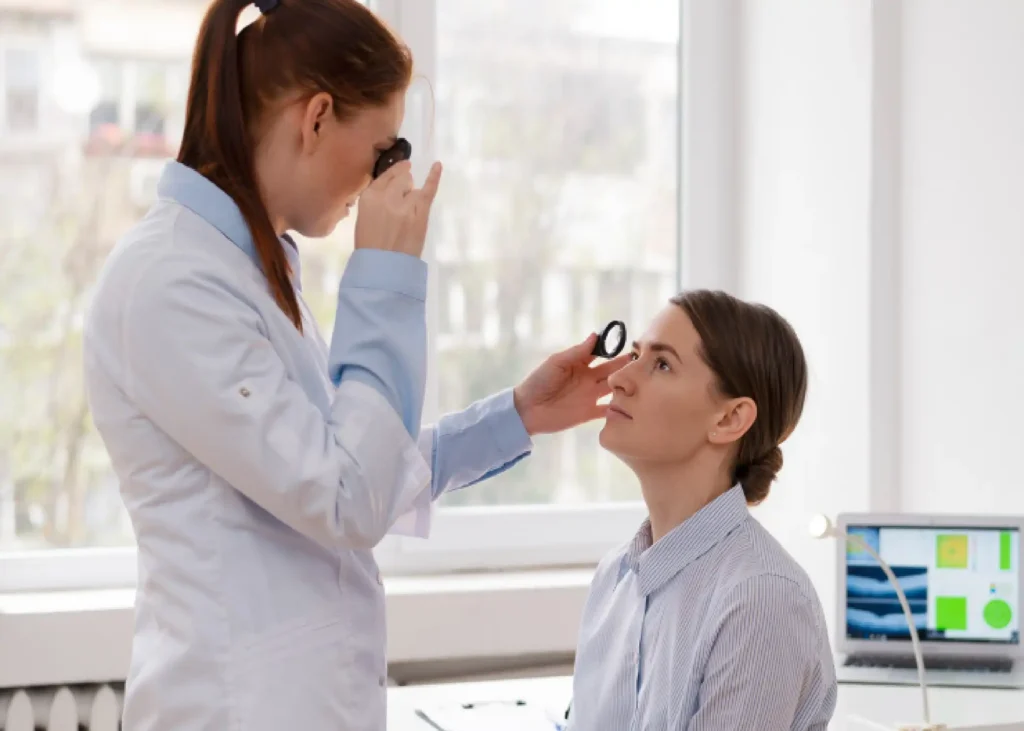
We dilate your pupils and carefully examine your retina to rule out tears, holes, or other problems that may need treatment before considering LASIK. This is especially important in high myopes (very short-sighted patients), who are more prone to retinal issues regardless of surgery.
4. Existing eye diseases
LASIK may not be suitable if you have:
- Keratoconus or suspicious corneal thinning
- Significant cataract affecting vision
- Uncontrolled uveitis (inflammation)
- Active infections or severe allergies affecting the eye surface (American Academy of Ophthalmology)
In these cases, treating the underlying disease or choosing a different type of vision correction is safer.
General health and lifestyle factors
Your eyes are part of your body, so your general health also matters.
You may not be an ideal LASIK candidate if:
- You have uncontrolled diabetes, which can affect healing and change your prescription.
- You have autoimmune diseases (like rheumatoid arthritis, lupus) or are on strong immunosuppressive medications, which can increase the risk of poor wound healing or infection. (American Academy of Ophthalmology)
- You are pregnant or breastfeeding, as hormone levels can change your vision and cornea temporarily. (moorfields.nhs.uk)
- You are on certain medications (for example, some acne medications like isotretinoin) that can cause severe dry eye.
Lifestyle also plays a role. If you are involved in contact sports, military roles, or activities with a risk of direct eye trauma, we may favour procedures that do not involve a flap (such as PRK or SMILE), because a LASIK flap could be more vulnerable to extreme blunt injury.
Understanding LASIK risks and limitations
No surgery is risk-free, and LASIK is no exception. The good news is that serious complications are uncommon when patients are carefully selected and the procedure is done by an experienced surgeon. (American Academy of Ophthalmology)
However, you should be aware of possible issues:
Common, usually temporary side-effects
- Dry eye symptoms (grittiness, burning, fluctuating vision) – often improve over weeks to months.
- Glare, halos, or starbursts around lights – especially at night; usually decrease with time.
- Fluctuating vision while the eye heals.
Less common but important risks
- Undercorrection or overcorrection – you may still need glasses or an enhancement procedure. (Mayo Clinic)
- Irregular astigmatism or quality-of-vision issues if the corneal shape ends up irregular.
- Ectasia – progressive thinning and bulging of the cornea, which can reduce vision and may require rigid contact lenses or even corneal transplant in severe cases. Risk is higher in people with pre-existing corneal weakness. (Grewal Eye Institute – Chandigarh)
- Infection or inflammation under the flap – rare but serious; requires prompt treatment.
Long-term limitations
LASIK corrects the current focusing error of your eye; it does not:
- Prevent future natural changes (like worsening myopia in some people)
- Stop presbyopia (needing reading glasses in your 40s and beyond)
- Remove the usual age-related risks such as cataract or glaucoma
Sometimes we use techniques like monovision LASIK (one eye corrected more for distance, the other slightly for near). This can reduce the need for reading glasses but does involve a compromise, and is not comfortable for everyone. A contact lens trial is often done first. (Mayo Clinic)
Your personal LASIK checklist
Here is a simple way to think about your candidacy before you even step into clinic. Read each line and see where you fit:
- Age 18 or older?
If under 18 – LASIK is generally not recommended yet. - Prescription stable for 1–2 years?
If your glasses strength has changed significantly recently, you may need to wait. - Moderate prescription?
LASIK is most predictable for low to moderate myopia, hyperopia, and astigmatism. Very high prescriptions may need alternatives like phakic IOLs. - No serious eye disease?
Have you ever been told you have keratoconus, severe dry eye, advanced glaucoma, or significant cataract? - Not pregnant or breastfeeding?
If yes, it’s better to postpone. - Realistic expectations?
Are you okay with the idea that you may still need thin glasses for certain tasks or reading in the future?
If you can answer “yes” to most of the first questions and “no” to the concerns, there is a good chance you might be suitable — but only a full eye examination can confirm that.
What happens during a LASIK suitability assessment?
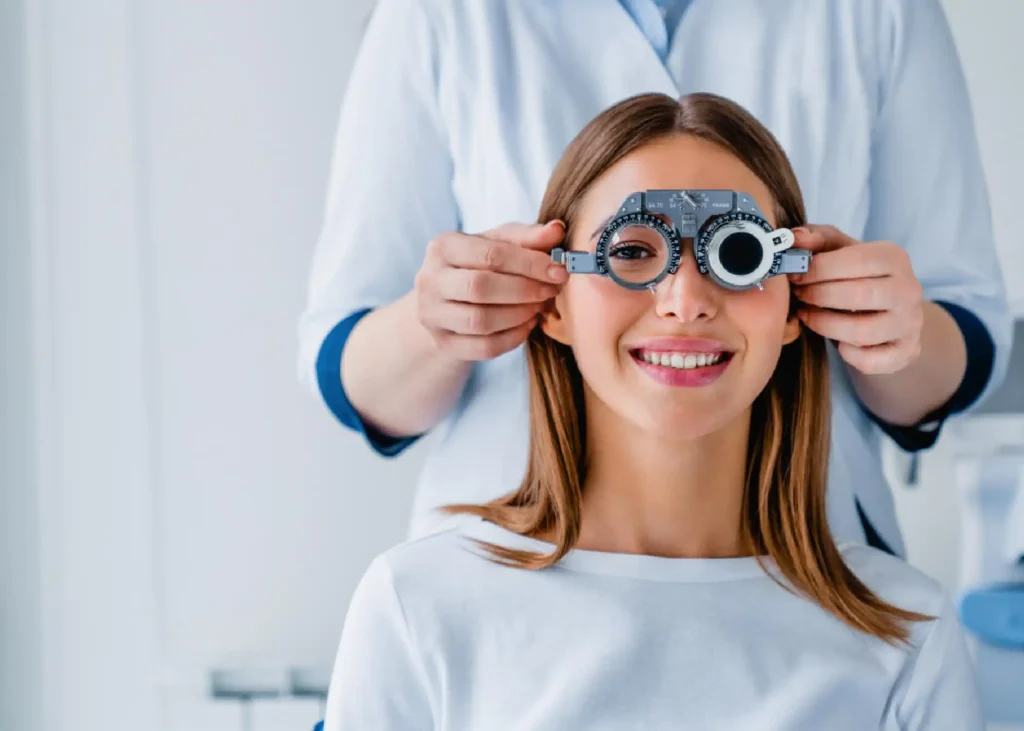
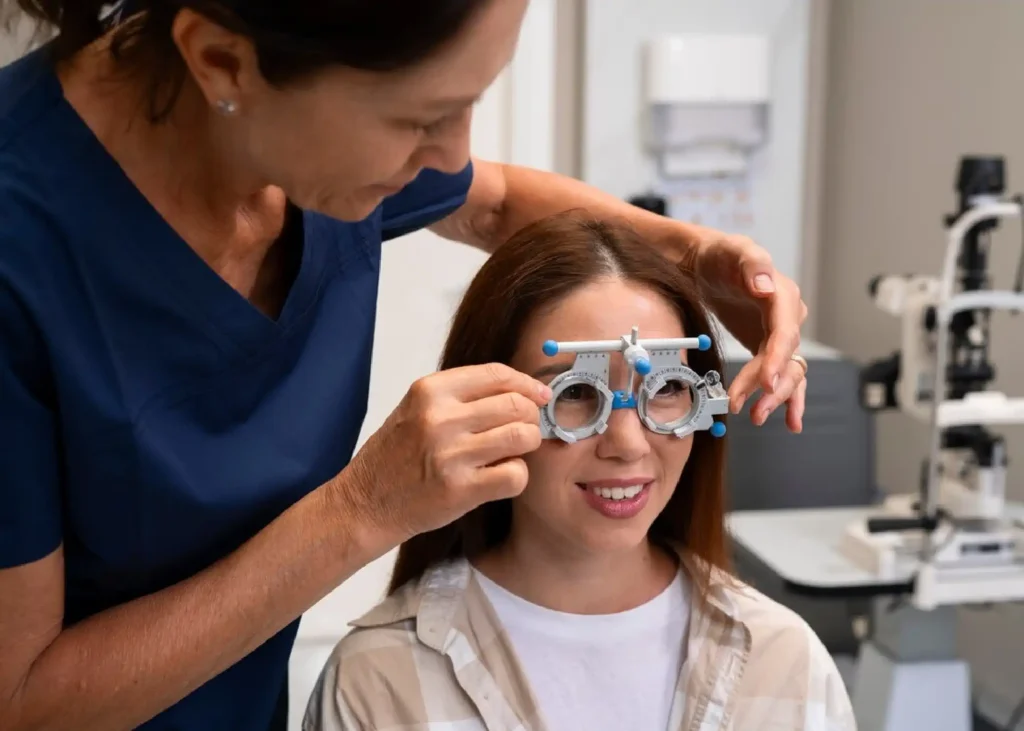
When you come for a LASIK evaluation, expect to spend 1.5–2 hours in the clinic. We will usually:
- Take a detailed history of your vision, general health, medications, and lifestyle.
- Measure your uncorrected and corrected vision.
- Check your glasses/contact lens prescription.
- Perform corneal topography/tomography to map the shape and thickness of your cornea.
- Measure pupil size, especially in low light.
- Assess your tear film and eyelids for dry eye or blepharitis.
- Measure your eye pressure.
- Dilate your pupils to examine the lens and retina thoroughly.
You’ll also have time to ask questions like:
- “How likely is it that I’ll need glasses again later?”
- “What are the risks in my specific case?”
- “Are there safer alternatives for my eyes?” (American Academy of Ophthalmology)

Alternatives if you are not a LASIK candidate
Being told you’re not suitable for LASIK can be disappointing, but often it is actually good news – it means your surgeon is putting your long-term eye health first.
Common alternatives include:
- PRK (Photorefractive Keratectomy) – no flap; laser is applied directly to the corneal surface. Healing is slower and more uncomfortable, but it preserves more corneal tissue and may be safer in thinner corneas.
- SMILE (Small Incision Lenticule Extraction) – a small incision is made to remove a tiny lenticule of corneal tissue, without a flap. It can be good for certain prescriptions and may cause less dry eye in some patients.
- Phakic IOLs (ICL) – a thin lens implanted inside the eye without removing your natural lens; very helpful for high prescriptions or very thin corneas.
- Refractive lens exchange or cataract surgery with premium intraocular lenses – often considered in older patients where lens changes or cataract are already present. (Mayo Clinic)
Your ophthalmologist will explain which option best suits your eyes and lifestyle.
When should you definitely see an ophthalmologist?
You should book an appointment with an eye specialist if:
- You are seriously considering LASIK or any laser vision correction
- Your prescription is high (strong minus or plus) and you want to know your options
- You have been told your cornea is thin or irregular
- You experience frequent eye discomfort, dryness, or changes in vision
- You simply want a comprehensive eye health check-up before making a decision
Do not make your decision based on online “suitability calculators” alone. They are useful for rough guidance but cannot replace professional examination and imaging.
Make an informed decision about your eyes

LASIK can be a life-changing procedure when done for the right patient, at the right time, using appropriate technology. The key is careful screening and honest, two-way discussion between you and your ophthalmologist.
If you’re wondering, “Am I a good candidate for LASIK?” the next best step is to schedule a comprehensive LASIK evaluation:
- We will check your prescription stability, corneal thickness and shape, tear film, and overall eye health.
- You will receive a personalised explanation of your risks, benefits, and alternatives.
- Together, we can decide whether LASIK, another procedure, or simply continuing with glasses or contact lenses is the safest option for you.
Your eyes are precious. Before you let any laser near them, make sure you have all the facts — and a specialist you trust to guide you.
References
- American Academy of Ophthalmology – LASIK: Laser Eye Surgery. (American Academy of Ophthalmology)
- American Academy of Ophthalmology – Facts About LASIK Complications. (American Academy of Ophthalmology)
- Mayo Clinic – LASIK Eye Surgery: About, Risks, and Results. (Mayo Clinic)
- NHS – Laser Eye Surgery and Lens Surgery Overview. (nhs.uk)
- Articles on corneal thickness and LASIK safety (e.g., residual stromal bed recommendations). (Grewal Eye Institute – Chandigarh)