
How to Choose a Uveitis Specialist or Retina Specialist When Your Vision Is on the Line
Choosing the right eye specialist matters when inflammation or retinal disease could threaten vision. A general ophthalmologist is often the first step, but conditions such as uveitis, retinal detachment, diabetic retinopathy, macular edema, or unexplained vision loss may need a retina specialist or a uveitis specialist with deeper training. Look for fellowship training, board certification, experience with your condition, access to imaging and urgent care, and clear communication. Sudden flashes, many new floaters, a curtain over vision, or rapid blur need immediate evaluation.
How to Choose a Uveitis Specialist or Retina Specialist When Your Vision Is on the Line
When patients tell me about their eye journey, I often hear the same themes. The appointments feel long. The information feels dense. The emotions are intense. One doctor says, “Let’s watch it.” Another says, “You need a specialist.” And somewhere in the middle, the patient is left wondering a very human question: How do I know when routine eye care is no longer enough?
That question is especially important with uveitis and retinal disease. These are not just “eye problems” in the casual sense. They can affect the structures that support sight at a very deep level. Uveitis is inflammation inside the eye, and it can cause pain, redness, light sensitivity, floaters, and blurred vision. Retinal diseases affect the light-sensitive tissue at the back of the eye and may lead to distortion, blind spots, bleeding, swelling, flashes, floaters, or sudden loss of vision. In some cases, delay can permanently reduce vision. (National Eye Institute)
A general ophthalmologist is highly trained and is often the right first doctor to see. But some conditions become too complex, too urgent, or too treatment-intensive for general care alone. That is where a retina specialist or a uveitis specialist becomes essential. Retina specialists are board-certified ophthalmologists with advanced fellowship training focused on diseases of the retina and vitreous. They commonly manage macular degeneration, diabetic retinopathy, retinal tears, retinal detachment, macular holes, retinal vascular disease, and other sight-threatening conditions. (American Society of Retina Specialists)
A uveitis specialist is usually an ophthalmologist whose practice is concentrated in ocular inflammation and immunology. These doctors often care for patients whose eye inflammation is hard to diagnose, recurring, affecting the back of the eye, or linked to autoimmune or infectious disease. Uveitis is not always a simple “steroid drop problem.” Some patients need detailed lab work, advanced imaging, careful monitoring for complications such as macular edema, and sometimes systemic treatment coordinated with rheumatology or internal medicine. (National Eye Institute)
Why choosing the right specialist matters
The reason specialist choice matters is simple: these diseases can change quickly, and treatment decisions can be nuanced. A retina patient may need urgent laser, injections, or surgery. A uveitis patient may need a careful distinction between infectious and noninfectious inflammation, because the wrong treatment pathway can be harmful. Even when the diagnosis is known, the real-world management can be complicated. How active is the disease? Is the macula involved? Is the optic nerve at risk? Is this a one-time episode or a chronic condition? Is inflammation in the front of the eye only, or also in the vitreous, retina, or choroid? (Mayo Clinic)
This is also why many patients describe their appointments as emotional. They are often hearing new words, facing the possibility of injections or long-term medication, and trying to understand whether vision can be restored, stabilized, or only protected from getting worse. A strong specialist does more than deliver treatment. A strong specialist helps you understand what is happening, what the goal is, and what signs mean you should call immediately. That communication skill is not a luxury. It is part of good care.
When a general ophthalmologist may not be enough
There is no shame in outgrowing general care. In medicine, “generalist first, specialist when needed” is good care. The shift usually happens when the diagnosis is unusually complex, the disease is affecting central vision, the response to treatment is incomplete, or there is a risk of permanent structural damage.
For uveitis, referral is especially important when inflammation keeps returning, involves the back of the eye, causes macular edema, does not settle with routine drops, or raises concern for systemic disease or infection. Posterior uveitis can carry a higher risk of vision loss and may lead to complications such as macular edema, retinal detachment, cataract, glaucoma, or blood-vessel closure. (Oxford University Hospitals)
For retinal disease, referral is urgent when there are symptoms or findings suggesting retinal tear or detachment, diabetic eye disease needing injections or laser, sudden unexplained central distortion, retinal swelling, hemorrhage, or a condition needing surgical judgment. The National Eye Institute notes that sudden new floaters, flashes, or a curtain-like shadow can signal retinal detachment and require immediate attention. (National Eye Institute)
How to tell which specialist you may need
Many patients are unsure whether they need a retina specialist, a uveitis specialist, or both. In truth, there can be overlap.
A retina specialist is usually the best fit when the main issue is retinal structure or retinal treatment: diabetic retinopathy, retinal tear, retinal detachment, macular degeneration, macular edema, epiretinal membrane, macular hole, retinal vein occlusion, or vitreoretinal surgery decisions. (American Society of Retina Specialists)
A uveitis specialist is usually the best fit when the main issue is inflammation inside the eye, especially when the cause is uncertain, the disease is recurrent, both eyes are involved, the back of the eye is inflamed, or systemic treatment may be needed. These specialists are often best equipped to decide whether more testing is necessary and whether steroid-sparing or immunomodulatory treatment should be considered. (National Eye Institute)
Sometimes the best answer is co-management. A patient with uveitis-related macular edema may need both inflammation control and retina-focused imaging or treatment. A patient with severe posterior uveitis may benefit from a team that includes ocular inflammation, retina, and sometimes rheumatology. Large centers often coordinate this especially well. (Mayo Clinic)

What qualifications should you look for?
Start with the basics. You want an ophthalmologist, not just an optical provider, when vision-threatening disease is suspected. Then go one step further: look for board certification and advanced fellowship training relevant to your problem. The American Board of Ophthalmology provides a physician search tool to verify certification, and ASRS describes retina specialists as ophthalmologists with fellowship training in vitreoretinal disease. (Abop)
For a retina specialist, it is reasonable to check whether they are involved in retina-focused practice and whether the clinic routinely handles injections, retinal laser, urgent retinal tears, and surgical retina problems. For a uveitis specialist, it is reasonable to ask whether they regularly manage ocular inflammation, coordinate systemic workups, and treat both straightforward and complex cases. The American Uveitis Society maintains a public directory of clinicians who provide care for uveitis and ocular inflammatory disease, which can be a useful starting point. (uveitissociety.org)
Do not get lost chasing titles alone. Experience matters most when it is specific to your condition. A retina specialist who sees diabetic retinopathy every day may be a better fit for one patient, while another patient with recurrent panuveitis may need a dedicated ocular immunology expert. The right question is not “Who is the most famous doctor?” The right question is “Who regularly treats patients like me?”
Questions patients should ask before booking
You do not need to sound medical to ask smart questions. In fact, plain questions are usually the most helpful.
Ask whether the doctor regularly treats your diagnosis or suspected diagnosis. Ask whether they offer the imaging or procedures commonly used for that condition. Ask how urgent new symptoms are handled. Ask whether they coordinate with other doctors when needed. Ask whether you are likely to see the same doctor consistently or rotate among multiple providers. Continuity matters when the disease is chronic and subtle changes in the eye can alter treatment plans.
It is also wise to ask: What is the goal of treatment in my case—improving vision, protecting what I have, or controlling inflammation to prevent future damage? That single question often turns a confusing visit into a clearer one.
Signs you have found a good specialist
Patients sometimes think the “best” doctor is the one with the shortest explanation and the fastest plan. I do not agree. In complex retinal and inflammatory disease, good care often feels careful rather than flashy.
A strong specialist usually does several things well. They take symptoms seriously. They explain what they know and what is still uncertain. They use testing thoughtfully. They tell you what would count as an emergency. They do not dismiss your anxiety. They also avoid false promises. In retina and uveitis care, honesty is a sign of professionalism.
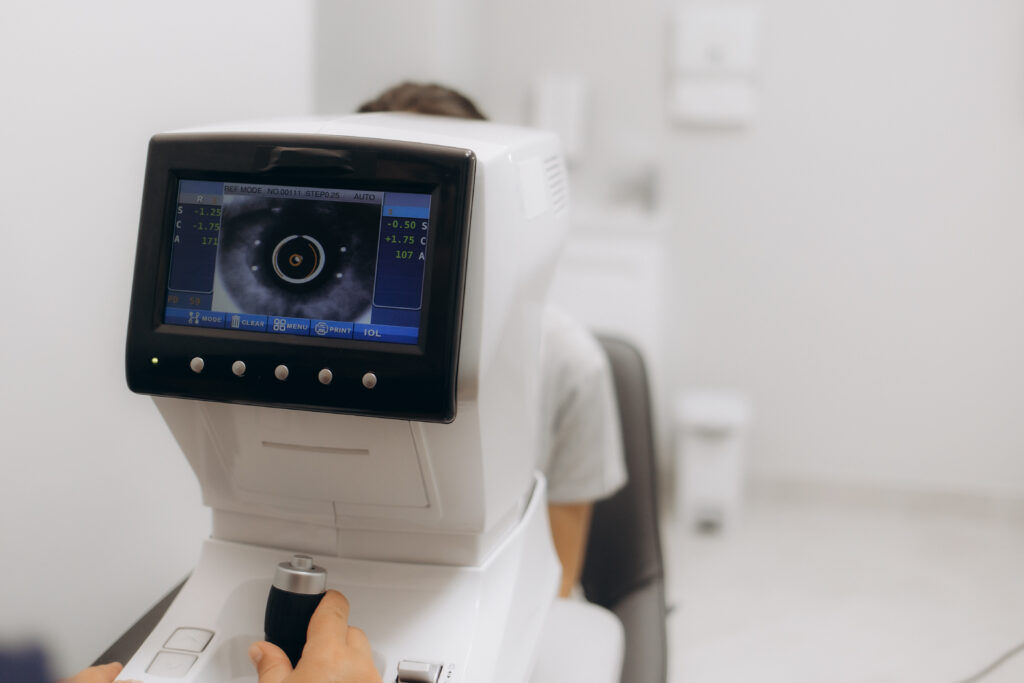
You should feel that the specialist has a system. That system may include dilated exam, retinal imaging, review of old records, targeted blood work or systemic history when appropriate, and a clear follow-up plan. NEI and other authoritative patient resources repeatedly emphasize the role of dilated eye exams and retinal imaging in diagnosing retinal disease and macular problems. (National Eye Institute)
Red flags when choosing a specialist
There are practical warning signs patients should notice.
Be cautious if a clinic cannot explain how urgent issues are triaged. Be cautious if you cannot tell who is leading your care. Be cautious if the plan changes dramatically from visit to visit without explanation. Be cautious if your symptoms are worsening but follow-up keeps being pushed out without a reason.
Also be careful with clinics that sound highly advanced online but do not clearly state who the physicians are, what training they have, or how emergencies are handled. For vision-threatening disease, convenience matters, but clarity matters more.
The importance of access and logistics
Patients often underestimate the importance of logistics until treatment starts. Many retinal diseases require repeated visits, injections, laser, or close follow-up. Uveitis may require frequent pressure checks, imaging, or coordination with lab tests and other specialists. A brilliant doctor who is impossible to reach in a flare may not be the right fit for a chronic unpredictable condition. (Mayo Clinic)
Think about travel distance, appointment availability, insurance acceptance, and what happens after hours. Ask whether urgent same-day or next-day visits are available for new flashes, floaters, pain, redness, or sudden vision change. For some diseases, that access can make a major difference. Retinal detachment in particular is considered a medical emergency. (National Eye Institute)
How to prepare for the first specialist visit
The better prepared you are, the more useful the visit becomes. Bring your previous notes if you have them. Bring a list of eye drops, injections, tablets, and any medication allergies. Bring records of autoimmune disease, infections, recent surgeries, trauma, diabetes, or immune-suppressing treatment if relevant. Uveitis workups are often guided by your history, not just what is visible in the eye that day. (The Dudley Group NHS Foundation Trust)
It also helps to write down a timeline: when symptoms started, whether one eye or both were involved, whether you had pain, redness, flashes, floaters, waviness, blind spots, or a curtain effect, and whether treatment helped. Patients often remember these details more accurately at home than in the exam chair.
When to seek immediate care instead of waiting for a routine appointment
Some symptoms are too important to “watch and wait.” Seek urgent eye evaluation for a sudden shower of floaters, flashes of light, a curtain or shadow in vision, sudden major blur, severe eye pain, marked light sensitivity, or a painful red eye with reduced vision. These can be signs of retinal tear, retinal detachment, or active intraocular inflammation that should not be delayed. (National Eye Institute)
A word about second opinions
Second opinions are appropriate in complex eye disease. They are not a betrayal of your doctor. They are a tool. Consider one when the diagnosis is uncertain, the disease is not responding as expected, major surgery is being considered, or you still do not understand the reasoning behind the plan. Good specialists are usually comfortable with this.
That said, a second opinion should not become endless doctor-shopping during an emergency. When there are signs of retinal detachment or severe active inflammation, speed matters more than perfect certainty.
Prevention of confusion: the mindset that helps patients most
Patients do best when they stop asking, “Who is the best eye doctor in the city?” and start asking, “Who is the best-trained doctor for this exact problem, and how quickly can I be seen if it worsens?”
That is the key shift.
A general ophthalmologist is often the right first door. But if your vision is on the line, the next door may need to be narrower and more specialized. For retinal disease, that often means a fellowship-trained retina specialist. For complicated inflammation, that often means a uveitis specialist. For some patients, the safest care comes from both working together. (American Society of Retina Specialists)
The goal is not simply to find a famous name. The goal is to find a clinician with the right training, the right systems, the right access, and the ability to explain the plan with clarity. When patients feel heard and understand the treatment path, fear usually decreases—even when the disease itself is serious.
When to see a doctor
Do not wait for a routine visit if you have sudden flashes, many new floaters, a curtain or dark shadow in your vision, rapid unexplained vision loss, a painful red eye with light sensitivity, or worsening blur during treatment. These symptoms deserve urgent ophthalmic evaluation. (National Eye Institute)
Call to Action
If you have been told you may have uveitis, retinal swelling, diabetic eye disease, a retinal tear, or unexplained changes in vision, schedule a specialist evaluation promptly. A comprehensive dilated retinal exam and the right imaging can help clarify whether you need a retina specialist, a uveitis specialist, or coordinated care from both. Protecting vision often starts with getting to the right doctor early.
References
- National Eye Institute — Uveitis: (National Eye Institute)
- National Eye Institute — Retinal Detachment: (National Eye Institute)
- National Eye Institute — Diabetic Retinopathy: (National Eye Institute)
- American Society of Retina Specialists — What Is a Retina Specialist?: (American Society of Retina Specialists)
- American Board of Ophthalmology — Verify a Certification: (Abop)