Meibomian Gland Dysfunction Explained: A Major Cause of Persistent Dry Eyes
Meibomian Gland Dysfunction (MGD) is one of the most common reasons people get “dry eye” that doesn’t improve with regular lubricating drops. The meibomian glands (along the eyelids) make an oily layer that slows tear evaporation. When these glands clog or the oil quality becomes poor, tears evaporate too fast, causing burning, grittiness, watering, and blurry, fluctuating vision. Treatment is usually targeted: consistent warm compresses, lid hygiene, blink habits, and—when needed—prescription anti-inflammatory medicines or in-office gland-opening procedures.
If you’ve spent time on dry eye forums, you’ve seen it: people label their symptoms “MGD,” compare warm compress routines, and ask whether they need “gland expression,” IPL, LipiFlow, or a specific prescription drop.
That pattern actually makes sense. “Dry eye” is not one single disease. It’s an umbrella term for several problems that can look similar but need different treatment plans. The Tear Film & Ocular Surface Society (TFOS) describes dry eye as a multifactorial condition where the tear film becomes unstable and the eye surface gets stressed and inflamed. (tfosdewsreport.org)
One major reason symptoms linger is that many people are treating the “watery part” of the tear film while missing the “oily part.” And that oily part is where MGD lives.
The tear film, explained like a simple 3-layer shield

Your tears are not just water. They function more like a thin, living shield that has to stay smooth and stable every time you blink.
A helpful way to imagine it:
- Mucus layer (closest to the eye) helps tears spread evenly.
- Watery layer (middle) provides moisture, oxygen, and protective proteins.
- Oily layer (outermost) slows evaporation—this layer is largely produced by the meibomian glands.
When the oily layer is weak, tears evaporate quickly. The eye surface dries between blinks, the tear film breaks up, and the surface becomes irritated. This evaporation-driven pathway is a central mechanism in many cases of dry eye disease. (PubMed)
What exactly are the meibomian glands?
Meibomian glands are tiny oil-producing glands embedded vertically inside your upper and lower eyelids. Their openings sit just behind the eyelashes along the lid margin. Each time you blink, a small amount of oil (meibum) is released onto the tear film.
That oil has two big jobs:
- It reduces evaporation of tears.
- It improves tear film smoothness, helping vision stay clear.
MGD happens when the glands don’t release enough oil, the oil quality becomes abnormal (often thicker), or the gland openings clog. This is one of the most common drivers of evaporative dry eye, which many clinicians consider the most prevalent dry eye subtype worldwide. (Lippincott Journals)
Why MGD causes “dryness” even when your eyes water
This confuses patients all the time: “My eyes water all day—how can I have dry eye?”
When the surface is irritated, your eyes can reflexively produce extra watery tears. But these reflex tears often lack the right oil balance, so they don’t stay on the eye for long. The result is the frustrating combination of:
- watery eyes,
- burning,
- grittiness,
- and still feeling “dry.”
Common symptoms of MGD (the ones people describe online)
MGD symptoms often fluctuate, which is another reason people search endlessly for answers. Common complaints include:
- Burning, stinging, or a “hot” feeling
- Grittiness (like sand in the eyes)
- Eyelid heaviness or tired eyes
- Blurry or fluctuating vision that improves after blinking
- Sensitivity to wind, AC, fans, or screens
- Red eyes, especially along the lid margin
- Crusting or debris at the lashes in the morning
Dry eye symptoms are also strongly influenced by environment and lifestyle (forced air, low humidity, screen time), which is why some days feel worse than others. (Mayo Clinic)
What causes MGD?

MGD usually isn’t one single trigger. Think of it as a “traffic jam” problem at the gland opening, plus changes in the oil itself.
Common contributors include:
1) Inflammation along the lid margin
Chronic low-grade inflammation can narrow or block gland openings.
2) Thickened meibum (oil)
Oil can become more waxy, especially with age, hormonal influences, and inflammation. Thick oil doesn’t flow well, so glands stagnate.
3) Skin conditions (especially rosacea)
Facial rosacea frequently overlaps with eyelid inflammation and MGD.
4) Demodex (eyelash mites)
Demodex infestation can trigger blepharitis and is associated with worse meibomian gland damage and poor meibum quality in some patients. (PMC)
5) Reduced or incomplete blinking
Long screen sessions reduce blink rate and increase incomplete blinks, so oil isn’t expressed properly.
6) Contact lenses, prior eye surgery, and certain medicines
Some people notice MGD worsening with contact lens wear or after surgeries that alter surface sensation. Medications like isotretinoin can also reduce meibomian gland function.
How ophthalmologists diagnose MGD (and why self-diagnosis has limits)
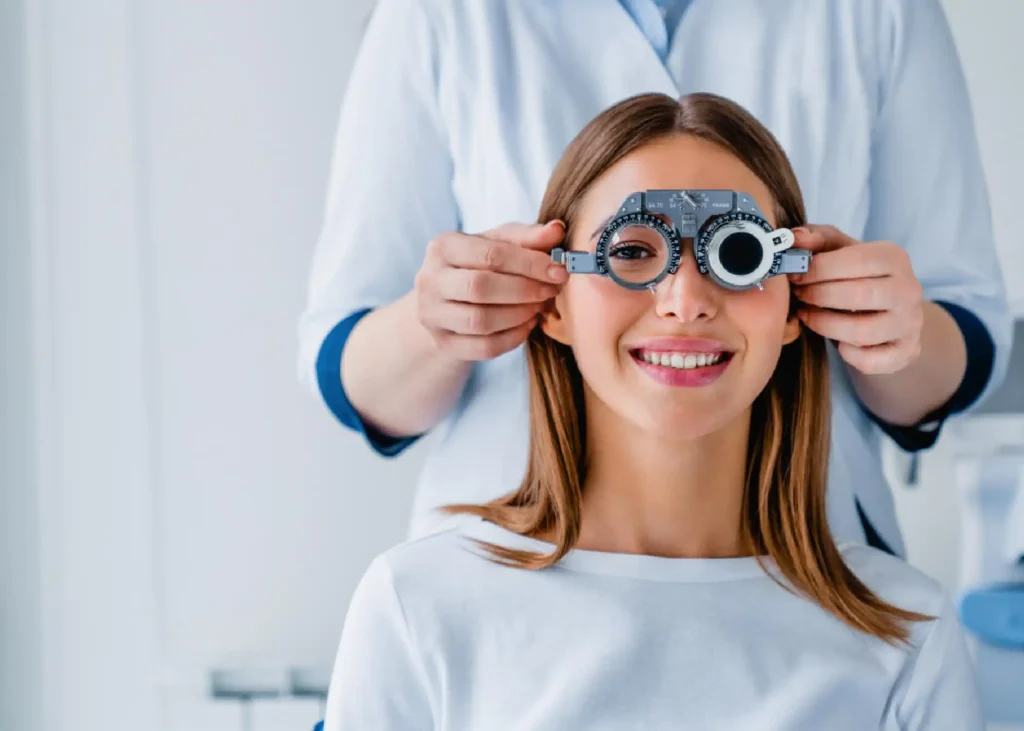
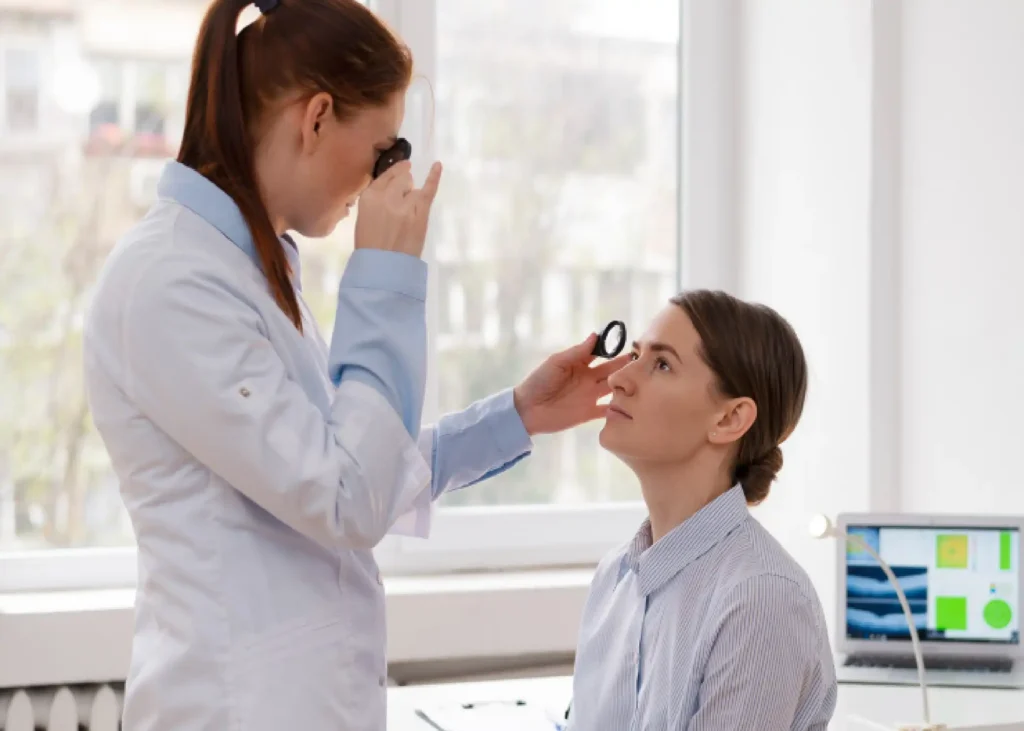
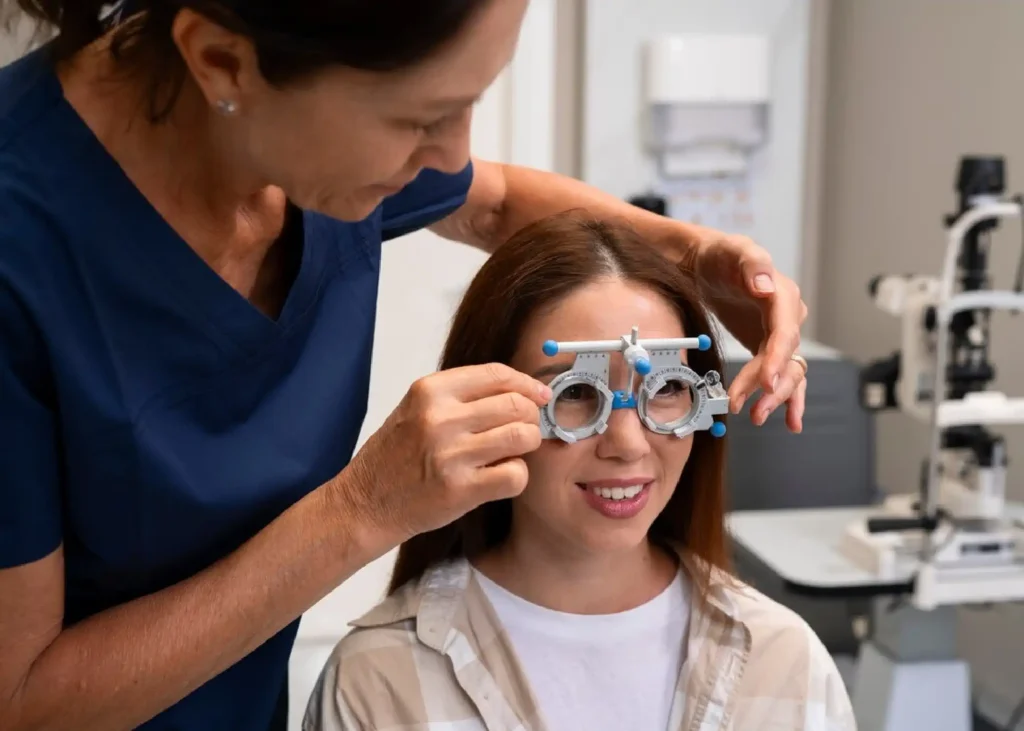
Forums are useful for shared experiences, but diagnosis is still best done at the slit lamp because we’re looking for specific signs.
In clinic, we typically assess:
- Lid margin changes: redness, thickening, telangiectasia (tiny vessels)
- Gland openings: capped, pouting, or blocked
- Meibum quality: clear and oily (healthy) vs cloudy/toothpaste-like (MGD)
- Tear break-up time (TBUT): how quickly tears destabilize after a blink
- Staining tests: reveal surface stress or damage
- Meibography (in some clinics): imaging that shows gland dropout/atrophy
This matters because many patients have mixed dry eye: both evaporative (MGD) and low tear production. Treating only one side often leads to partial relief.
The “vicious cycle”: why MGD becomes persistent
Dry eye is famous for becoming self-perpetuating. Tear instability increases surface stress and inflammation; inflammation worsens gland function; poor gland function further destabilizes tears. TFOS highlights this cycle as central to ongoing disease. (tfosdewsreport.org)
That’s why “random drops” often disappoint. You may get short relief, but the underlying cycle continues unless the lid glands and inflammation are addressed.
Targeted treatment for MGD (what actually helps, step by step)
1) Warm compresses: effective, but only if done correctly

Warm compresses are the most discussed MGD treatment online—and for good reason. Heat softens thickened meibum and improves flow. But the details matter: temperature, duration, and consistency change results. (PMC)
A practical routine I commonly recommend:
- Use a clean heat mask (often more consistent than a washcloth).
- Aim for about 8–10 minutes of sustained warmth (not scalding).
- Follow with gentle lid massage toward the lash line.
- Do it daily for several weeks, then taper to a maintenance schedule if stable.
Be cautious with aggressive squeezing. Overly forceful massage can irritate the lids and worsen inflammation.
2) Lid hygiene: cleaning the “rim” where glands open
If the lid margin is inflamed or has bacterial debris, MGD becomes harder to control. Lid hygiene is not about scrubbing hard—it’s about keeping the lid margin clean and calm.
Options include:
- Diluted gentle cleansers designed for eyelids
- Pre-moistened lid wipes
- Managing scalp/skin dandruff if present (seborrheic dermatitis)
3) Blink strategy and screen habits (often underestimated)
If you have “screen-linked dry eye,” your glands may not be getting enough natural expression.
Try:
- Consciously doing full blinks (upper and lower lids touching)
- Short “blink breaks” during intense work
- Adjusting screen height slightly lower (encourages smaller lid opening)
Environmental measures like humidifiers and avoiding direct airflow can meaningfully reduce symptoms too. (Mayo Clinic)
4) Lubricating drops: choose the right type for evaporative dry eye
Many standard artificial tears are mostly watery. In MGD, lipid-containing drops (often labeled “for evaporative dry eye” or “lipid layer support”) can be more helpful because they supplement the oily layer.
If you’re using drops more than a few times a day, consider preservative-free options to reduce surface irritation.
5) Anti-inflammatory treatment: when home care isn’t enough
MGD is often inflammatory. When lids and ocular surface are inflamed, controlling that inflammation can improve comfort and sometimes improve gland function.
Common doctor-directed options include:
Topical antibiotics with anti-inflammatory effects
Topical azithromycin has been studied for MGD-related lid disease in certain patients. (PMC)
Oral tetracyclines (like doxycycline) for selected patients
Low-dose oral doxycycline is sometimes used, especially when rosacea is part of the picture. It’s not for everyone (pregnancy, children, stomach sensitivity), so this must be individualized.
Prescription drops for dry eye inflammation
Even in “MGD dry eye,” the ocular surface often becomes inflamed, and prescription anti-inflammatory drops may be helpful for the overall cycle.
Examples include:
- Cyclosporine products used to increase tear production in inflammatory dry eye (FDA Access Data)
- Lifitegrast (Xiidra) is indicated for signs and symptoms of dry eye disease (FDA Access Data)
- Short-course steroid drops (for flares): Eysuvis is indicated for short-term (up to 2 weeks) treatment of signs and symptoms of dry eye disease (FDA Access Data)
The key point: these do not “replace” gland treatment. They support it by calming the surface and breaking the inflammatory loop.
6) Omega-3 supplements: why opinions differ
Omega-3s are widely discussed online. The evidence is mixed. A large randomized trial published in NEJM (the DREAM study) found omega-3 supplementation was not significantly better than placebo for dry eye symptoms in that study population. (New England Journal of Medicine)
Does that mean omega-3 never helps anyone? Not necessarily. But it does mean we should avoid treating omega-3 as a guaranteed solution. If you want to try it, discuss dose, quality, and medical suitability with your doctor—especially if you take blood thinners or have bleeding risks.
7) In-office procedures: when glands need a stronger “reset”

For patients with significant obstruction, in-office treatments can be very effective—especially when combined with good home maintenance.
Common categories include:
Thermal pulsation / heat + expression systems
These apply controlled heat and pressure to help evacuate blocked glands. The American Academy of Ophthalmology discusses a range of dry eye devices, including FDA-cleared pulsed heat options for MGD. (American Academy of Ophthalmology)
Intense Pulsed Light (IPL)
IPL (borrowed from dermatology) has growing evidence in MGD management and is the subject of ongoing reviews and meta-analyses. (PubMed)
Your suitability depends on skin type, rosacea features, and ocular findings—so this should be guided in clinic, not chosen purely because it helped someone online.
8) Don’t forget Demodex when symptoms are stubborn
If you have significant itching, lash debris (“collarettes”), or recurring lid inflammation that doesn’t respond to standard lid hygiene, Demodex may be contributing.
Demodex blepharitis now has an FDA-approved treatment: lotilaner ophthalmic solution 0.25% (XDEMVY) for Demodex blepharitis. (FDA Access Data)
This is not an “MGD drug” directly, but treating Demodex can reduce lid margin inflammation and may improve the overall environment for the meibomian glands in appropriate patients. (PMC)
What patients can do at home (a realistic, sustainable plan)
If I had to simplify MGD care into a doable plan for most people, it would be:
Start with daily warm compress + gentle lid massage, plus lid hygiene, for 4–6 weeks.
At the same time, reduce evaporation triggers (direct airflow, very dry rooms, long unbroken screen sessions).
Use a lipid-support artificial tear if needed.
If symptoms are still significant after several weeks of correct technique, that’s the point where an eye exam becomes especially valuable—because persistent symptoms often mean:
- glands are significantly obstructed and need in-office treatment, and/or
- there is substantial ocular surface inflammation needing prescription therapy, and/or
- there’s an additional diagnosis (Demodex, allergy, contact lens-related dryness, medication effect, etc.).
When to see an ophthalmologist urgently (don’t wait)
Dry eye and MGD are usually chronic, not dangerous—but certain symptoms should be checked quickly:
- Significant pain (not just discomfort)
- Light sensitivity that’s new or worsening
- Sudden drop in vision
- One eye much worse than the other
- Thick discharge or crusting with swelling (possible infection)
- A new contact lens intolerance with redness/pain
A practical note for forum readers: why “targeted” treatment wins
Many people online bounce between random drops, supplements, and devices because they’re trying to fix a puzzle without seeing the whole picture.
The “targeted treatment” idea is correct—but targeting should be based on:
- What type of dry eye you have (evaporative, aqueous-deficient, or mixed) (tfosdewsreport.org)
- How advanced the gland changes are (functional blockage vs gland dropout)
- How much inflammation is present (lids and ocular surface)
Once those are clear, treatment becomes far less guesswork—and far more results-driven.
Call to Action
If you’ve had dry eye symptoms for months, keep needing drops, or suspect MGD based on recurring lid irritation, consider booking a comprehensive dry eye evaluation. In a single visit, we can assess your meibomian glands, tear stability, and inflammation—and build a plan that matches the real cause (not just the symptom).
References
https://www.aao.org/education/preferred-practice-pattern/dry-eye-syndrome-ppp-2023 (American Academy of Ophthalmology)
https://www.tfosdewsreport.org/report-definition_and_classification/48_36/en/ (tfosdewsreport.org)
https://www.aao.org/eyenet/article/treating-evaporative-dry-eye (American Academy of Ophthalmology)
https://medlineplus.gov/ency/article/001621.htm (MedlinePlus)
https://pubmed.ncbi.nlm.nih.gov/28736340/ (PubMed)